
Day Twenty-One: The Pacific Crossing – Sapporo to Unalaska
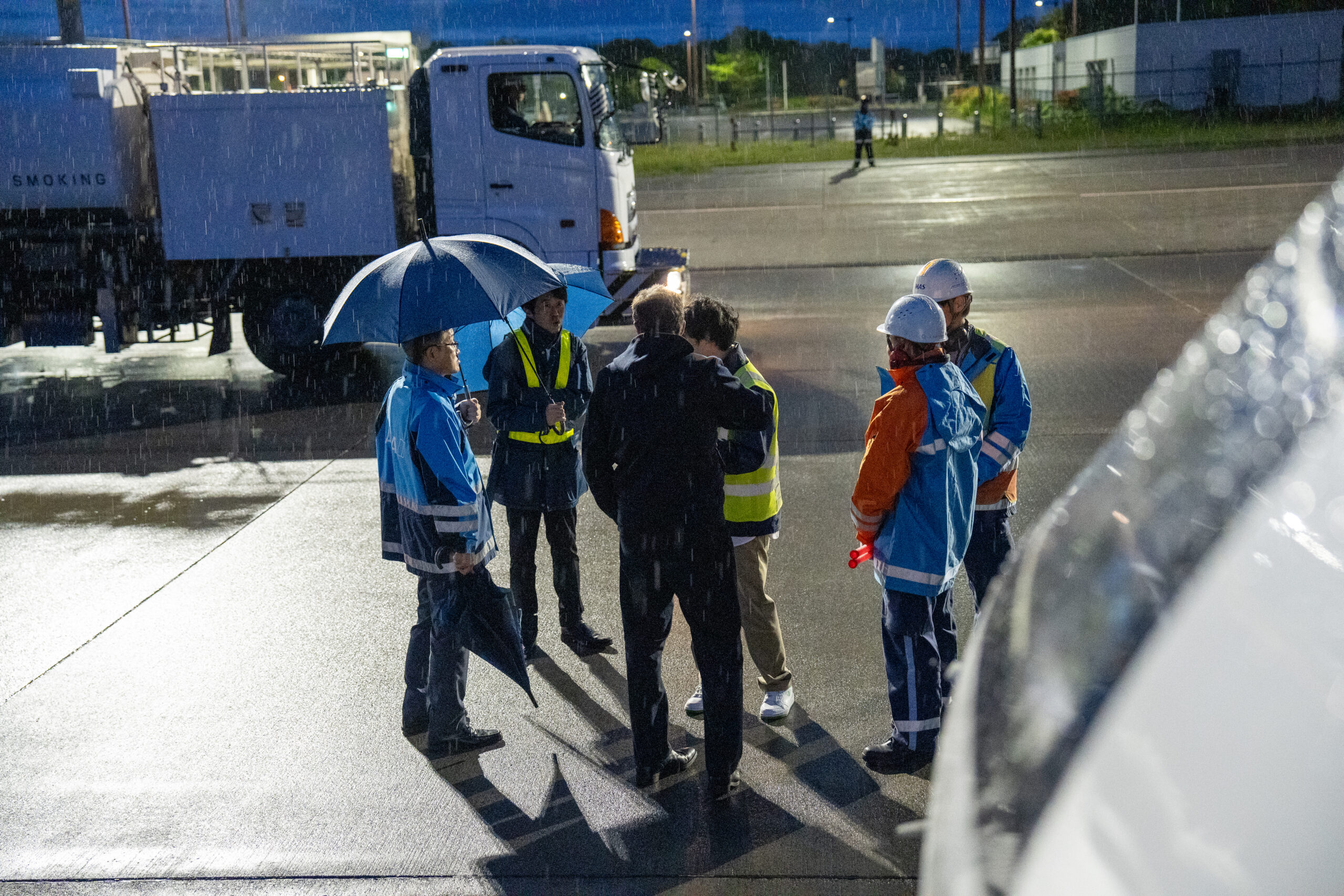
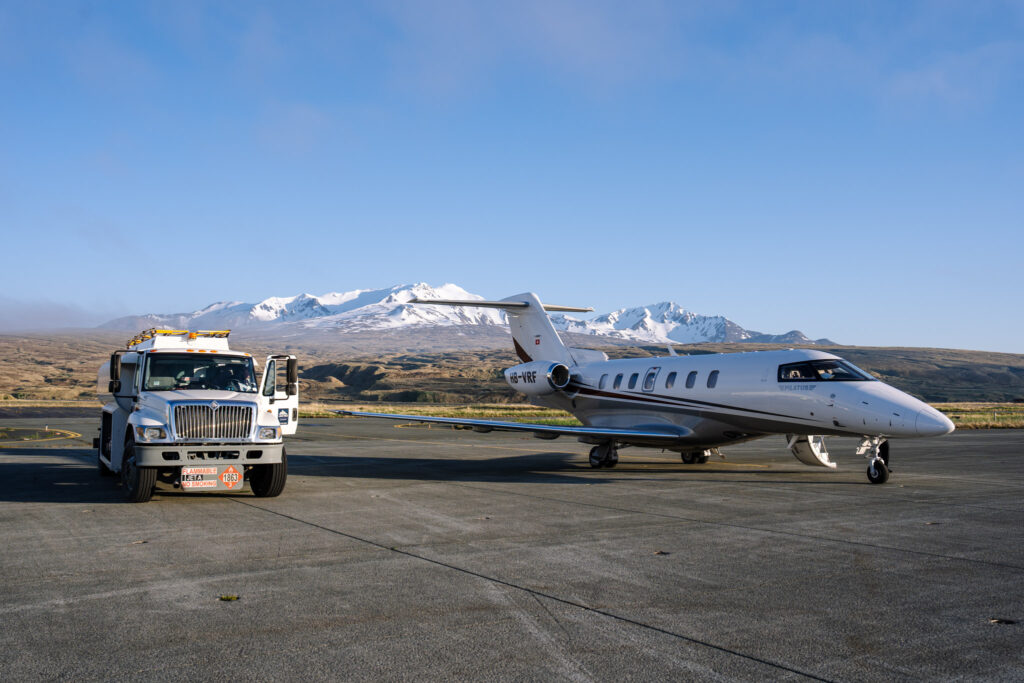
We had just finished our day in Sapporo and were getting ready to leave for the overnight flight across the Pacific when the chief pilot came to us with news that looked likely to end the trip altogether. There was a NOTAM out at Adak reporting that the Instrument Landing Systems was not working, and to make matters worse, the local weather there was showing fog.
The route would take us from Sapporo to Kushiro to Adak to Unalaska, and it carried two points of no return. The first was the point past which we could no longer turn back to Kushiro. The second was the point at which we passed the only alternate, a U.S. military airfield, where we could’ve landed, but would surely not have been welcomed.
There was another problem. All of the planning had assumed twenty-seven to thirty-eight knots of tailwind, which was the mean May and June tailwind of the past three years. However, the typhoon that had been chasing us through Japan, had slowed down the winds, to only seven knots. This was as it spins counterclockwise dragging the wind out of the region, and giving us far less tailwind than we had counted on. So the doubts began to pile up. The tailwind was poor, the ILS was down, there was fog, and the leg ran across the top of the North Pacific with almost no alternates, other than those that sat in Russian airspace.
We called the handler and the airport manager several times and still could not get a clear answer on whether a landing was possible, so we began drafting an alternate plan. That plan had us flying back the way we had come, since the pilots were keeping safety in mind and were not confident about pushing on over the Aleutians.
Just as everyone had made peace with turning around, the chief pilot made one last phone call and somehow got the airport manager in Adak on the line. He turned out to be German, which was a surprise given that twenty-five people live on the island. He told us, quite simply, that no plane had ever failed to land there because of fog. We placed our full trust in a man none of us had ever met, largely because he spoke German, scrapped the route home, and decided to go for it.
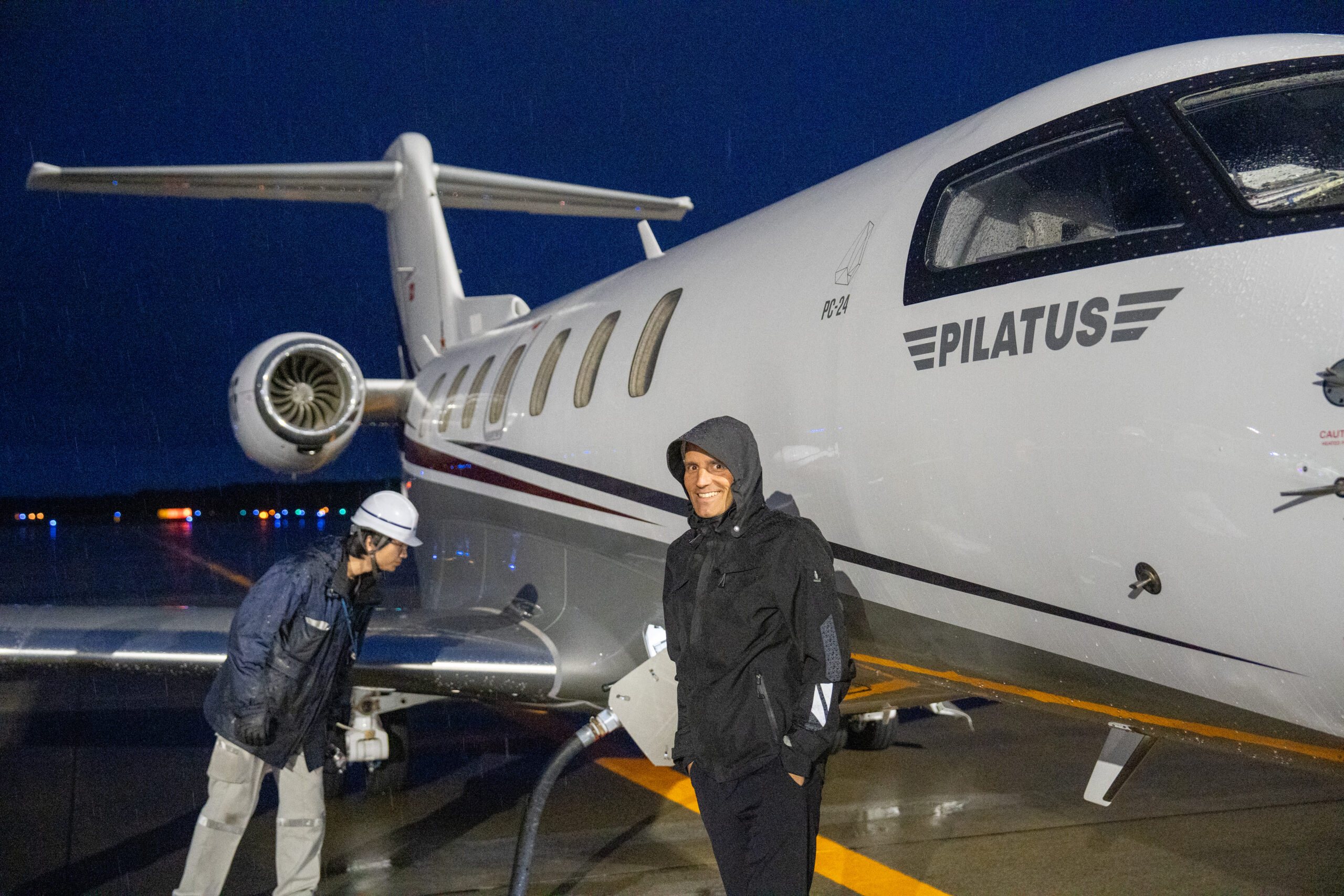
The flight ran from Japan to Alaska with two fuel stops. The first was in Kushiro, where we had to plan for a departure between 8:30-8:45 in the evening. The airport closed at 8:45, and we needed every minute we could get to make sure that Adak, our second fuel stop, would already be open by the time we arrived. The strange part of this flight was the clock. We left Kushiro at around half past eight on Saturday evening, flew for roughly five hours, and landed in Adak at half past seven in the morning, on the same day. We had effectively been handed a forty-two hour June 6th. With so many moving parts, and the Kushiro stop needing to be timed to the minute, it made for a strenuous night, and the flying was heavy on the pilots.
Day Twenty-Two: Adak & Unalaska
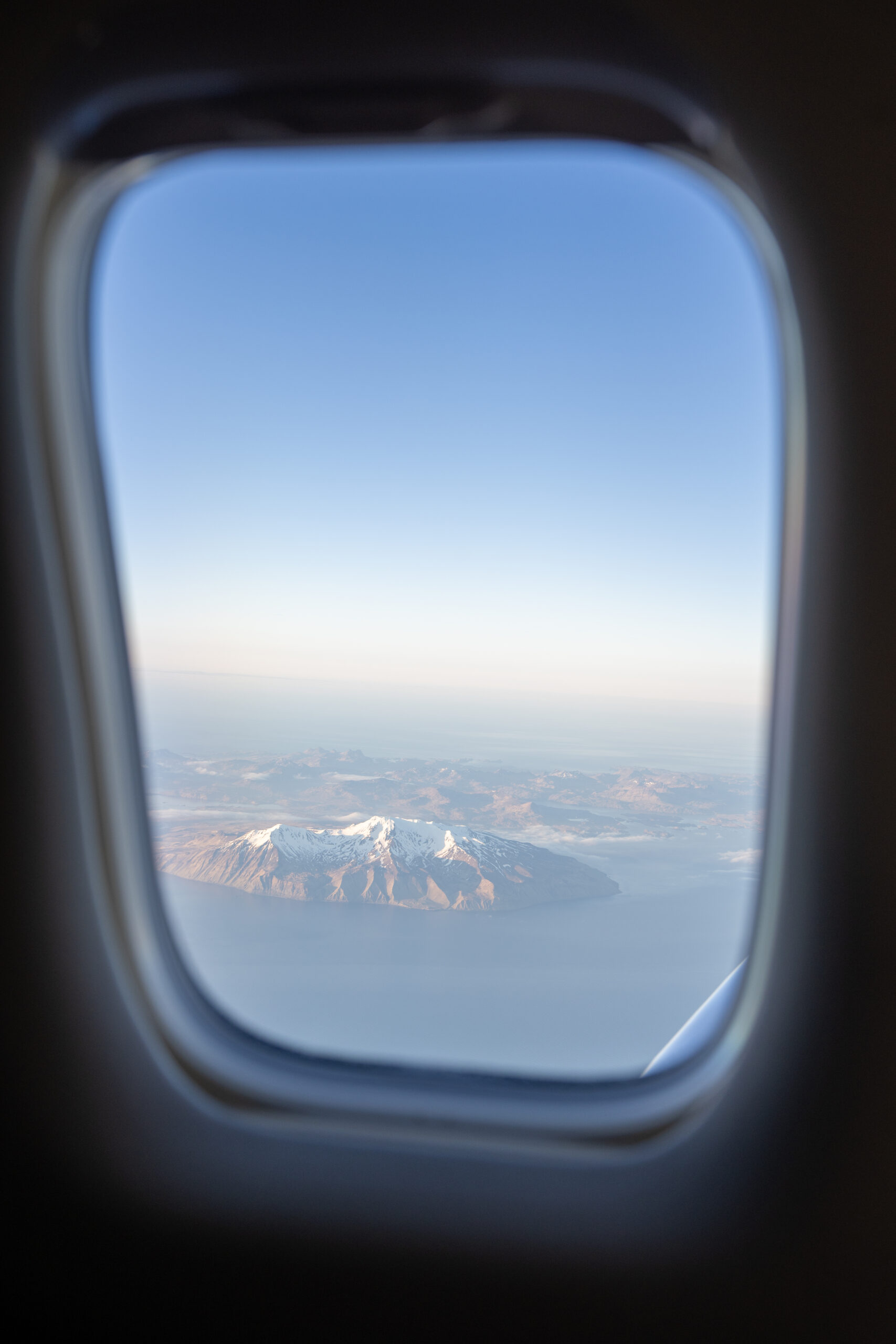
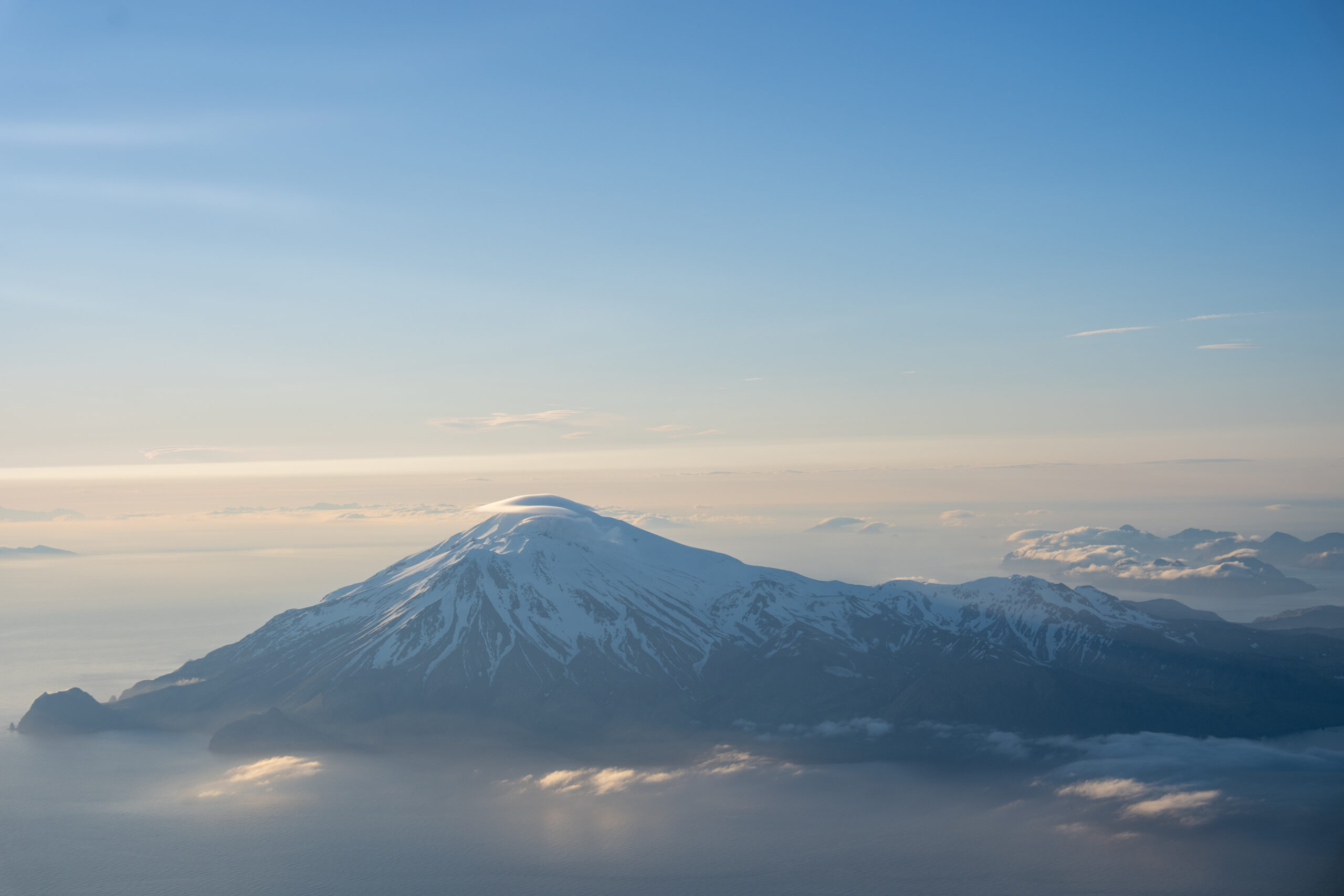
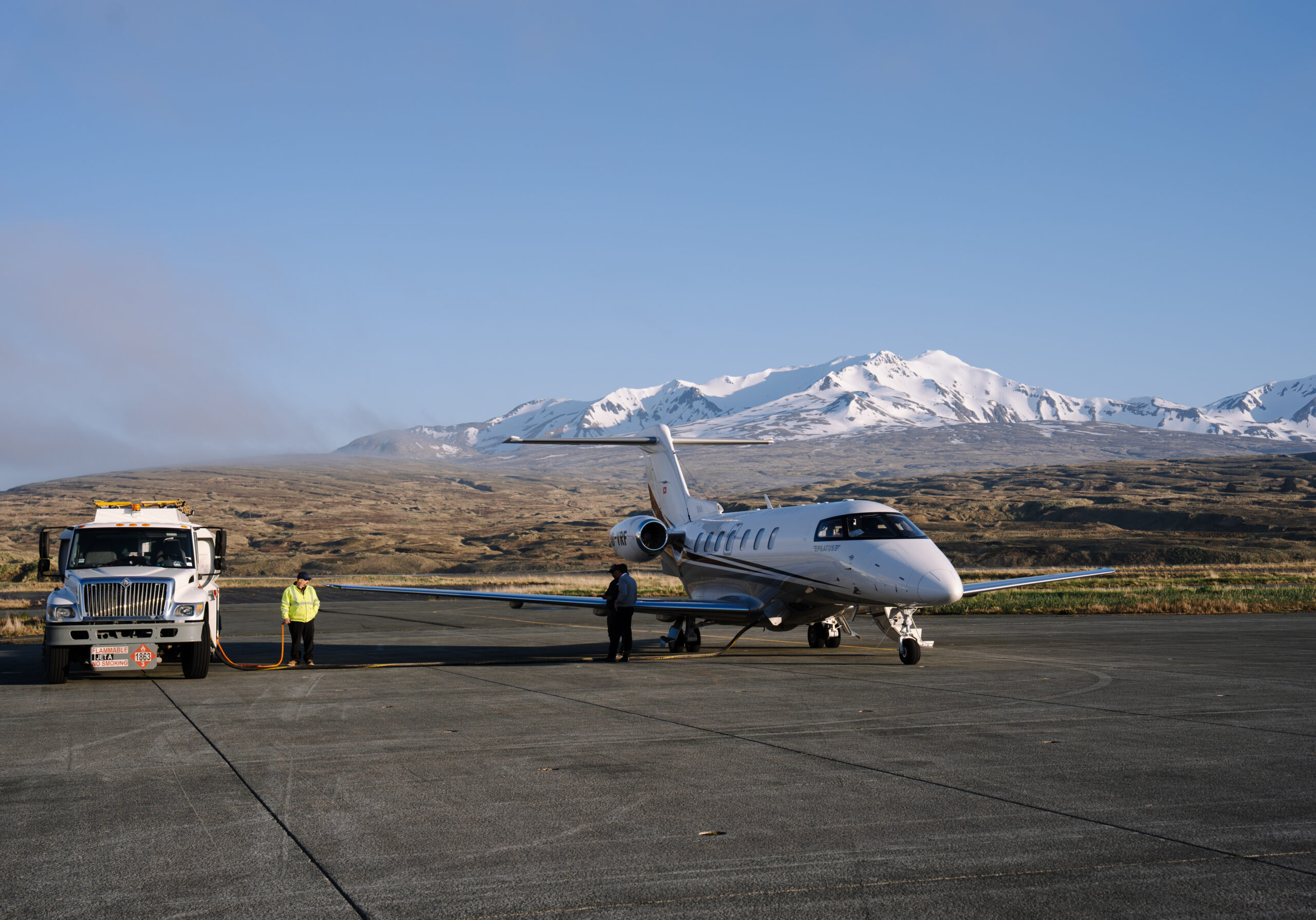
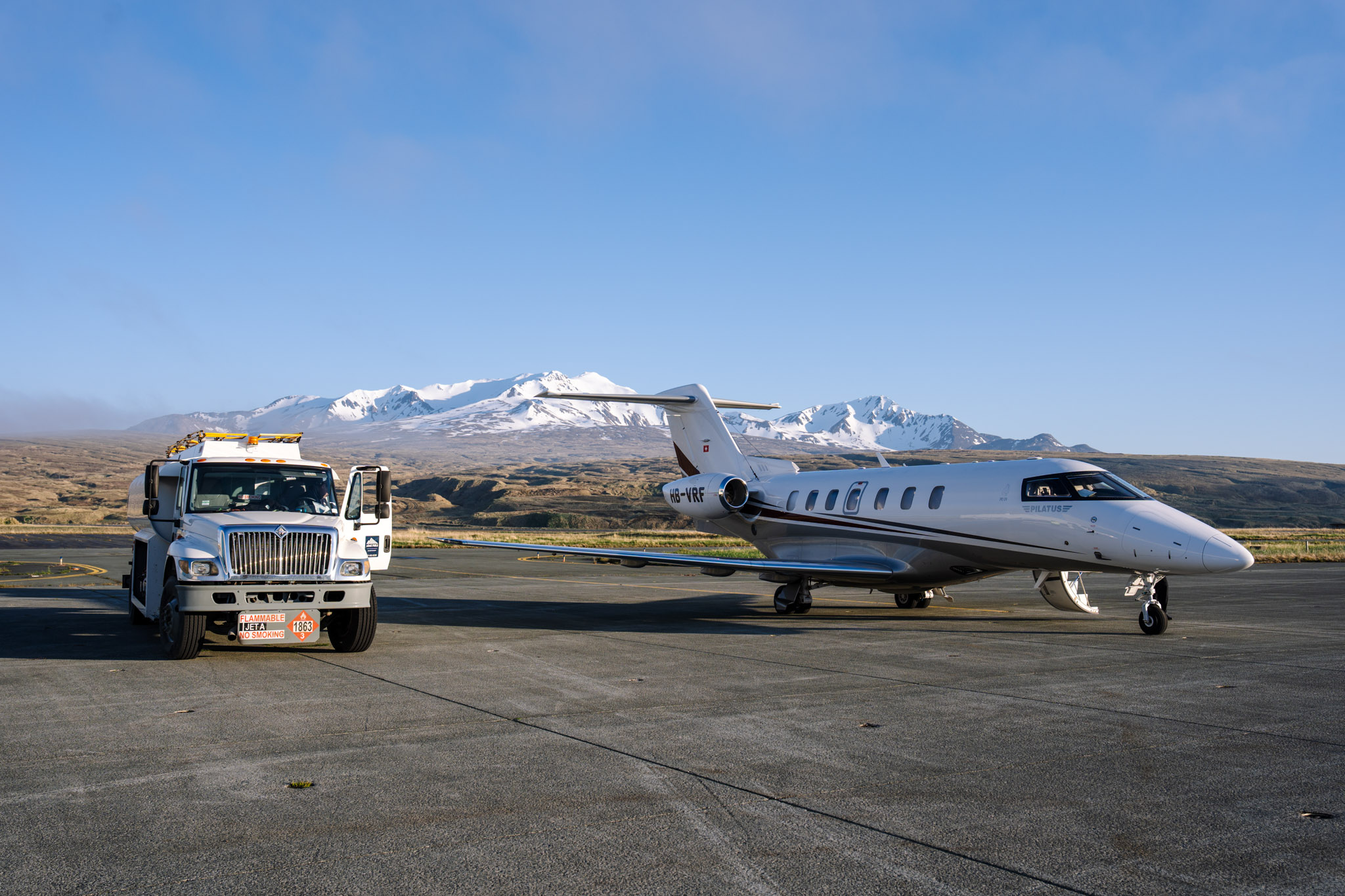
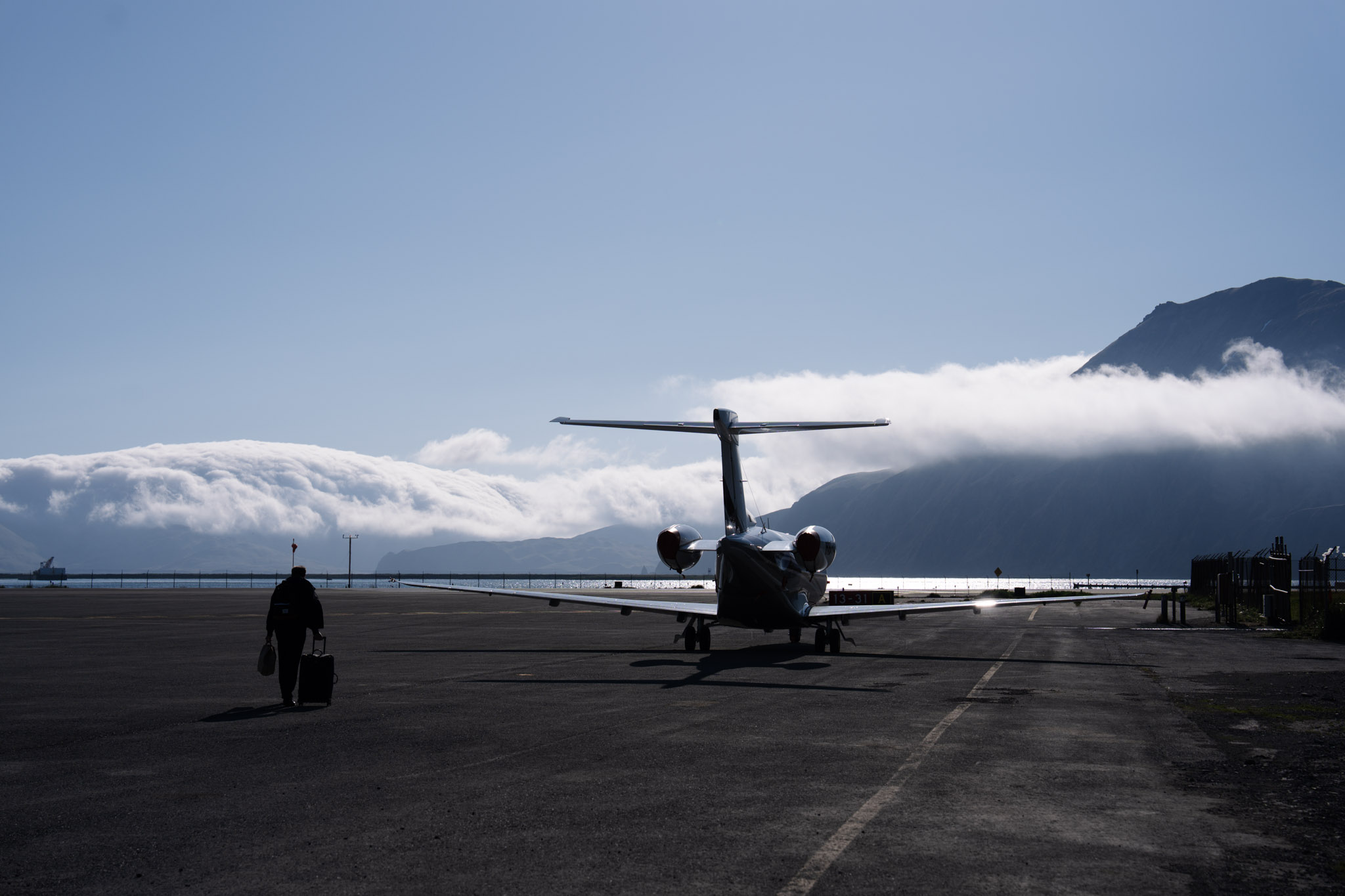
We landed in Adak and were met by Daniel, the German who had talked us into coming. We fueled up and spoke with him for a while. Adak, it turns out, is popular with bird watchers, and that appears to be about the extent of it. When we went to restart the engines, the battery began to drain. The battery which normally runs on 24V, can dip to 17-18V during engine start-up. However, this time it dropped several times below 16V. If it had dropped below 15V, we would’ve had a battery failure, where the plane prevents a restart. Consequently, a mechanic would have had to be flown in, which would surely have ended the trip. Luckily, the engined came to live and we didn’t have to spend the next couple of days bird watching.
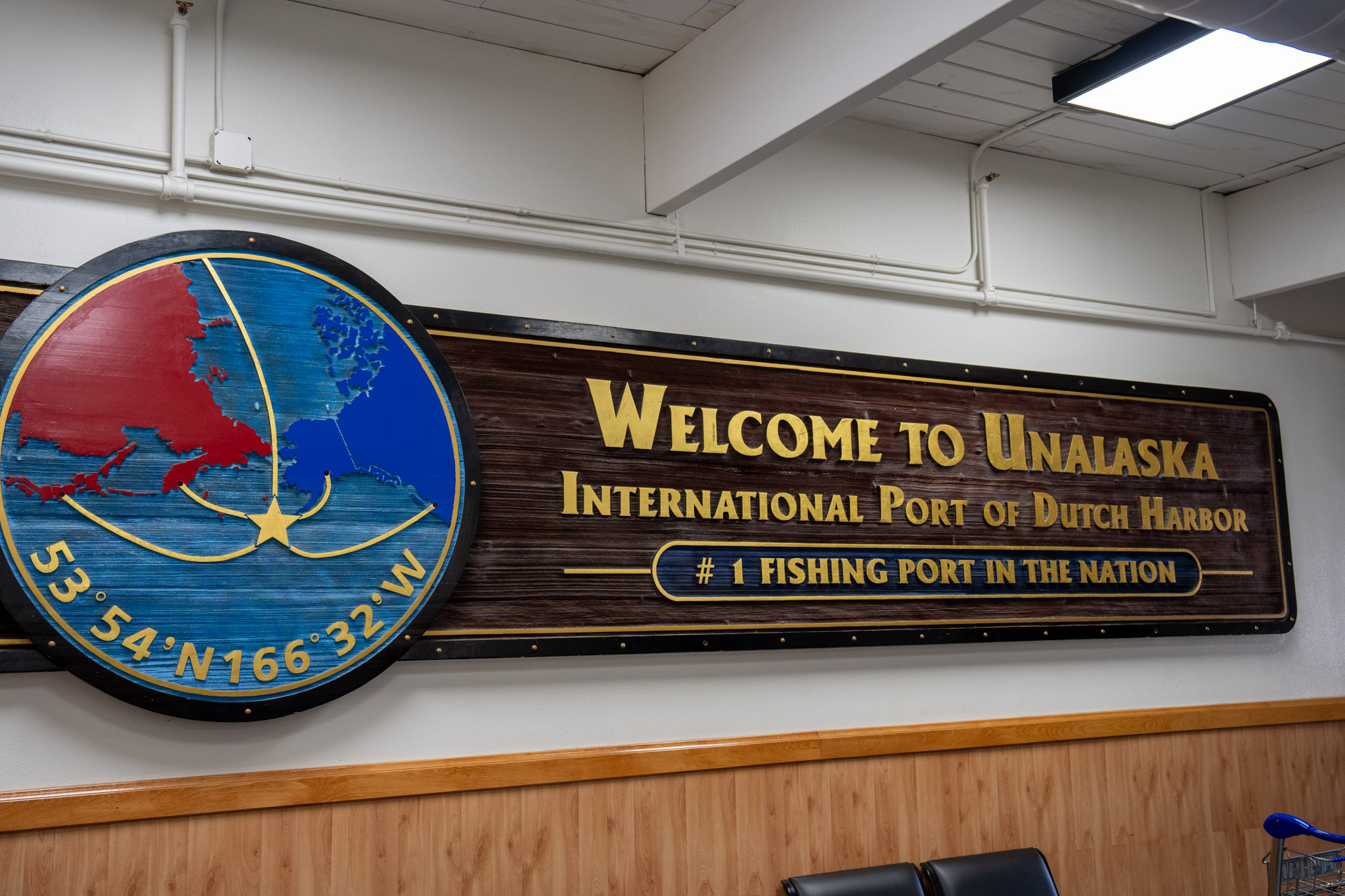
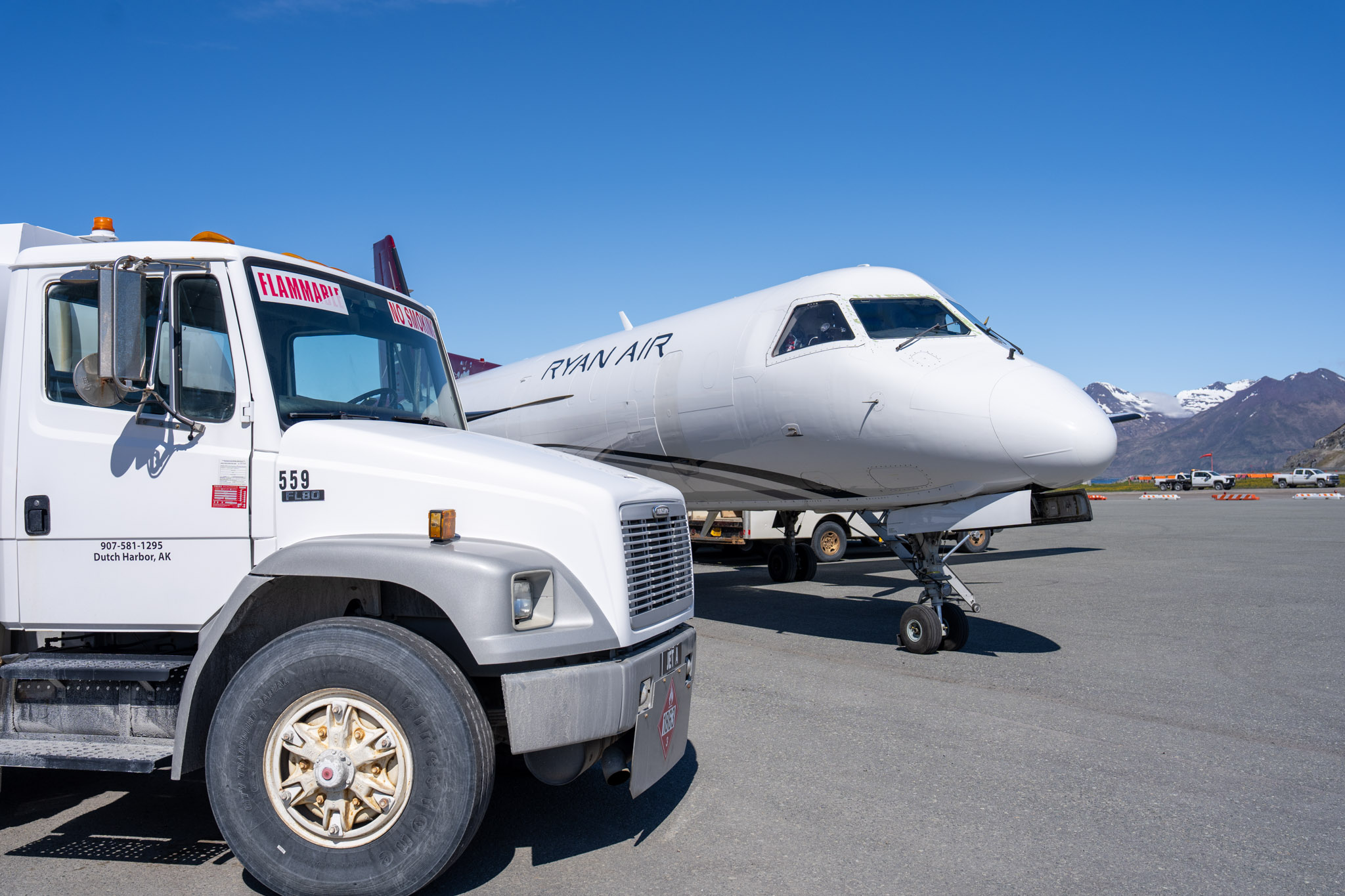
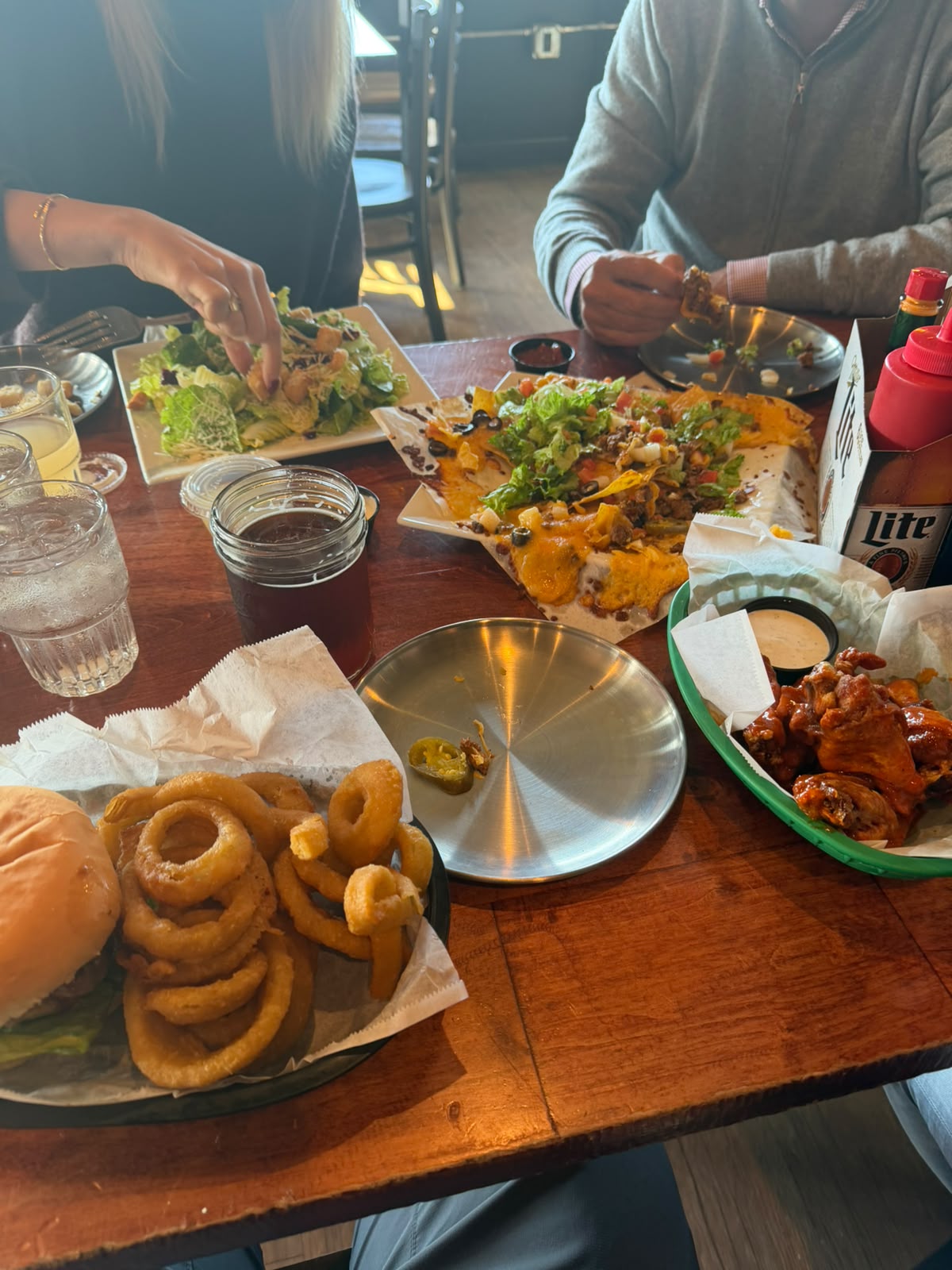
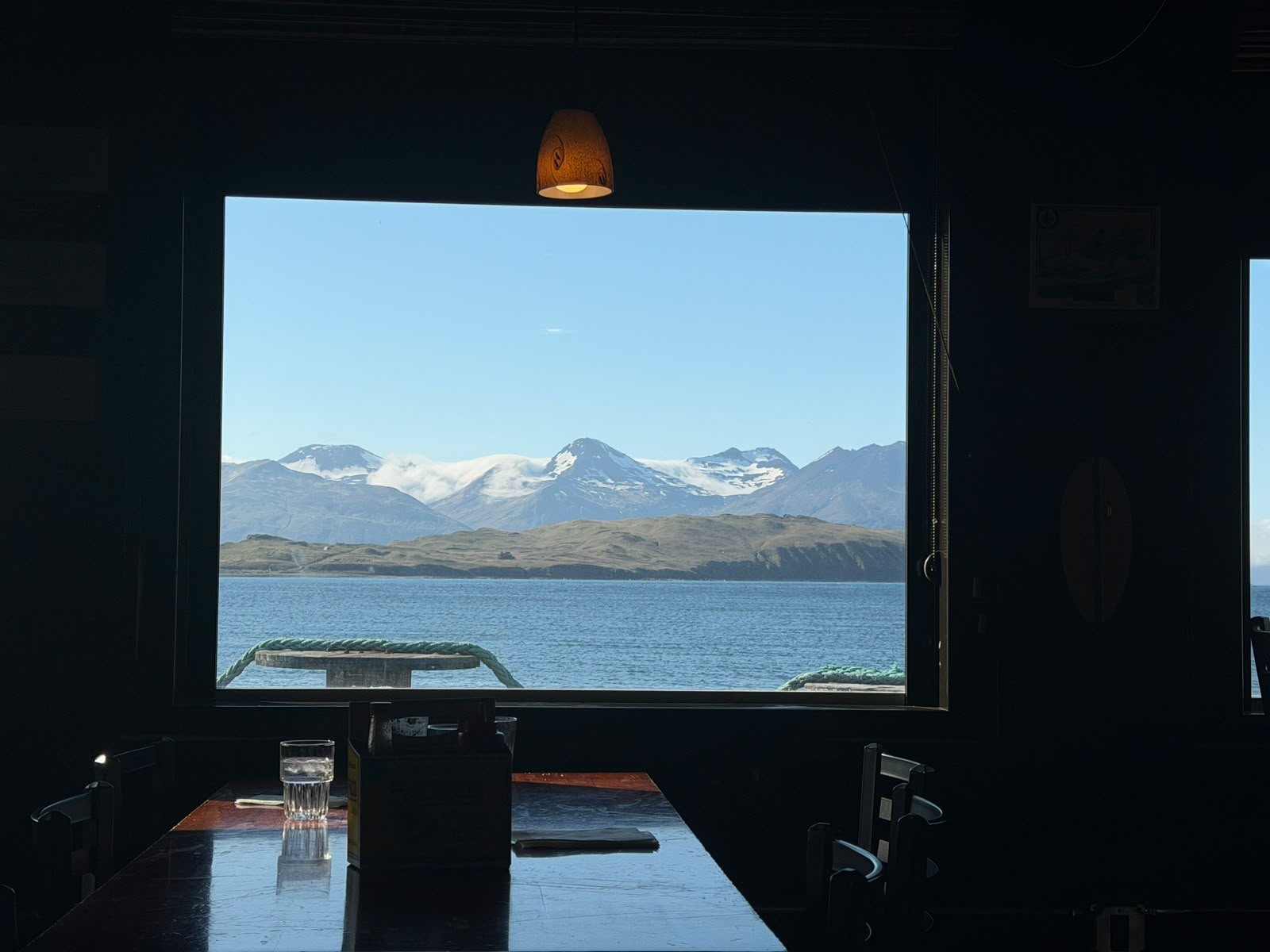
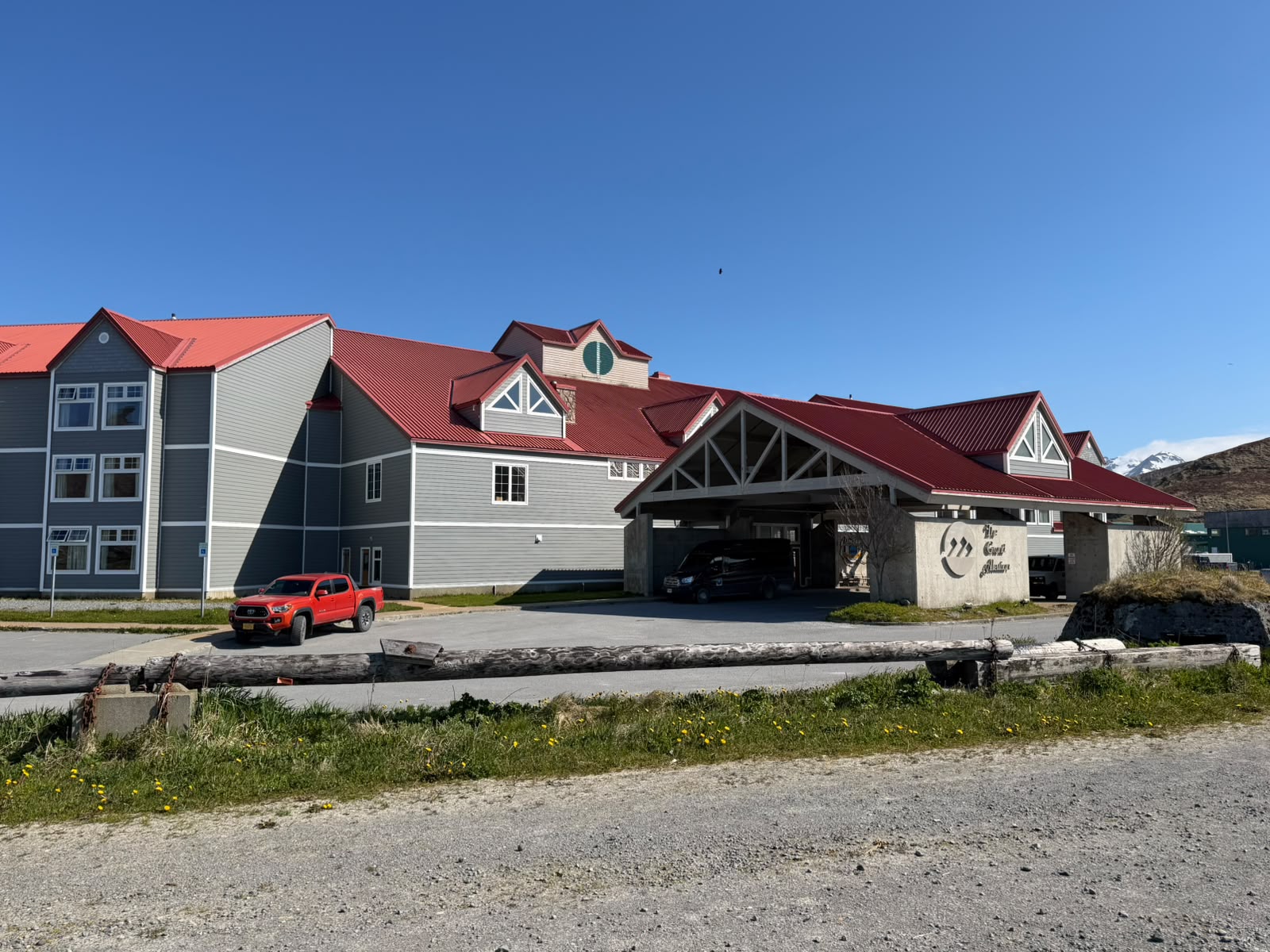
Having arrived safely in Dutch Harbor, Unalaska, we cleared customs and went to the hotel, the Grand Aleutian. It does not live up to its name, and is grand in no sense of the word. There was little to hold our attention in the way of sightseeing, and the time change had left everyone exhausted, so we slept until it was time for dinner at the Norwegian Rat Saloon. The portions were enormous, and the food was a sharp contrast to what we had grown used to in Japan. Still tired, and mindful of the early flight to Fairbanks, we went to bed.
Day Twenty-Three: Unalaska to Fairbanks
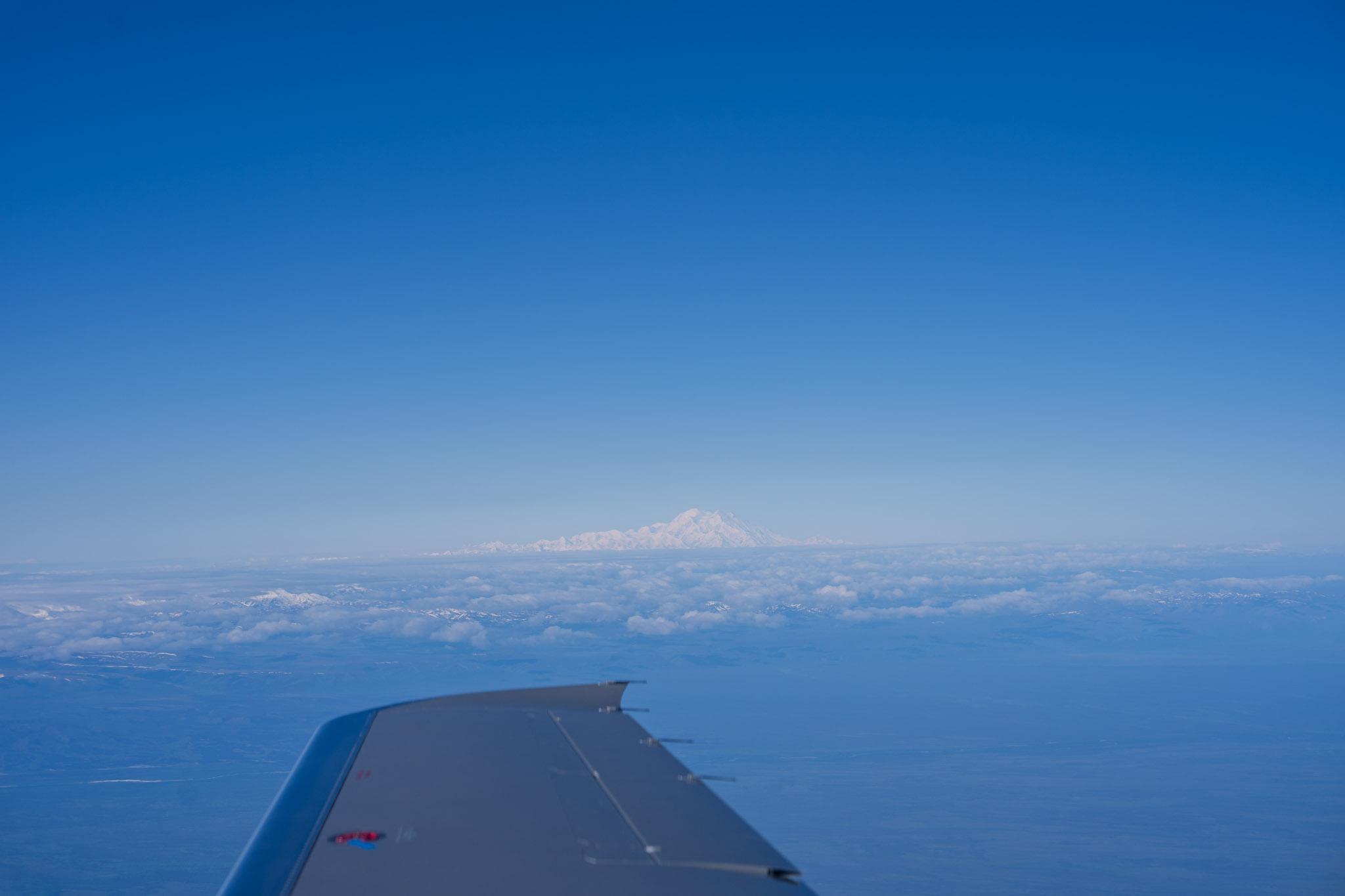
The flight to Fairbanks was uneventful, though it took a while at a little over two hours in the air. We checked in on arrival and spent the afternoon every man for himself. In the evening we went to the Turtle Club, where the portions were once again enormous. Two of us shared a crab combo and were so full by the end of it that neither slept properly.
Day Twenty-Four: Fairbanks
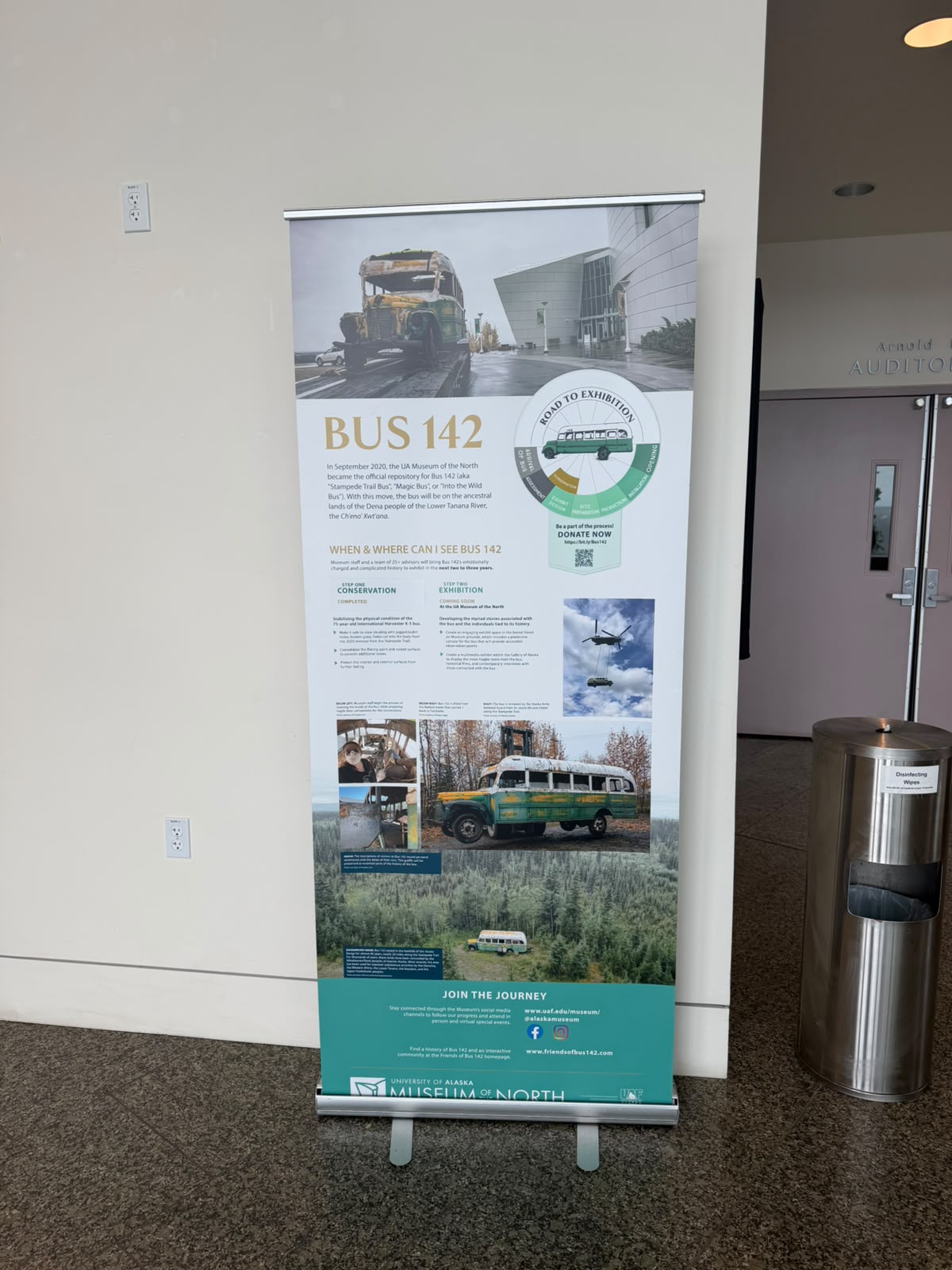
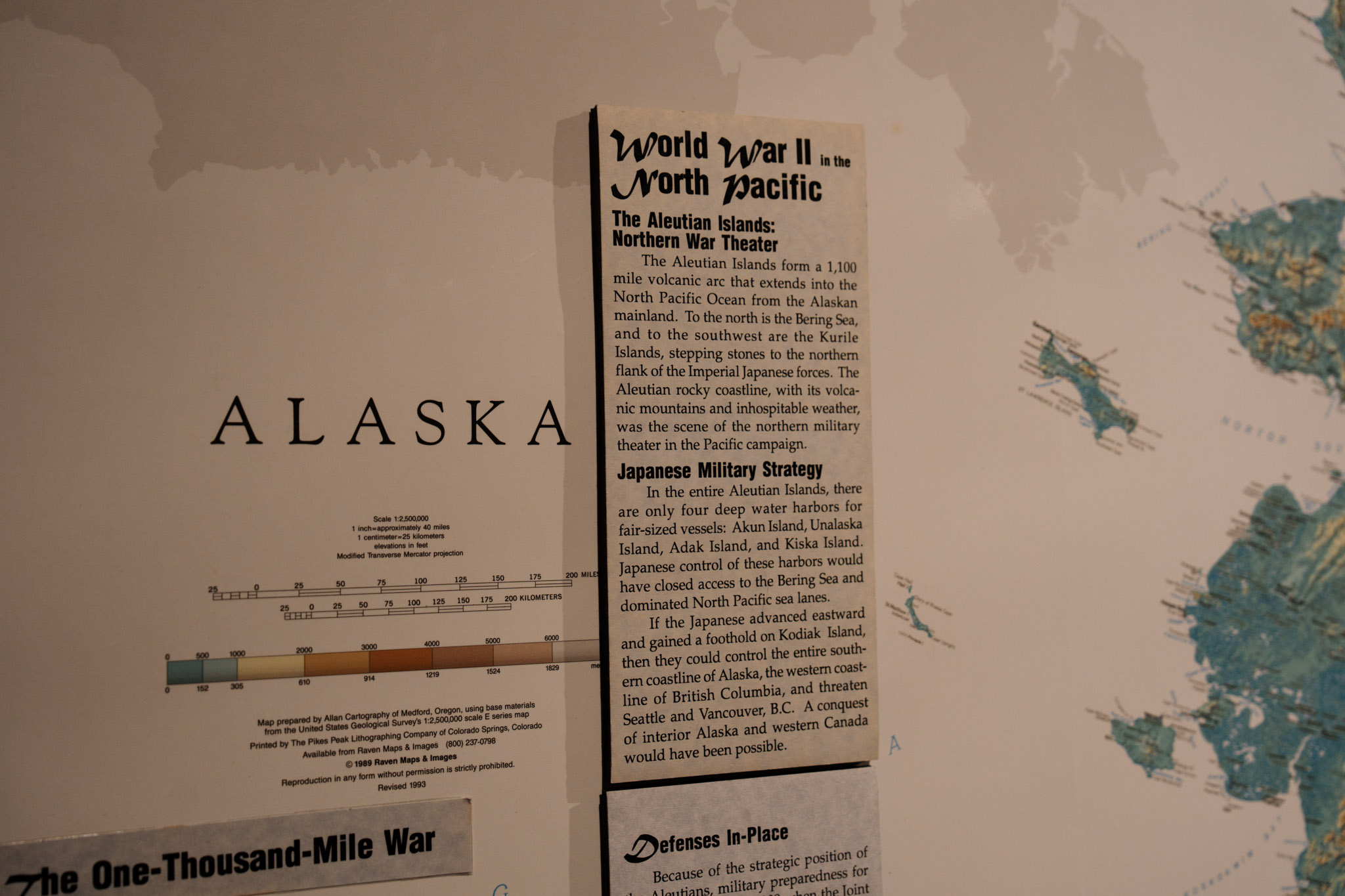
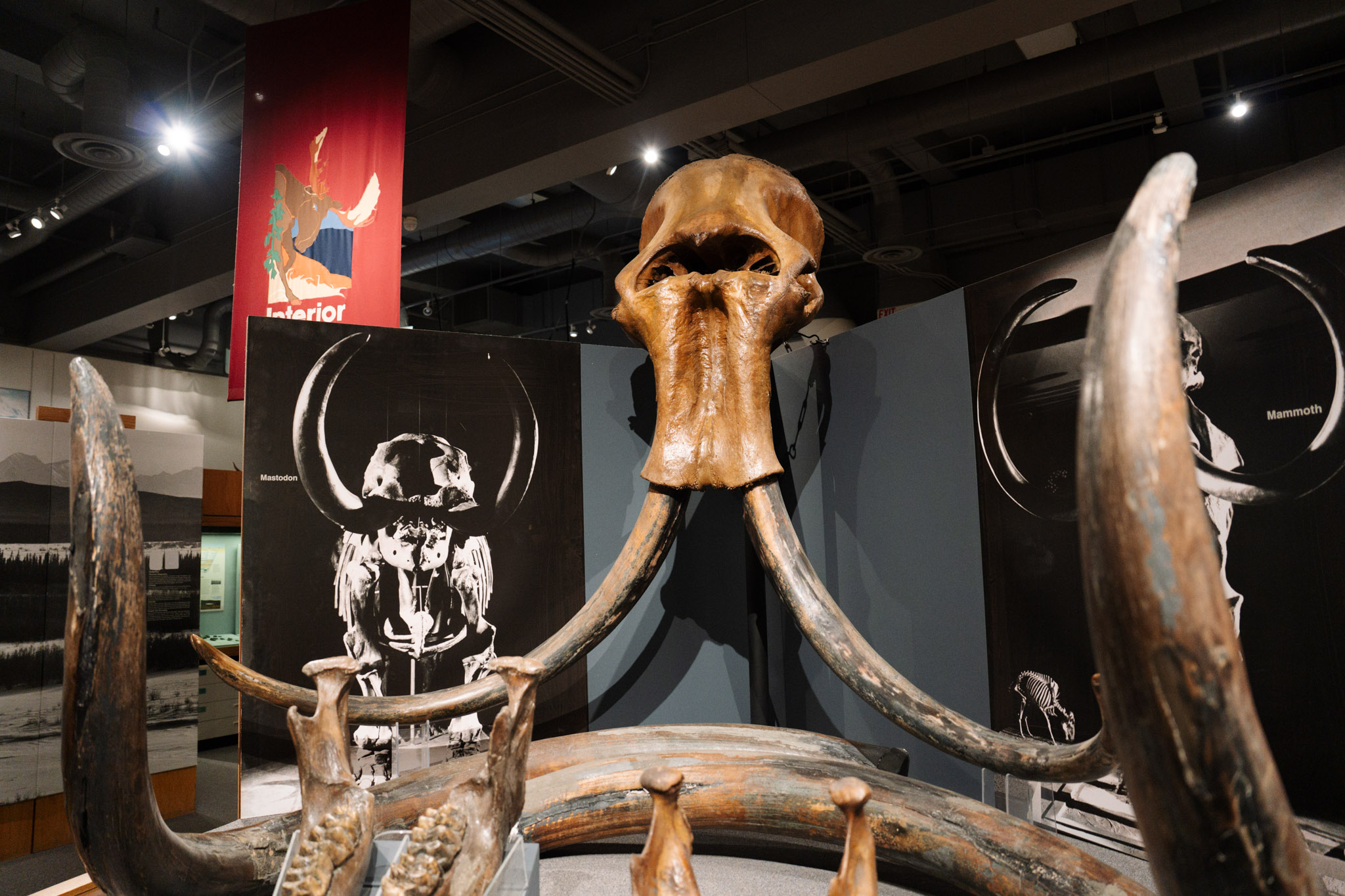
In the morning, we visited the Museum of the North, where we learned about the region’s gold mining history and about the Aleuts and what became of them during the Second World War. We followed it with the planetarium, where a few of the travelers fell asleep. After a quick lunch at a Thai place, since Fairbanks is apparently known for its Thai food, we spent the afternoon resting at the hotel and had dinner at a local spot.
Day Twenty-Five: Fairbanks to Yellowknife
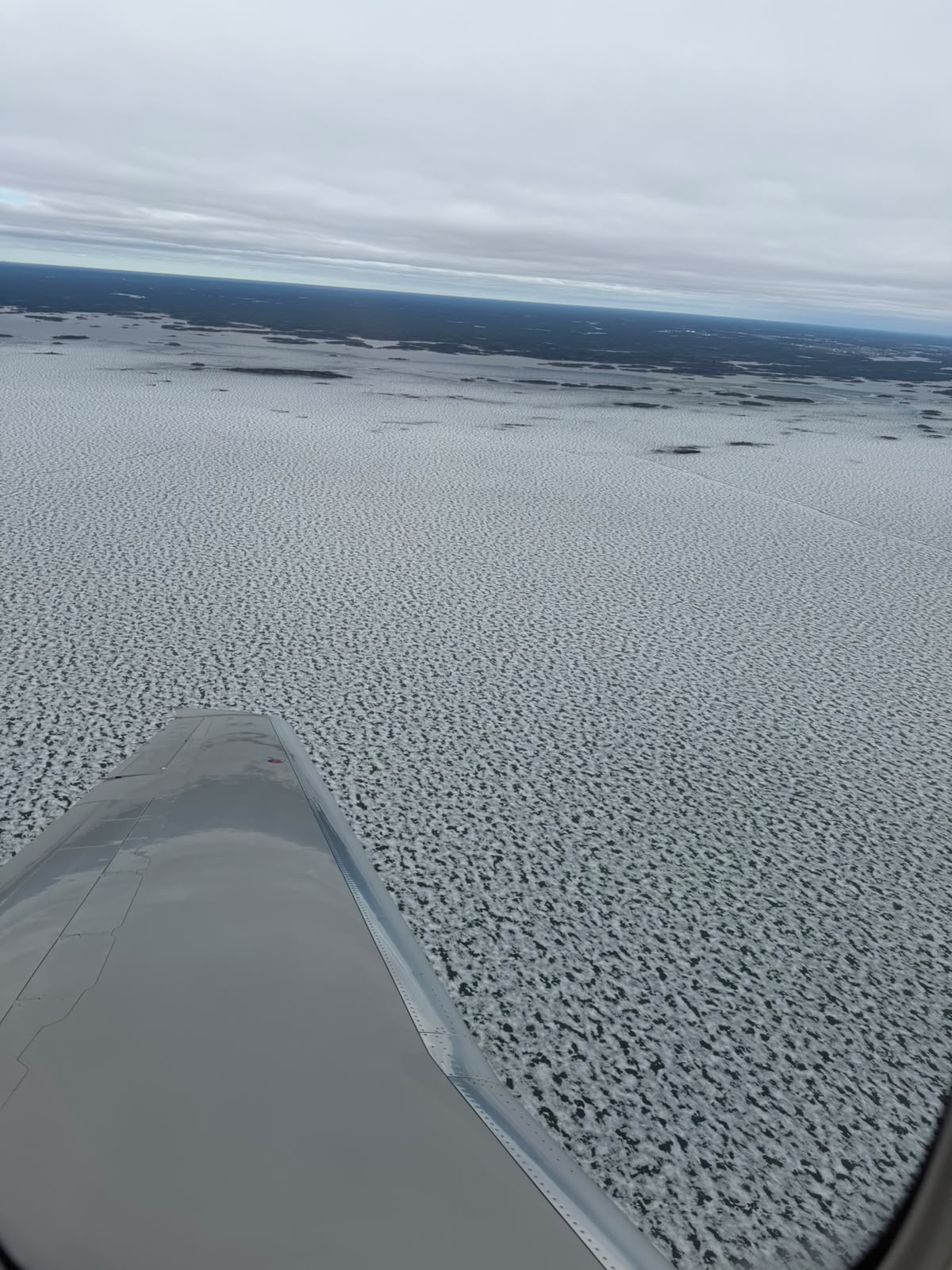
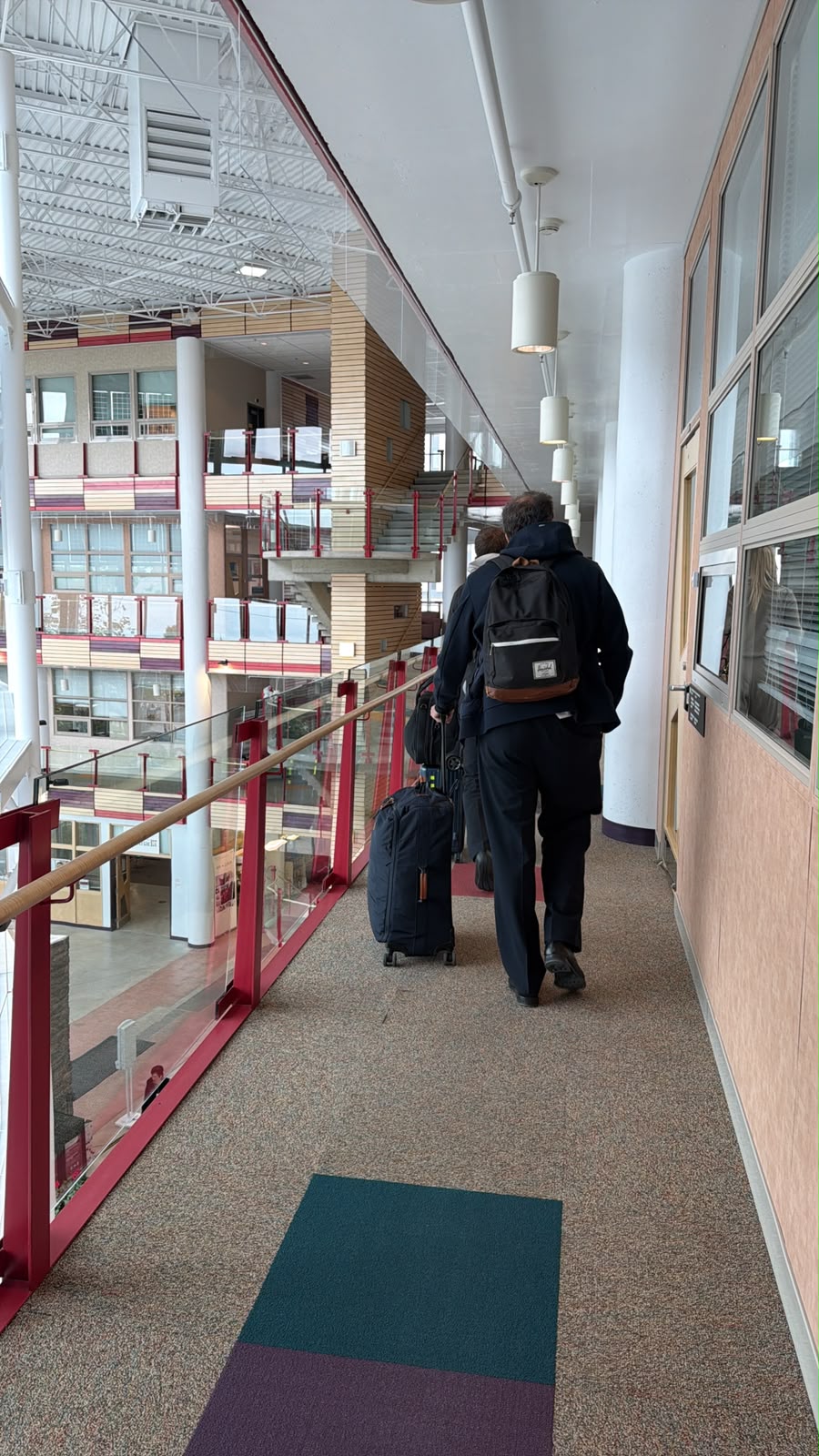
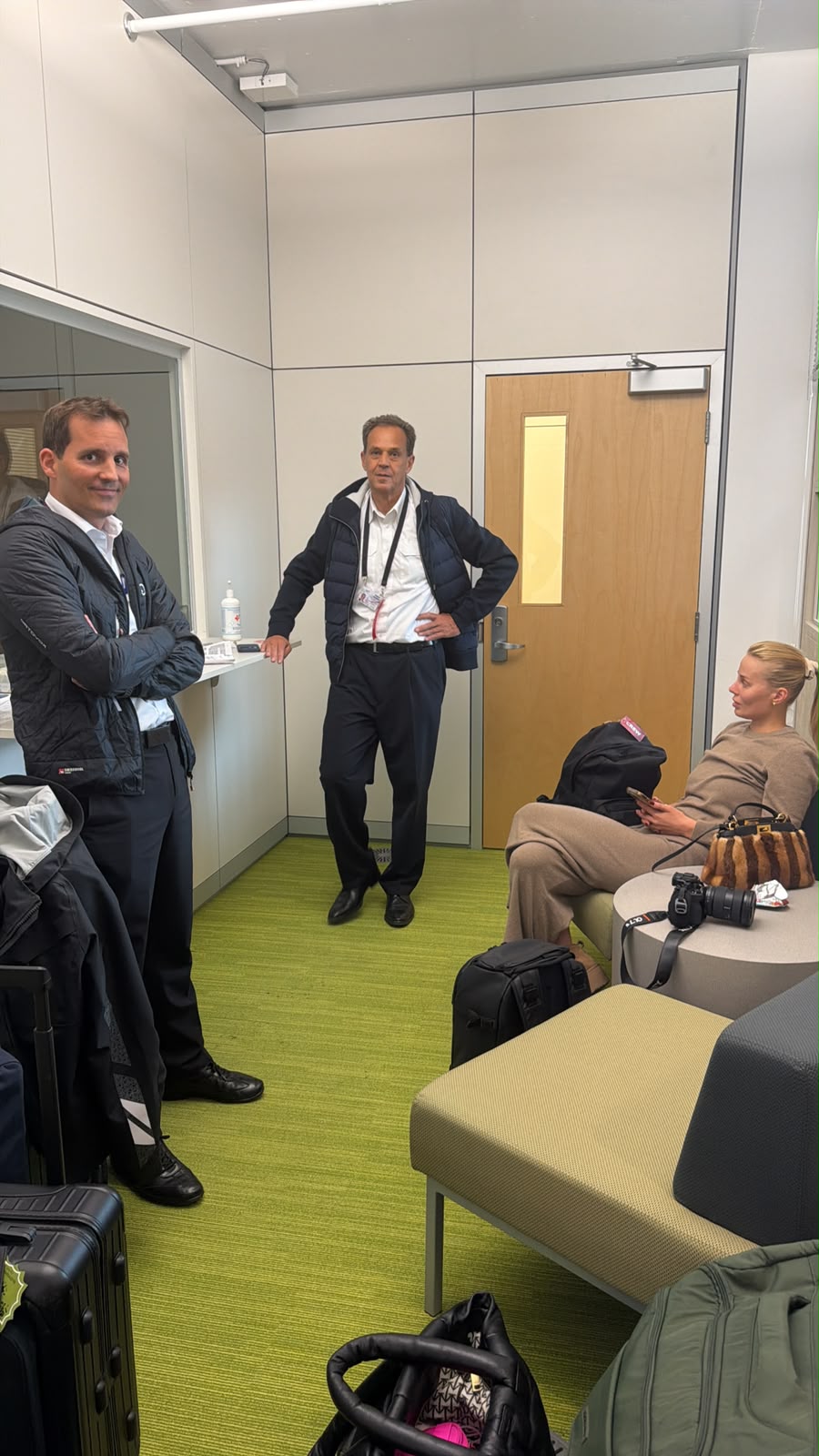
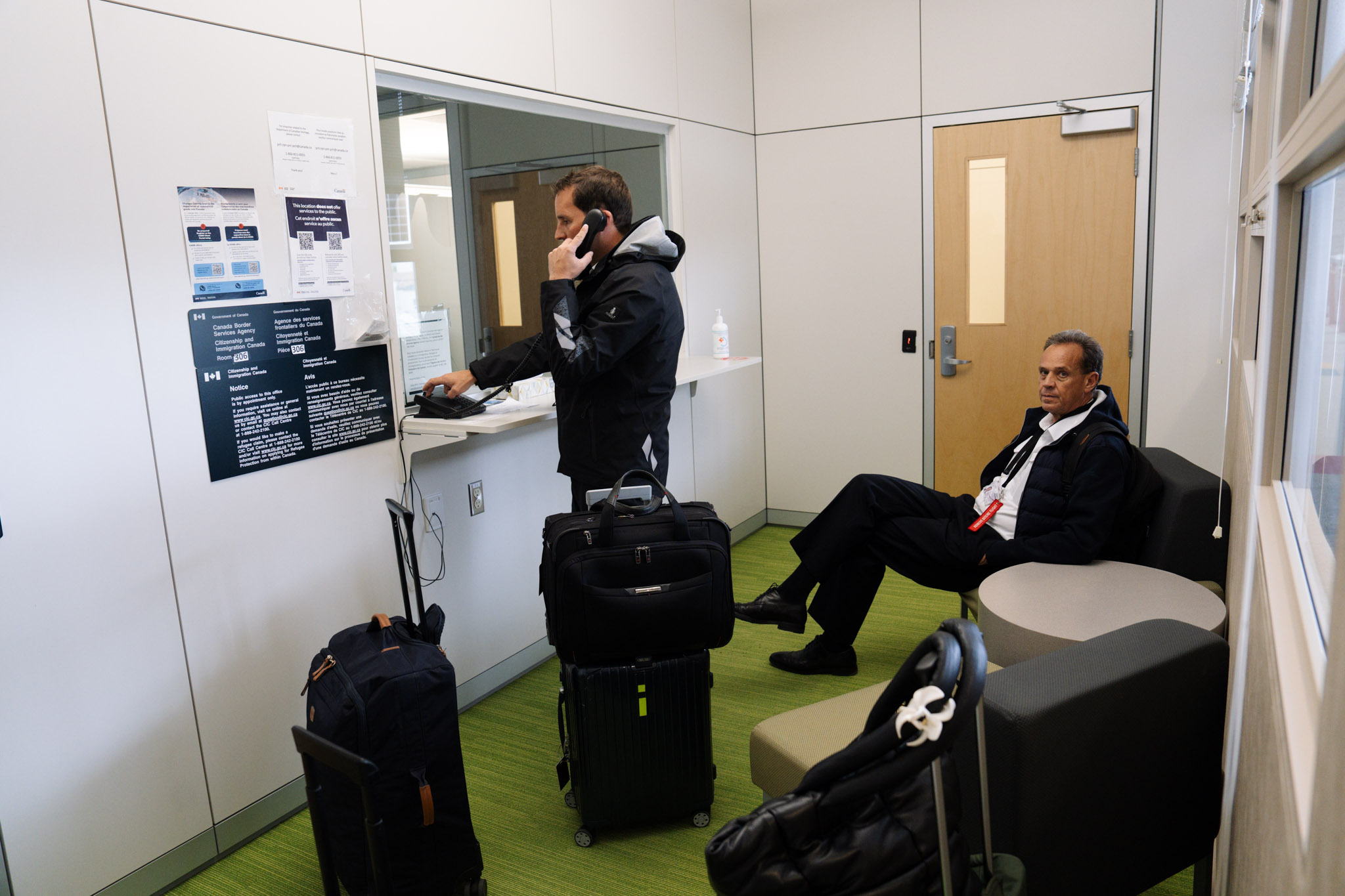
In the morning we flew to Yellowknife, and landing there brought a fresh immigration problem. We were told to take the cash we had on hand out of the plane and bring it to the customs building. What we did not know was that the customs building was not at the airport at all, but on the third floor of an ordinary office block somewhere in Yellowknife. So we now found ourselves having carried cash into the country and needing to declare it. The officer who met us needed a great deal of handholding to understand what the cash was for, which was fuel. After an hour and a half of explaining ourselves and filing the paperwork, including one form that asked to list every country the cash had passed through, we were finally allowed to leave and enjoy the day.
By then it was late afternoon and everyone was worn out from a heavy stretch of travel, so we settled for resting at the hotel, having dinner there, and looking ahead to Greenland the next day. The run from Kushiro to Yellowknife was strenous and sightseeing wise limited, but it was one of the most memorable parts of the trip, especially due to the flying side.
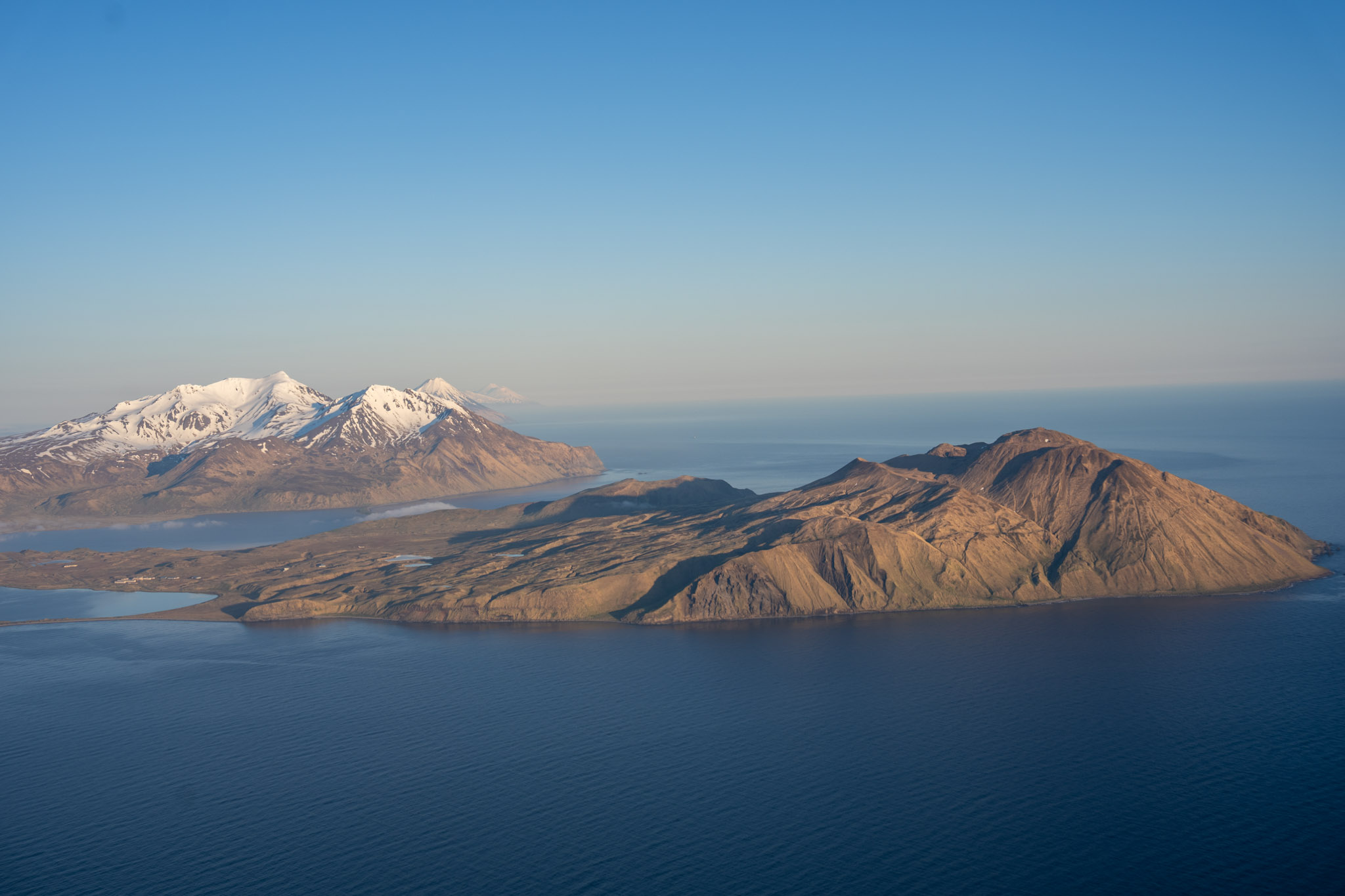
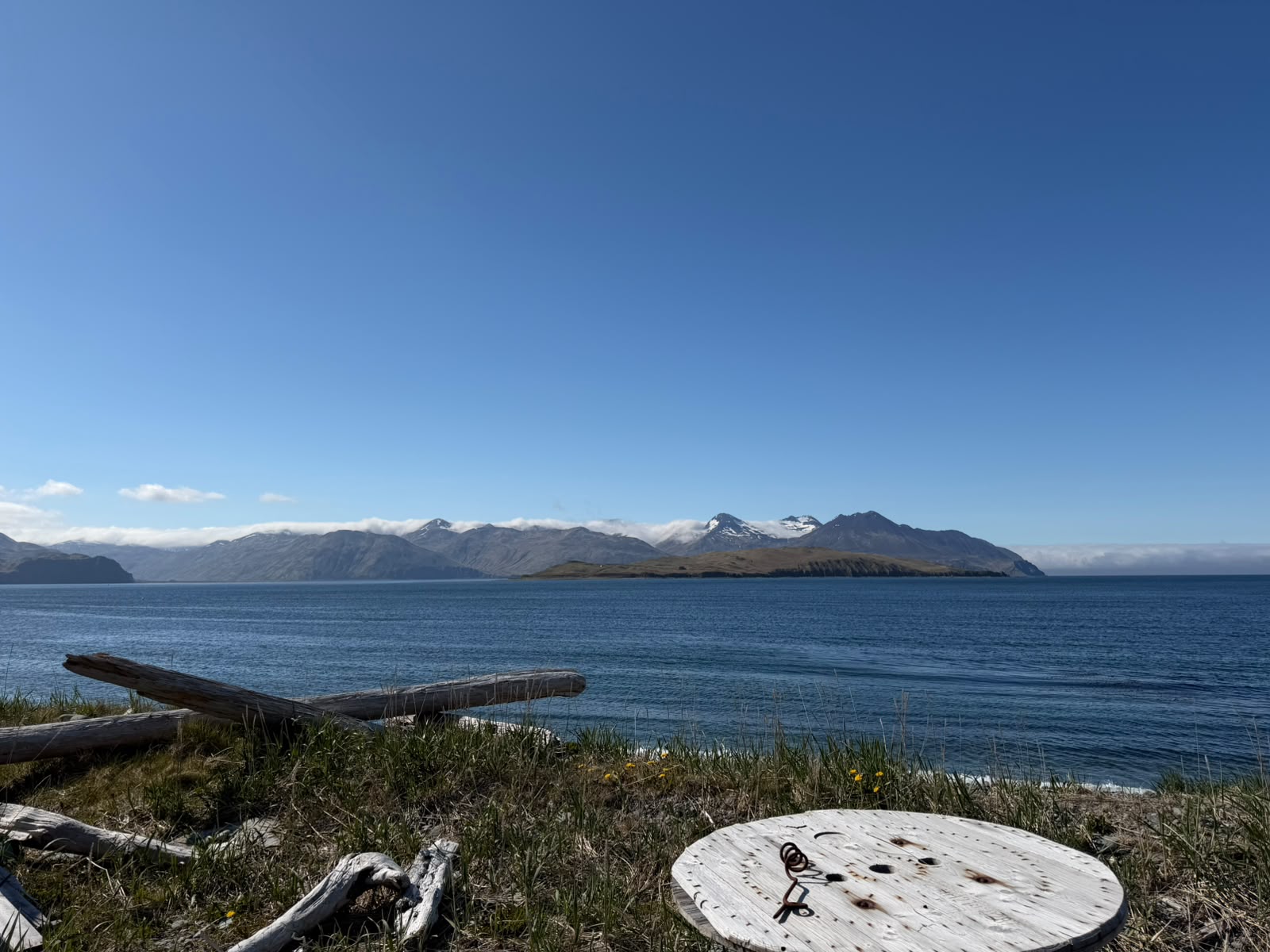
The City of Unalaska is the main population center in the Aleutian Islands. The city is in the Aleutians West Census Area, a regional component of the Unorganized Borough in the U.S. state of Alaska. Unalaska is located on Unalaska Island and neighboring Amaknak Island in the Aleutian Islands off mainland Alaska. The population was 4,254 at the 2020 census, which is 81% of the entire Aleutians West Census Area. Unalaska is the second-largest city in the Unorganized Borough, behind Bethel. The Aleut (Unangan) people have lived on Unalaska Island for thousands of years. The Unangan, who were the first to inhabit the island of Unalaska, named it “Ounalashka”, meaning “near the peninsula”. Wikipedia
The Russian fur trade reached Unalaska when Stepan Glotov and his crew arrived on August 1, 1759. Natives, Russians and their Alaskan Creole descendants comprised most of the community’s population until the mid-20th century, when the involvement of the United States in World War II led to a large-scale influx of people and construction of buildings all along the strategically located Aleutians. Unalaska was occupied by U.S. armed forces during World War II. The build-up began in 1941 and the influx of construction crews and armed forces personnel forever changed the face of the village. On June 3 and 4, 1942, Unalaska was bombed by the Japanese. Shortly thereafter, all Native residents were forced to leave the island and were interned in camps in Southeast Alaska where overcrowding and unsanitary conditions were the norm, and many lives were lost. The City of Unalaska was incorporated in 1942. Wikipedia + 2
Almost all of the community’s port facilities are on Amaknak Island, better known as Dutch Harbor or just “Dutch”. It is the largest fisheries port in the U.S. by volume caught. It includes Dutch Harbor Naval Operating Base and Fort Mears, U.S. Army, a U.S. National Historic Landmark. Dutch Harbor lies within the city limits of Unalaska and is connected to Unalaska by a bridge. Beginning in the 1950s, Unalaska became a center of the Alaskan king crab fishing industry; by 1978, it was the largest fishing port in the United States. A 1982 crash in king crab harvests decimated the industry, and the mid-1980s saw a transition to bottom fishing. As in all of the Aleutian islands in the south of Akutan Island the climate of Unalaska is subpolar oceanic, with moderate and fairly uniform temperatures and heavy precipitation. Winters are consistently cold, but relatively mild in comparison to other parts of the state. Summers are cool, with most afternoons only reaching highs of 54 °F to 70 °F. Fog is often present even when it is not raining. Wikipedia + 2
Reference: Wikipedia.org under https://en.wikipedia.org/wiki/Unalaska,_Alaska
Alaska is a non-contiguous U.S. state located in the northwestern regions of North America. Part of the Western United States region, it is one of the two non-contiguous U.S. states, alongside Hawaii. Alaska is considered to be the northernmost, westernmost, and, longitudinally, the easternmost state in the United States. It is a semi-exclave of the U.S., bordering the Canadian territory of Yukon and the province of British Columbia to the east. It shares a western maritime border in the Bering Strait with Russia’s Chukotka Autonomous Okrug, and is closer to another continent (Asia) than any other U.S. state. The Chukchi and Beaufort Seas of the Arctic Ocean lie to the north, and the Pacific Ocean to the south. Alaska is the largest U.S. state by area. With a population of 740,133 in 2024, it is the third-least populous and most sparsely populated state in the U.S. Alaska contains the four largest cities in the United States by area, including the state capital, Juneau. However, Alaska’s most populous city is Anchorage, and approximately half the state’s residents live within its metropolitan area. Wikipedia
Indigenous people have lived in Alaska for thousands of years, and it is widely believed that the region served as the entry point for the initial settlement of the Americas by way of the Bering land bridge. The Russian Empire was the first to actively colonize the area beginning in the 18th century, eventually establishing Russian America, which spanned most of the current state and promoted and maintained a native Alaskan Creole population. The expense and logistical difficulty of maintaining this distant possession prompted its sale to the U.S. in 1867 for US$7.2 million. The area went through several administrative changes before becoming organized as a territory on May 11, 1912. It was admitted as the 49th state of the U.S. on January 3, 1959. The name “Alaska” derives from the Aleut word Alaxsxaq, meaning “mainland” or “continent” (literally, “the object toward which the action of the sea is directed”). While initially used to refer solely to the Alaska Peninsula, the name eventually broadened to represent the entirety of Alaska. Wikipedia + 2
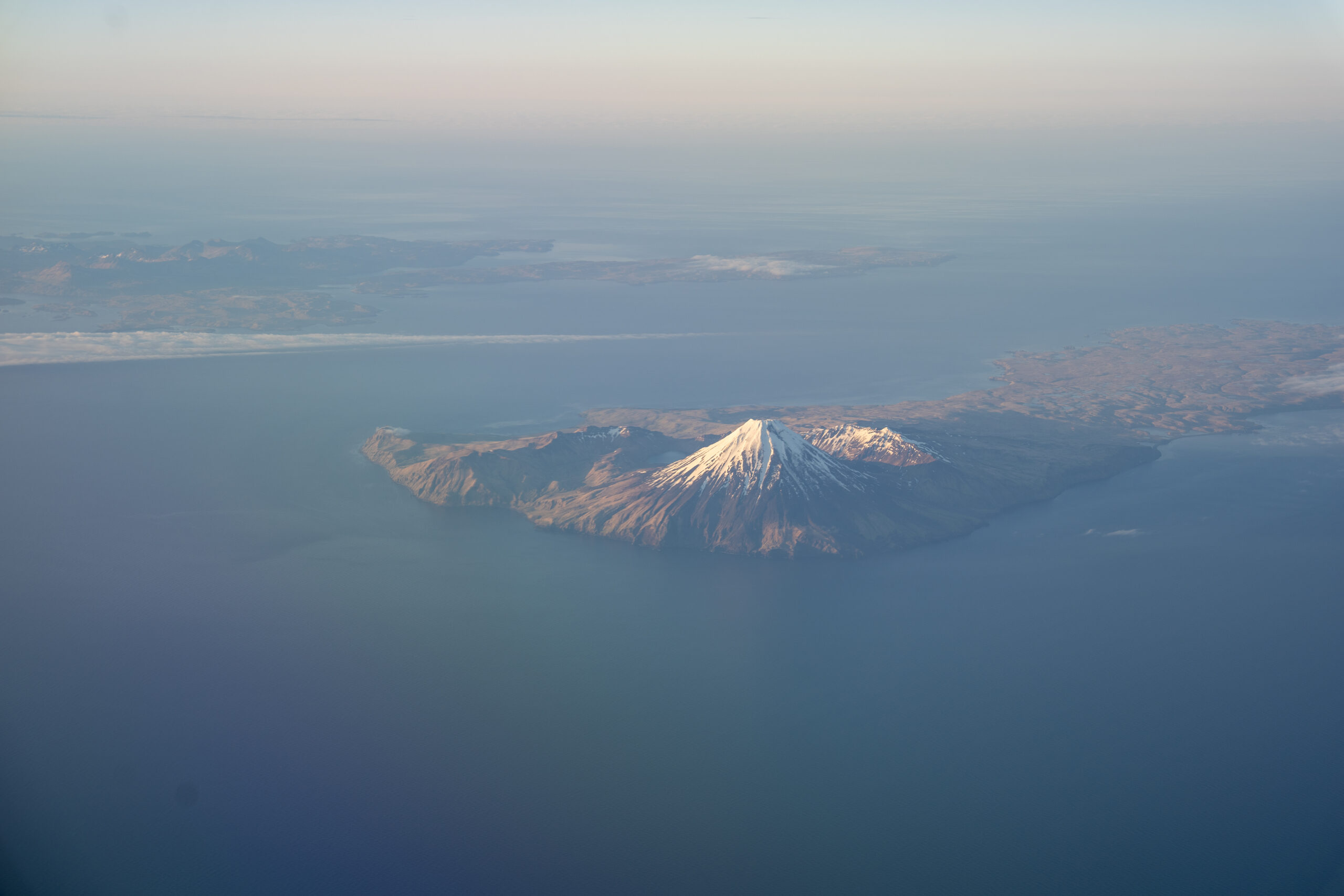
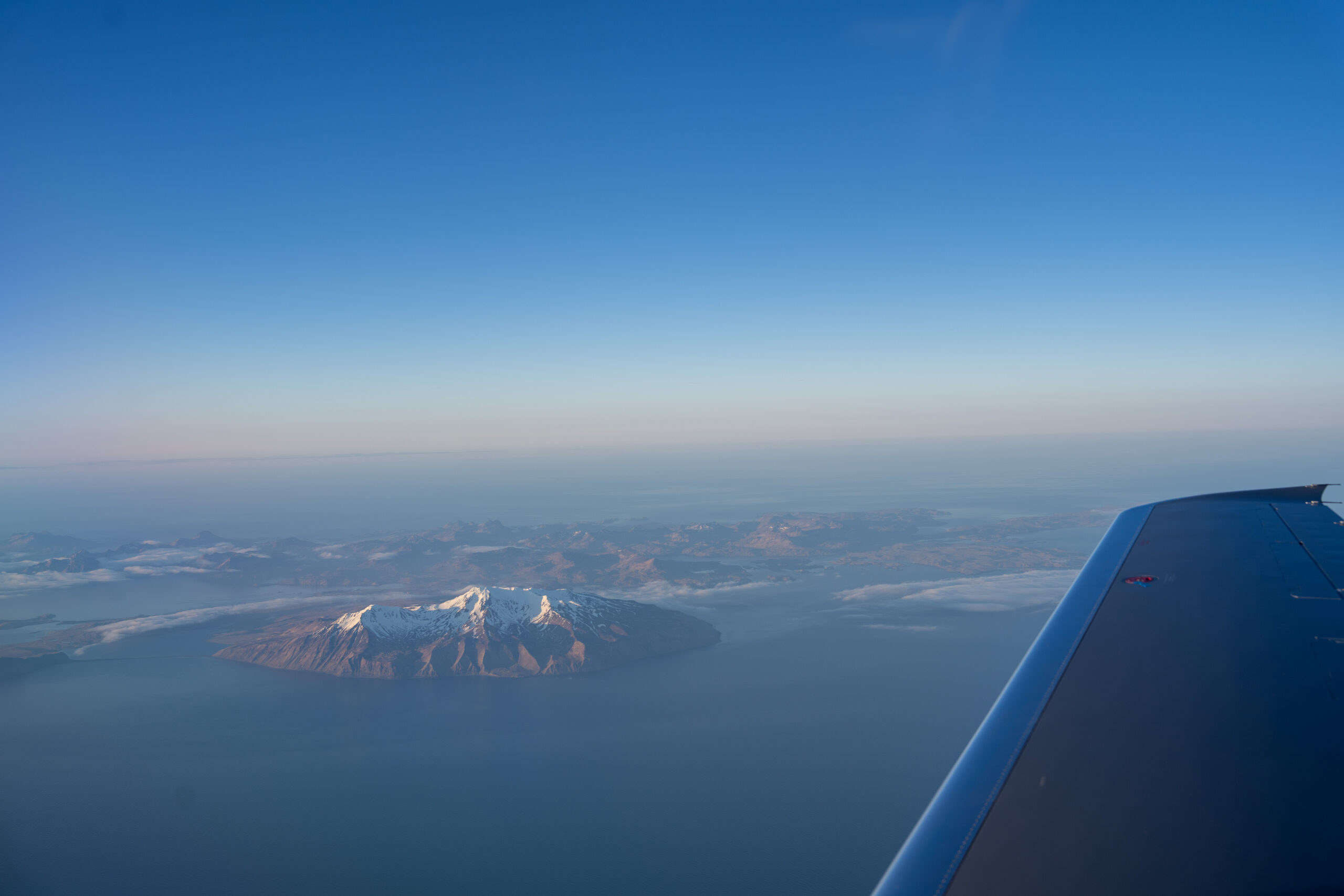
An abundance of natural resources—including commercial fishing and the extraction of natural gas and oil—has enabled Alaska to have one of the highest per capita incomes in the United States, despite having one of the smallest economies. U.S. Armed Forces bases and tourism also contribute to the economy; more than half of Alaska is federally owned, containing national forests, national parks, and wildlife refuges. Alaska is central to the great circle route connecting North America with Asia by sea and air and is equidistant from most of Asia and Europe. That central location has made Alaska militarily significant since the Japanese invasion of the Aleutians in 1942 during World War II. Nearly one-third of the state lies within the Arctic Circle, and about four-fifths of Alaska is underlain by permafrost. Tundra makes up about half of the state’s surface area. Rimming the state on the south is one of Earth’s most active earthquake belts, the circum-Pacific seismic belt. Alaska has more than 130 active volcanoes, most of which are on the Aleutian Islands and the adjacent Alaska Peninsula. Wikipedia + 2
Reference: Wikipedia.org under https://en.wikipedia.org/wiki/Alaska