
Day Twenty-Six: Yellowknife to Nuuk
We left Yellowknife early in the morning, which was the default setting for the trip, but due to the constant time changes had become quite tiresome. The flight to Nuuk was around four and a half hours, and somewhere over the Labrador Sea we quietly handed back five hours to the clock. Nuuk sits five hours ahead of Yellowknife in summer, a detail nobody fully appreciated until we landed and the afternoon had mysteriously vanished.
Arrival formalities, fuel, and the usual ground business took their time, after which we drove into Nuuk and checked into the Hotel Hans Egede. Everybody was tired in the particular way that only time zones can produce, and we had little ambitions for the evening. The hotel happened to have a steakhouse, which solved the question of dinner without anyone having to form an opinion, and shortly after that the day was declared over and everyone went to sleep.
Day Twenty-Seven: Nuuk & Ilulissat
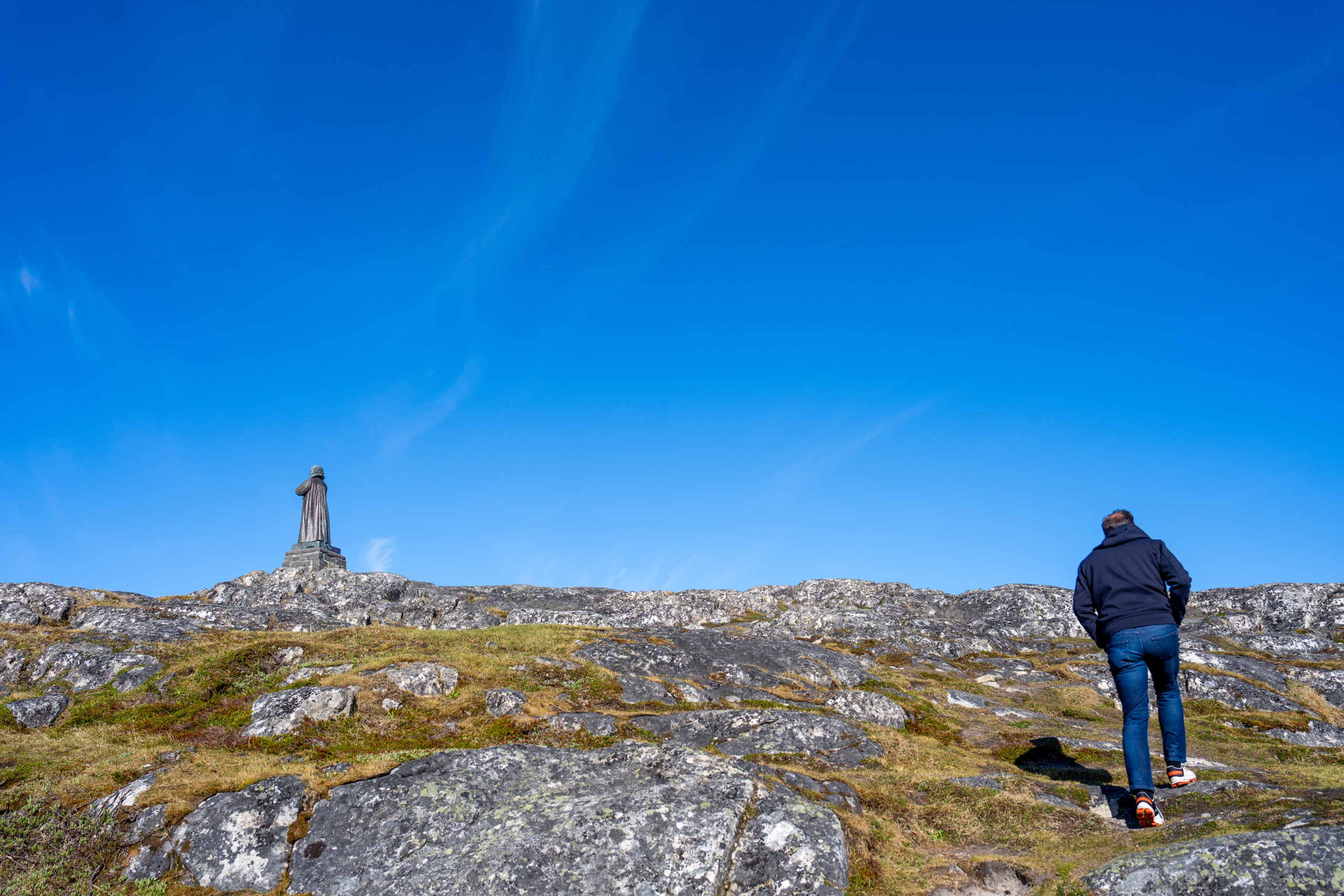
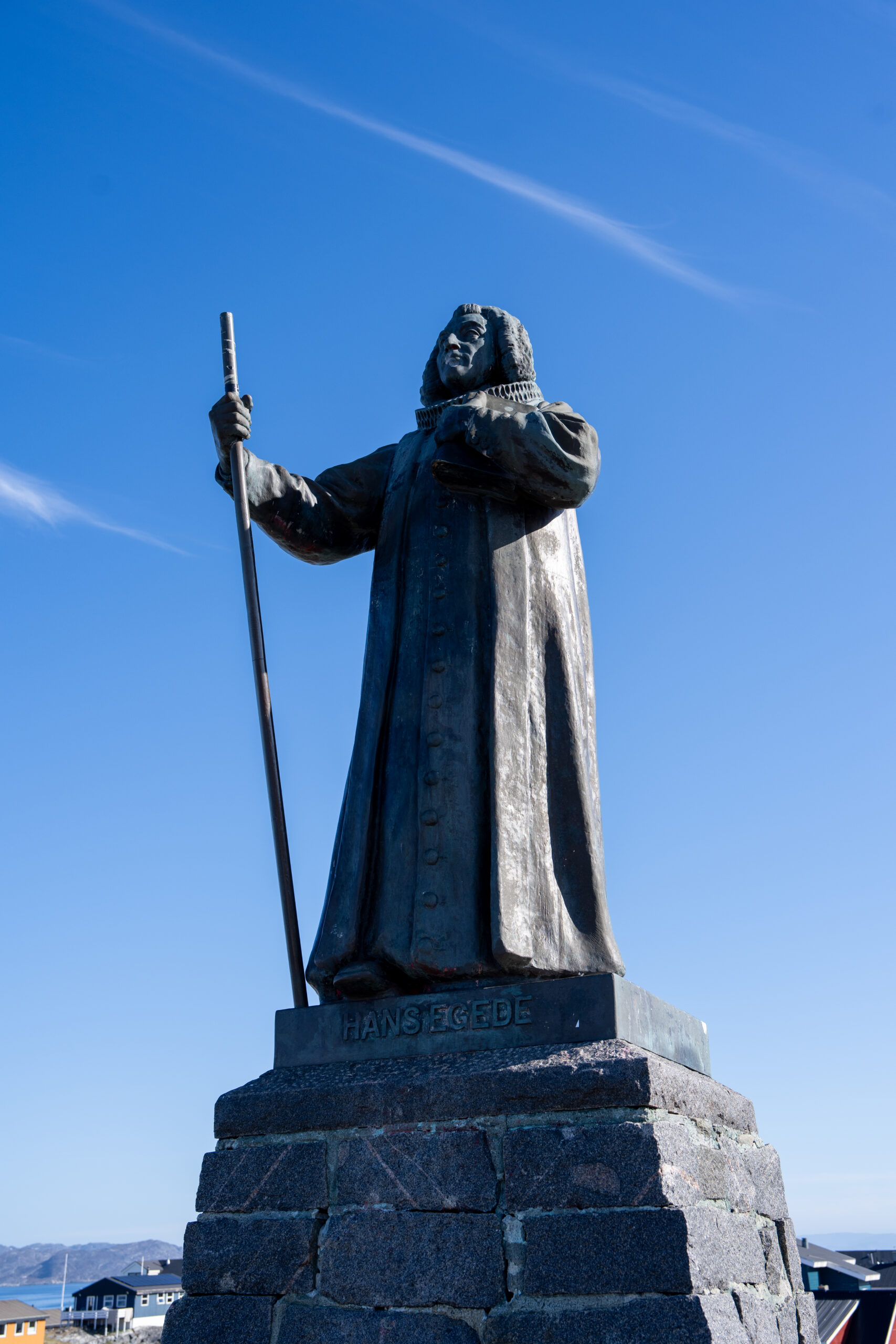
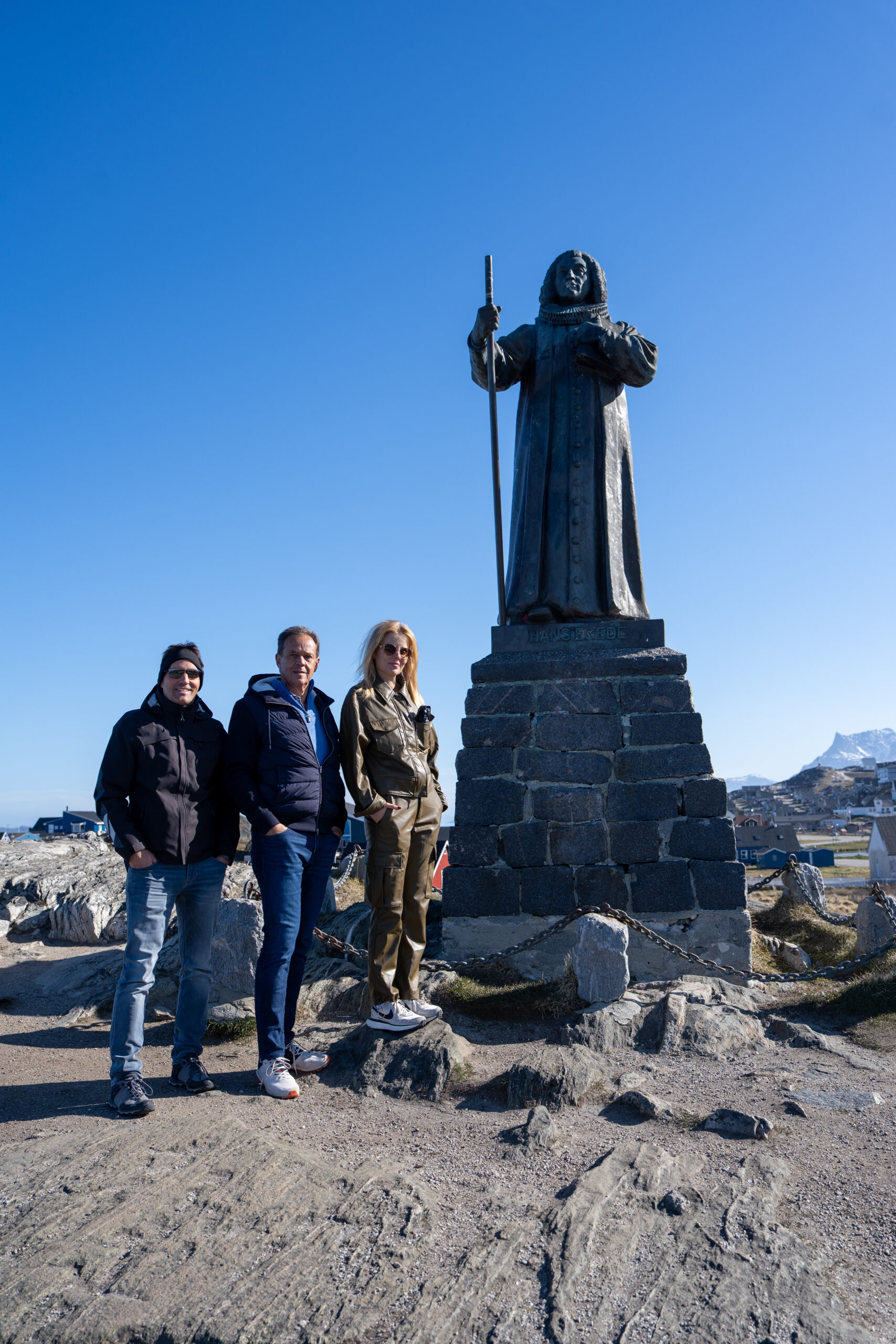
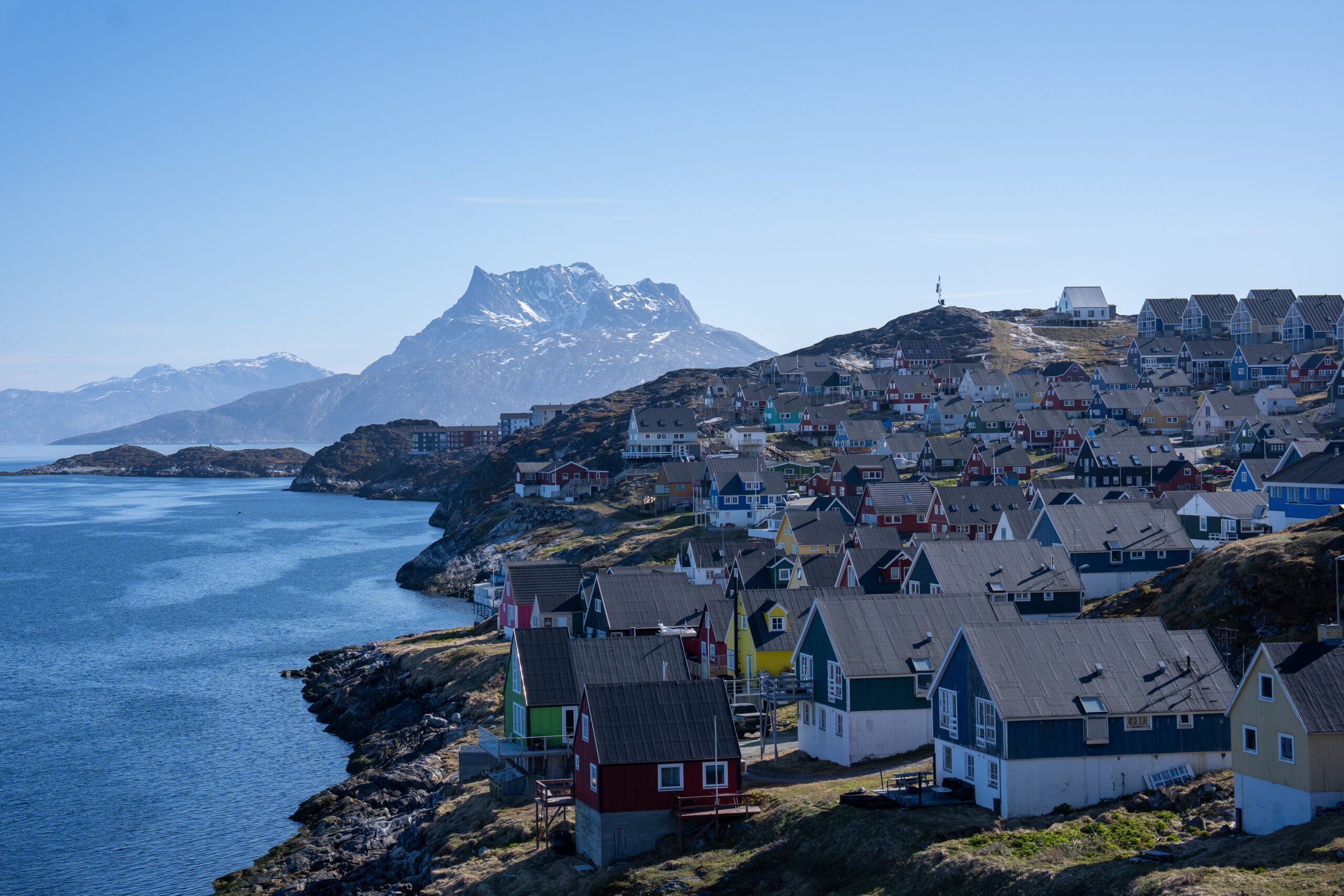
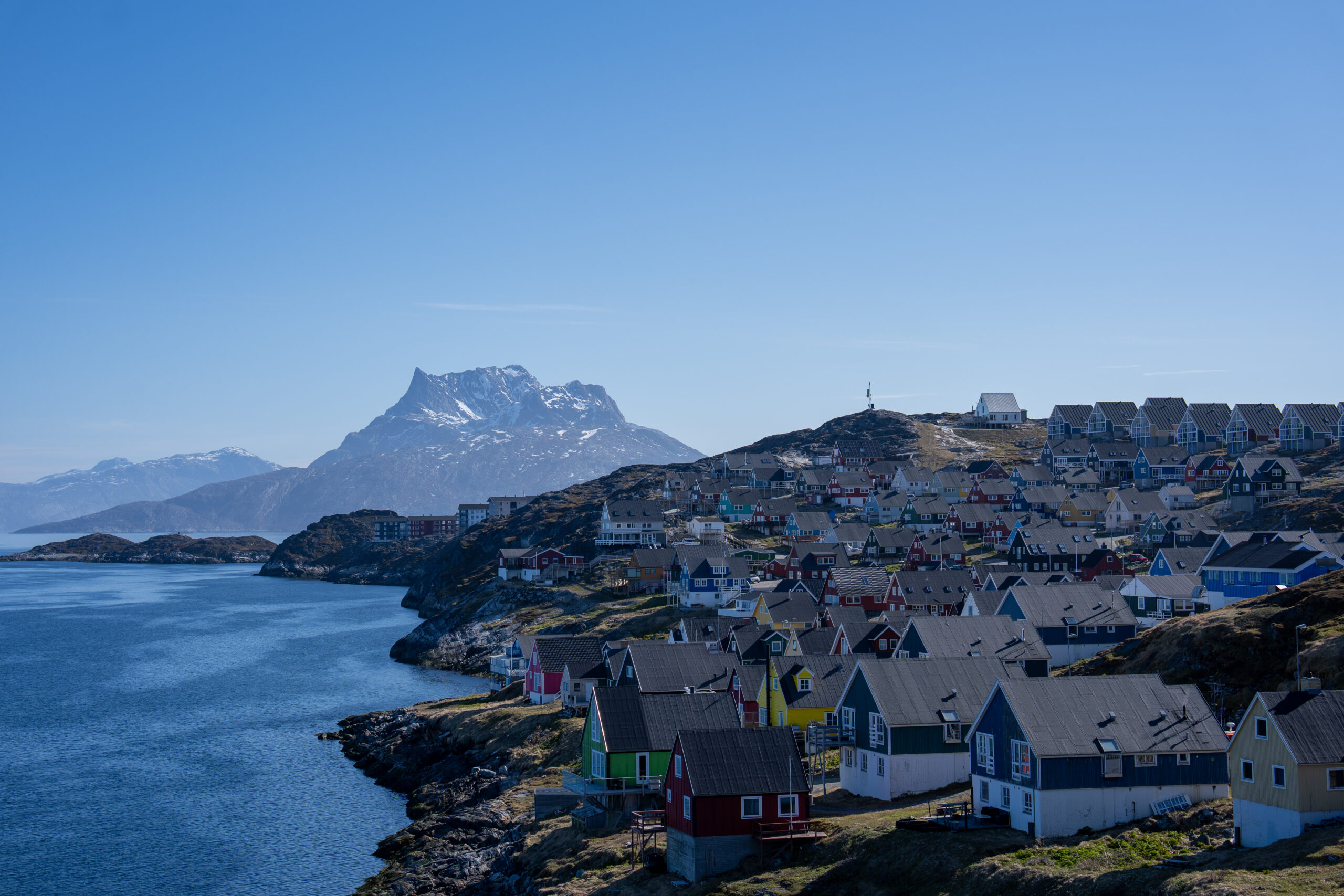
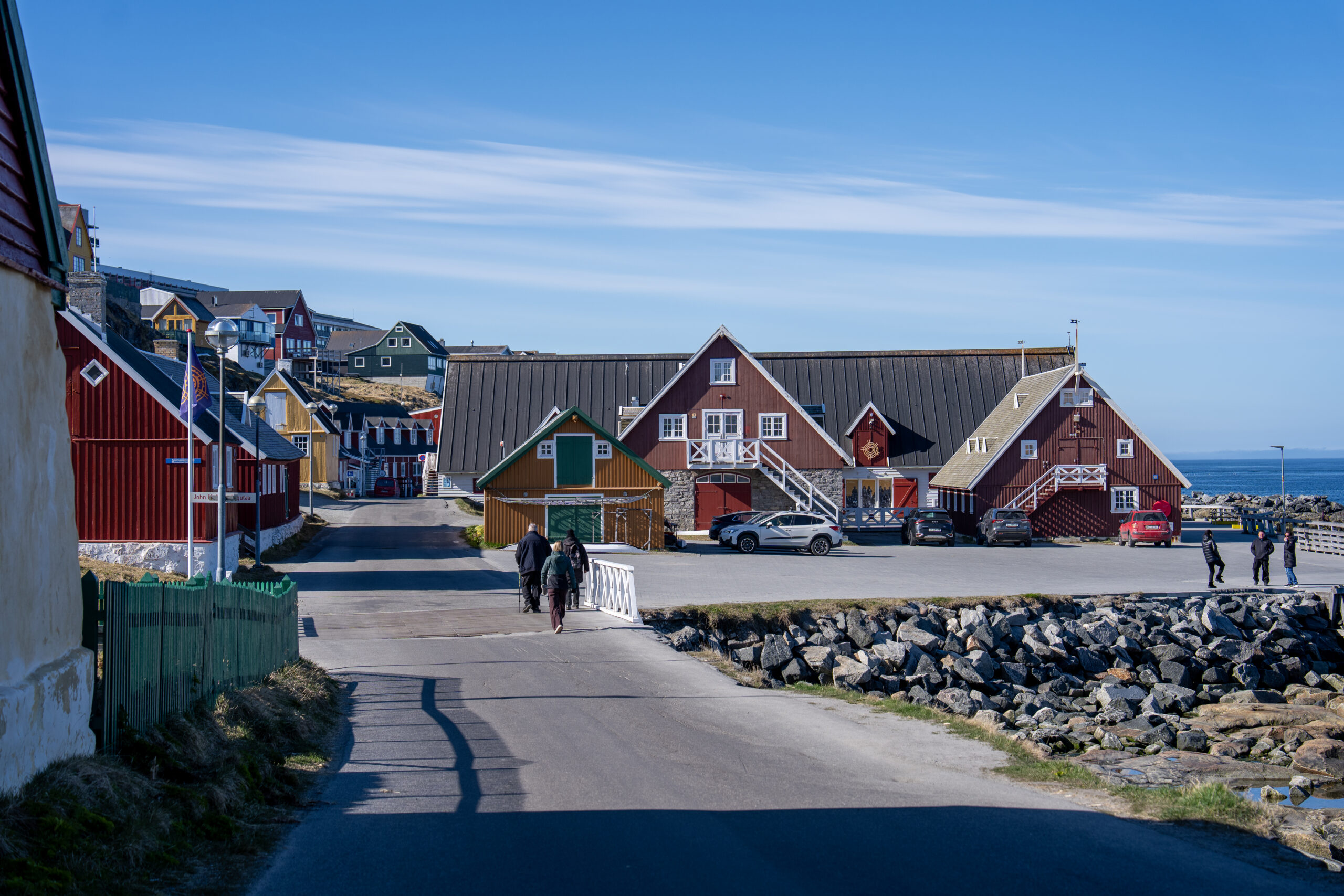
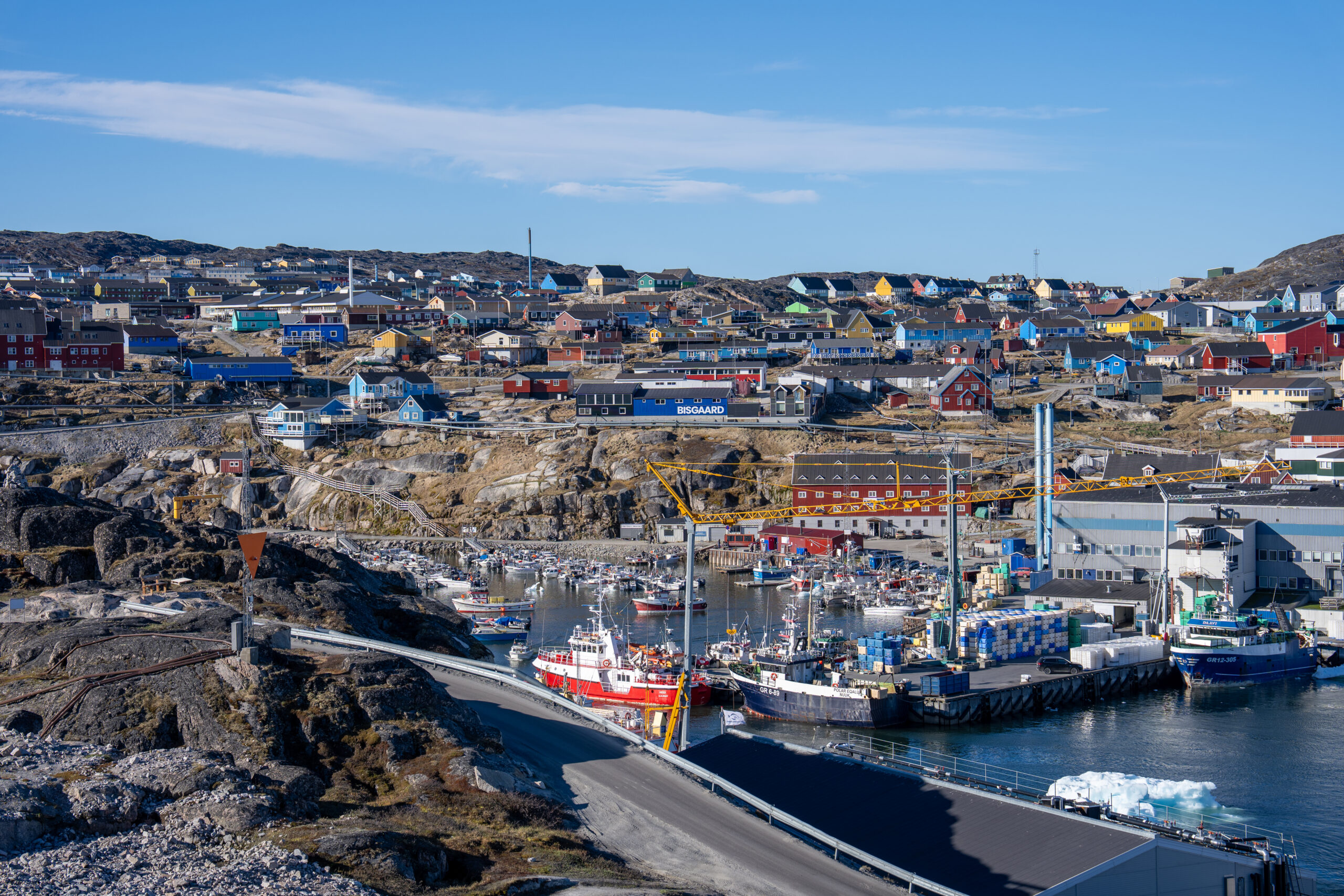
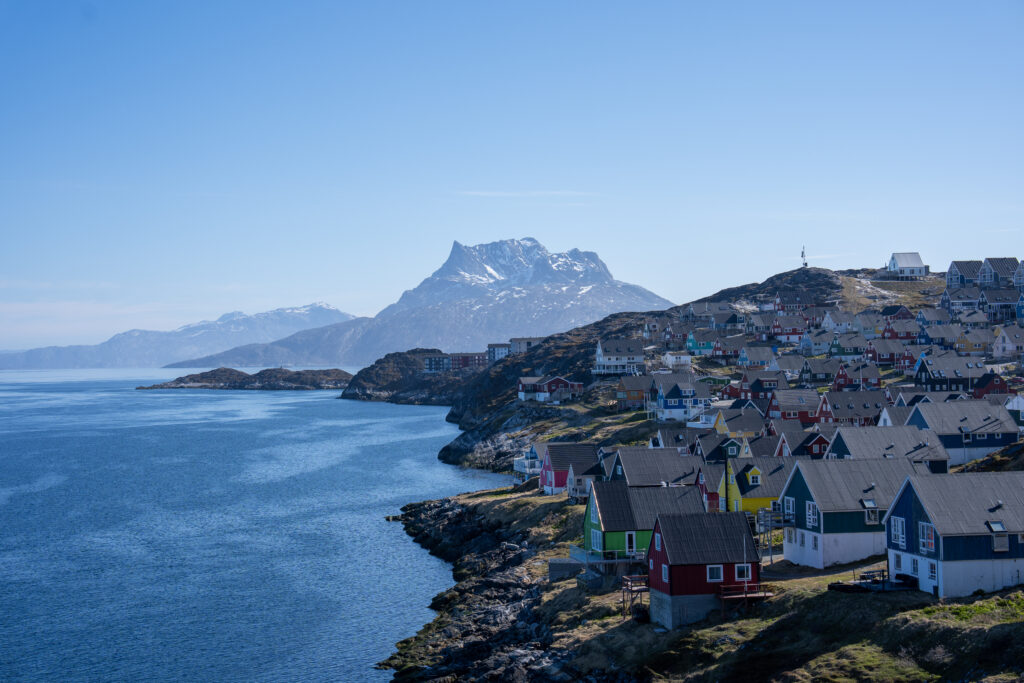
In Nuuk, we woke up later than the tiredness would have suggested and went out to walk around Nuuk. We visited the Hans Egede statue, which stands on a hill above the old cathedral and looks out over the colorful houses and the fjord beyond. Egede was the Danish-Norwegian missionary who founded the place in 1728. We wandered a bit, found a few scenic spots overlooking the city, and then made our way to the Greenland National Museum and Archives.
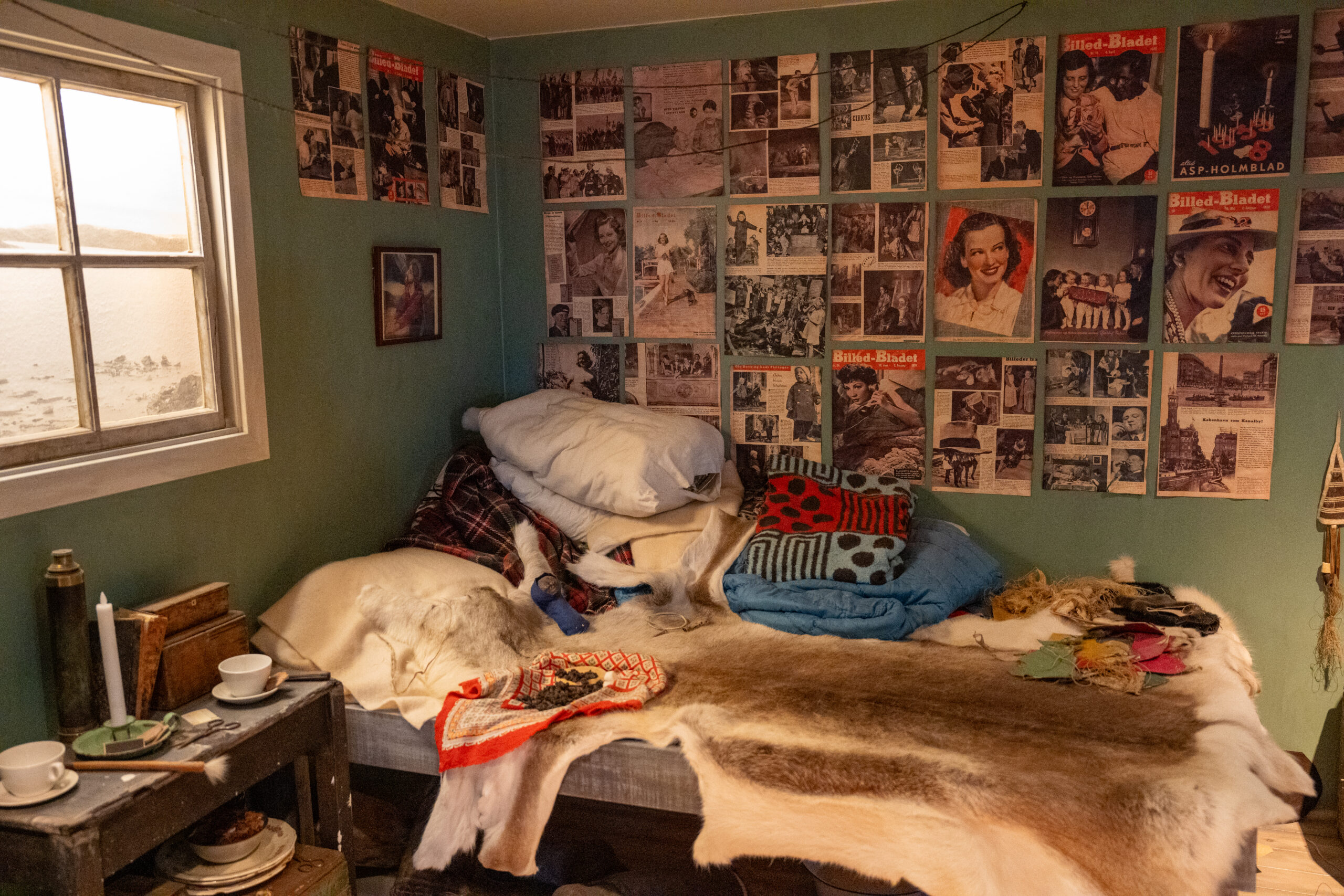
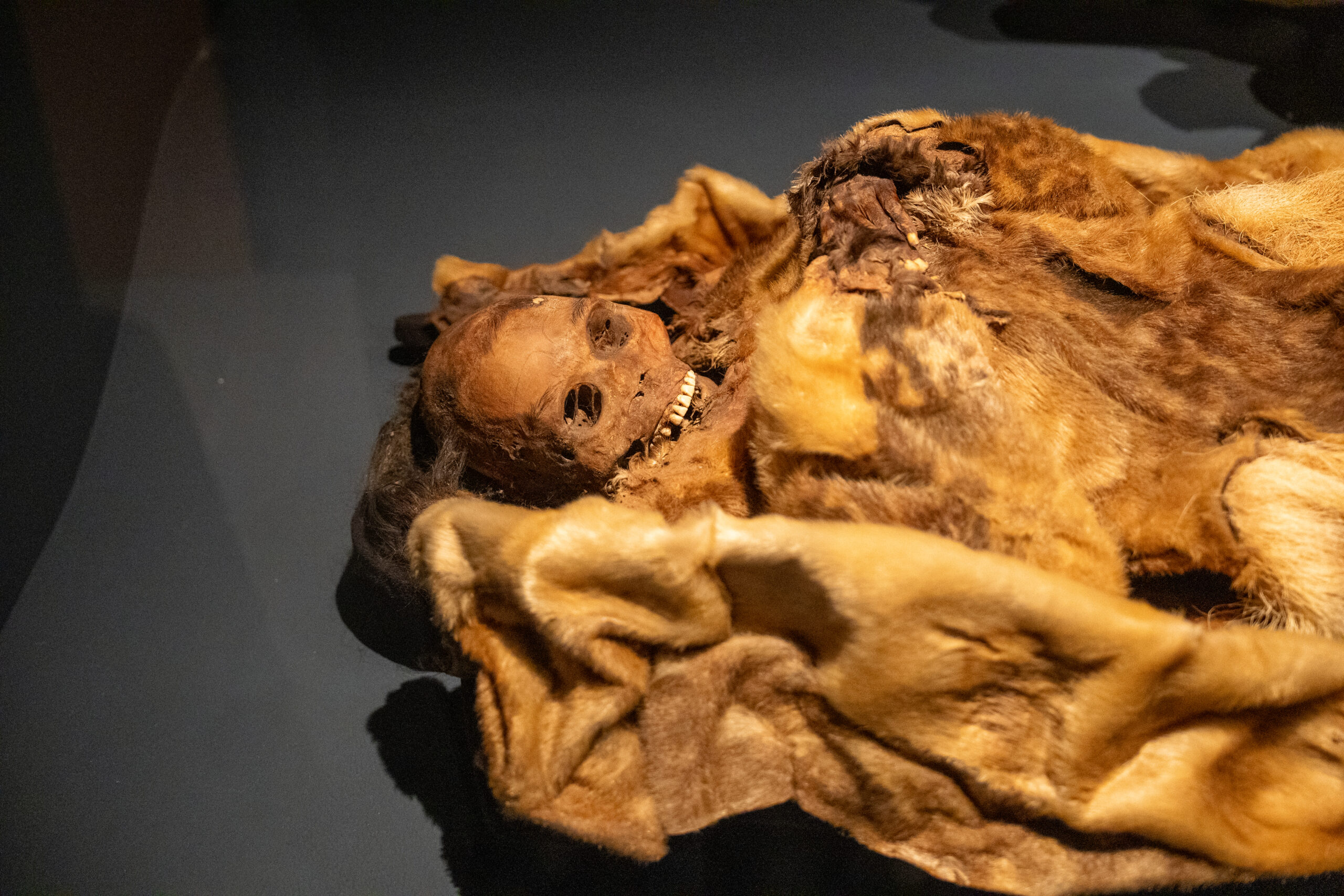
The museum was worth the visit. It covers around four and a half thousand years of Greenlandic history under one roof, alongside skin boats, sledges, and the kind of clothing that kept people alive in places that have no business supporting human life. The part everyone remembers, though, is the Qilakitsoq mummies, a group of women and children from around 1475 preserved so completely by the cold and the dry air that you can still make out the stitching on their clothes.
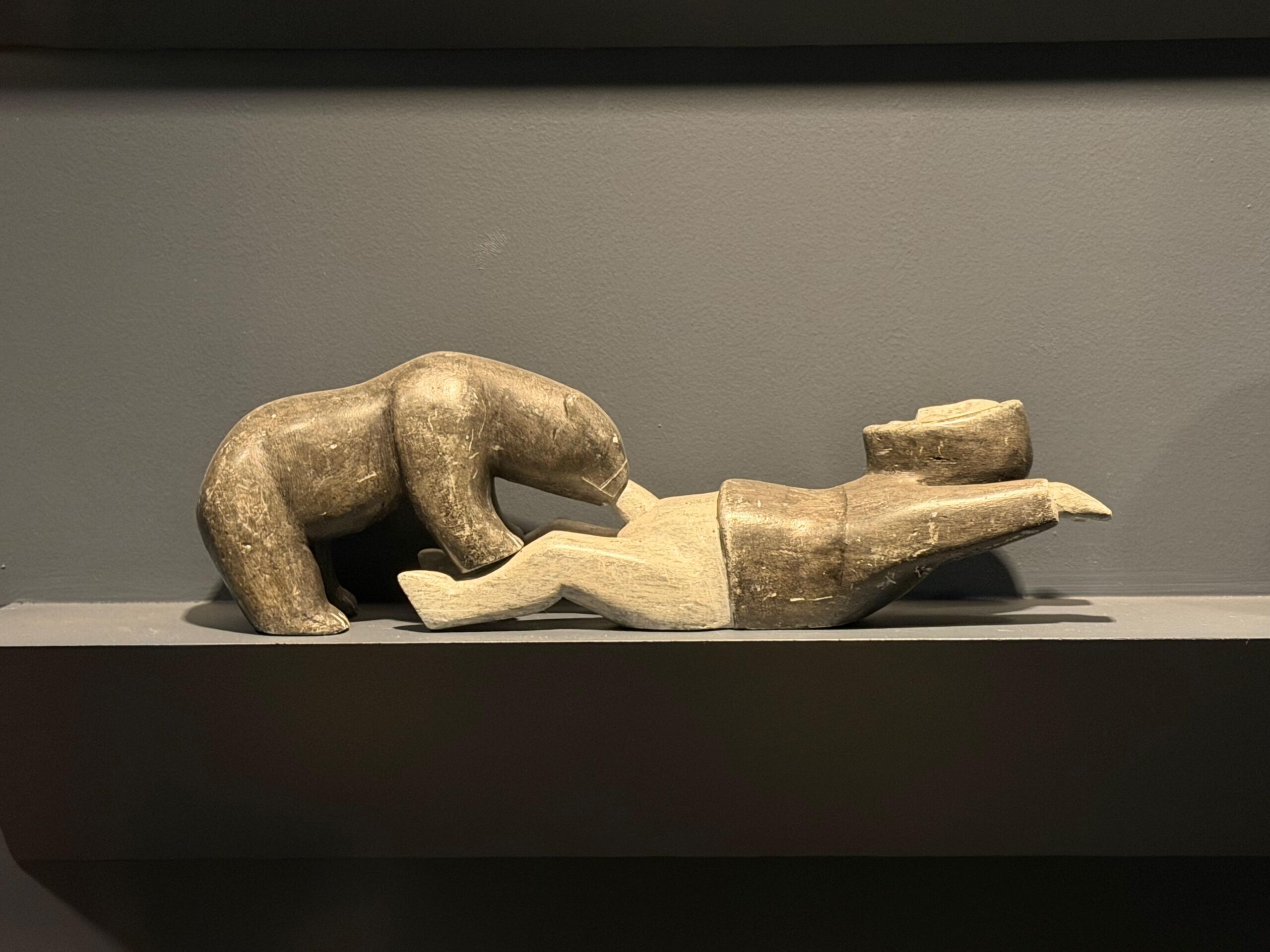
What we did not expect was the local art. One piece in particular was rather suggestive about the historical relationship between the indigenous population and the local bears, in a way that left very little to the imagination. There is a photograph in the gallery below which should be able to do the work, rather than attempting a description here. We did, however, come away with a new working theory, which is that we now understand one countrie’s recent enthusiasm for acquiring Greenland. One look at that particular artwork and the whole foreign policy starts to make a different sort of sense.
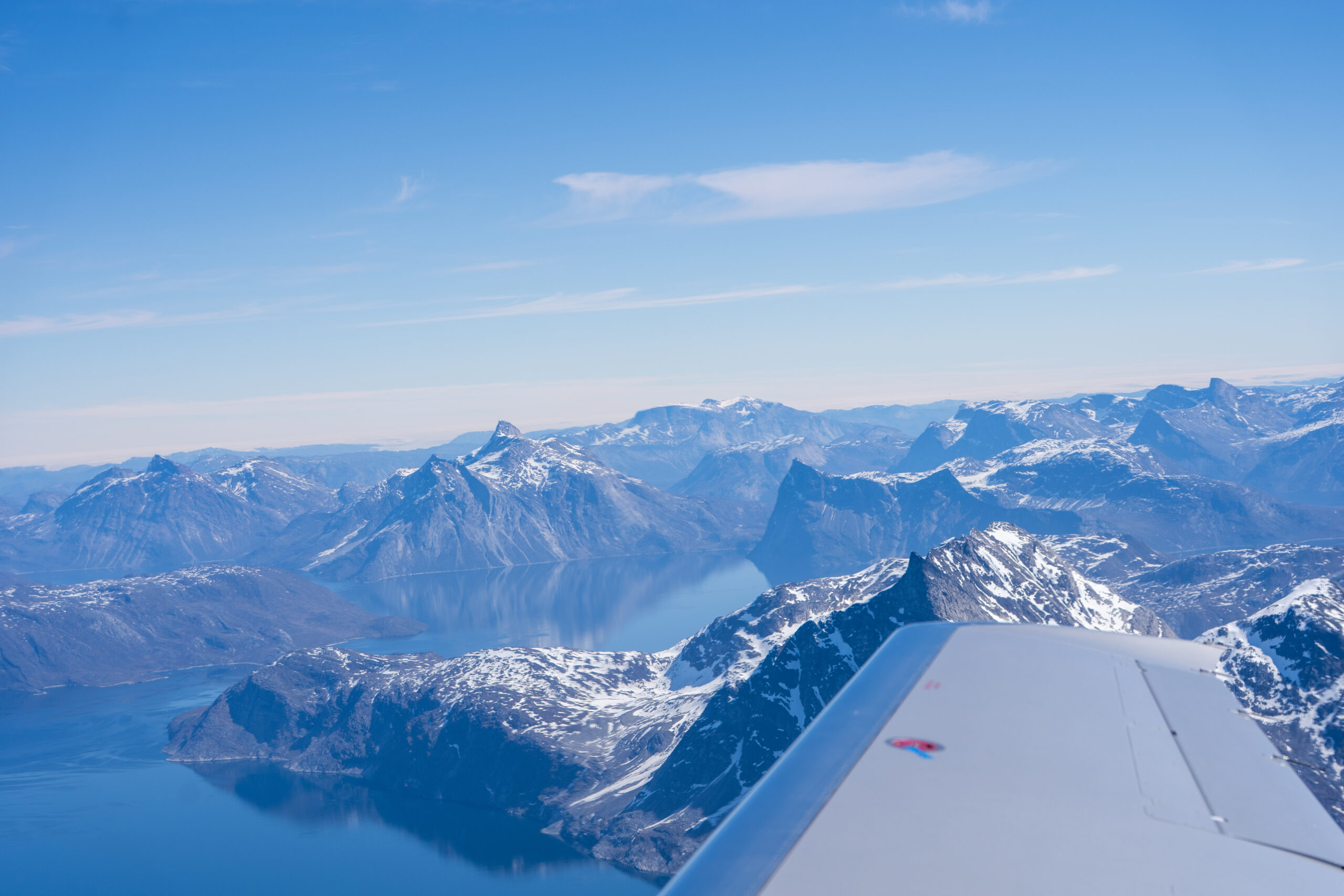
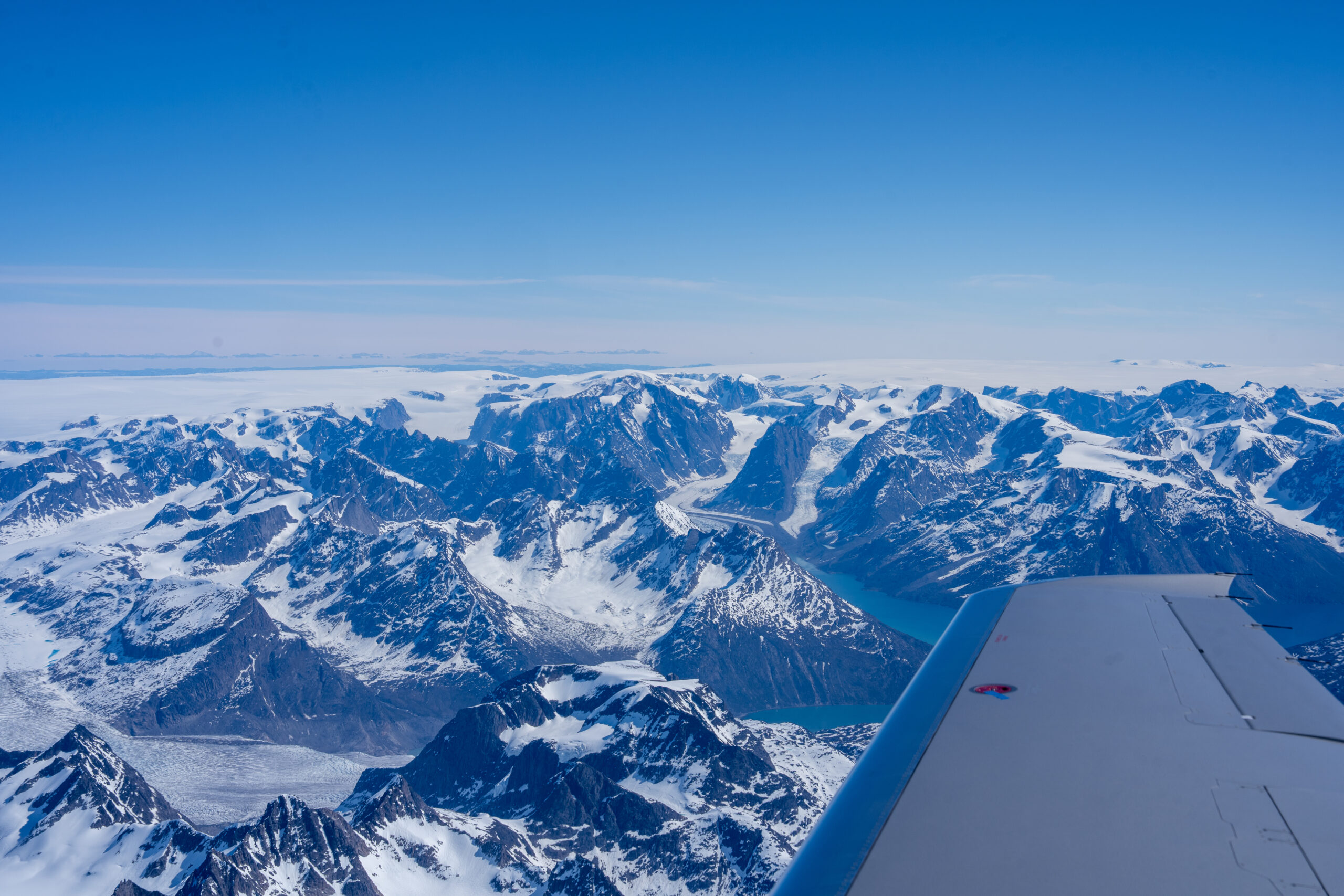
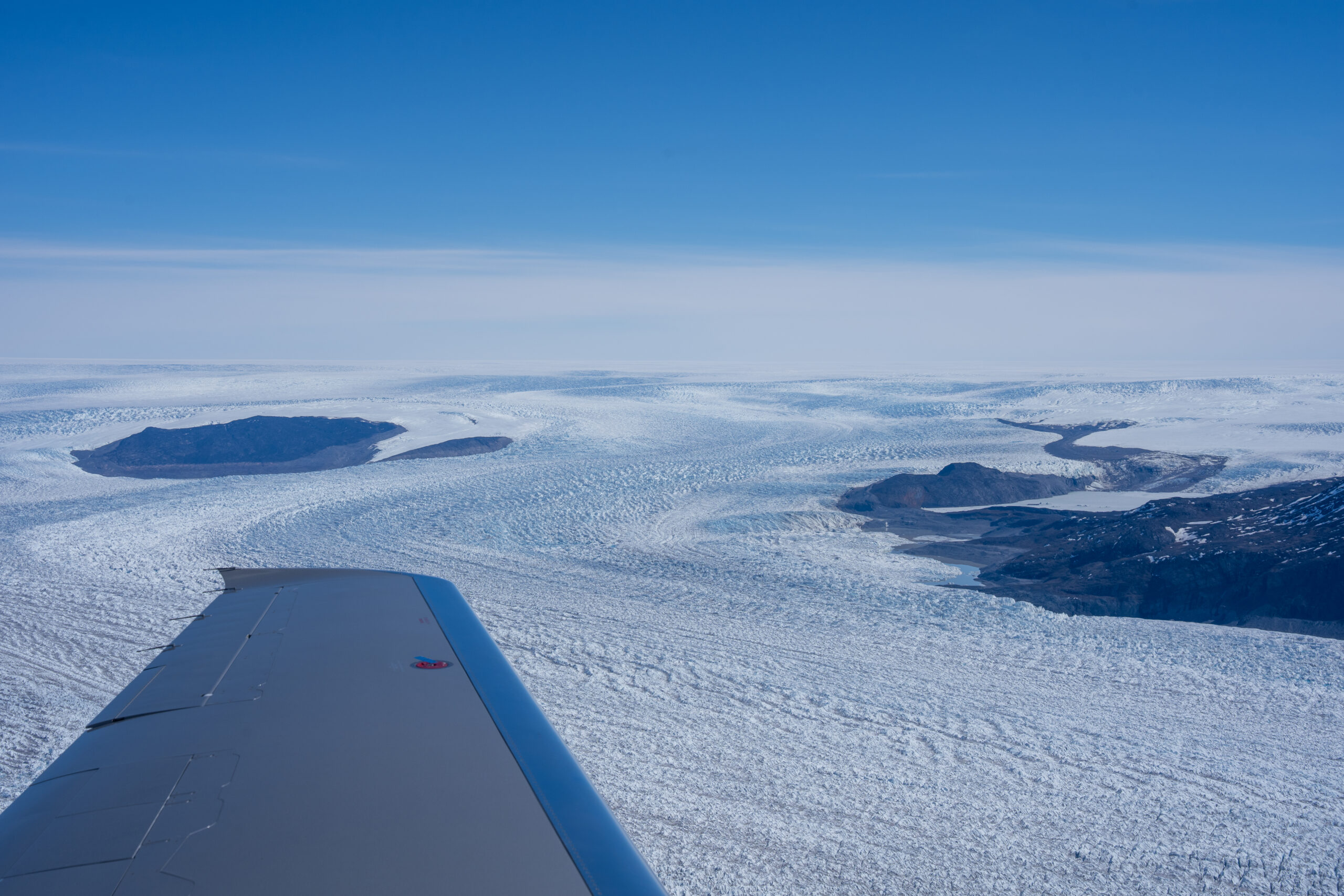
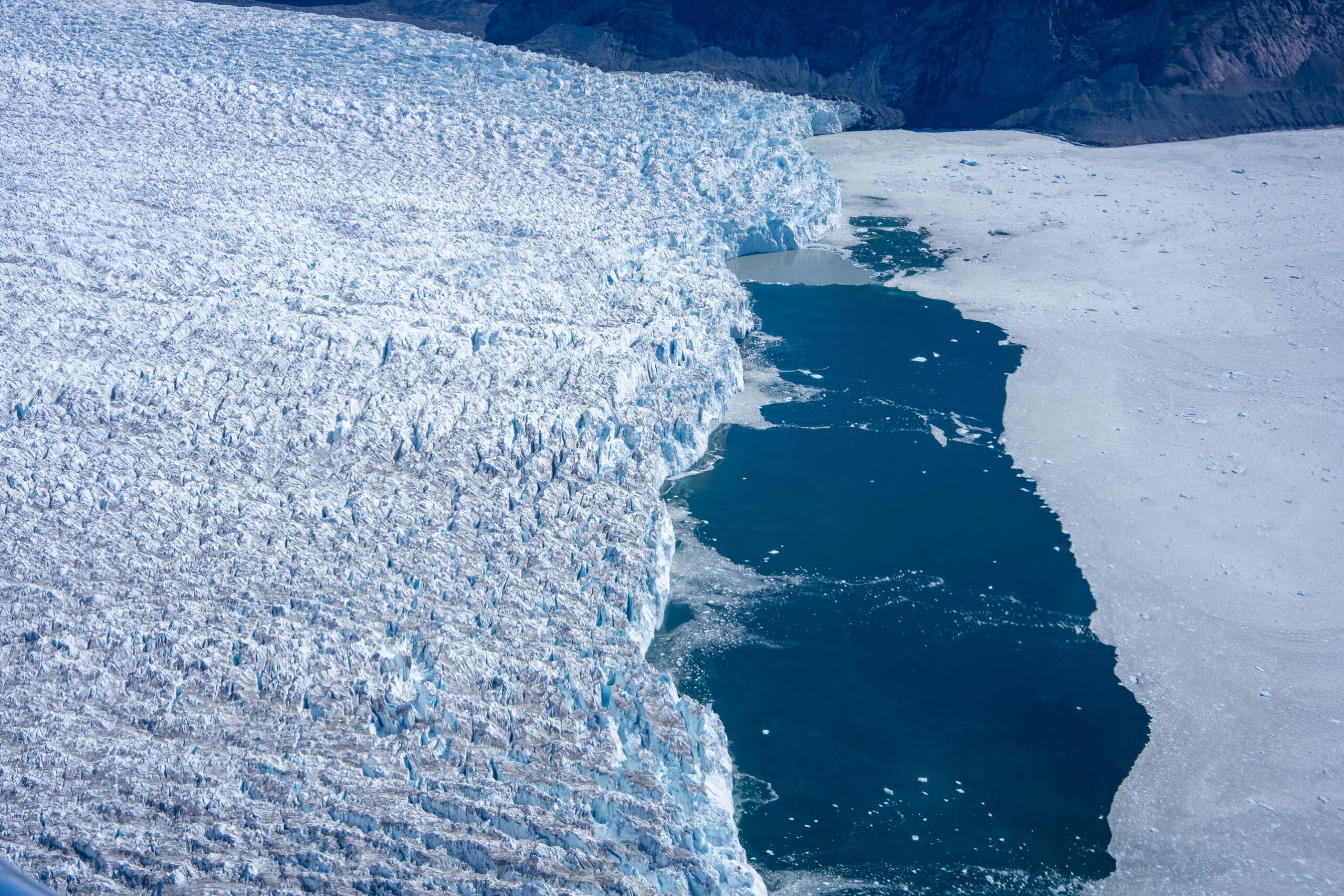
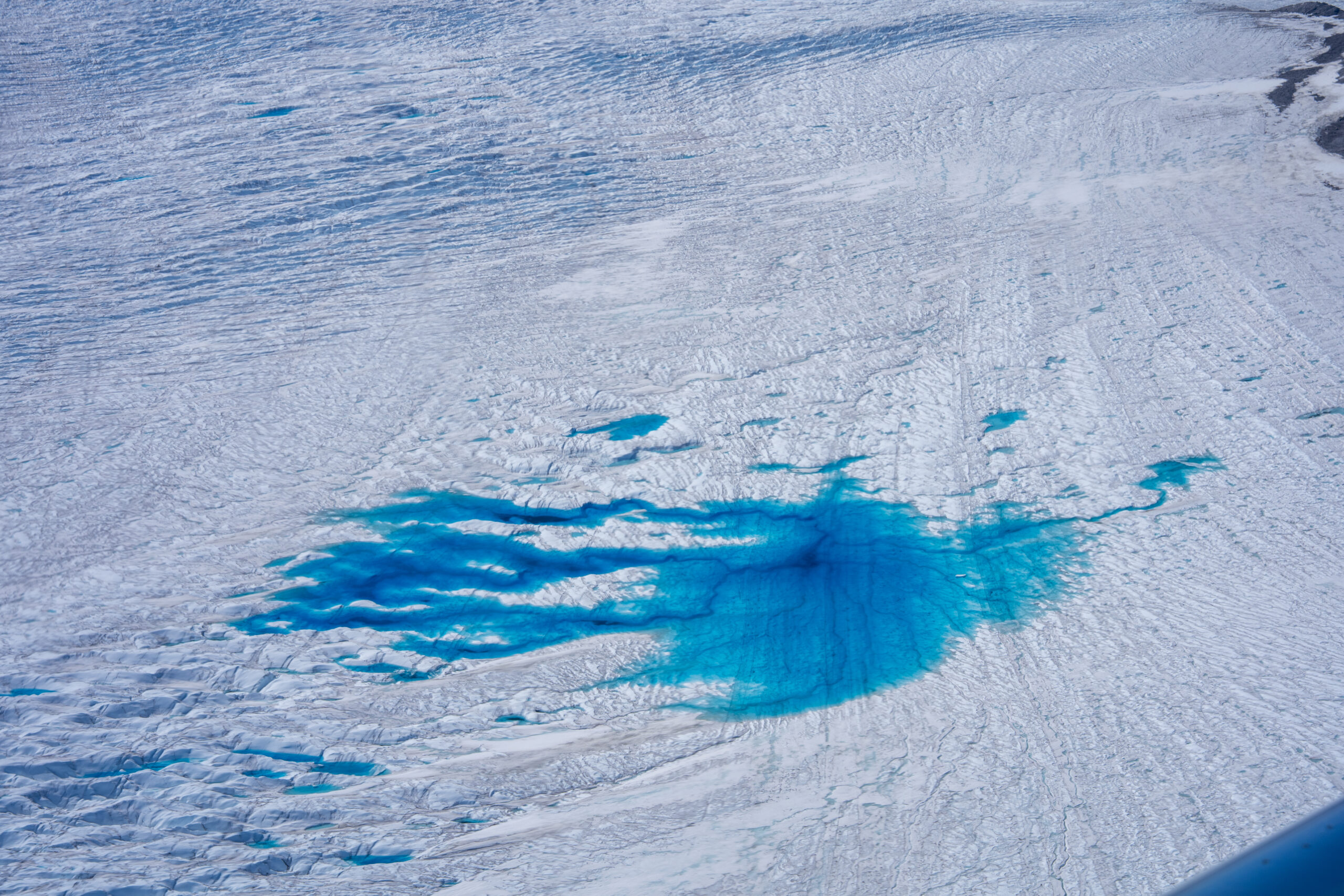
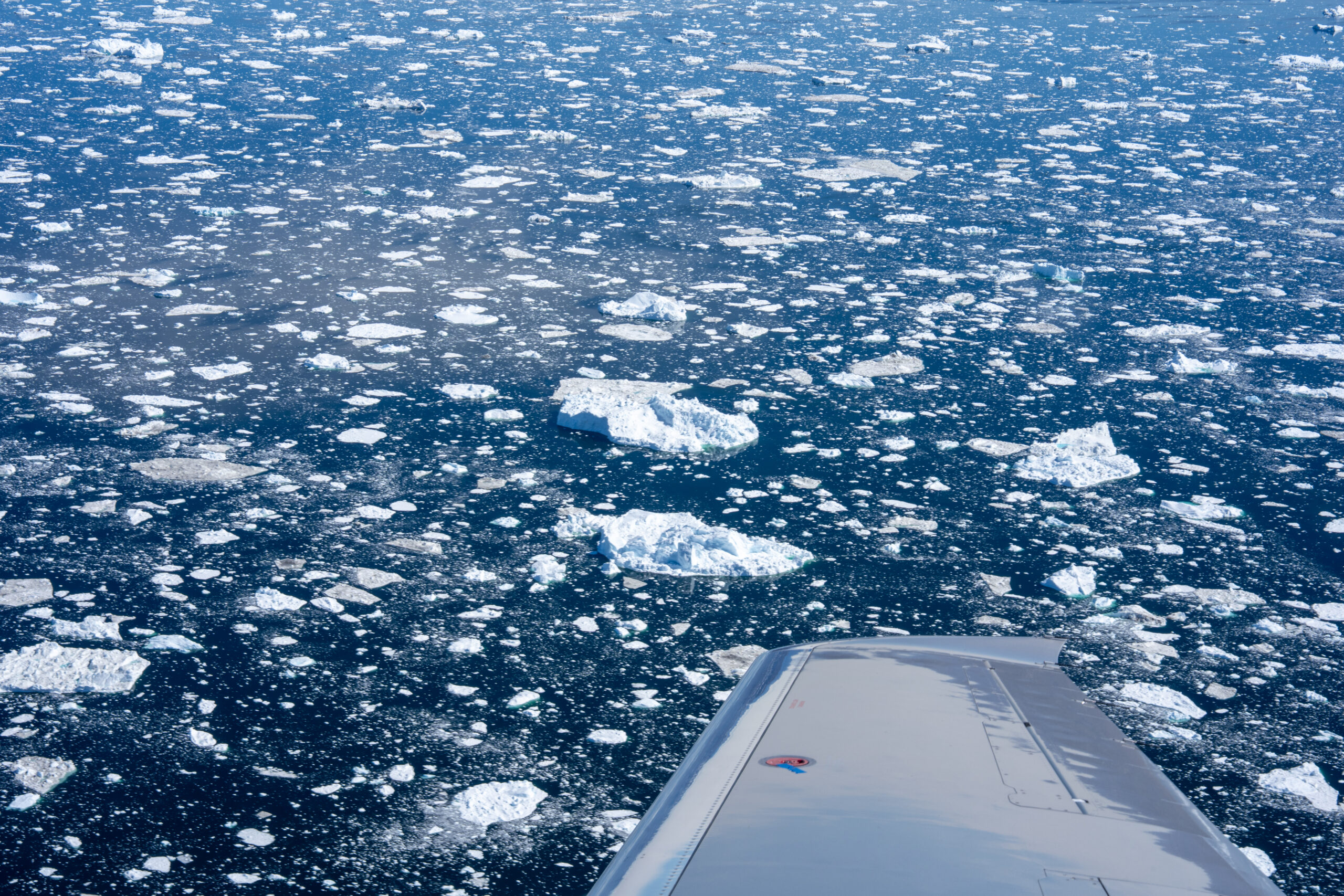
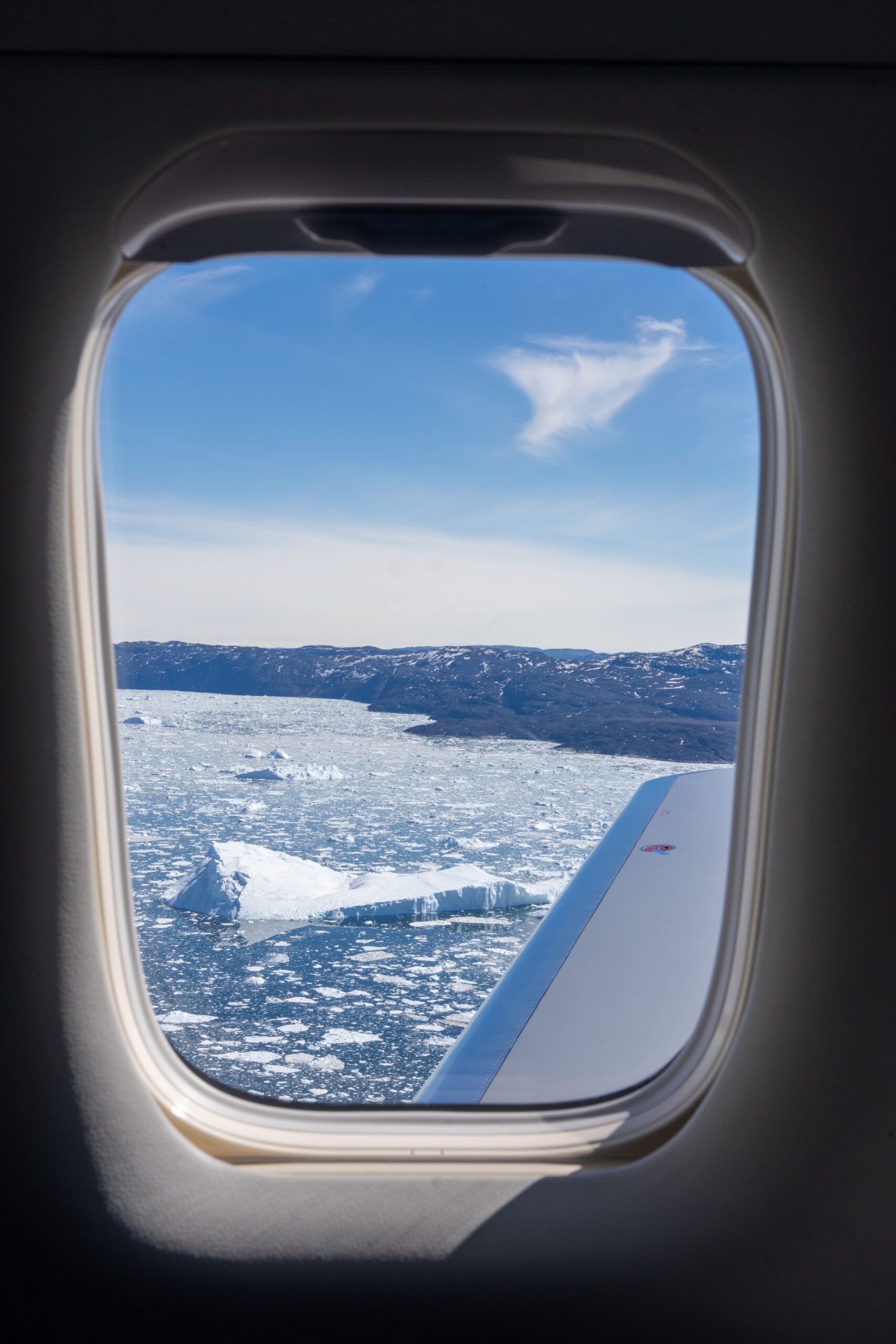
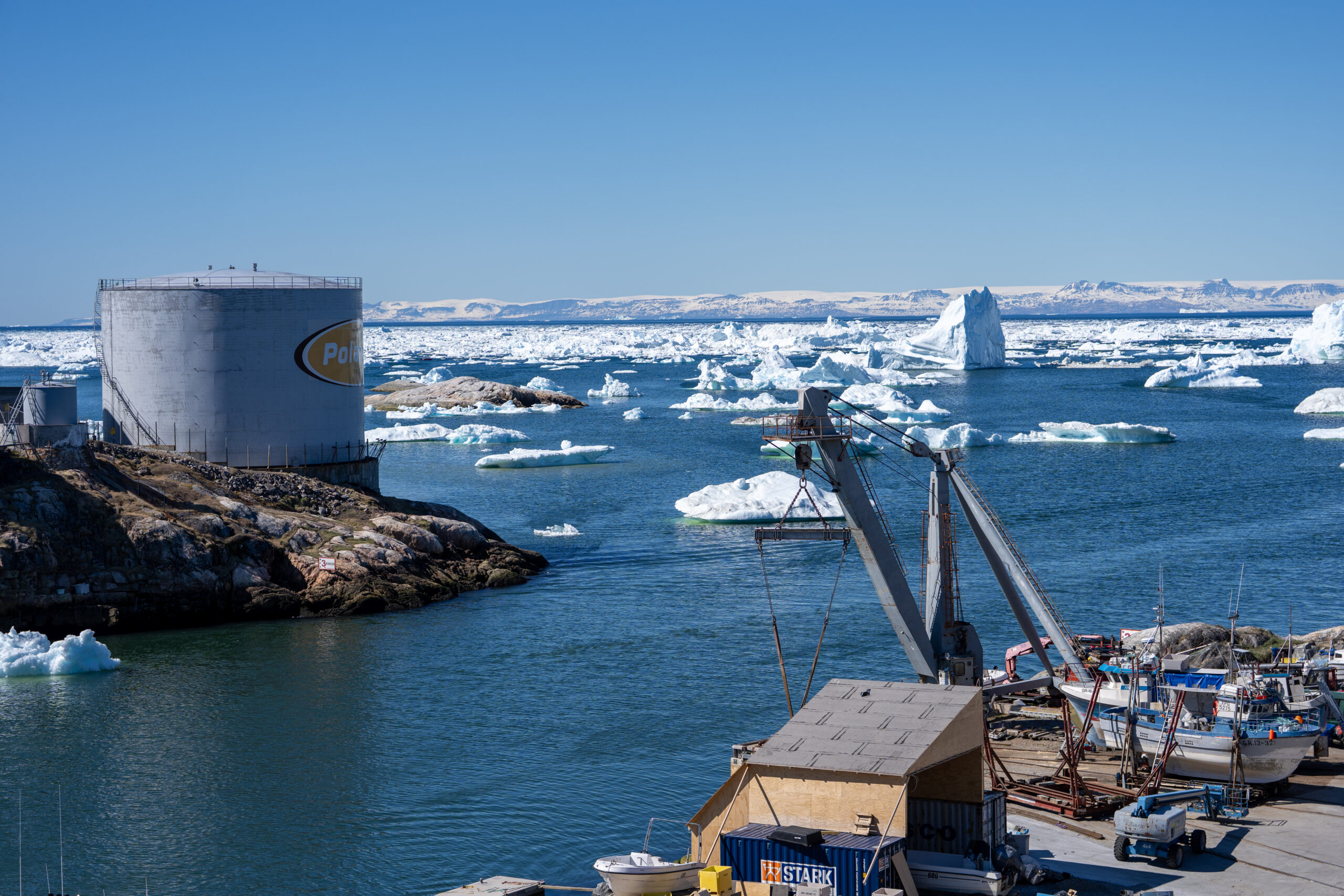
From there it was back to the airport for the flight to Ilulissat, which we were able to fly VFR. That meant a proper scenic run past the three glaciers of the region, the great rivers of ice grinding their way down toward the sea and feeding the icefjord that the whole area is famous for. It was the kind of view that makes the time zone change feel entirely worth it.
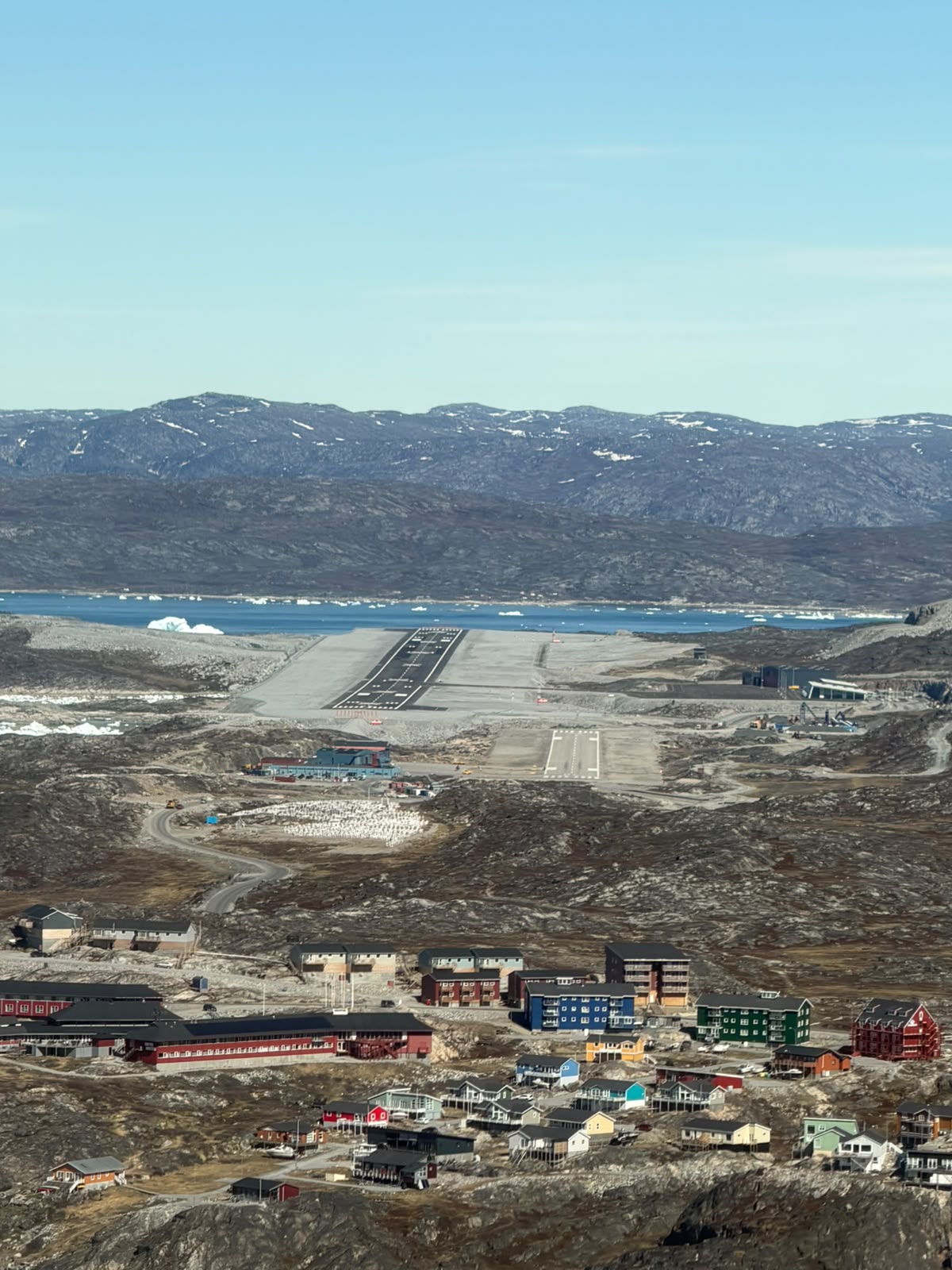
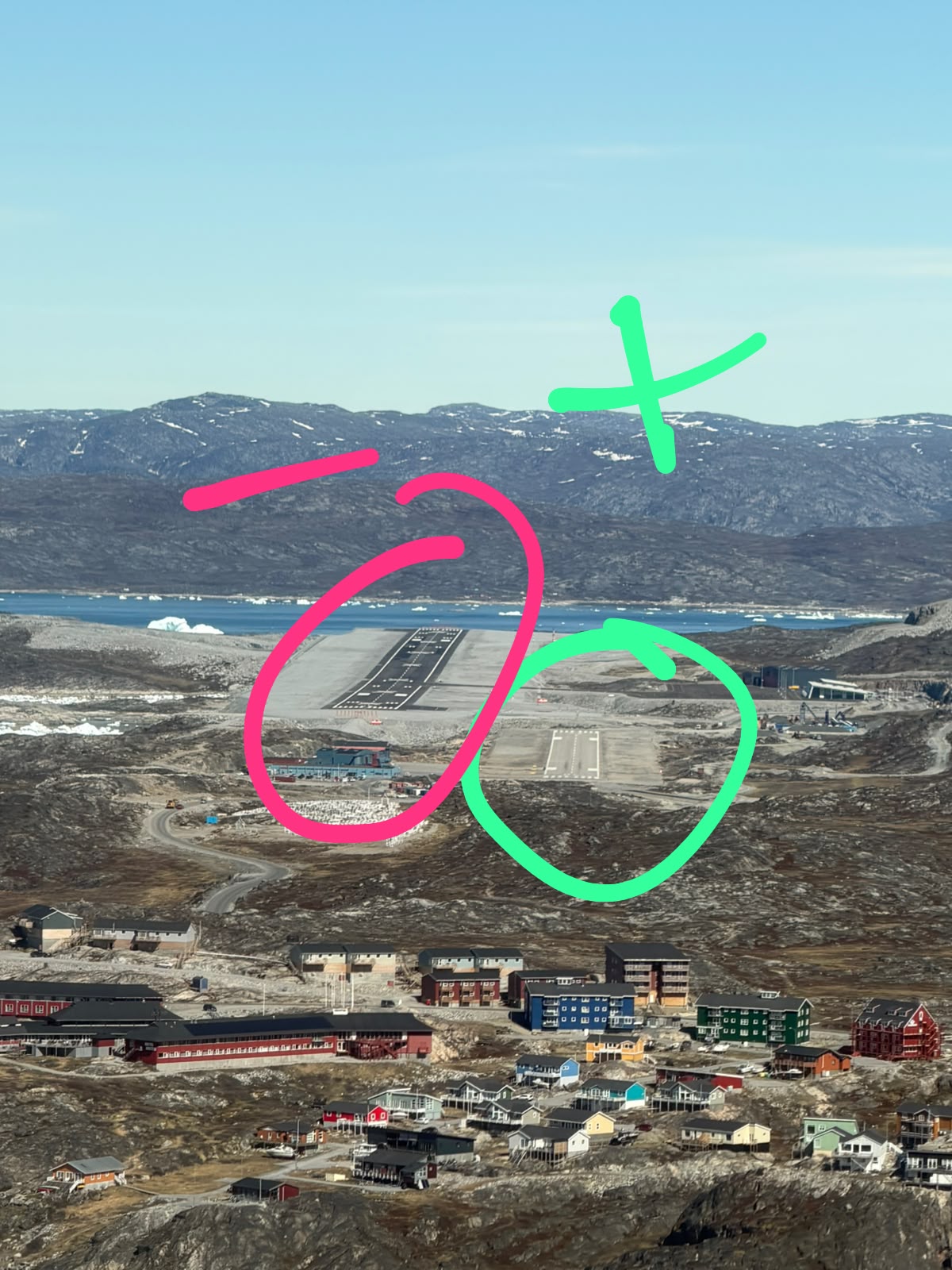
Landing in Ilulissat presented its own small problem. The town is building a new airport, a longer runway meant to open later this year and finally take the larger jets. However, from the air the new strip looks every bit as finished as the one currently in use. Our pilots, reasonably enough, lined up for it, and were some way into the approach before they worked out that the runway they actually wanted was the other one. They adjusted, put it down on the correct piece of tarmac, and we checked into the hotel. Dinner was a quick affair, since the day had used everyone up.
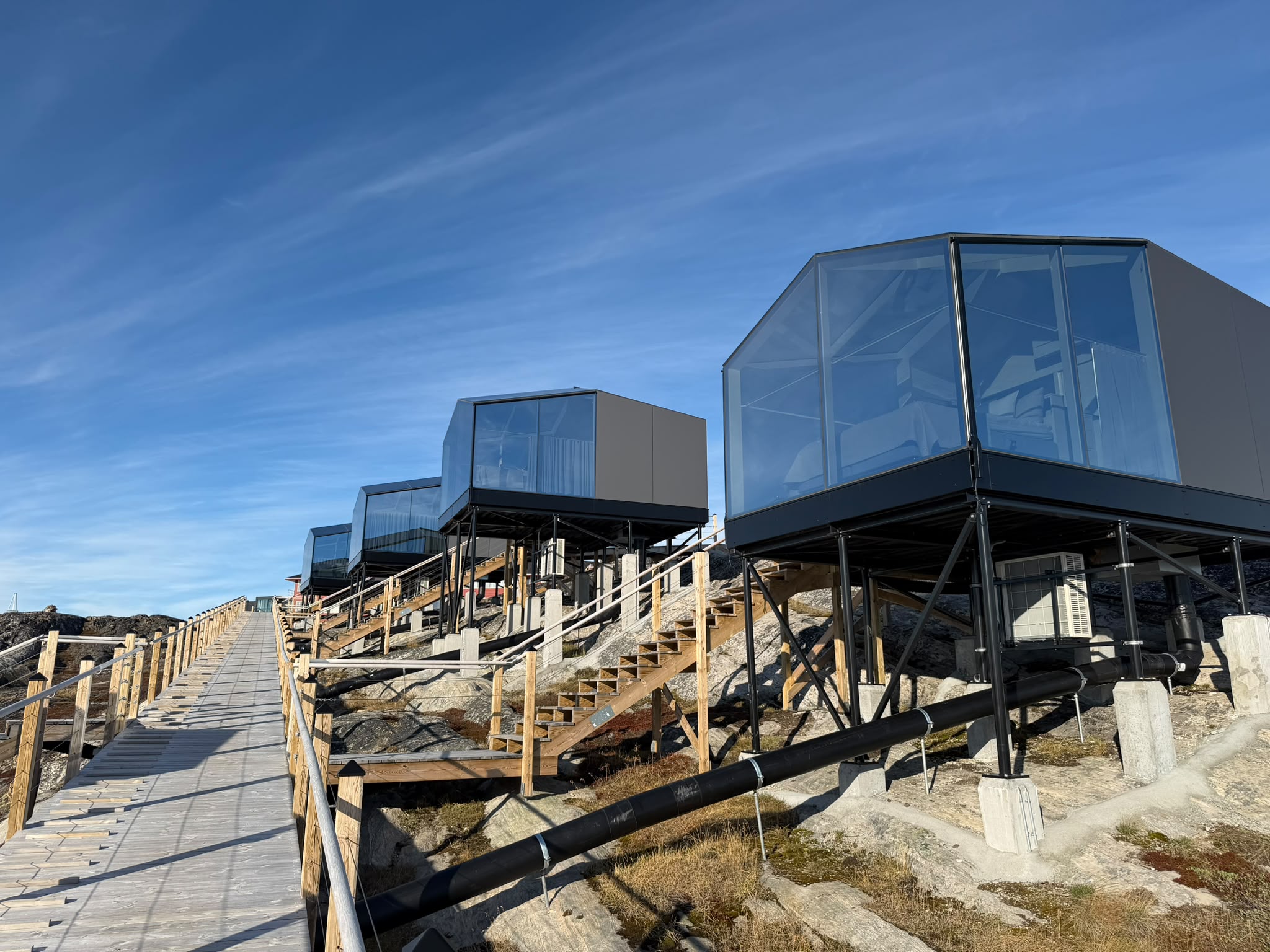
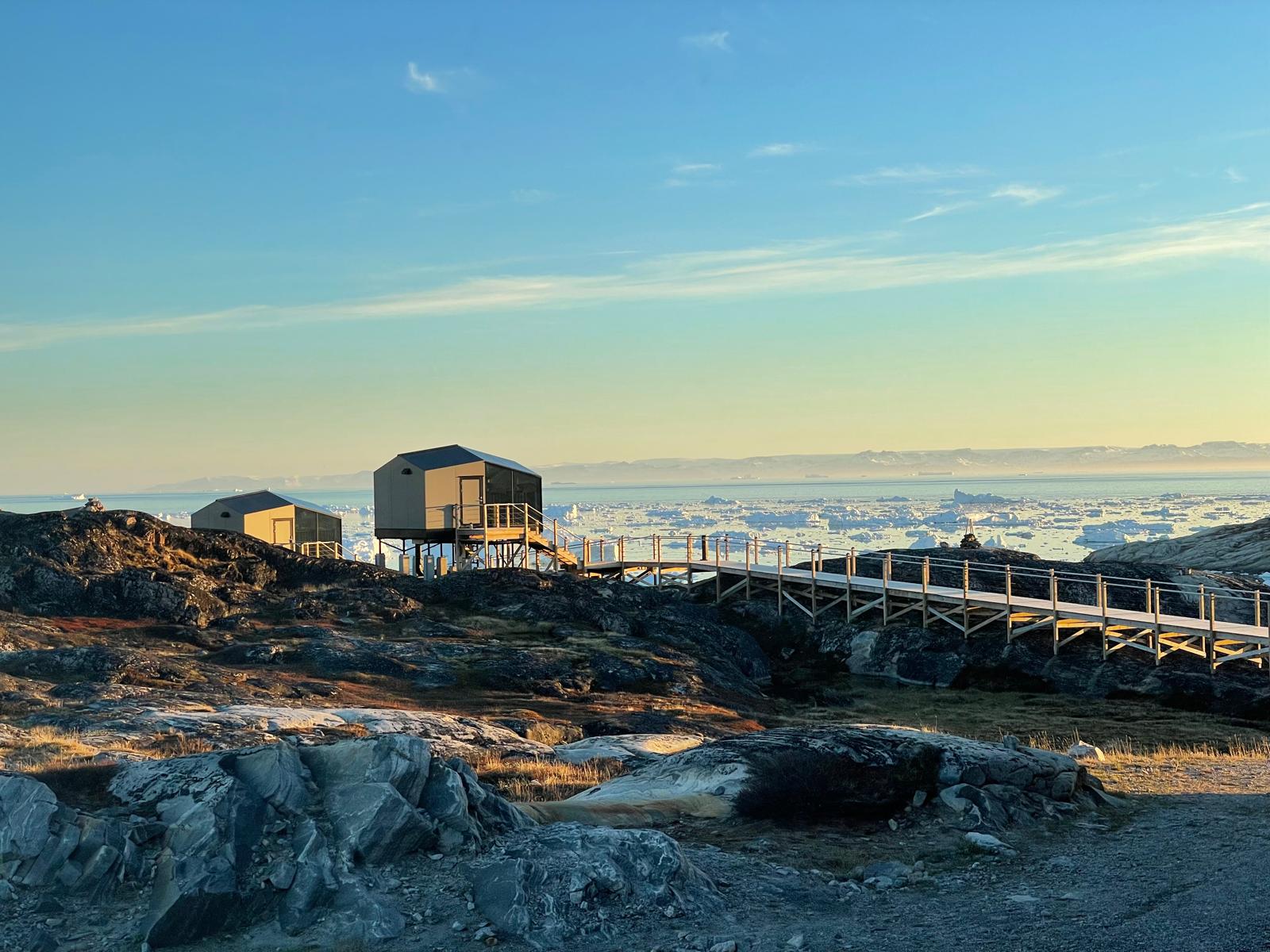
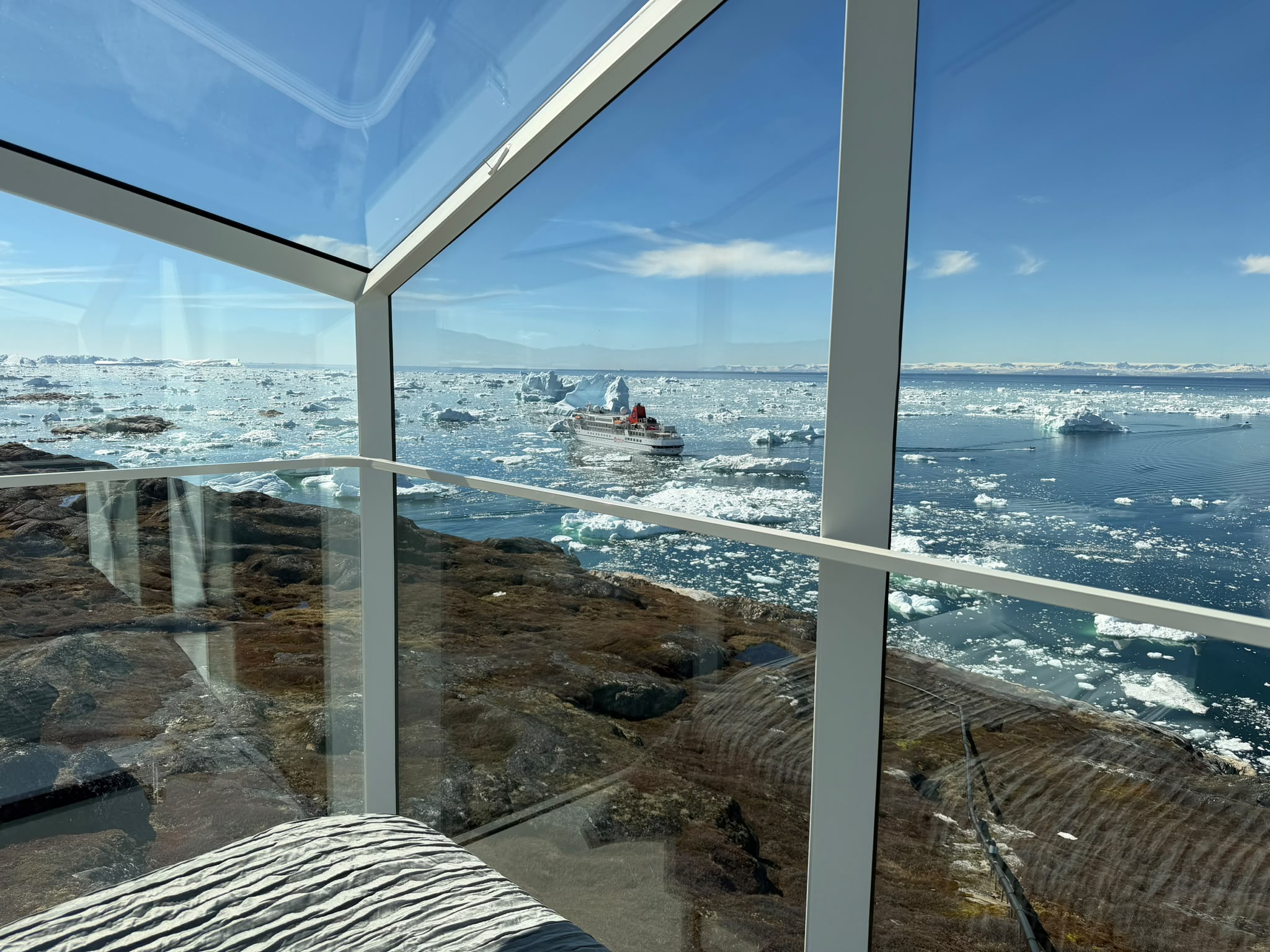
The one development worth recording involves one of our pilots, who roughly eight months ago had decided, with considerable conviction, that he absolutely had to spend a night in the glass house. What had not been factored into this decision was that Ilulissat in summer does not really do nighttime. The sun simply does not set. So there was a night in the glass house, and along with it a full and uninterrupted dose of daylight from one end of the night to the other.
Day Twenty-Eight: Ilulissat
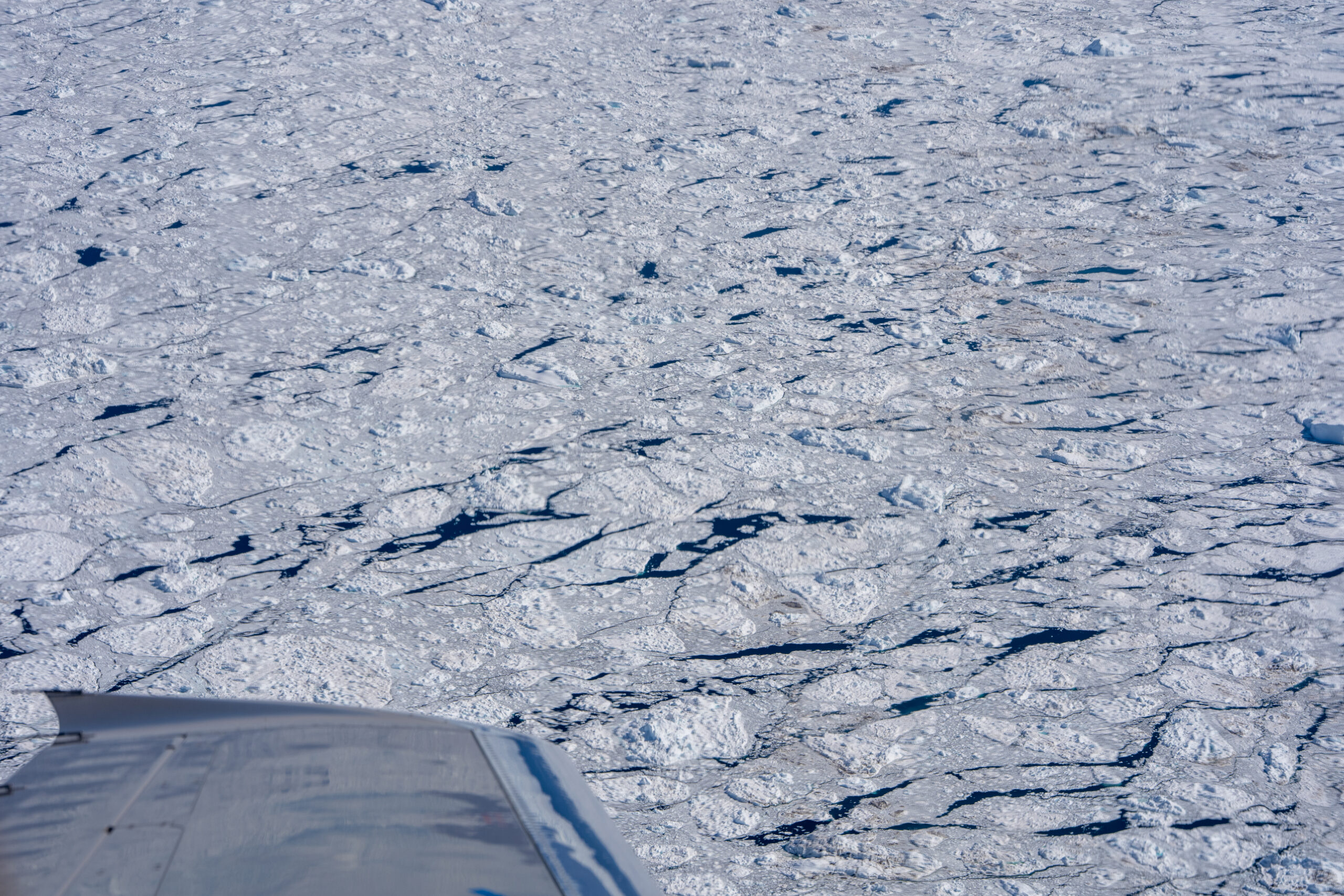
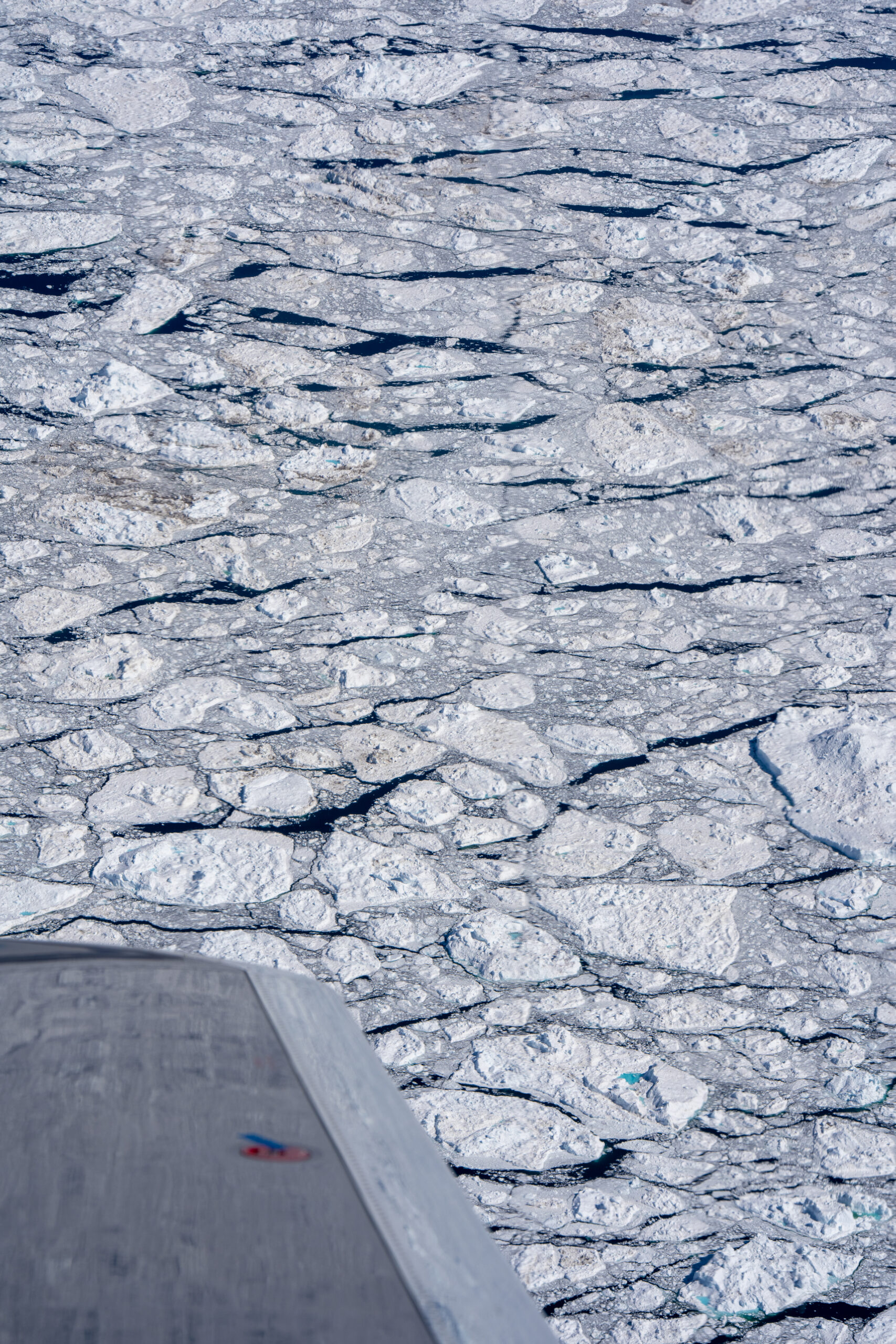
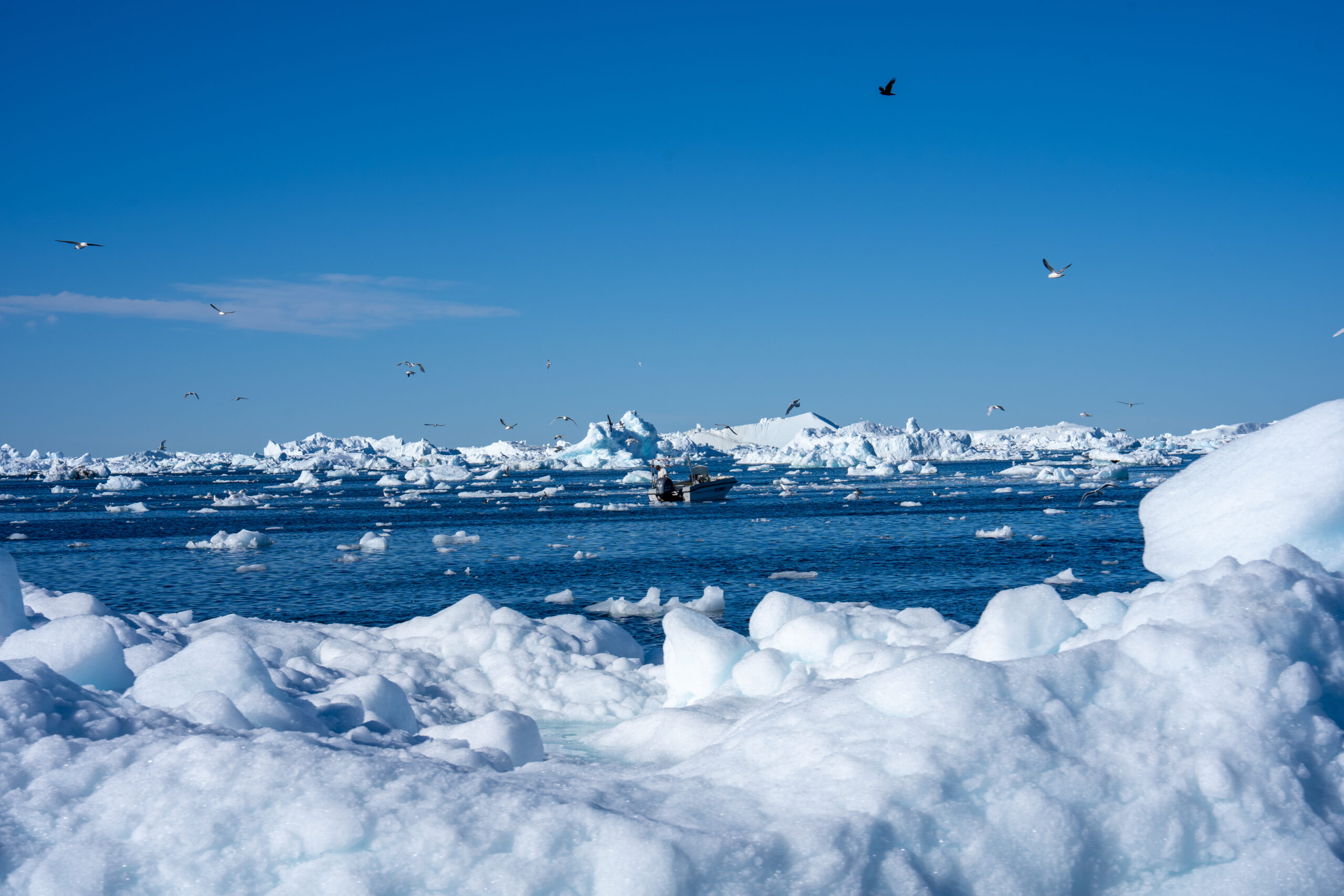
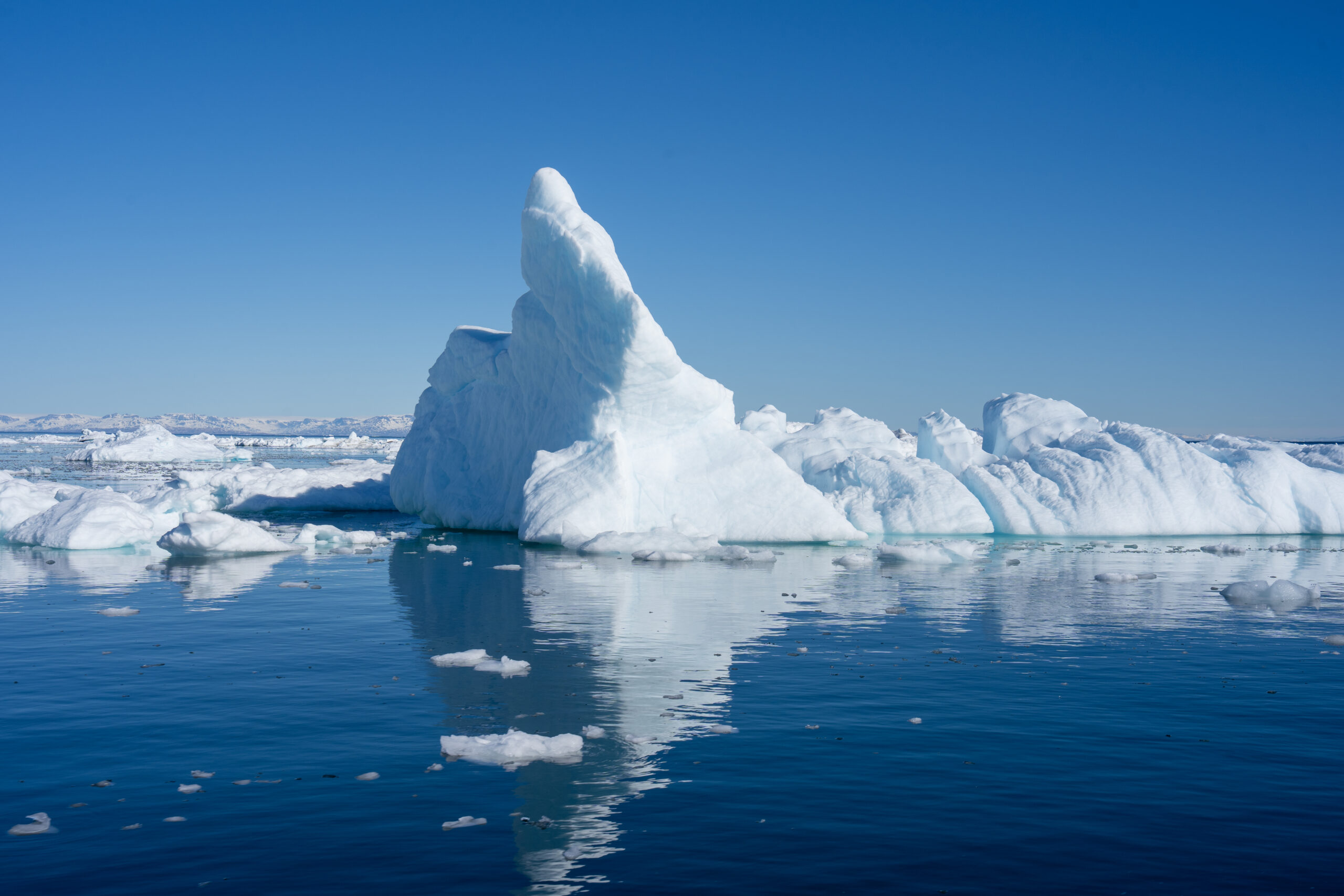
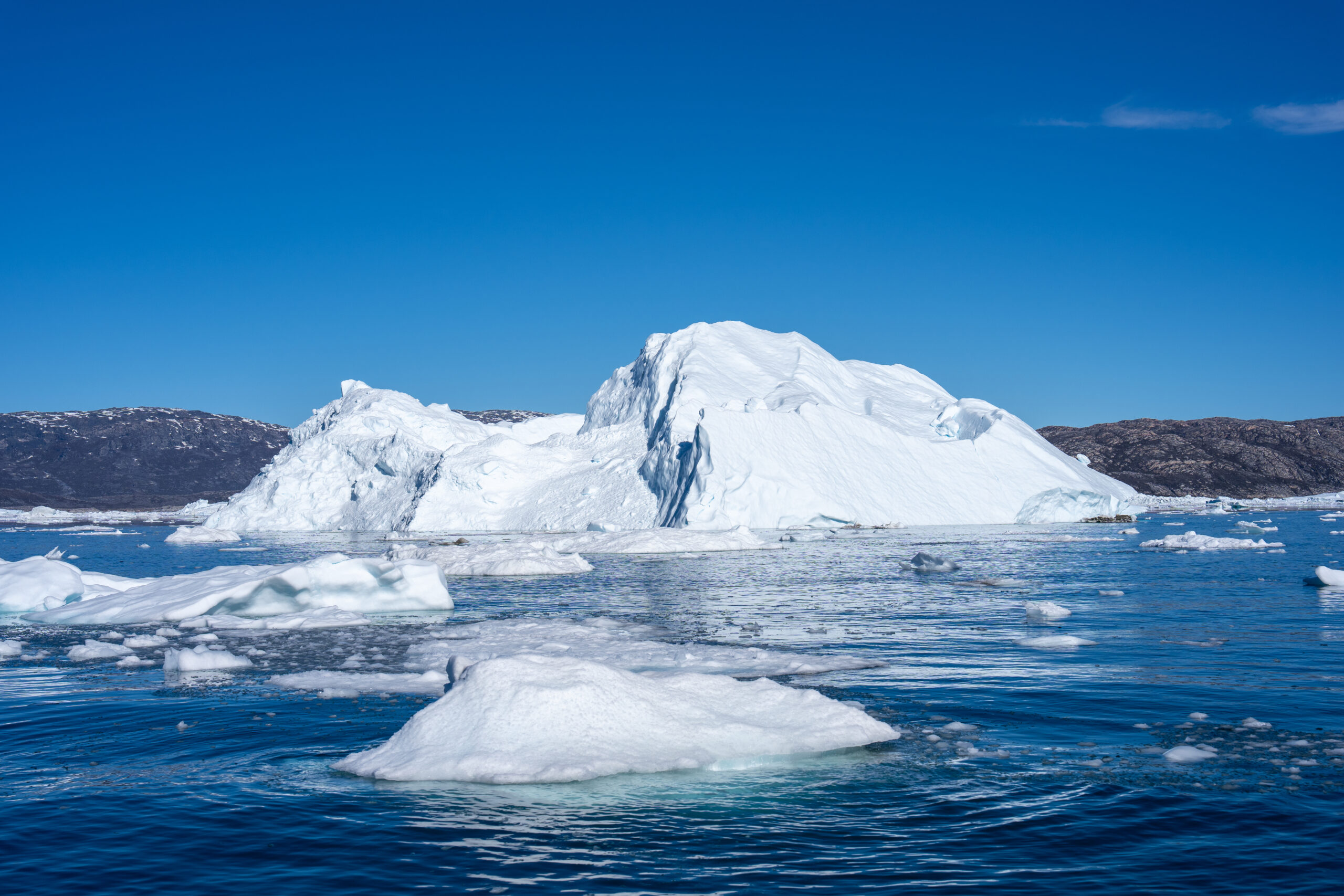
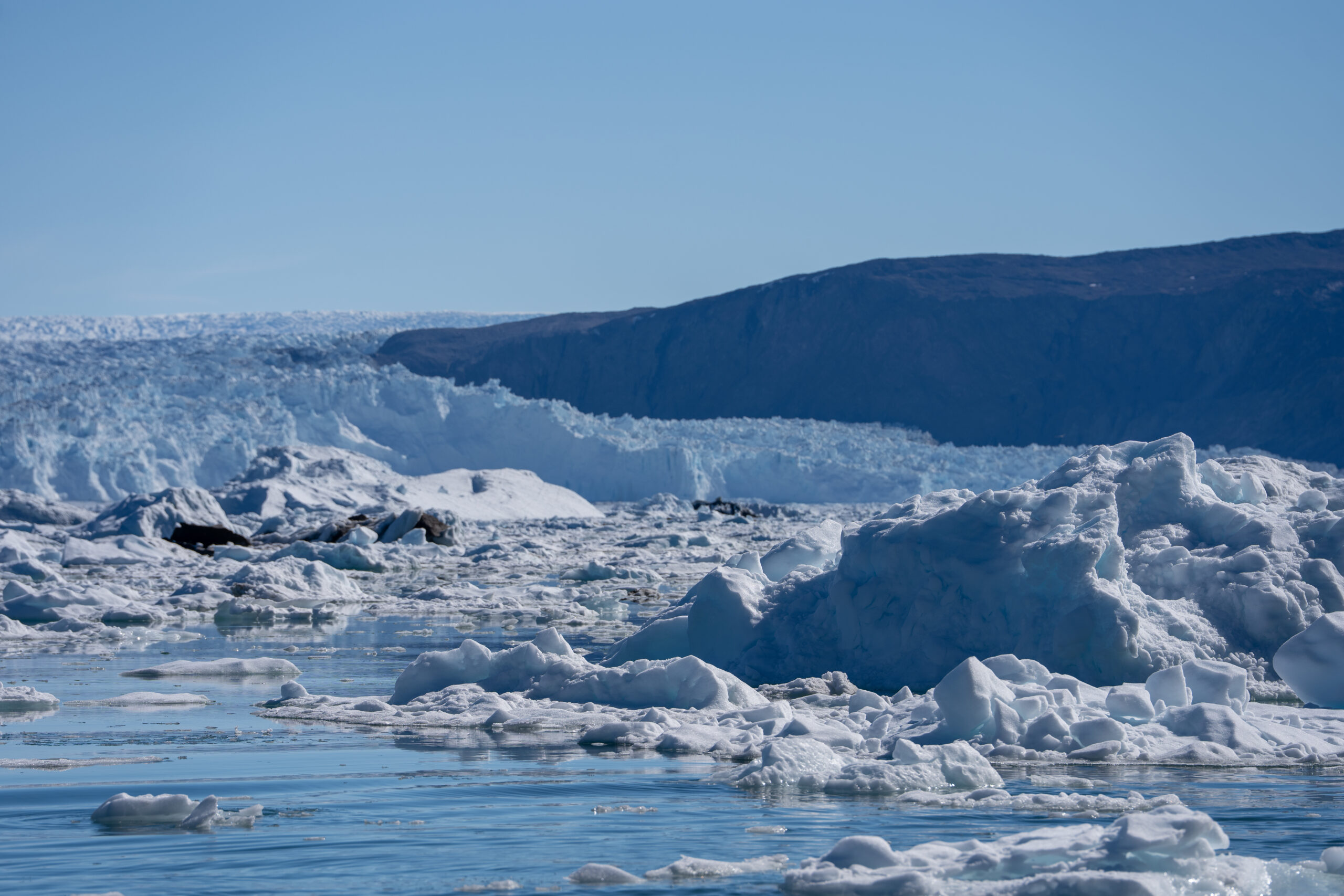
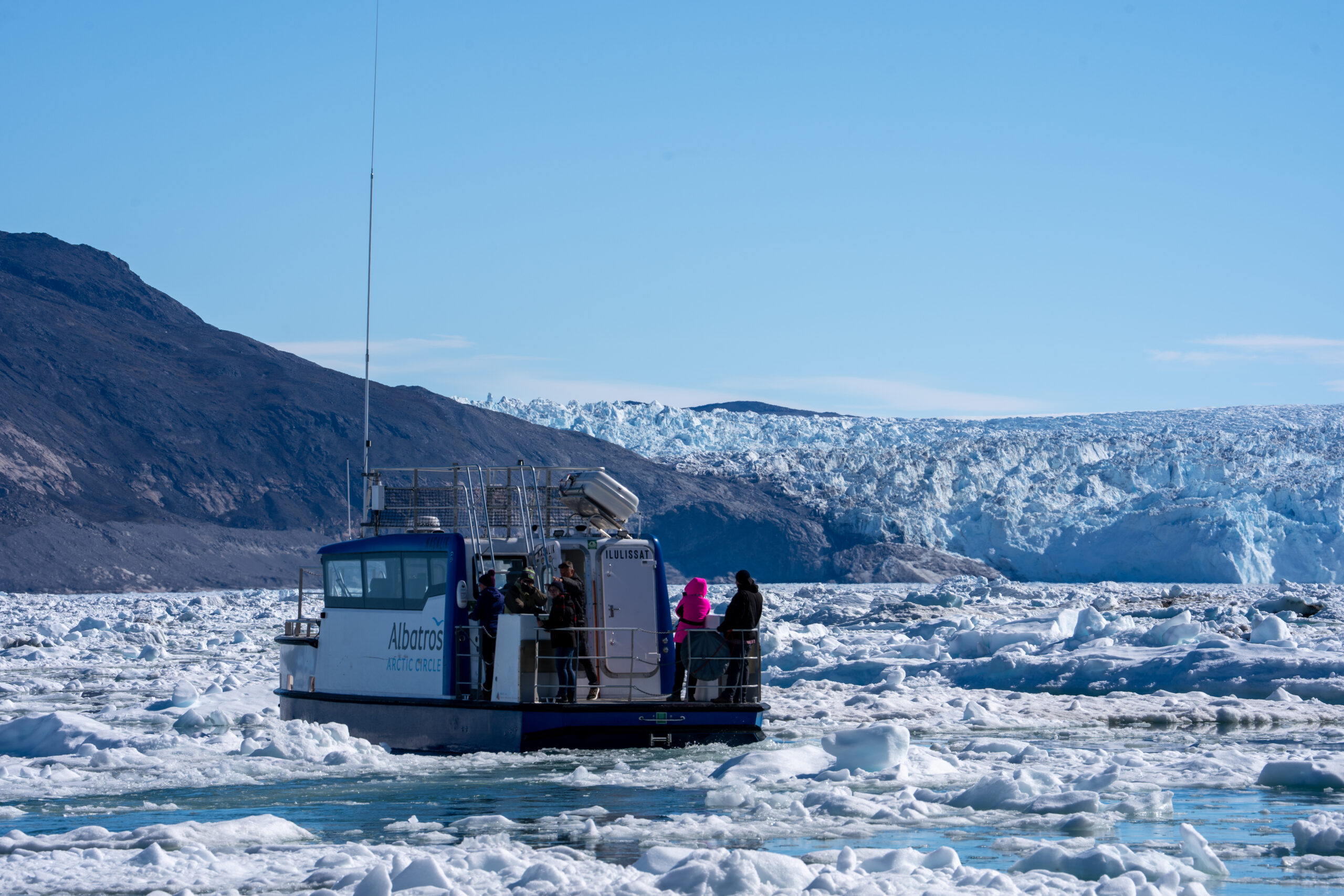
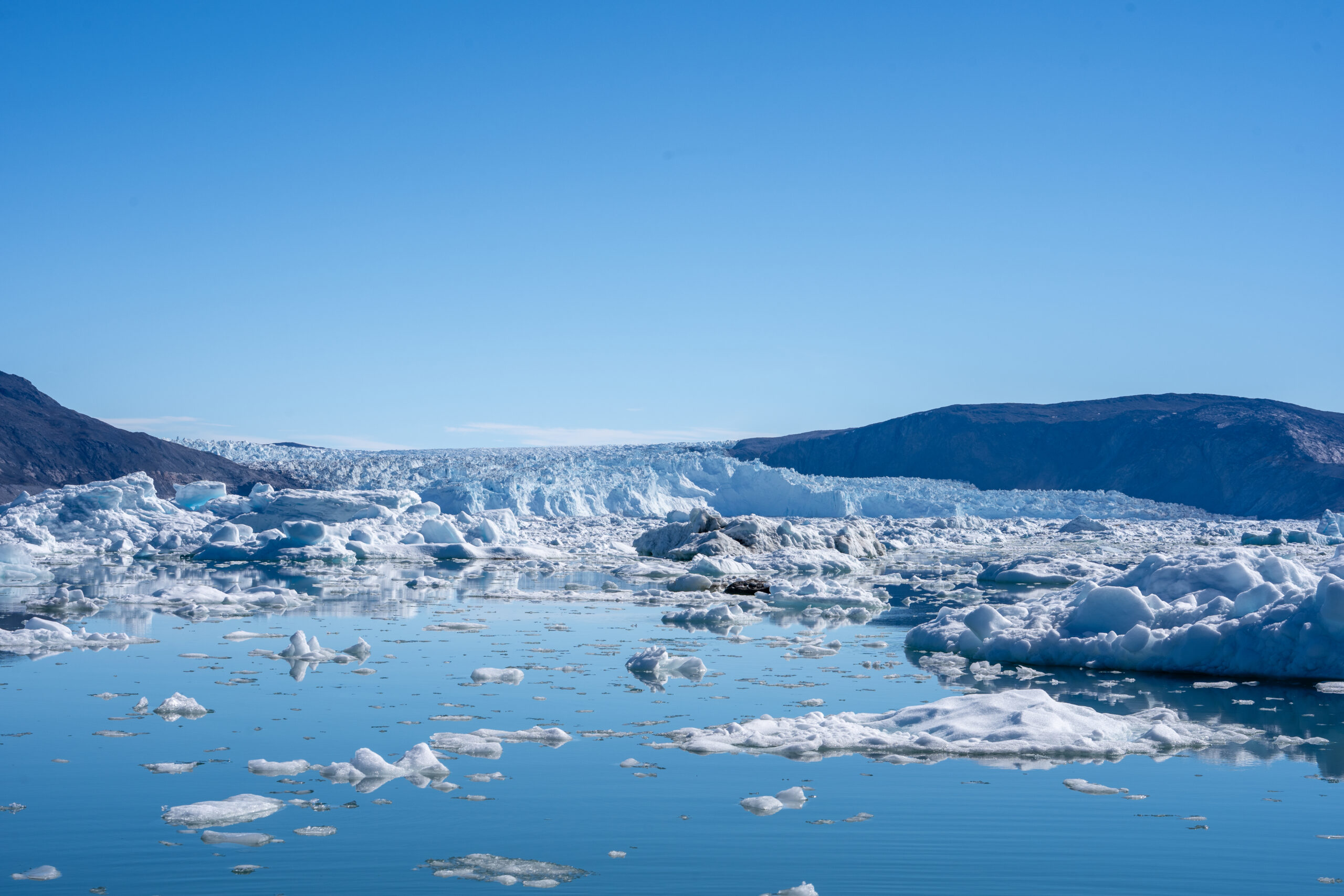
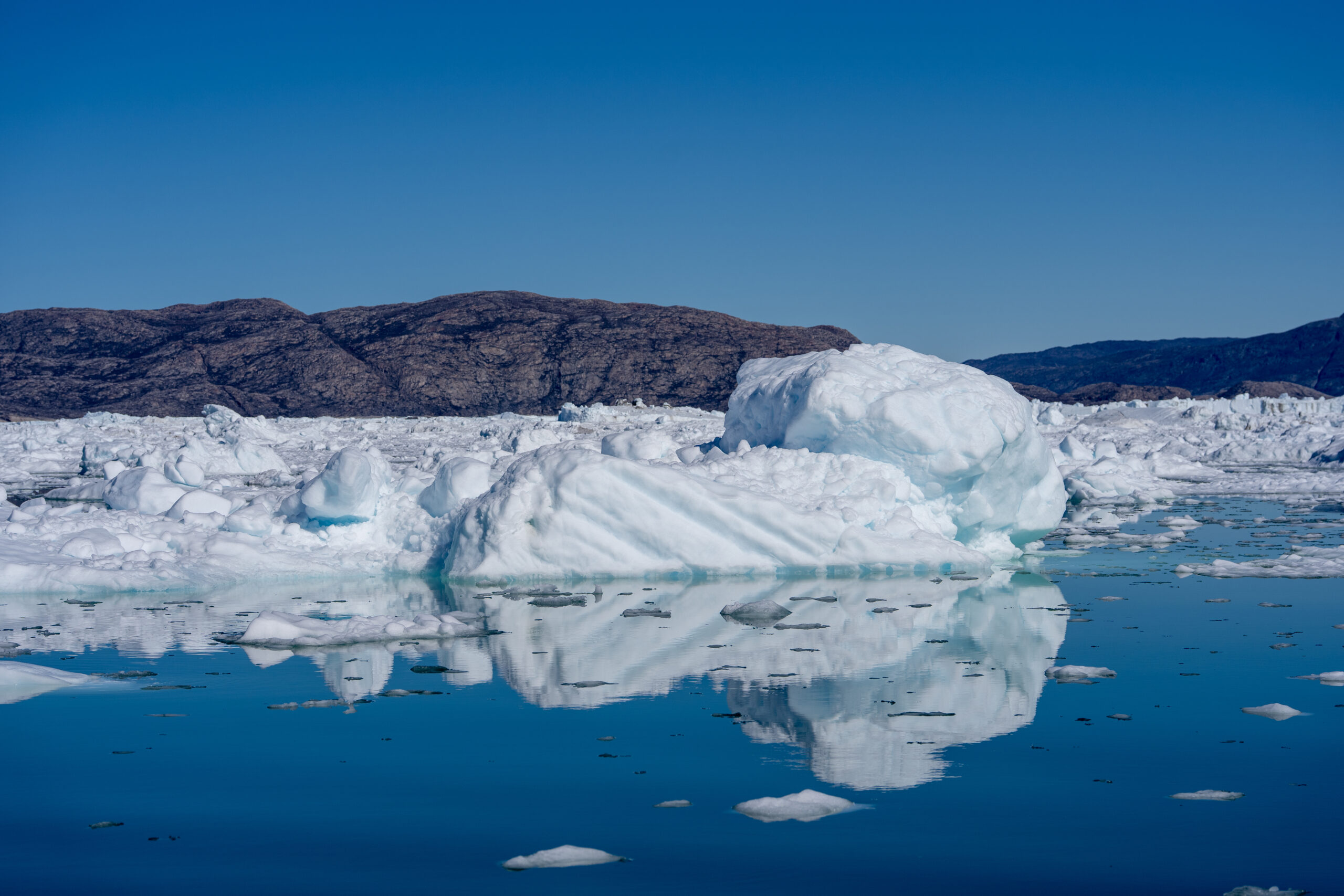
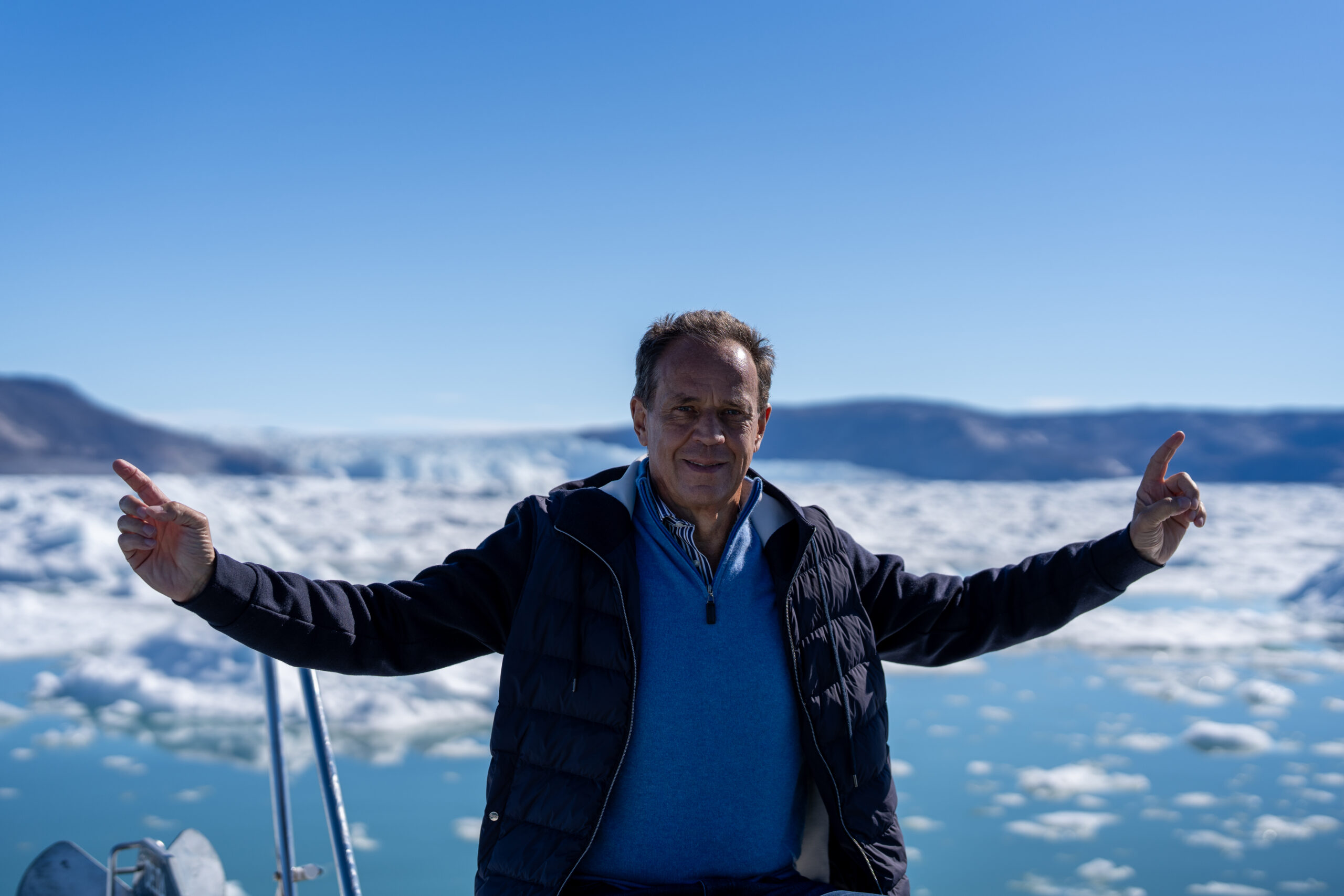
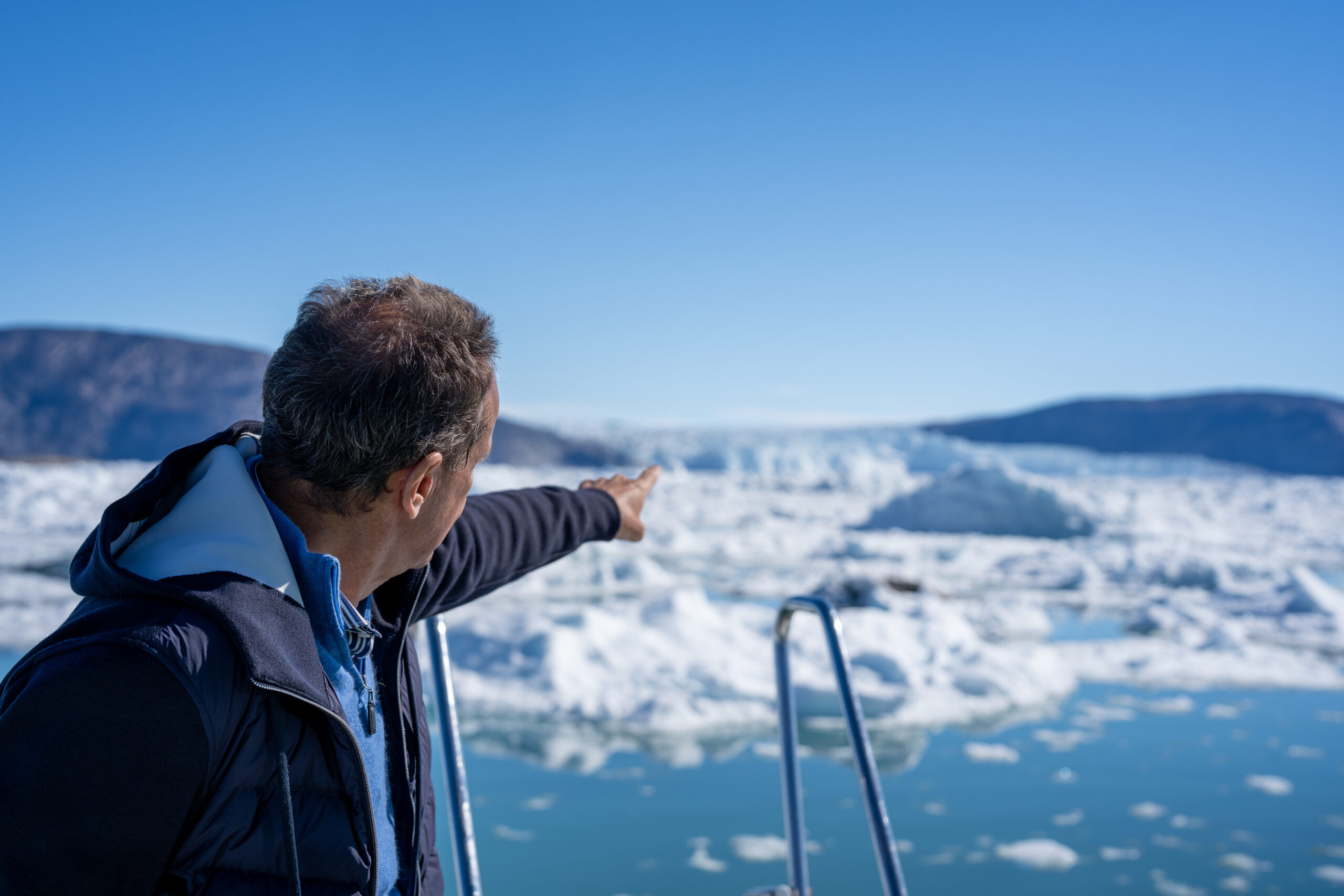
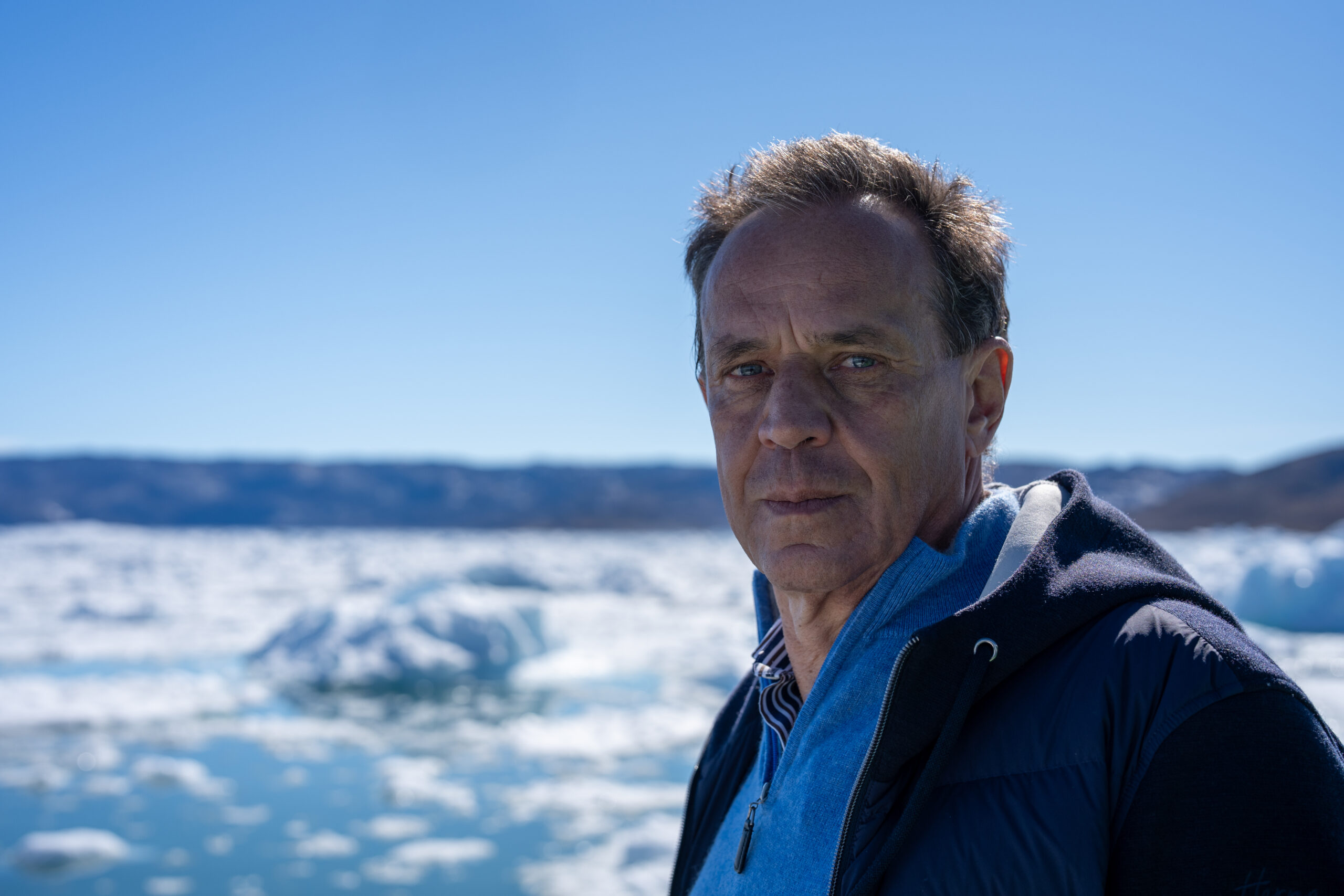
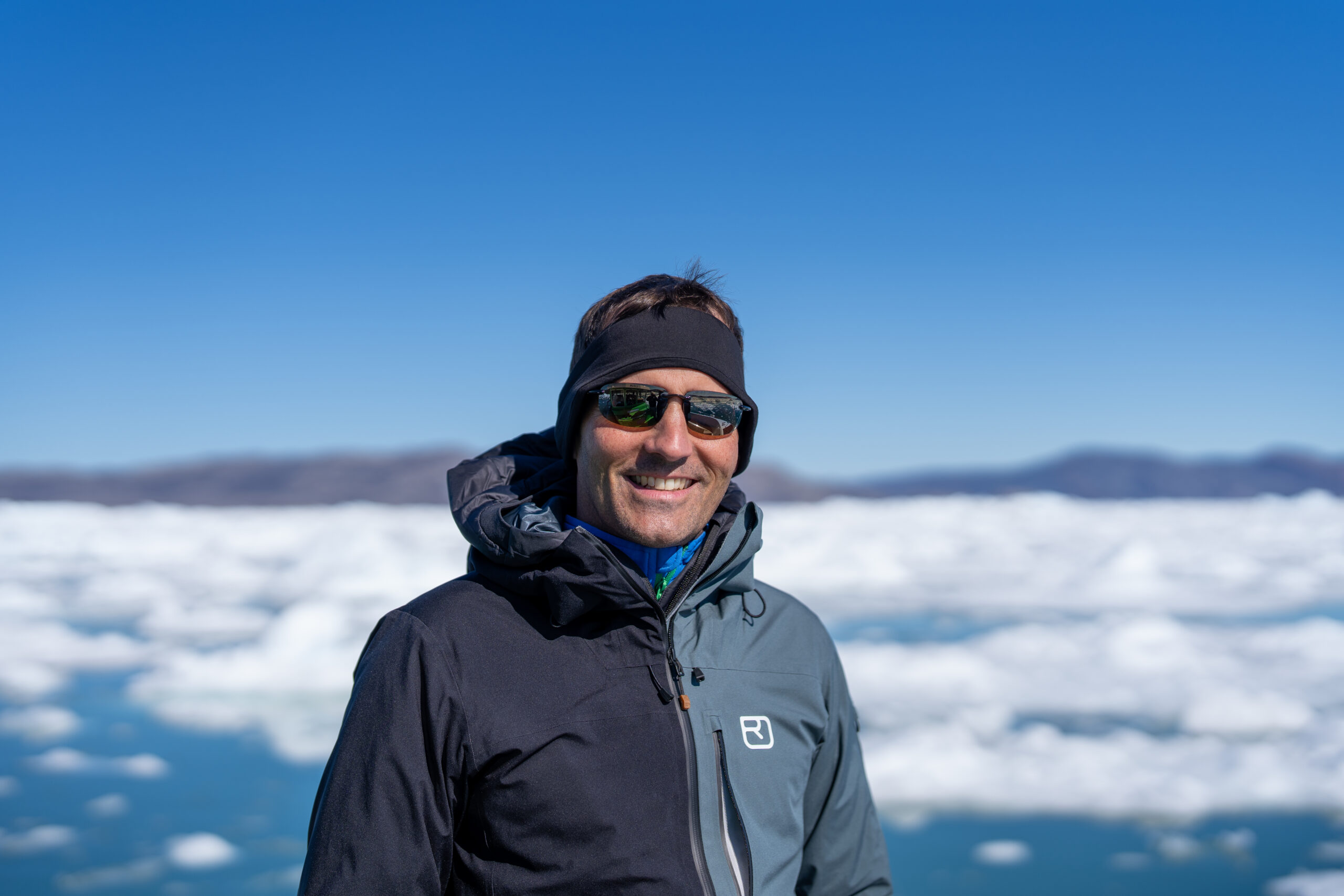
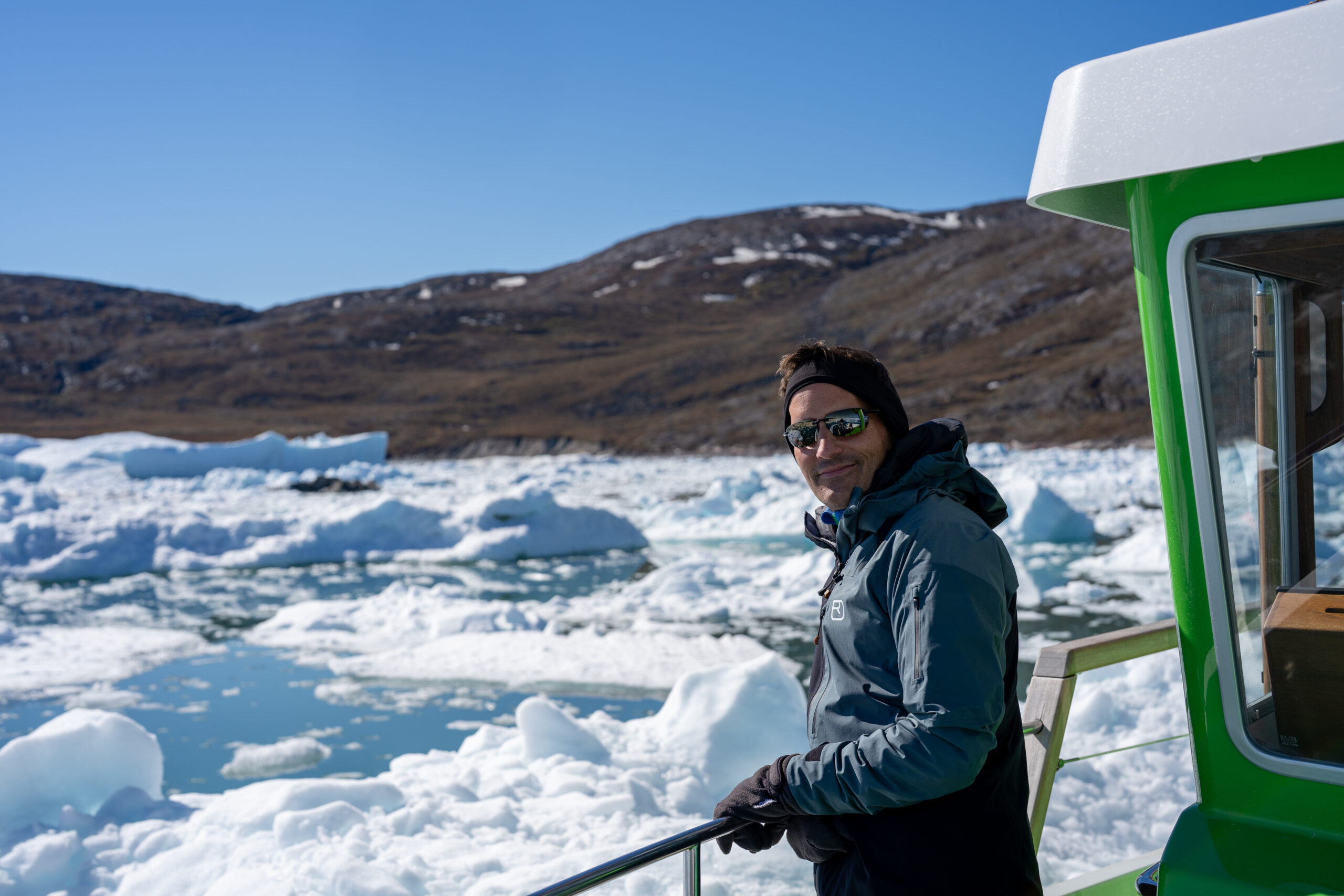
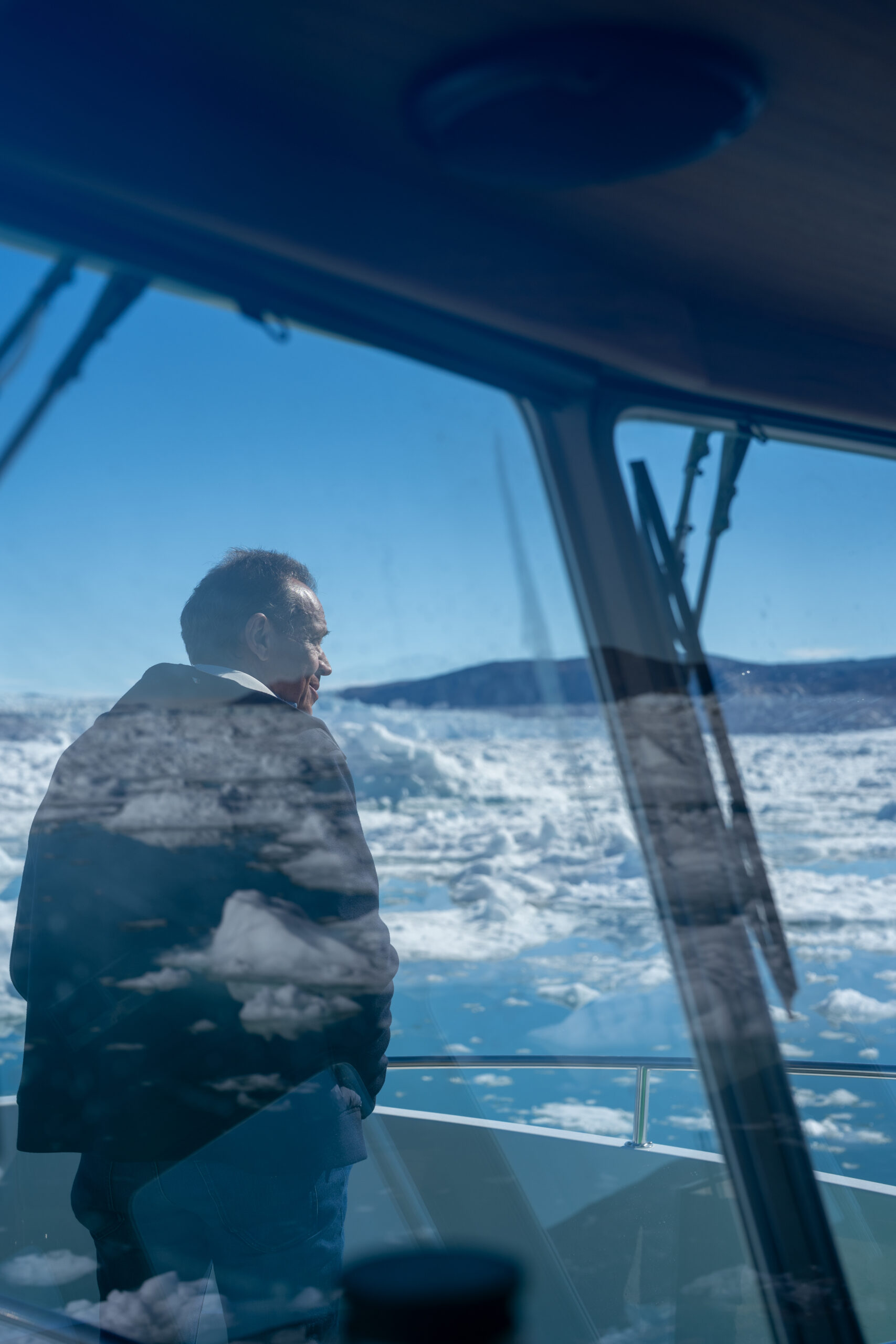
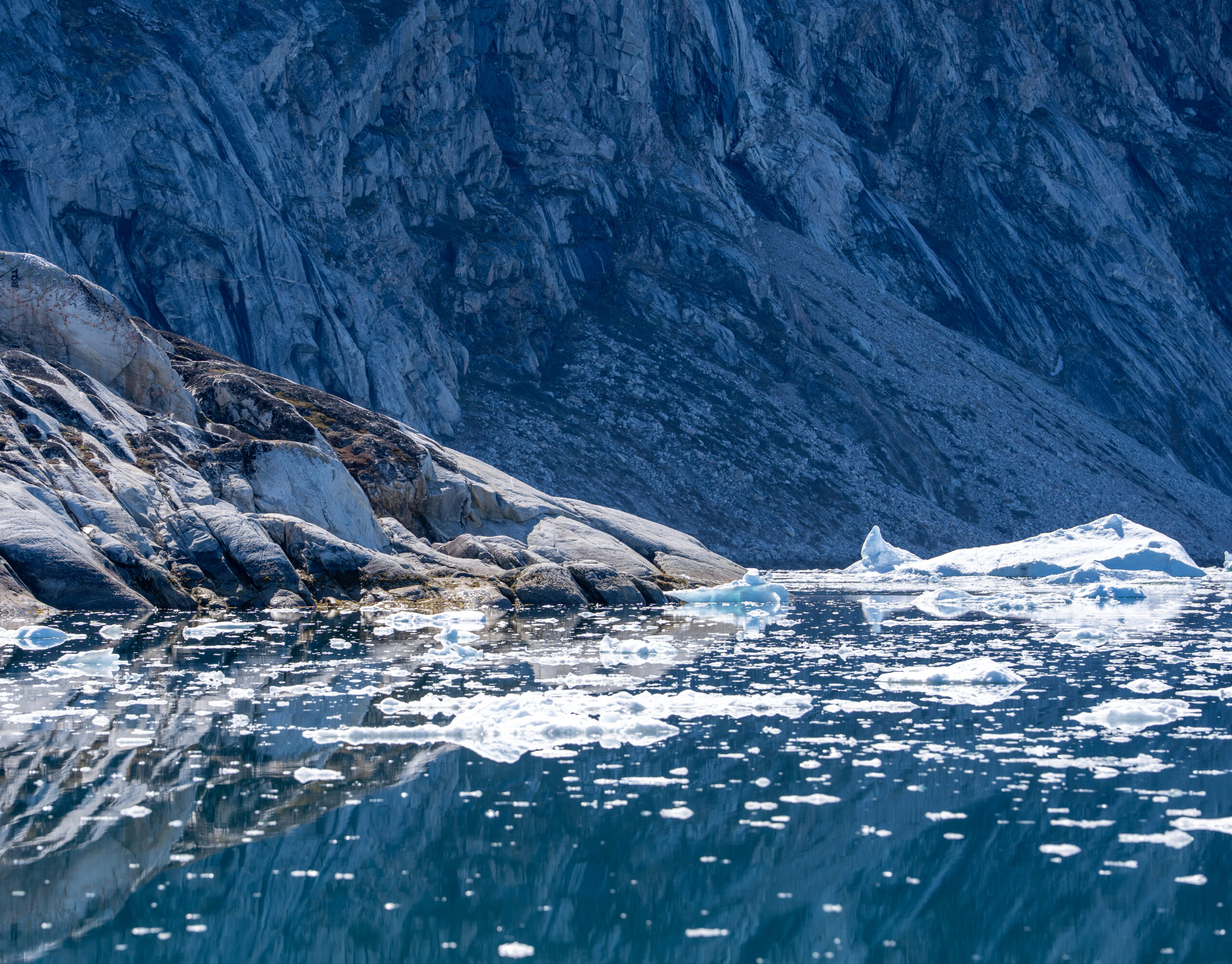
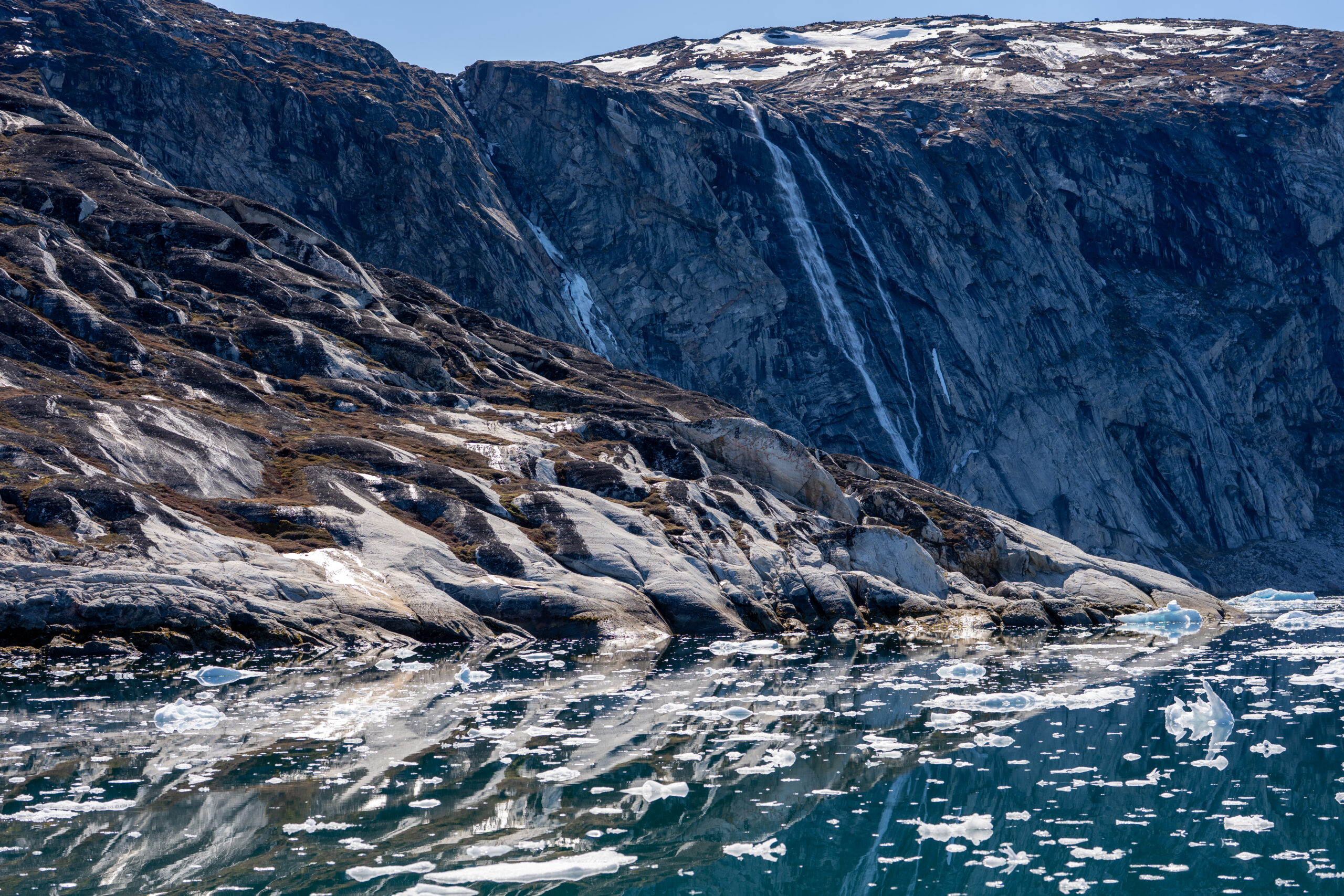
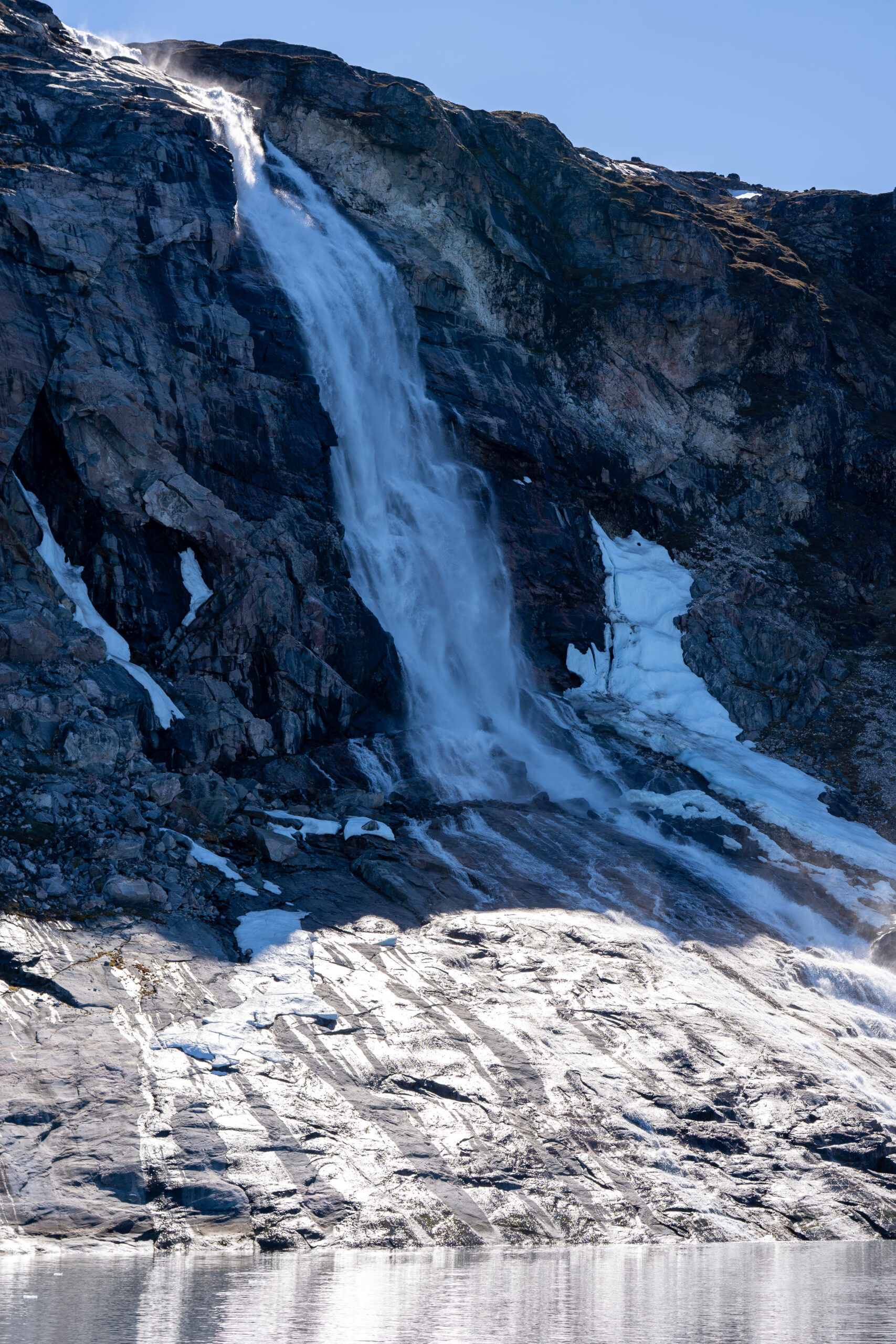
We were up early again for a glacier tour to the Eqi Glacier, one of the most active calving glaciers in Greenland. Because it was still early in the season, the ice would only let us get to within about eight kilometres of the face. The whole outing ran around six hours, which broke down neatly into two hours getting there, two hours picking our way through the ice, and two hours back. Even at a distance the glacier is enormous and makes for a great view.
Before we had left for the Glacier, the pilots held a brief conference and decided, citing what they called situational awareness, that we should depart that same evening rather than wait for the morning. The official reasoning was a concern about fog rolling in the next day. A potential unofficial reasoning, which presumably carried at least equal weight, was a strong disinclination to spend another night trying to sleep under the sun in a glass house. So we flew on to Keflavik in Iceland, landed, checked into the hotel, and slept.
Day Twenty-Nine: Keflavik to Mollis
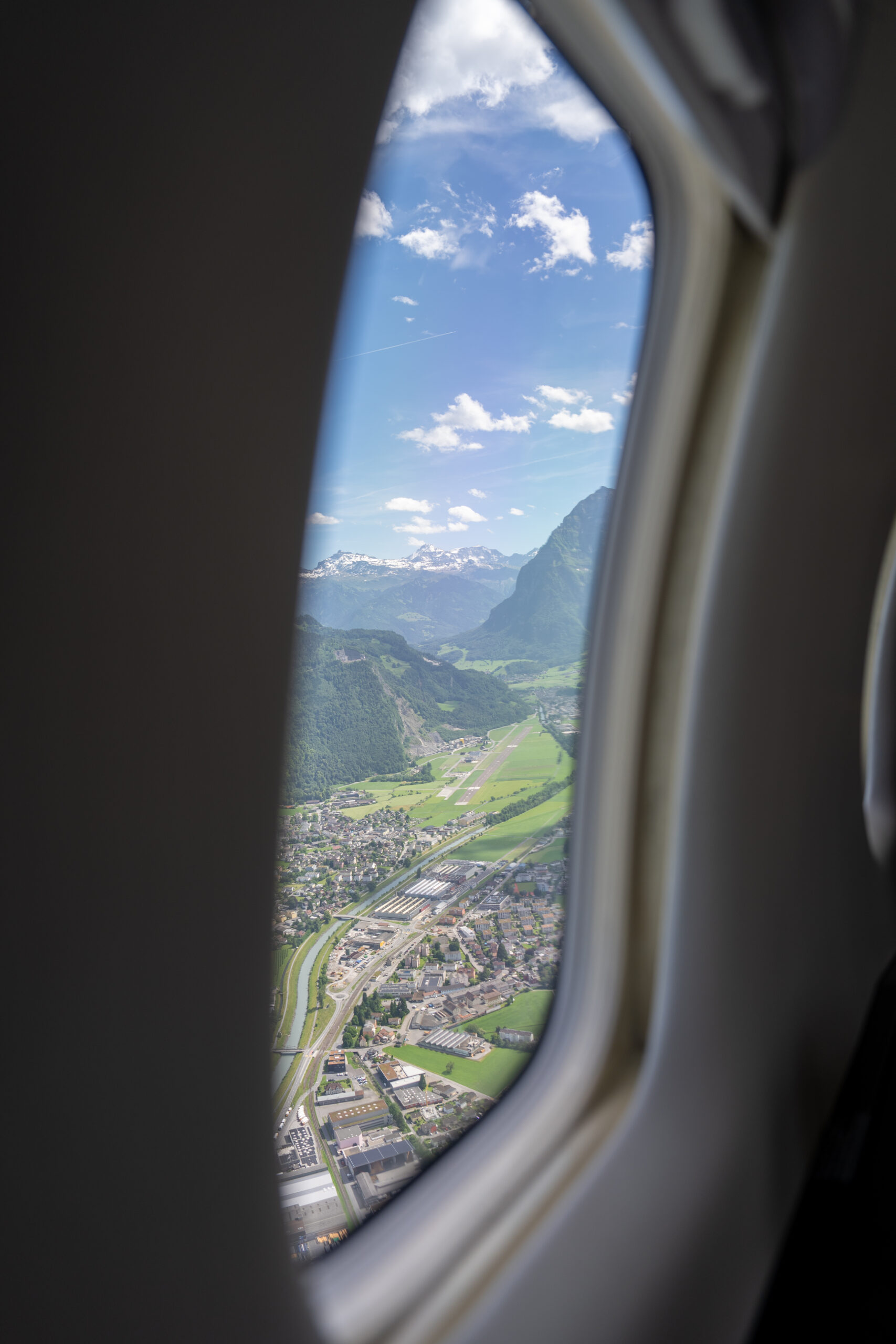
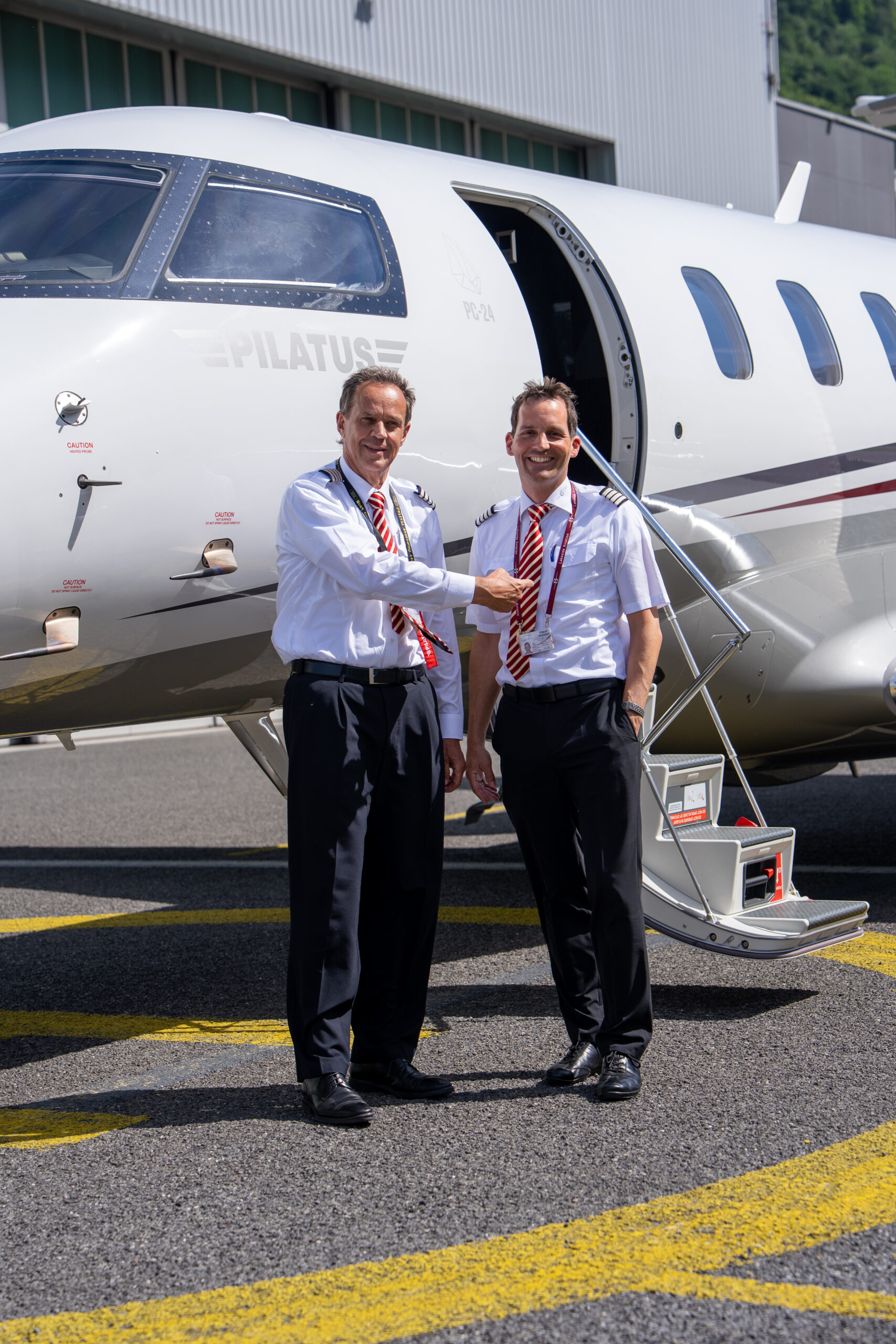
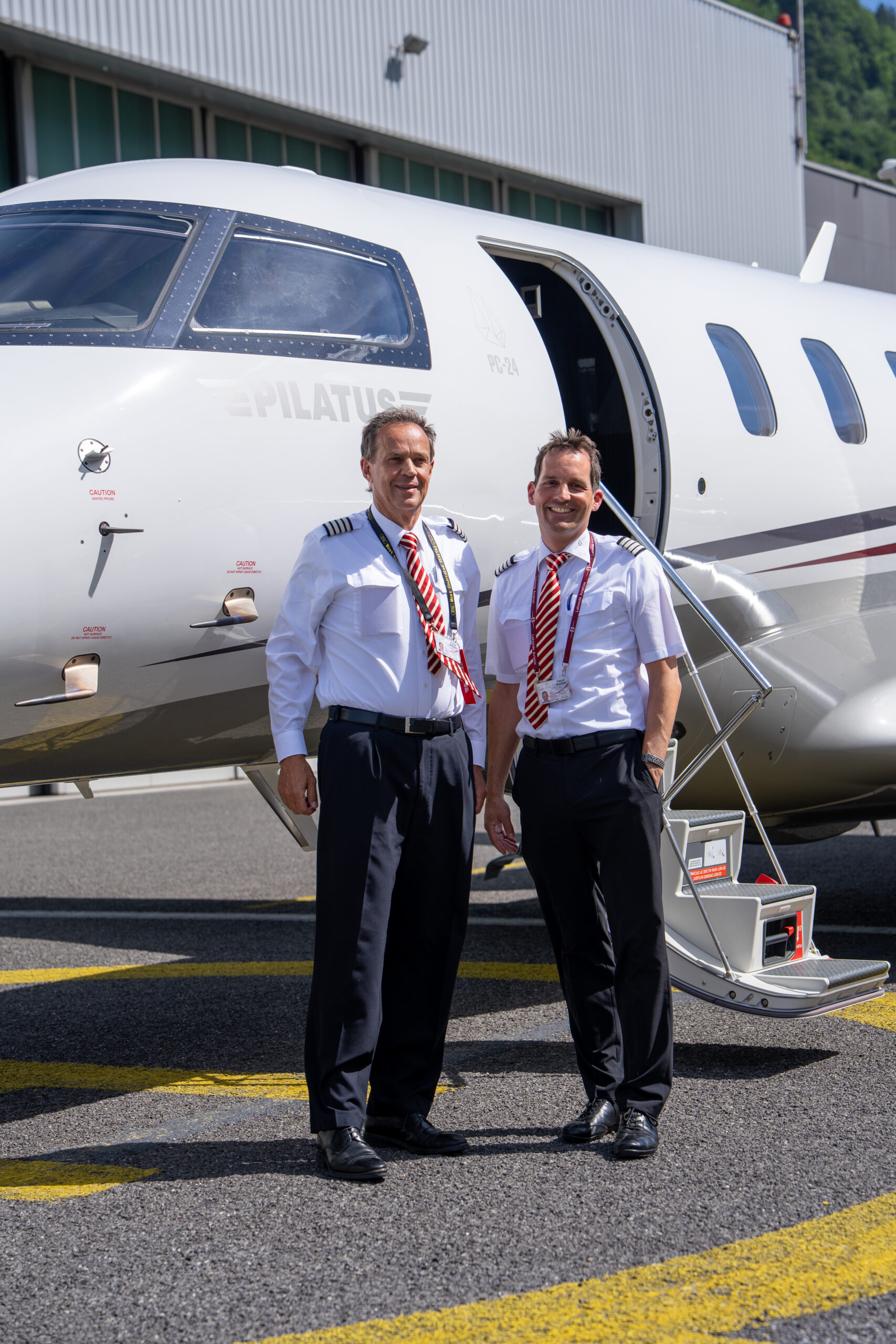
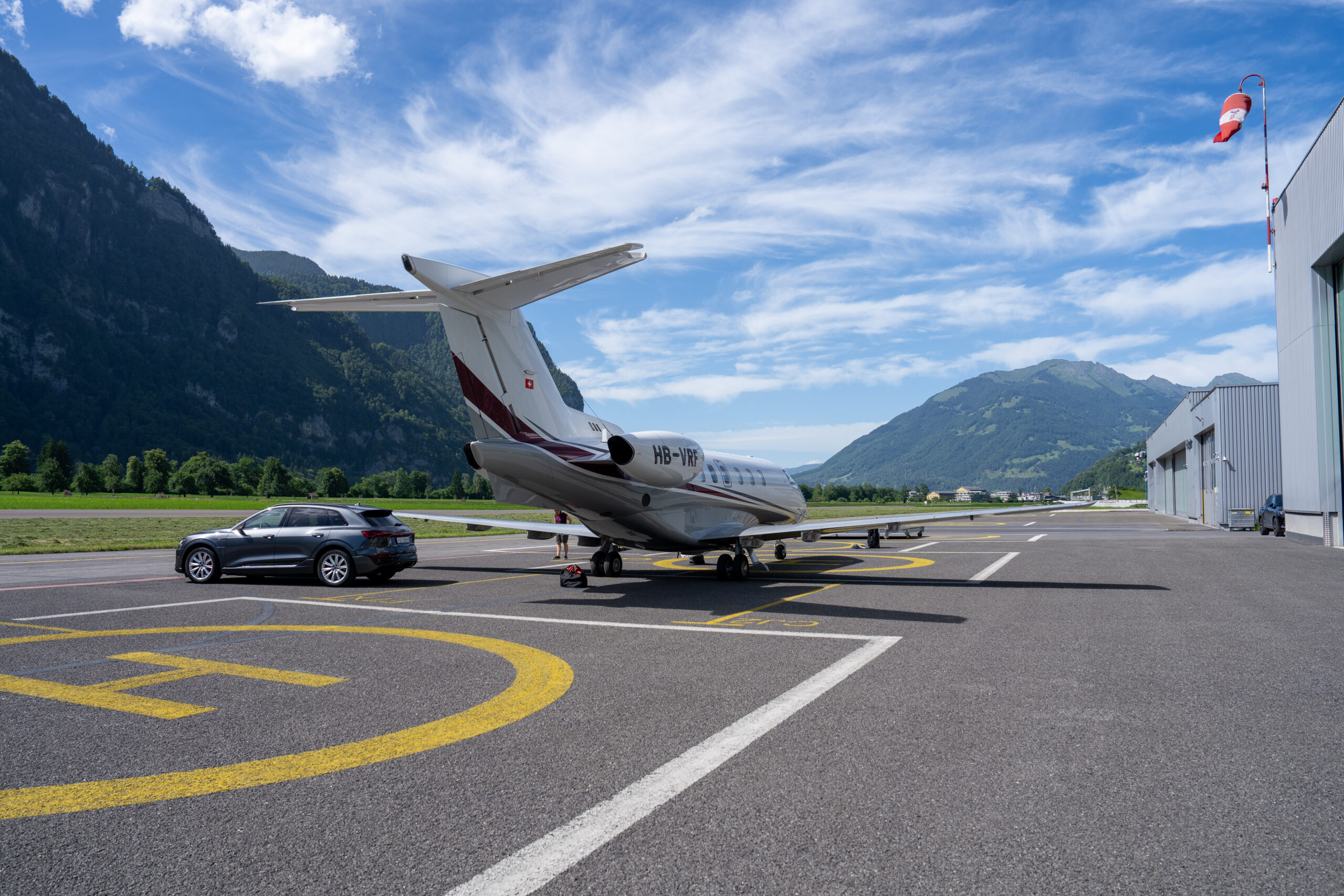
In the morning we left at nine for the final leg home. For once the weather was on our side, and with a decent tailwind the flight was meant to come in at three hours and forty-five minutes. We did lose a little time on the ground beforehand, courtesy of airport staff who were not operating at peak attentiveness, but once we were airborne the flight home was about as easy as flying gets.
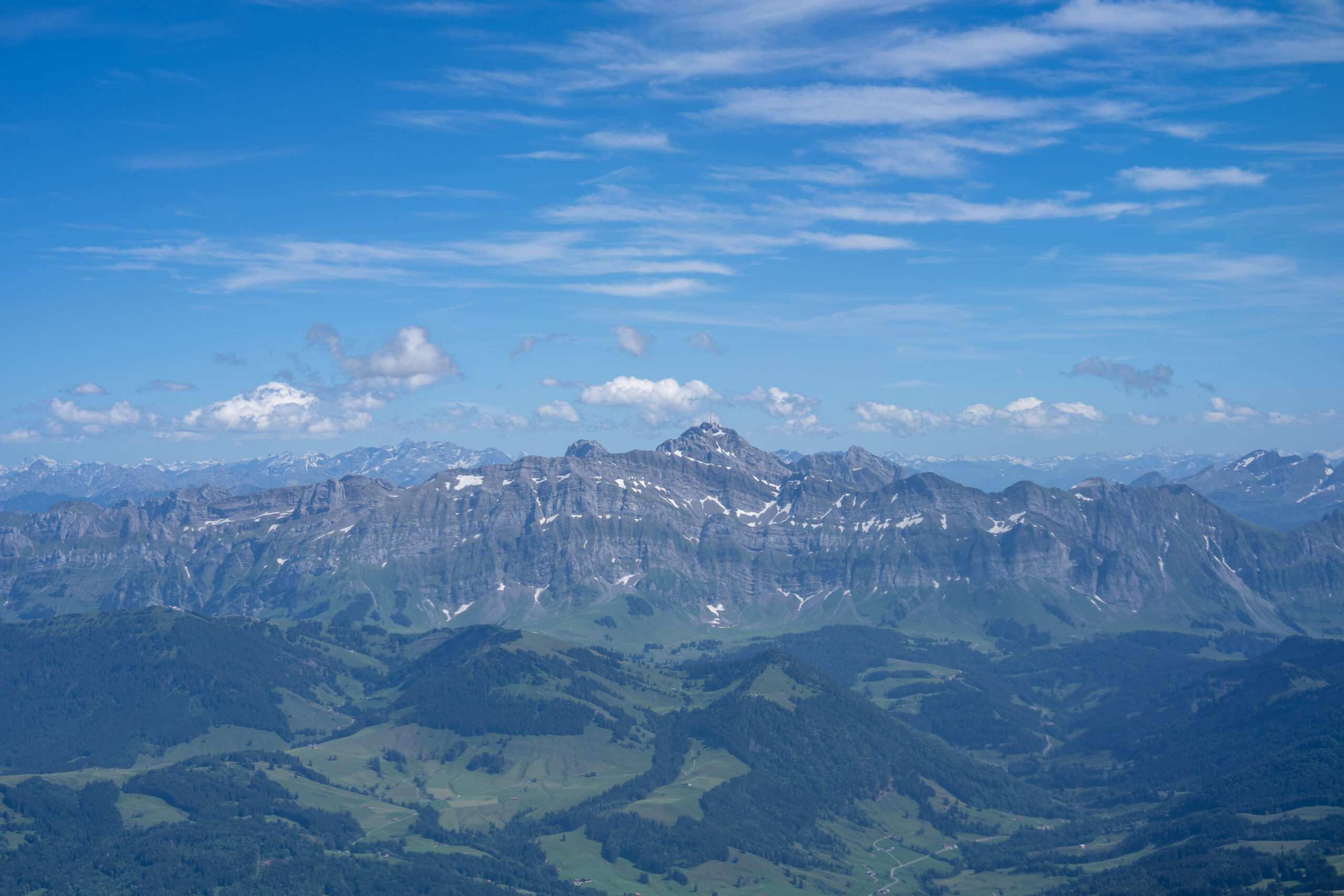
The trip had handed us four distinct weeks, each with its own culture, climate, and time zone, split out fairly evenly between them. However, whilst flying over Switzerland it was hard to conclude anything other than that home remains the most beautiful.
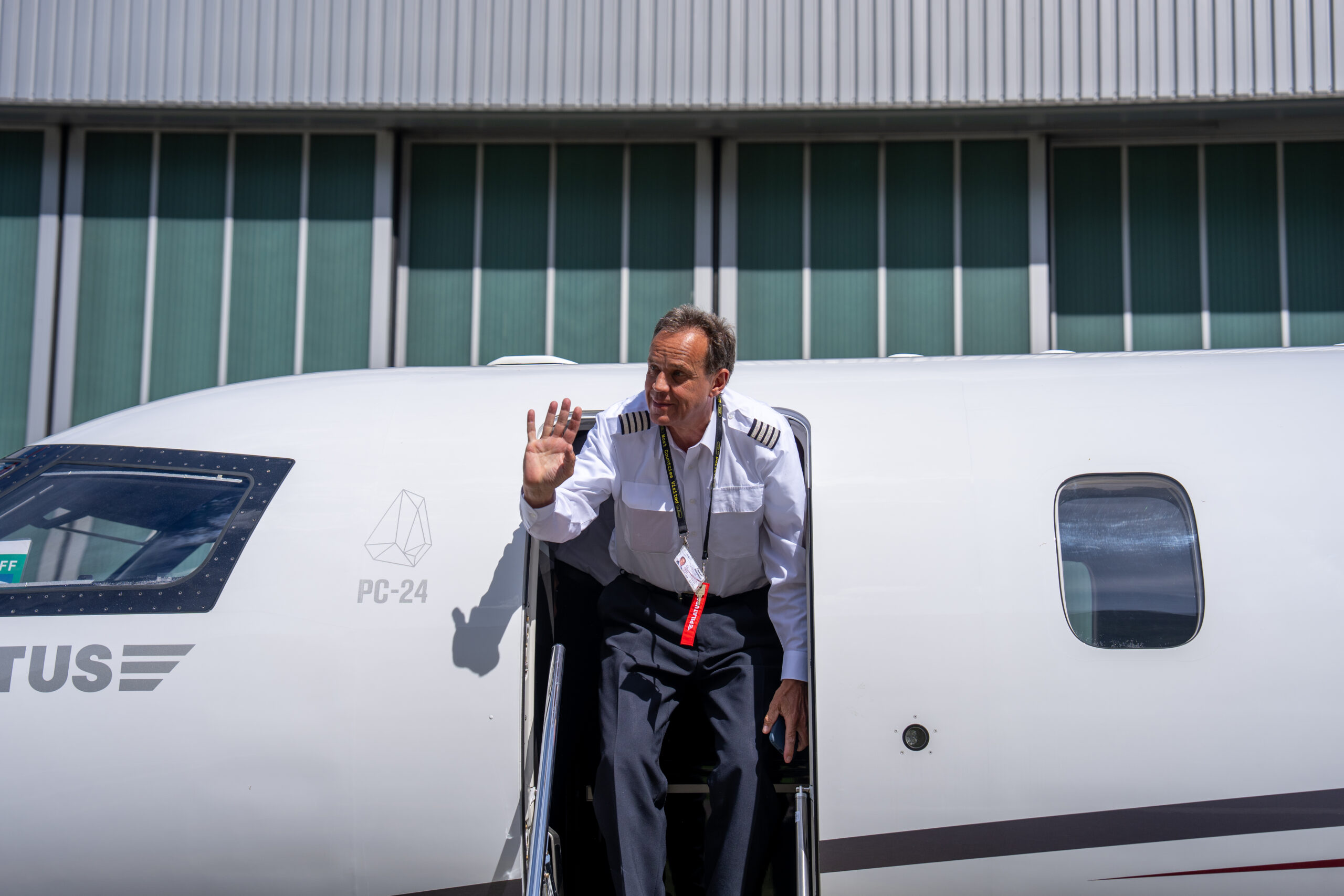
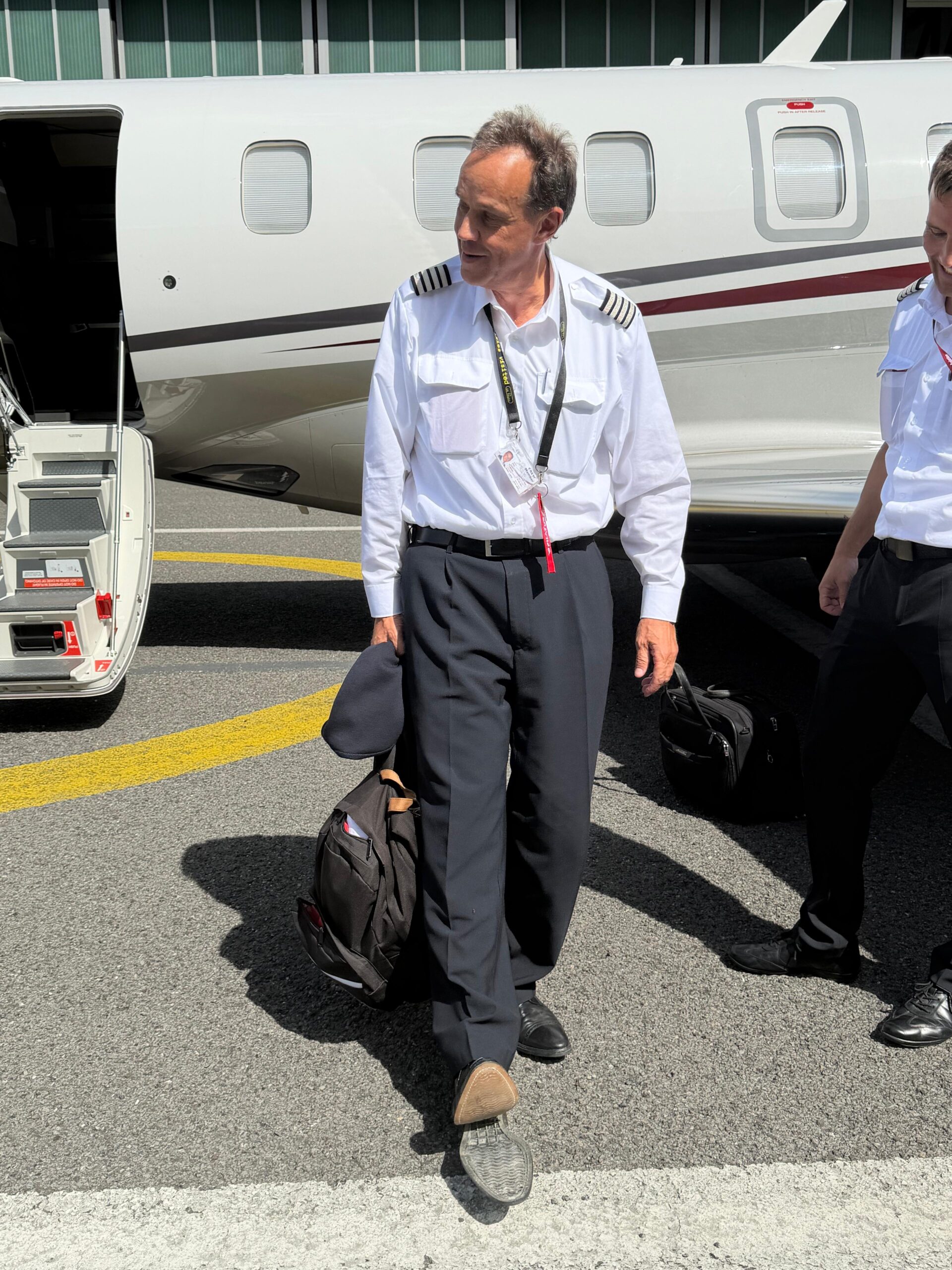
The final words of this trip’s blog are dedicated to RMF. His shoes had held together across the entire journey, every leg, every country, every continent. As he stepped off the aircraft, the sole gave up completely and parted ways with the rest of the shoe. Everybody was happy to be home.
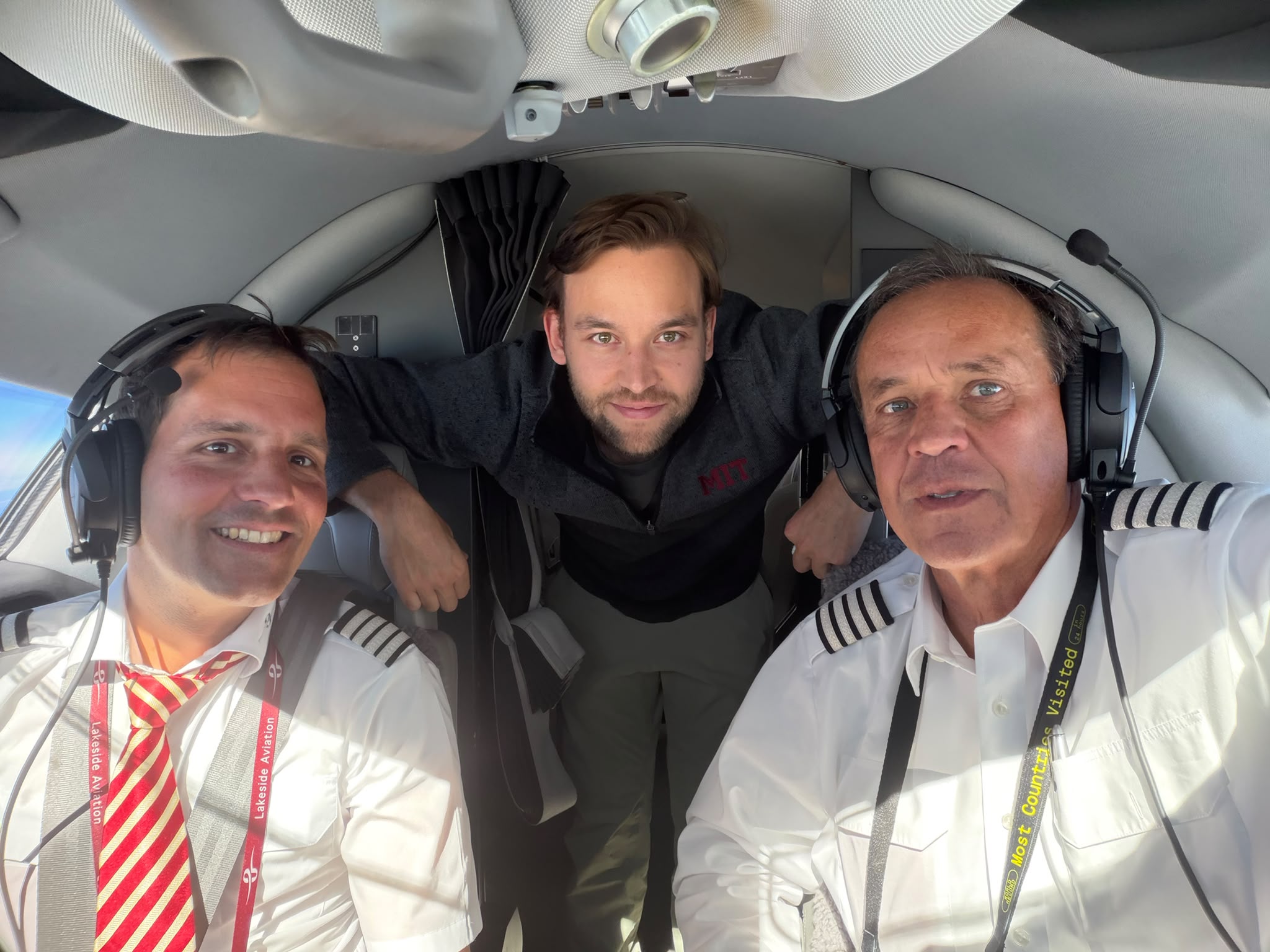
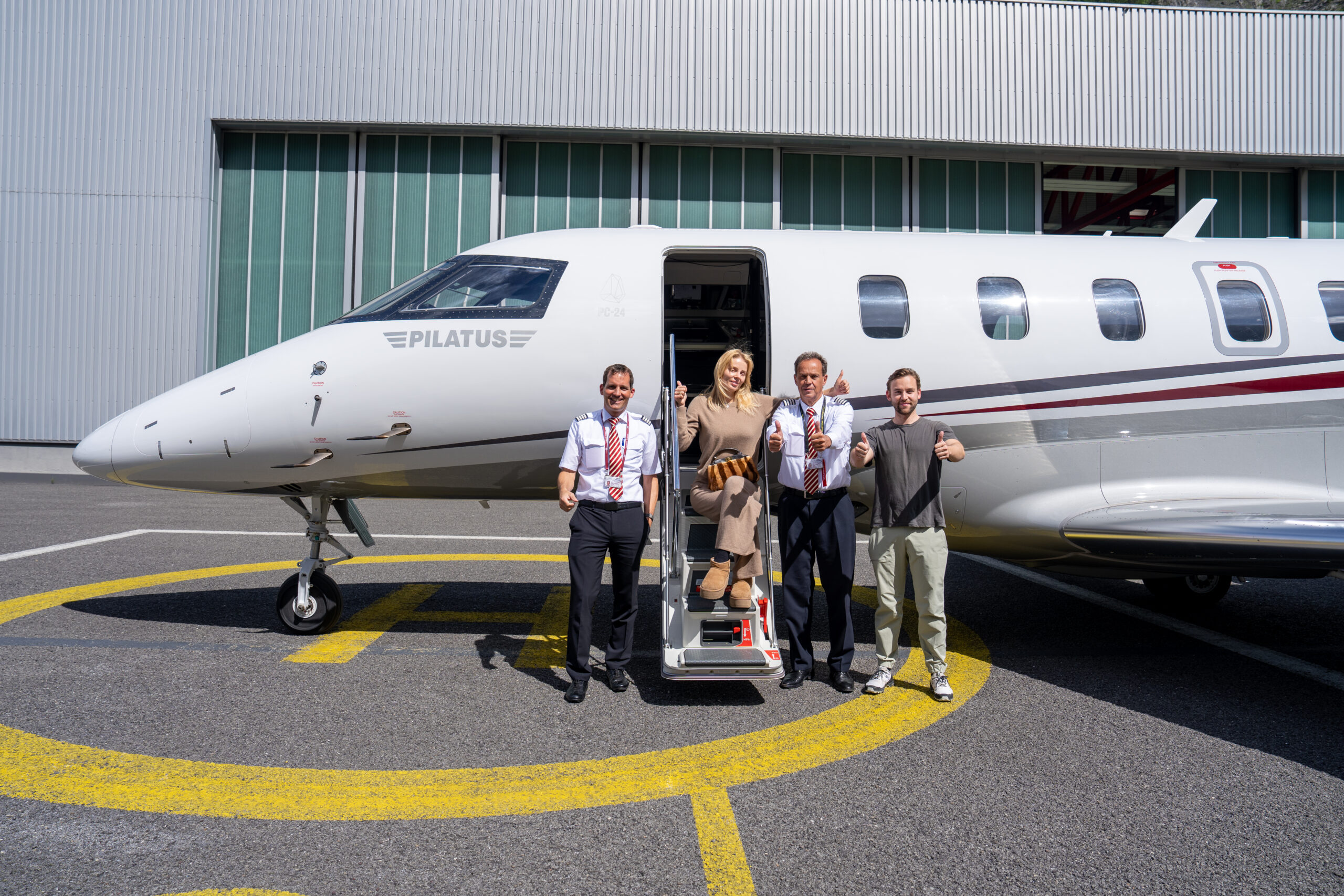
Many thanks to the two pilots, the ground crew, and the guests, and to everyone who followed along. We very much enjoyed this trip, and we are already looking forward to the next one.
Nuuk is the capital of Greenland. The city was founded in 1728 by the Danish-Norwegian missionary Hans Egede when he relocated from the earlier Hope Colony (Haabets Koloni), where he had arrived in 1721; the governor Claus Paarss was part of the relocation. The new colony was placed at the Inuit settlement of Nûk and named Godthaab (‘good hope’). Nuuk is the Greenlandic word for ‘cape’ and is commonly found in Greenlandic place names. It is so named because of its position at the end of the Nuup Kangerlua fjord on the Labrador Sea’s eastern shore. Its latitude, at 64°11′ N, makes it the world’s northernmost capital, a few kilometres farther north than Reykjavík. Wikipedia
When home rule was established in 1979, the authorization of place names was transferred to Greenlandic authorities, who preferred Greenlandic names to Danish ones. The name Godthåb mostly went out of use over the next two decades. Godthaab became the seat of government for the Danish colony of South Greenland, while Godhavn (modern Qeqertarsuaq) was the capital of North Greenland until 1940, when the administration was unified in Godthaab. In 1733, Moravian missionaries received permission to begin a mission on the island; in 1747, there were enough converts to prompt the construction of the Moravian Brethren Mission House and the formal establishment of the mission as New Herrnhut. This became the nucleus of present-day Nuuk as many Greenlanders from the southeastern coast left their territory to live at the mission station. Nuuk’s history of habitation dates back much further. It was first occupied by the Saqqaq culture as early as 2200 BC, followed by the Dorset culture, who disappeared before AD 1000. In the 10th century, Viking explorers arrived, and soon after, Inuit peoples also settled the area. Wikipedia + 2
With 19,872 inhabitants as of January 2024, Nuuk is by far Greenland’s largest town. Its population has doubled since 1977, increased by over a third since 1990, and risen by almost 21% since 2000. Today, Nuuk has the highest proportion of Danes of any town in Greenland. Half of Greenland’s immigrants live in Nuuk, which also has a quarter of the country’s native population. As the capital of Greenland, Nuuk is its administrative center, containing all important government buildings and institutions. The public sector bodies are also the town’s largest employer. Greenland’s self-government parliament, the Inatsisartut, sits in Nuuk. Nuuk has several educational institutions of higher learning. The University of Greenland (Ilisimatusarfik), Greenland’s only university, is in Nuuk. It was founded in 1987. Wikipedia
Reference: Wikipedia.org under https://en.wikipedia.org/wiki/Nuuk
Ilulissat, also known as Jakobshavn or Jacobshavn, is the municipal seat and largest town of the Avannaata municipality in western Greenland, located approximately 350 km (220 mi) north of the Arctic Circle. With a population of 5,149 as of 2025, it is the third-largest city in Greenland, after Nuuk and Sisimiut. The city is home to almost as many sled-dogs as people. In direct translation, Ilulissat is Greenlandic for “[the] icebergs”. The nearby Ilulissat Icefjord is a UNESCO World Heritage Site, and has made Ilulissat the most popular tourist destination in Greenland. Tourism is now the town’s principal industry. Wikipedia
Archaeological finds at Semermiut, near Ilulissat, show that the area was inhabited by Inuit peoples from prehistoric times, with evidence of Saqqaq settlement around 1500 BC and Dorset occupation from about 300 AD. The town was established as a trading post by Jacob Severin’s company in 1741; it was named in his honor after the Battle of Jacobshavn, in which Danish forces defeated the Dutch whalers. The Zion Church (Zions Kirke) was built in the late 18th century; it was the largest man-made structure in Greenland at the time. The final resident of nearby Sermermiut moved to Ilulissat in 1850. The town was the site of the Arctic Ocean Conference in May 2008. The joint meeting between Canada, Denmark, Norway, Russia, and the United States was held to discuss key issues relating to territorial claims in the Arctic and Arctic shrinkage produced by climate change. The Ilulissat Declaration arose from the conference. Wikipedia
The city neighbours the Ilulissat Icefjord, where there are enormous icebergs from the most productive glacier in the northern hemisphere. Ilulissat has a tundra climate with long, cold winters and short, cool summers. Ilulissat is one of the driest settlements in Greenland, receiving only 271 millimetres or 10.67 inches of precipitation. Ilulissat is also one of the sunniest settlements in Greenland, especially during summer. The icebergs for which Ilulissat is famous originate at Sermeq Kujalleq, otherwise known as the Jakobshavn Glacier or the Ilulissat Glacier. Ilulissat Airport is located 2.8 km to the northeast of the town center and was built in 1983. It serves Ilulissat with connections to towns in northwestern and midwestern Greenland with Air Greenland. Knud Rasmussen (1879–1933), the noted polar explorer and anthropologist referred to as the “father of Eskimology”, was born in Ilulissat. He was the first man to cross the Northwest Passage via dog sled. Wikipedia + 3
Reference: Wikipedia.org under https://en.wikipedia.org/wiki/Ilulissat
Greenland is an autonomous territory of the Kingdom of Denmark and is the largest of the kingdom’s three constituent parts by land area, the others being Denmark proper and the Faroe Islands. Citizens of Greenland are citizens of Denmark. They are thus citizens of the European Union (EU), although Greenland is not part of the EU. It is the world’s largest island and lies between the Arctic and Atlantic oceans, east of the Canadian Arctic Archipelago. It shares a small 1.2-kilometre border with Canada on Hans Island. The capital and largest city is Nuuk. Wikipedia
Formerly consisting of three counties comprising a total of 18 municipalities, Greenland abolished these in 2009 and has since been divided into large territories known as “municipalities”: Sermersooq (“Much Ice”) around the capital Nuuk and also including all East Coast communities; Kujalleq (“South”) around Cape Farewell; Qeqqata (“Centre”) north of the capital along the Davis Strait; Qeqertalik (“The one with islands”) surrounding Disko Bay; and Avannaata (“Northern”) in the northwest. The northeast of the island composes the unincorporated Northeast Greenland National Park. Pituffik Space Base is also unincorporated, an enclave within Avannaata municipality. As a territorial concession granted to the United States in perpetuity, it is administered by the United States Space Force. Wikipedia
In 2025, Greenland had a population of 56,542. Of these, 49,738 people, or 88% of the population, were born in Greenland, while the remaining 6,804 were born outside Greenland. That year, 19,905 people resided in Nuuk. Nearly all Greenlanders live along the fjords in the south-west of the main island, which has a relatively mild climate, especially considering the high latitude upon which it lies. Economically, Greenland is heavily reliant on aid from Denmark, which has averaged 5.4 billion kr. (€724 million) annually in the period 2019–2023, amounting to more than 20% of the territory’s gross domestic product. Greenland is part of the Realm of Denmark, and the capital of Greenland is Nuuk. Nuuk is located approximately 3,500 kilometers from Copenhagen, the capital of Denmark, which Greenland became part of in 1814. As of 1953, the people of Greenland became citizens of Denmark. The official languages are Greenlandic (also known as Kalaallisut, an Inuit language) and Danish. Wikipedia + 2
Reference: Wikipedia.org under https://en.wikipedia.org/wiki/Greenland