
Day Nineteen: Kyoto to Sapporo
We left Kyoto early to drive to the Osaka airport, from which we would fly north to Sapporo. The flight itself was easy and took only about an hour and forty-five minutes. Hokkaido is a different Japan, colder and emptier, and you notice it the moment you land. We drove into town, checked into the hotel, and then, with the rain setting in, declared the afternoon every man for himself.
The group scattered. Some walked the city, some went to the fish market, and some went looking for other food. The noticeable thing about Sapporo is that it was designed by Americans, so it has little of the charm of Kyoto or the other Japanese cities. Instead you get square blocks and wide boulevards.
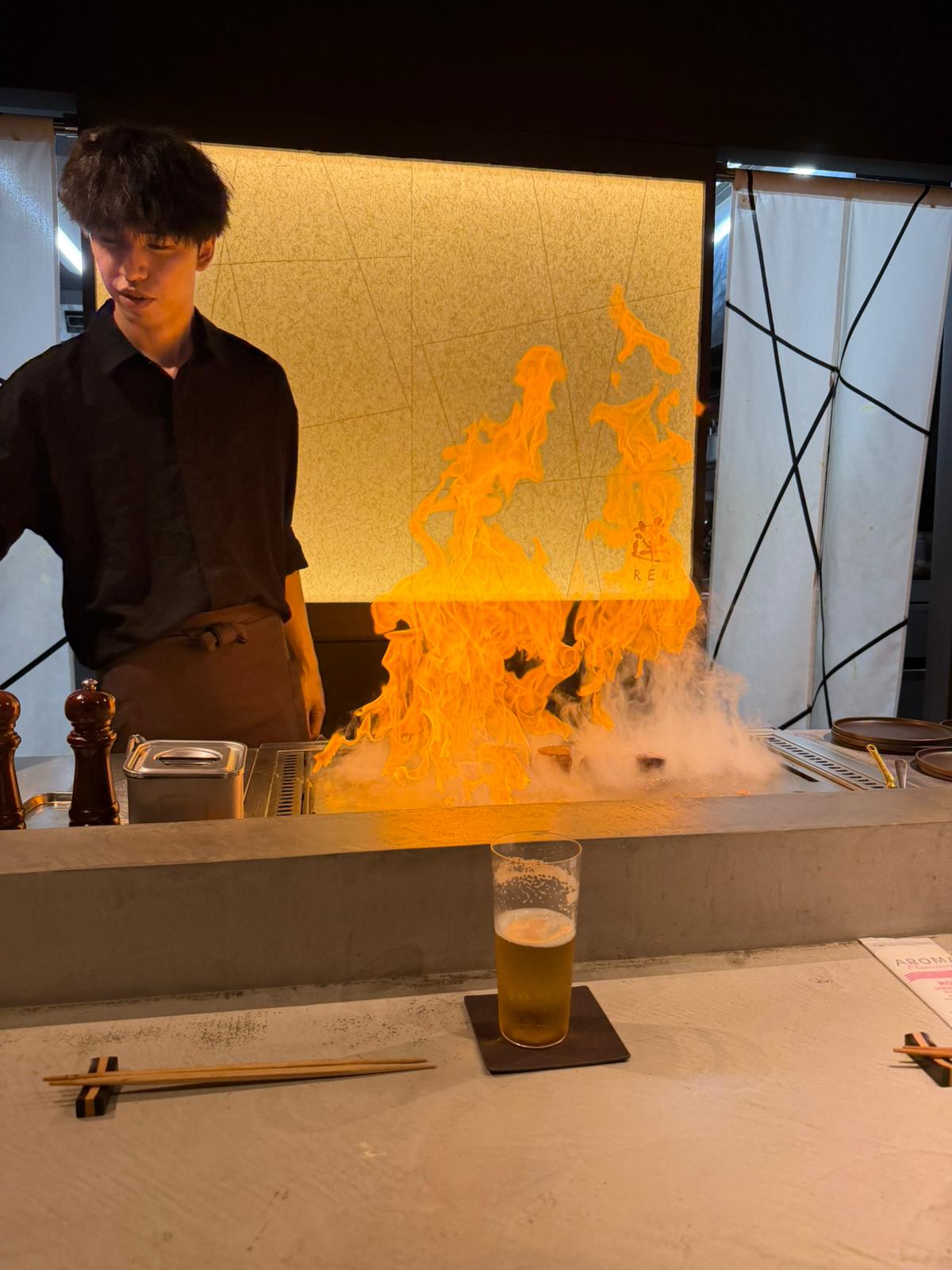
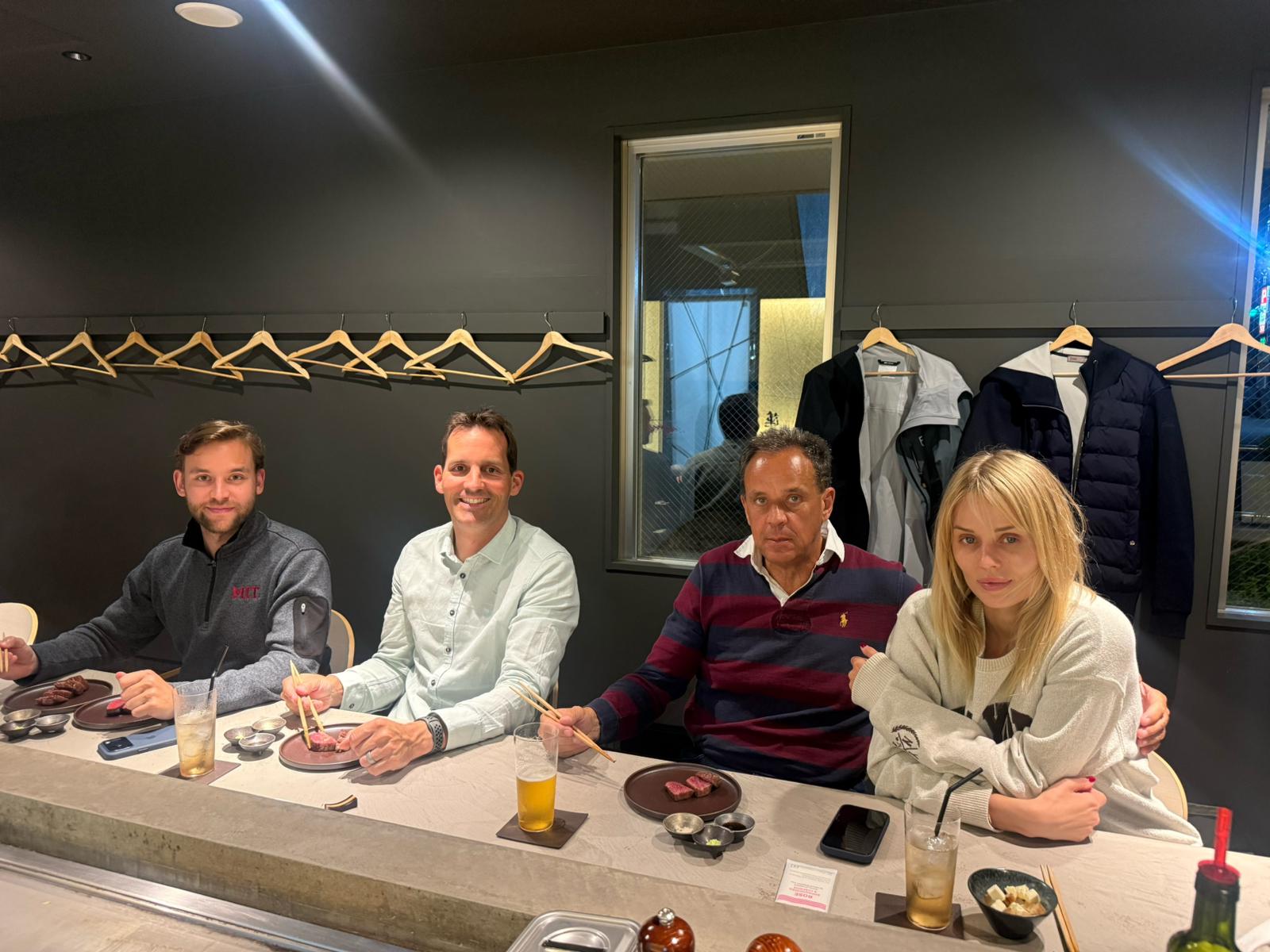
We regrouped in the evening for a light dinner at a teppanyaki place, which turned out to be very good.
Day Twenty: Sapporo
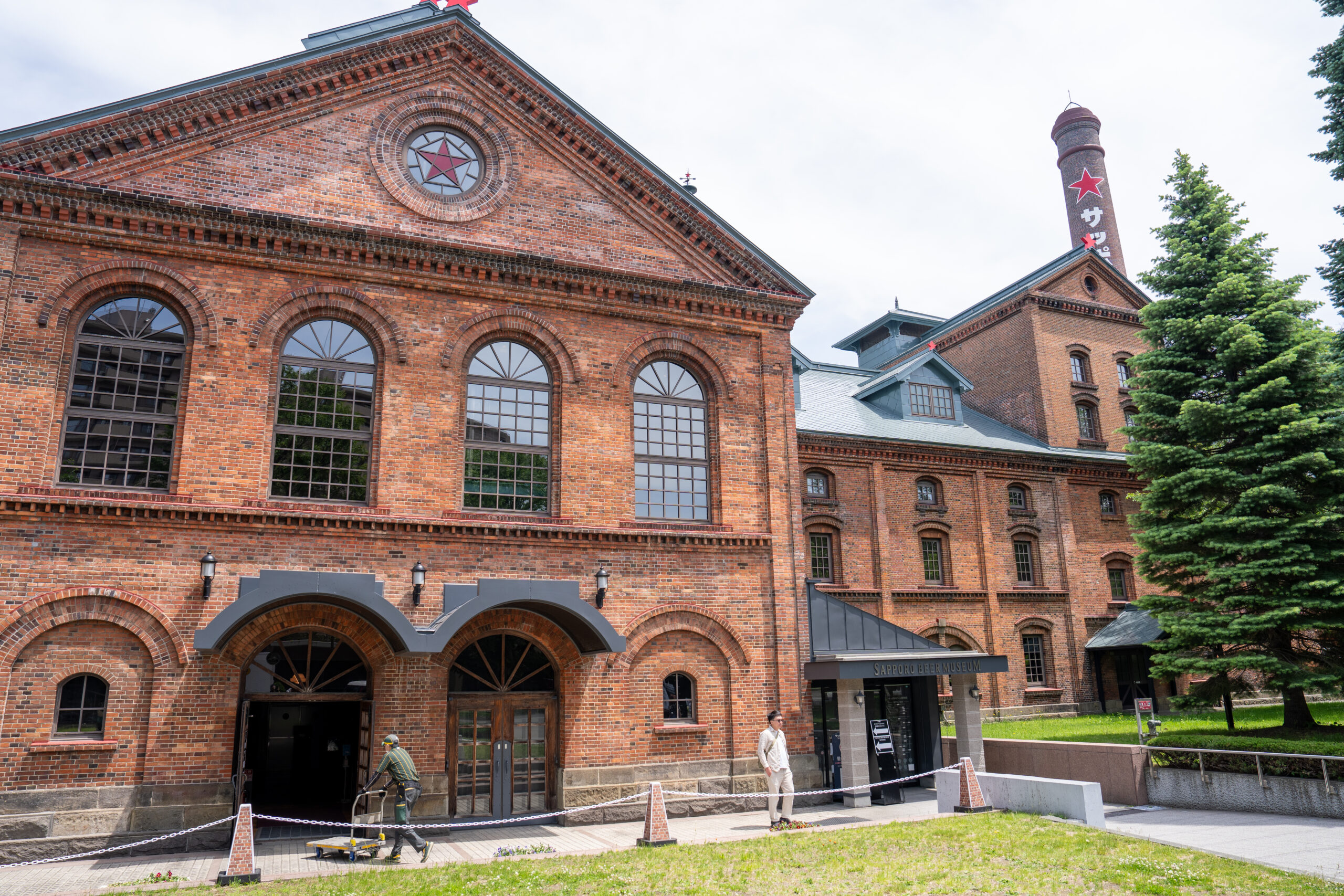
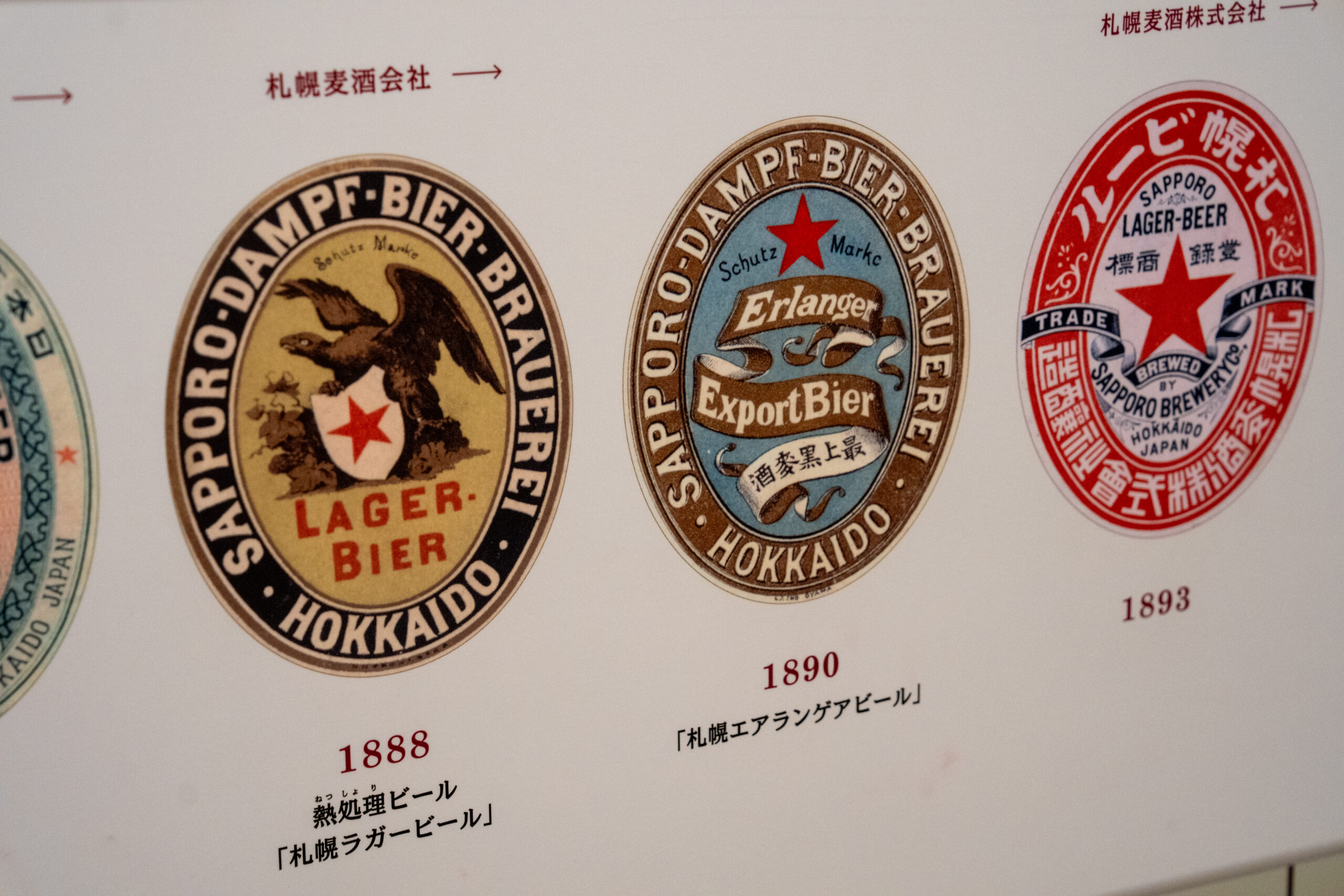
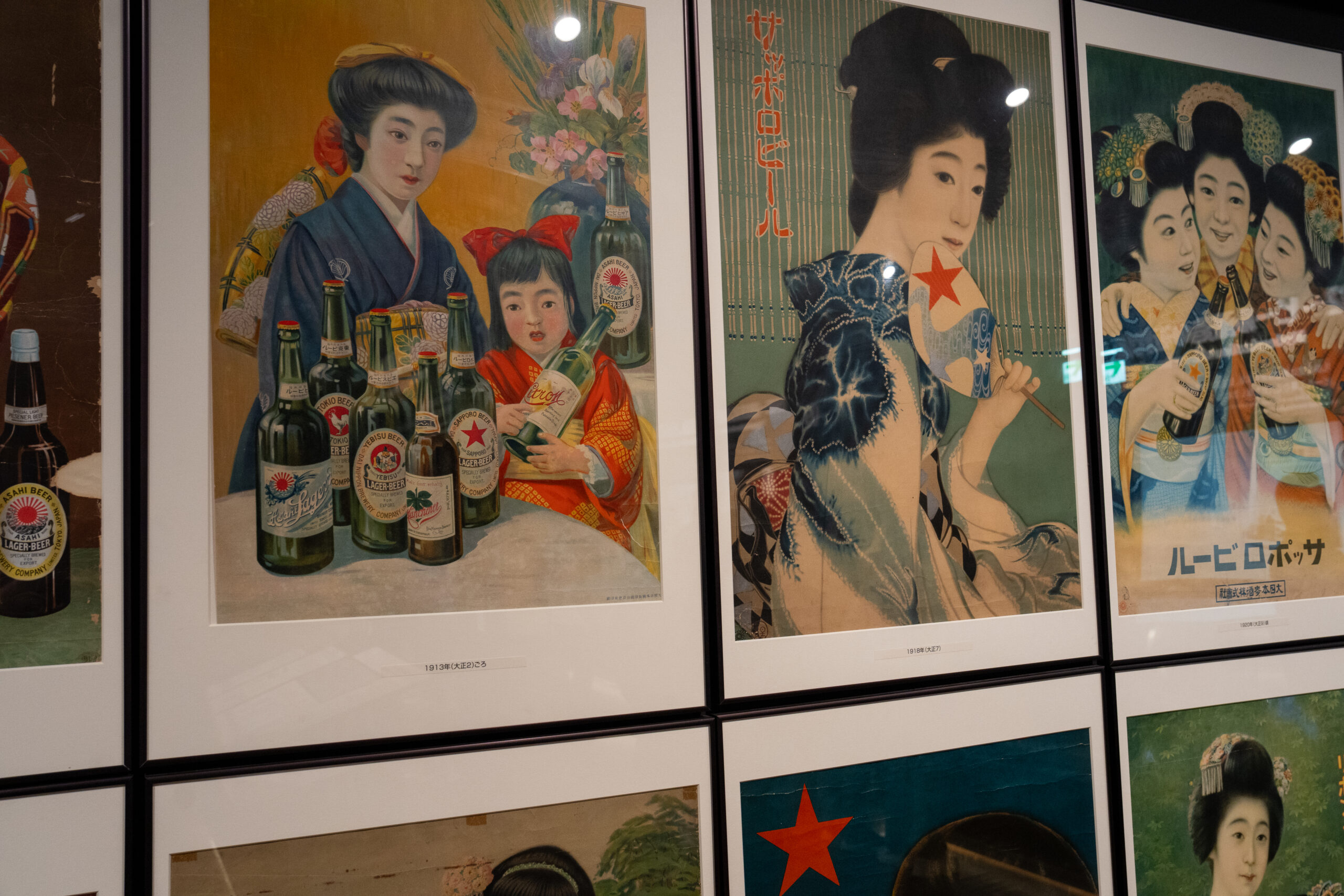
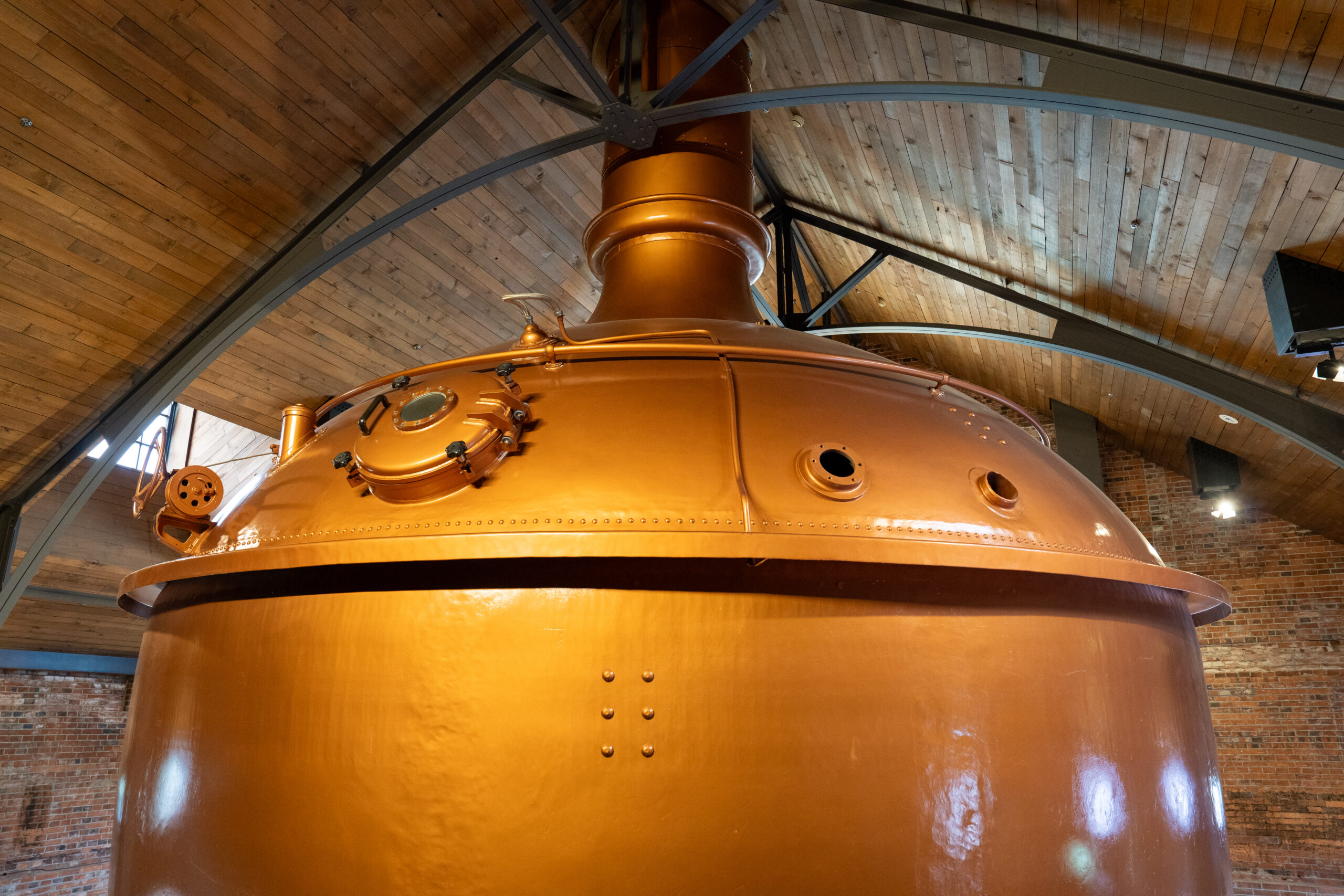
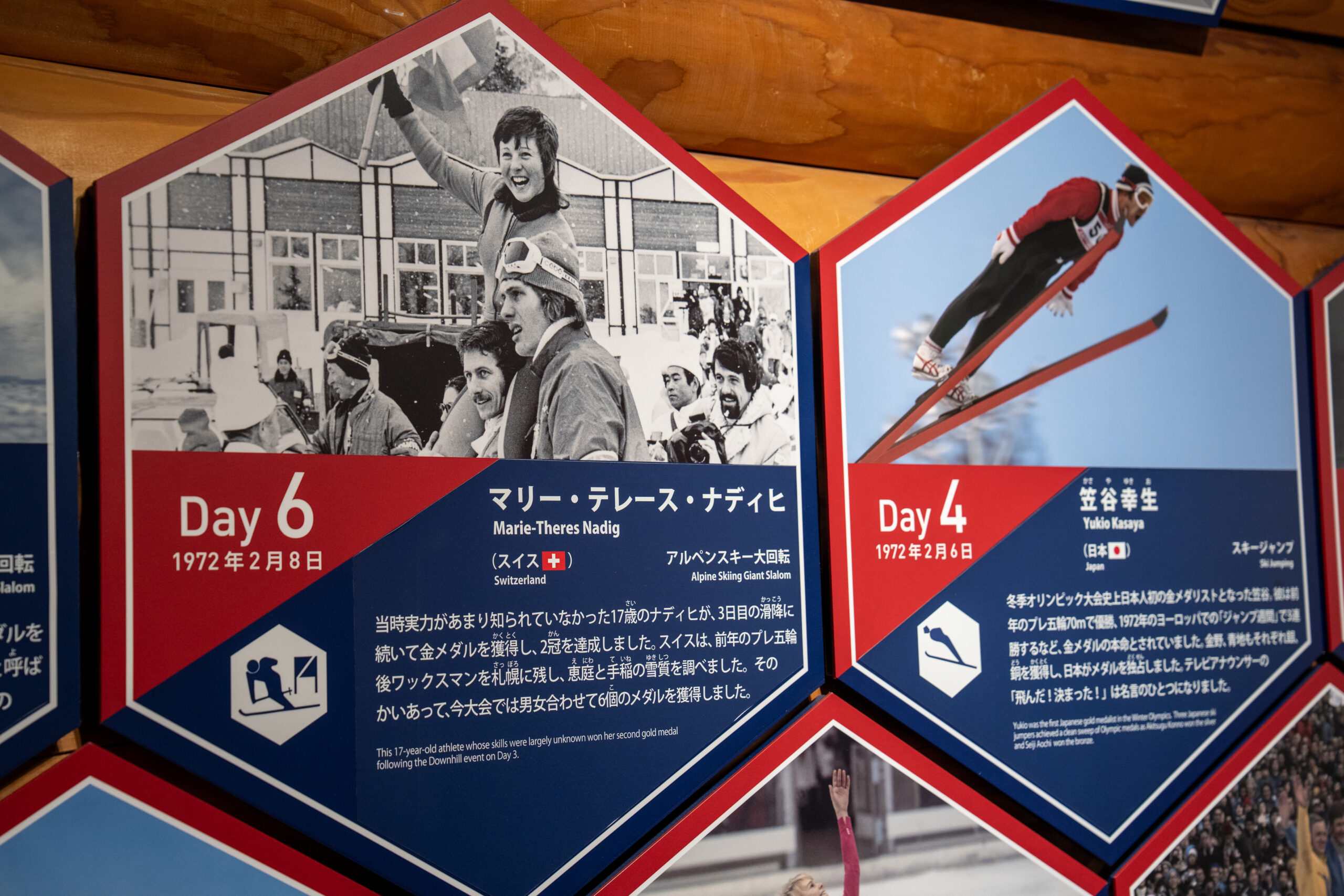
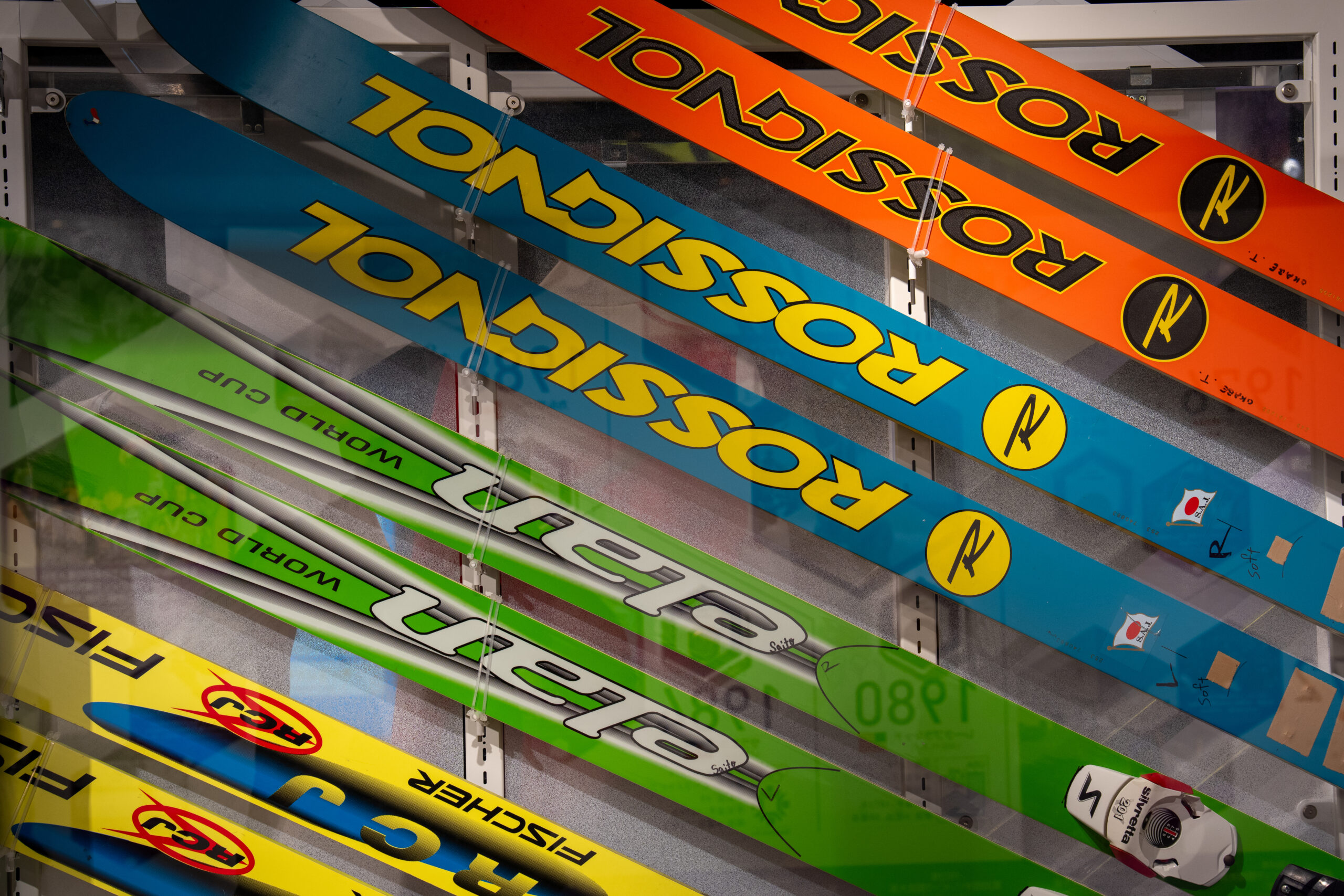
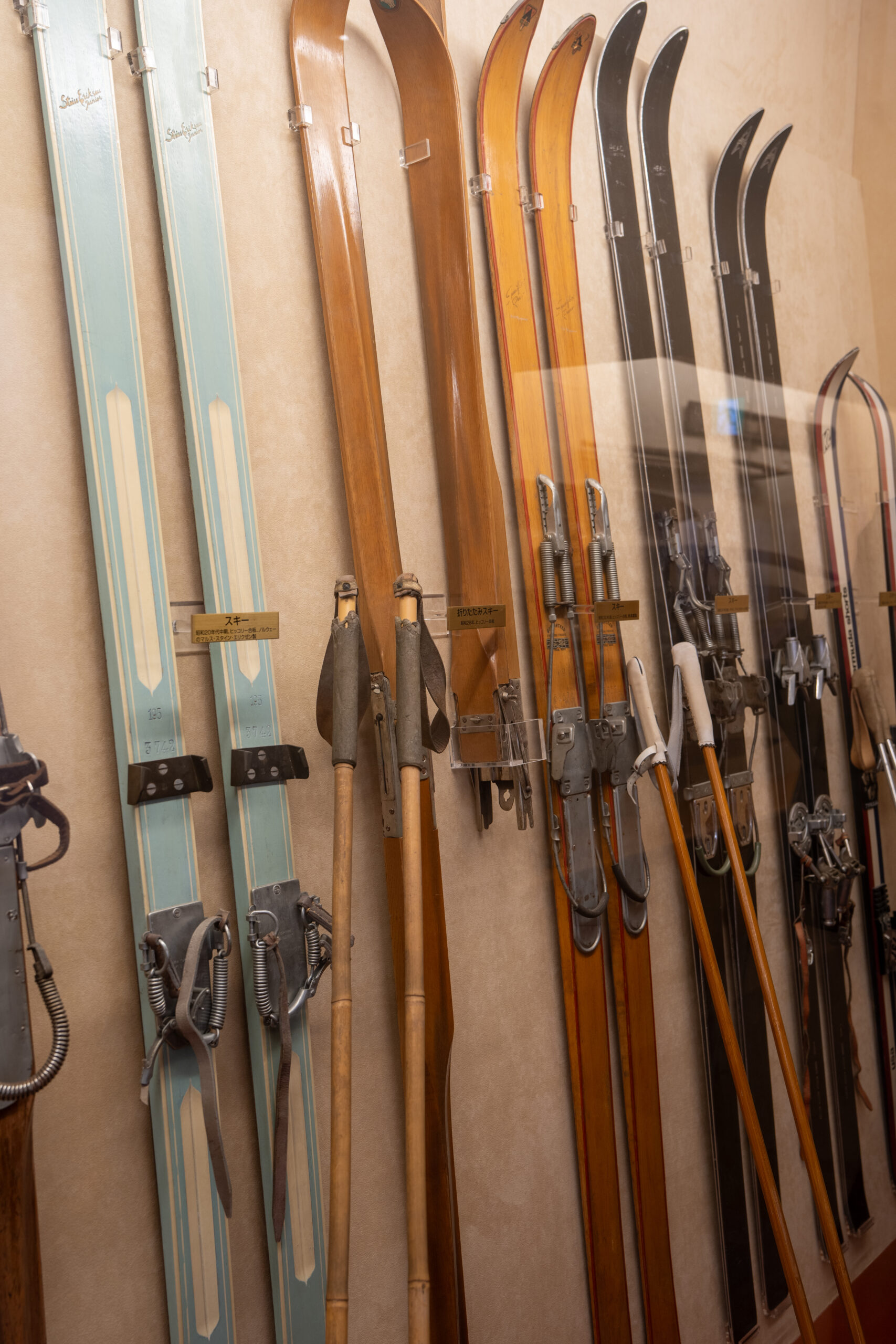
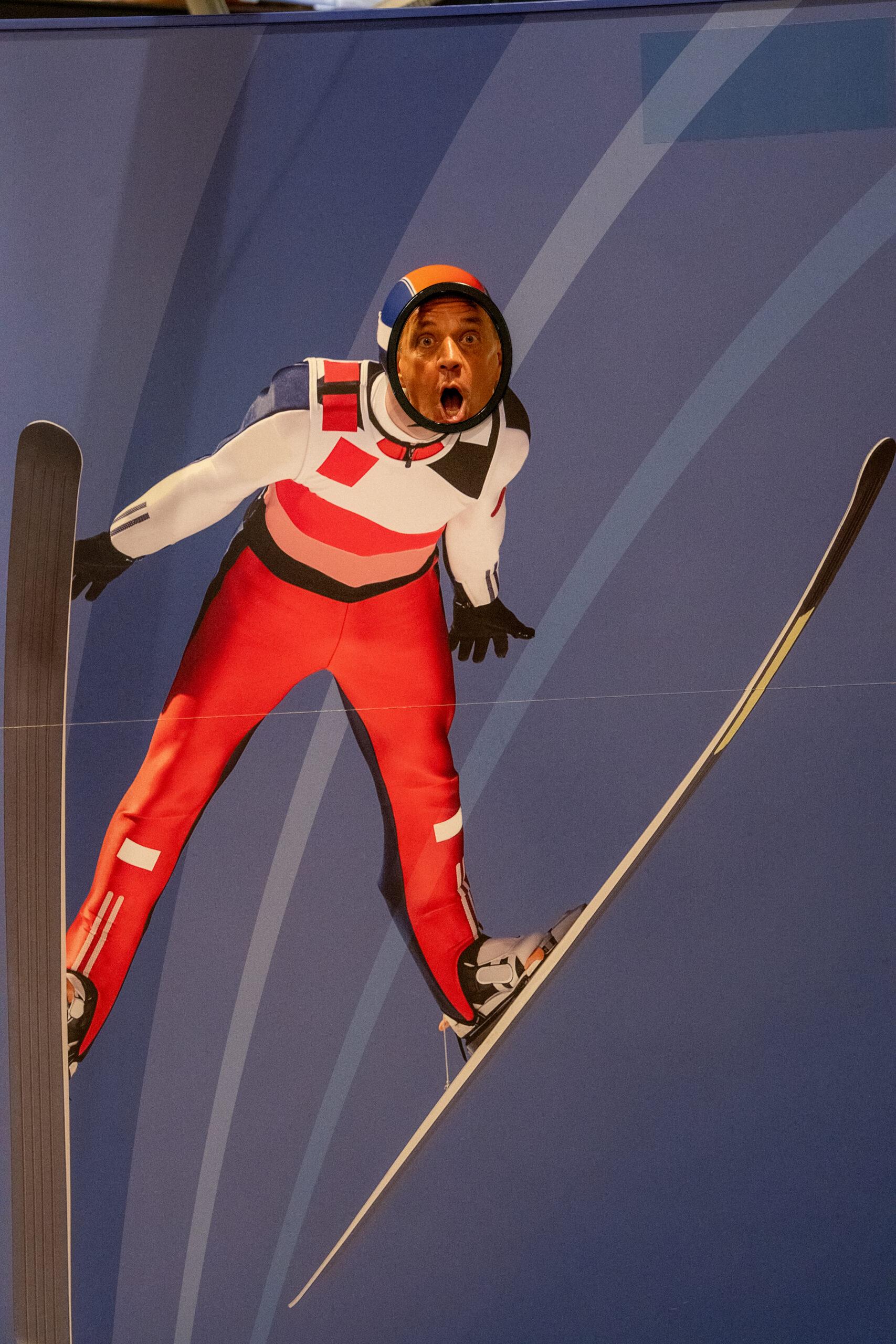
The next day we set out to see the sights, of which there were fewer than expected. We started at the beer museum and moved through it briskly. From there we went to the Olympic museum, where we spent a while hunting for Bernhard Russi. He had won the downhill gold right here at the 1972 Games, so we assumed he would turn up somewhere on the walls. He did not. We found no trace of him in any of the exhibits, which felt like an oversight. In fairness, the museum leaned toward the sports where the Japanese had a shot at a medal, namely ski jumping and speed skating.
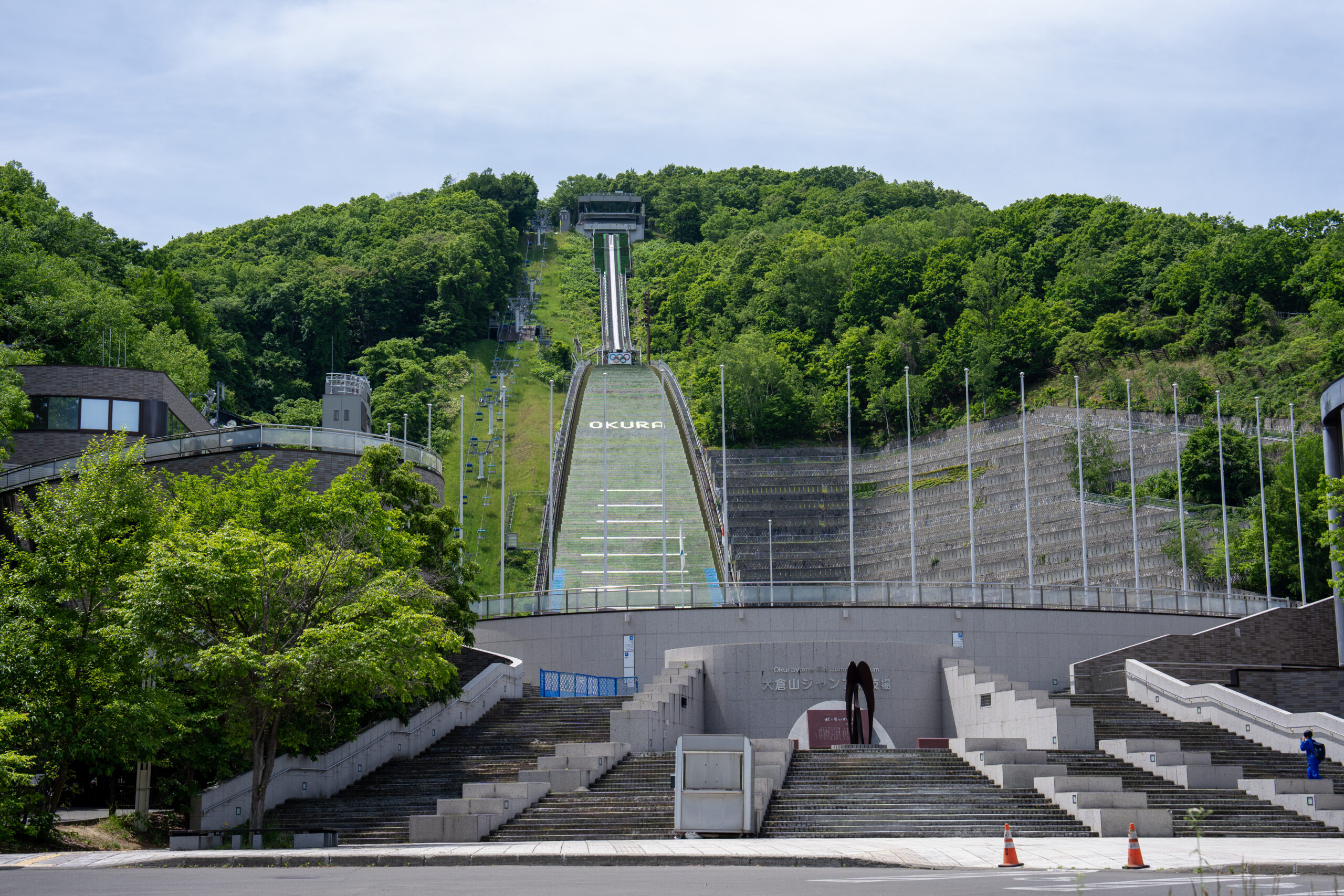
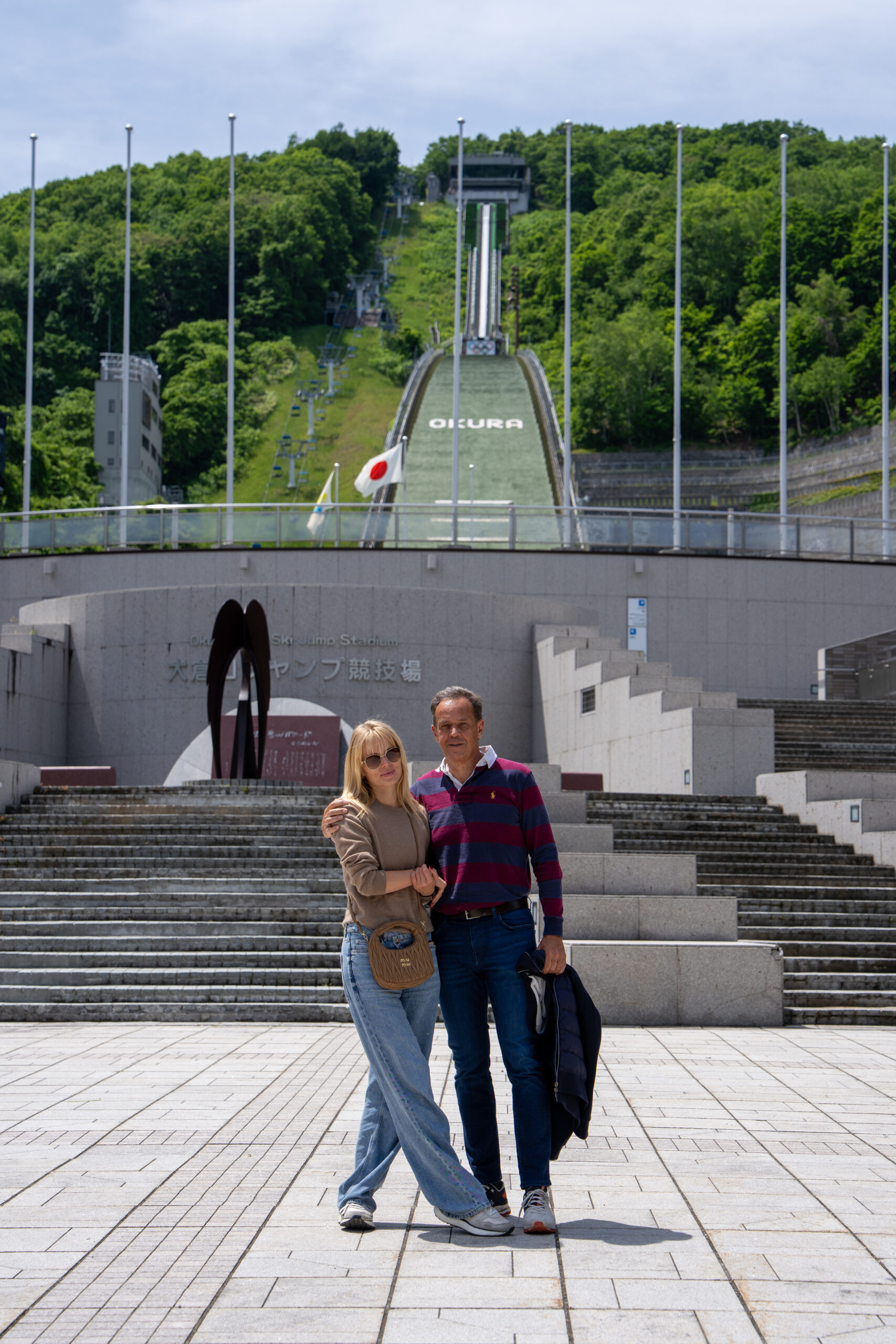
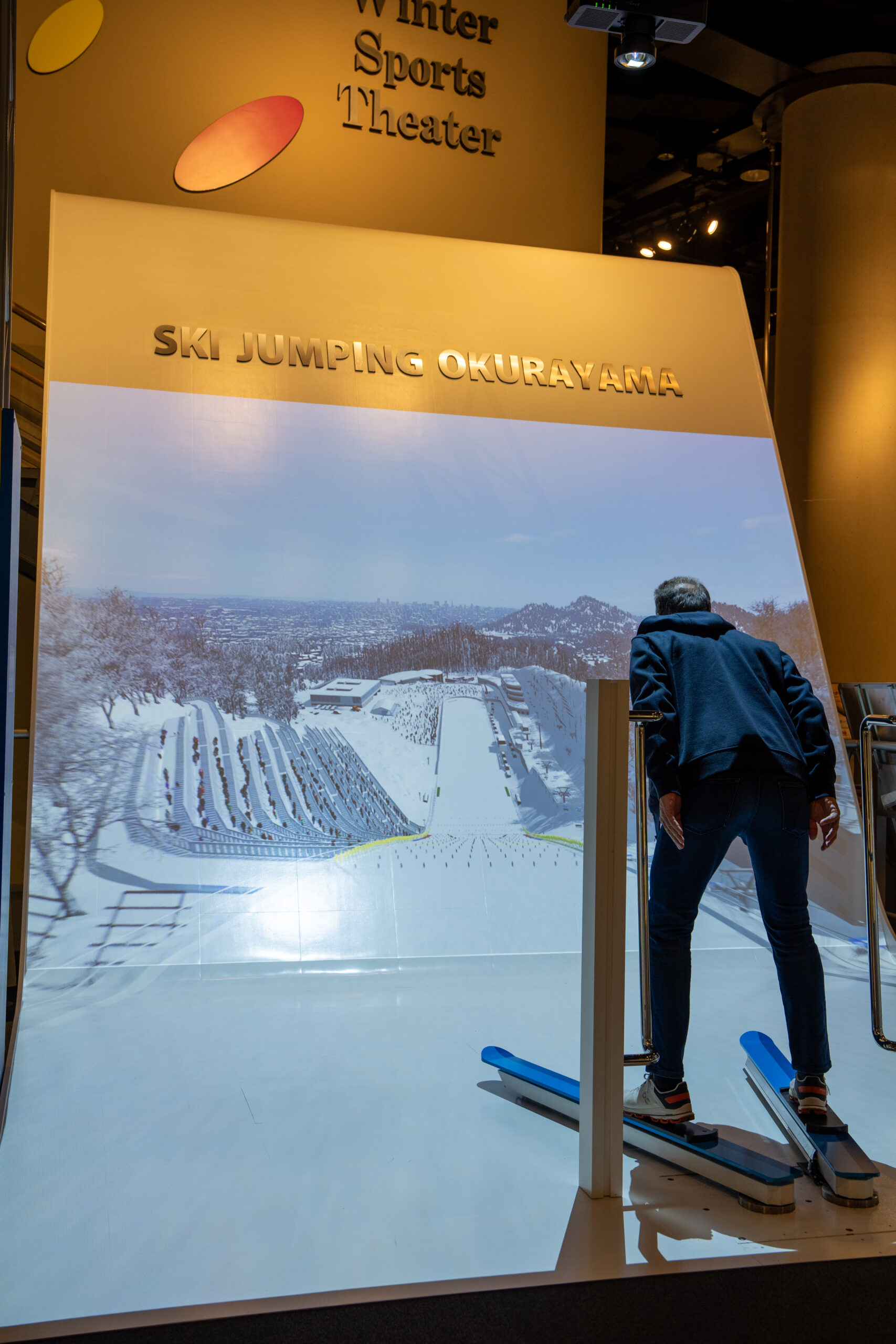
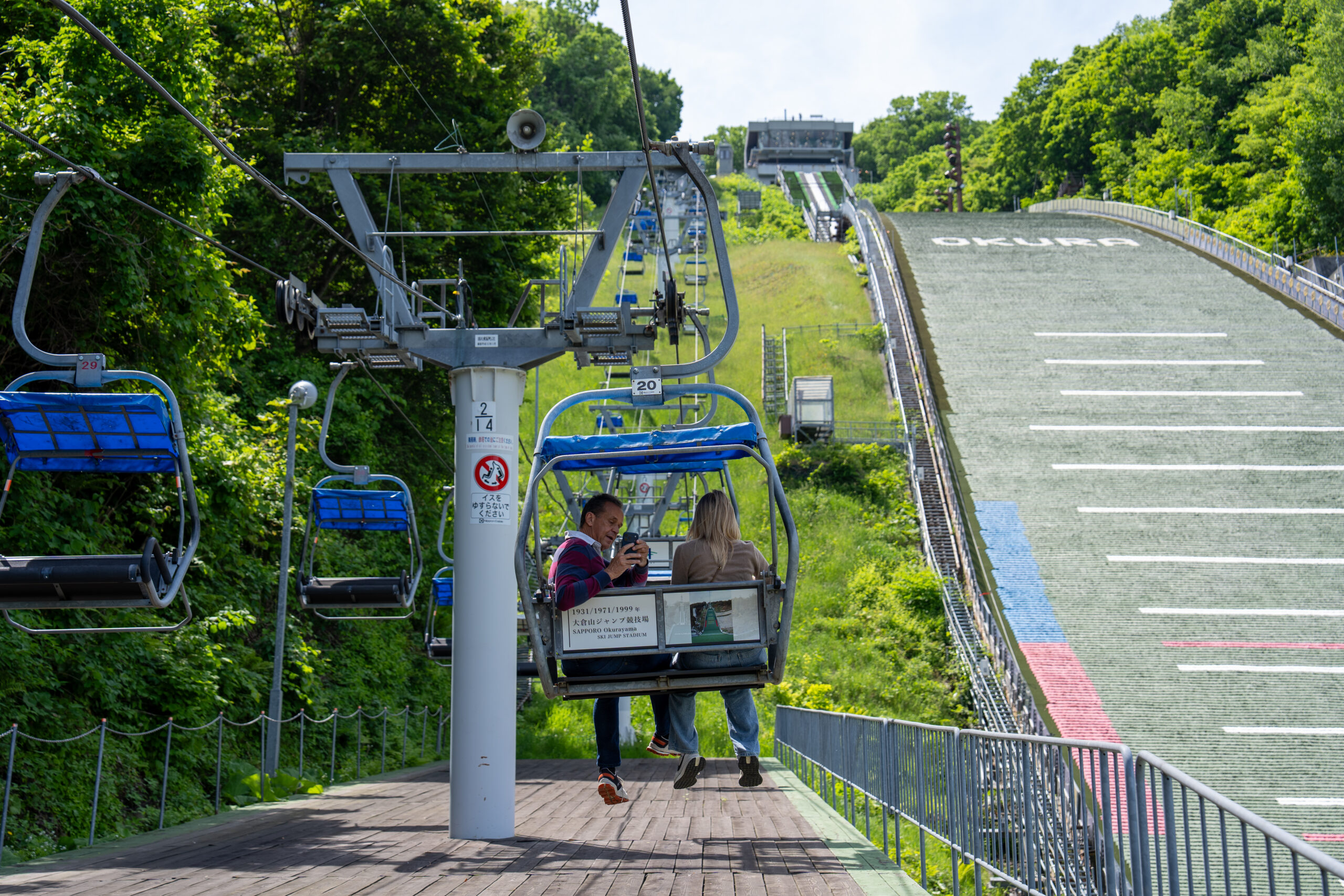
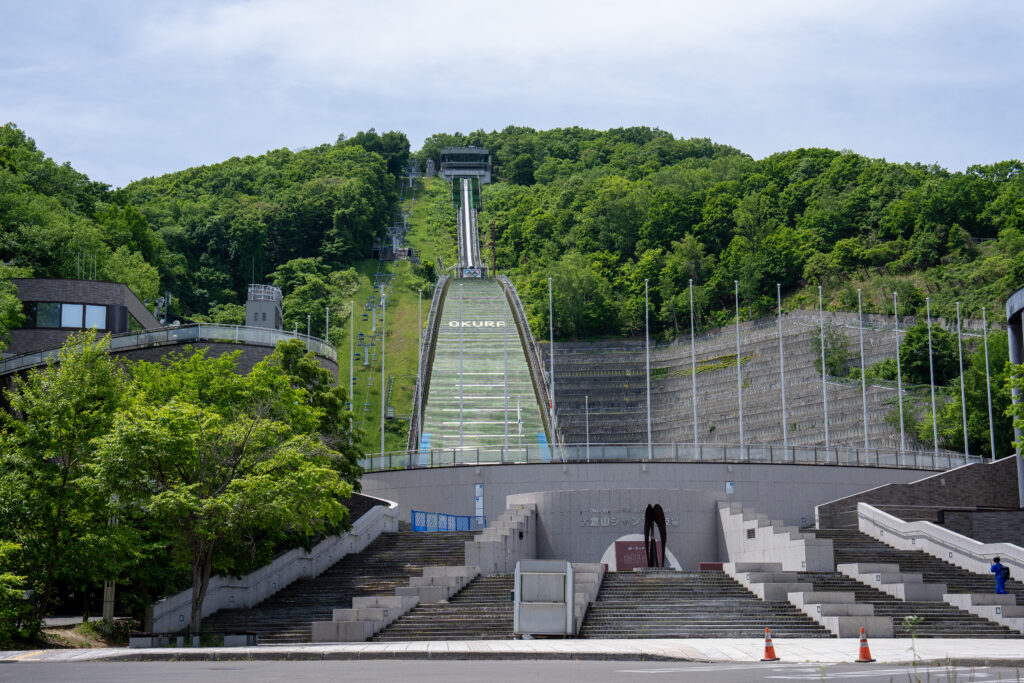
We consoled ourselves by playing the museum games instead, then took the chair lift up to the top of the ski jump for a look over the city before heading back to the hotel. The afternoon went to sport and relaxing.
In the evening we wrapped things up at a Japanese seafood restaurant, working our way through the Hokkaido seafood, which is more or less what you come this far north for in the first place.
Sapporo is the capital of Hokkaido, Japan, located on the Ishikari-gawa (Ishikari River). Laid out in 1871, with wide, tree-lined boulevards intersecting each other at right angles, the city was made the prefectural capital in 1886. It owed its early development to the colonization bureau of the government. Sapporo is Hokkaido’s largest city and the fifth-largest in Japan. It had a population of 1,959,750 as of 31 July 2023 and a population density of 1,748/km². Although there is some light industry (most notably paper milling and beer brewing) most of the population is employed by the service sector. Encyclopedia BritannicaWikipedia
Originally a plain sparsely inhabited by the indigenous Ainu people, the area contained a few trade posts of the Matsumae domain during the Edo period. The city began as an administrative centre with the establishment of the Hokkaido Development Commission headquarters in 1869. During 1870–1871, Kuroda Kiyotaka, vice-chairman of the Hokkaido Development Commission, approached the American government for assistance in developing the land. As a result, Horace Capron, Secretary of Agriculture under President Ulysses S. Grant, became an oyatoi gaikokujin and was appointed as a special advisor to the commission. Construction began around Odori Park, which remains as a green ribbon of recreational land bisecting the central area of the city. The city closely followed a grid plan with streets running at right angles to form city blocks. There are various theories on the origin of the word “Sapporo.” The leading theory is that it derives from the Ainu words “Sap (Dry) – Poro (Wide)”, but another theory is that it derives from “Sari (Wetland) -Poro (Wide) -Pe (River)” which describes the downstream basin of the Toyohira River. Wikipedia + 2
In 1937, Sapporo was chosen as the site of the 1940 Winter Olympics, but the outbreak of the Second Sino-Japanese War led to its cancellation the next year. The first Sapporo Snow Festival was held in 1950. The Sapporo Municipal Subway system was inaugurated in 1971, which made Sapporo the fourth city in Japan to have a subway system. From February 3 to 13, 1972, the 1972 Winter Olympics were held, the first Winter Olympics held in Asia. On April 1 of the same year, Sapporo was designated as one of the cities designated by government ordinance. A popular centre for skiing and winter sports, Sapporo was the site of the Winter Olympics in 1972. The annual Snow Festival features giant sculptures carved from packed snow. The city is the seat of Hokkaido University and Hokkai Gakuen Kitami University. Sapporo also has beautiful botanical gardens. WikipediaEncyclopedia Britannica
Reference: Wikipedia.org under https://en.wikipedia.org/wiki/Sapporo
Japan is an island country in East Asia, located in the Pacific Ocean off the eastern coast of the Asian continent. It lies east of China, the Korean Peninsula, and Russia, and consists of an archipelago of more than 6,000 islands. The four main islands—Honshu, Hokkaido, Kyushu, and Shikoku—account for most of the country’s land area and population, forming a long chain that stretches from north to south. The official language of Japan is Japanese, which is spoken by the vast majority of the population. The capital of Japan is Tokyo, one of the largest metropolitan areas in the world. Formerly known as Edo, the city became the imperial capital in 1868, replacing Kyōto, and today it is home to major government institutions, businesses, and many of Japan’s leading cultural and educational organizations. Encyclopedia BritannicaEncyclopedia Britannica
In 1603, after decades of civil warfare, the Tokugawa shogunate (a military-led, dynastic government) ushered in a long period of relative political stability and isolation from foreign influence. For more than two centuries, this policy enabled Japan to enjoy a flowering of its indigenous culture. Japan opened its ports after signing the Treaty of Kanagawa with the US in 1854 and began to intensively modernize and industrialize. During the late 19th and early 20th centuries, Japan became a regional power that was able to defeat the forces of both China and Russia. It occupied Korea, Formosa (Taiwan), and southern Sakhalin Island. In 1931-32, Japan occupied Manchuria, and in 1937, it launched a full-scale invasion of China. Japan attacked US forces at Pearl Harbor, Hawaii, in 1941, triggering America’s entry into World War II, and Japan soon occupied much of East and Southeast Asia. After its defeat in World War II, the country recovered to become an economic power and a US ally. OpenFactBook
The prime minister leads the government and is supported by the Diet, Japan’s legislature, which consists of the House of Representatives, the lower house, and the House of Councillors, the upper house. The main religious traditions in Japan are Shintō and Buddhism, both of which play important roles in cultural and spiritual life. Shintō is rooted in indigenous beliefs and emphasizes rituals connected to nature and ancestors, while Buddhism was introduced from the Asian mainland. Japan is one of the world’s fastest aging countries and has the highest proportion of elderly citizens of any country, comprising one-third of its total population; this is the result of a post–World War II baby boom, which was followed by an increase in life expectancy and a decrease in birth rates. Japan has a total fertility rate of 1.2, which is below the replacement rate of 2.1, and is among the world’s lowest. Japan also has one of the oldest populations globally, with a high proportion of elderly citizens, a trend that is reshaping the country’s workforce and social structure. Encyclopedia Britannica + 2
Reference: Wikipedia.org under https://en.wikipedia.org/wiki/Japan