
Day Seventeen: Hiroshima to Kyoto
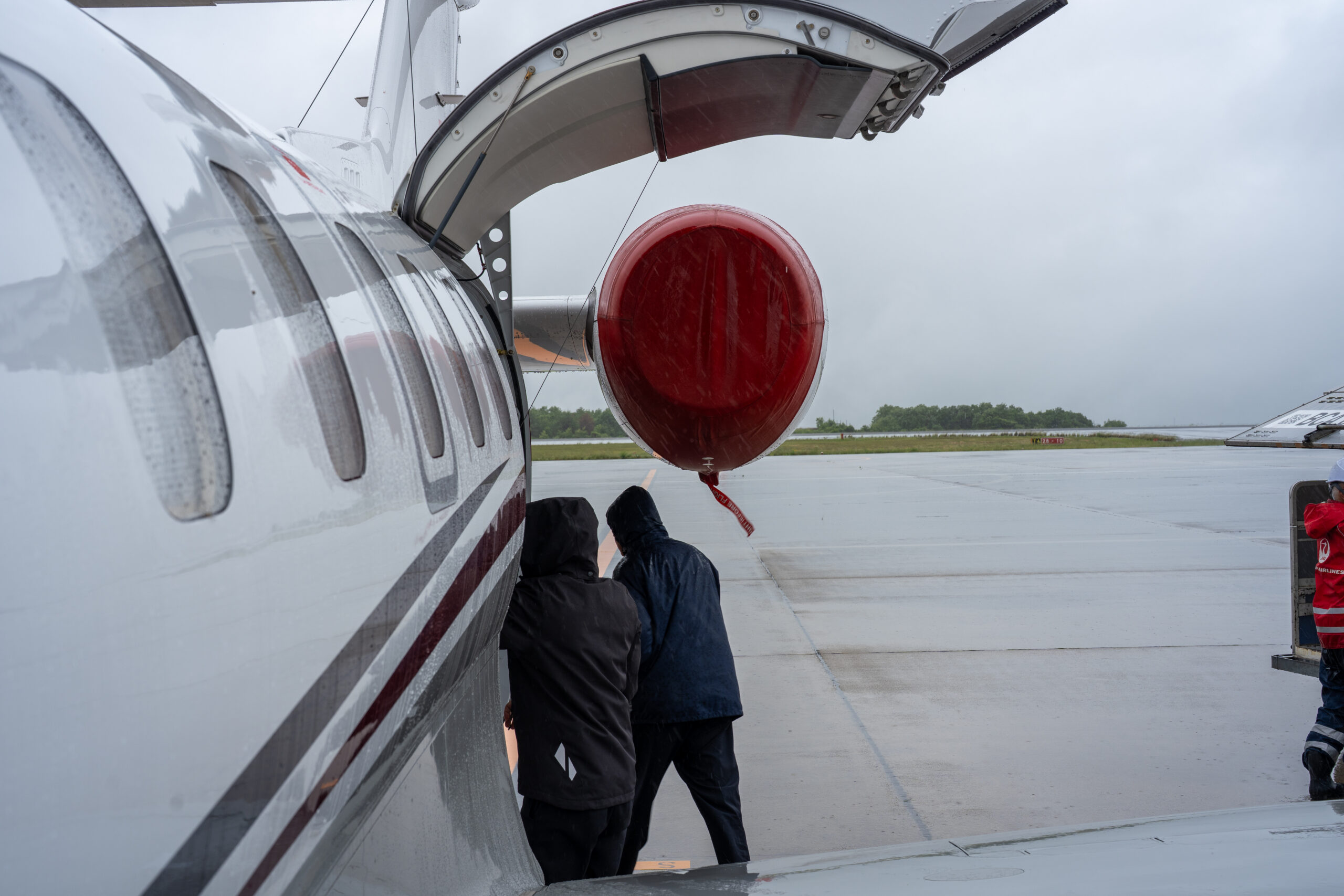
Since Kyoto does not have an airport, we flew from Hiroshima to Osaka and then drove an hour and a half into Kyoto. Given that the flight was only c. 30 minutes, it was a similar amount of time, but much more effort to fly as it would have been to simply take the car. But then again, Japan does not allow changes to the plan. The typhoon was still on its way, and although it had not yet arrived in force, it was sending advance notice in the form of low grey skies and the occasional warning gust.
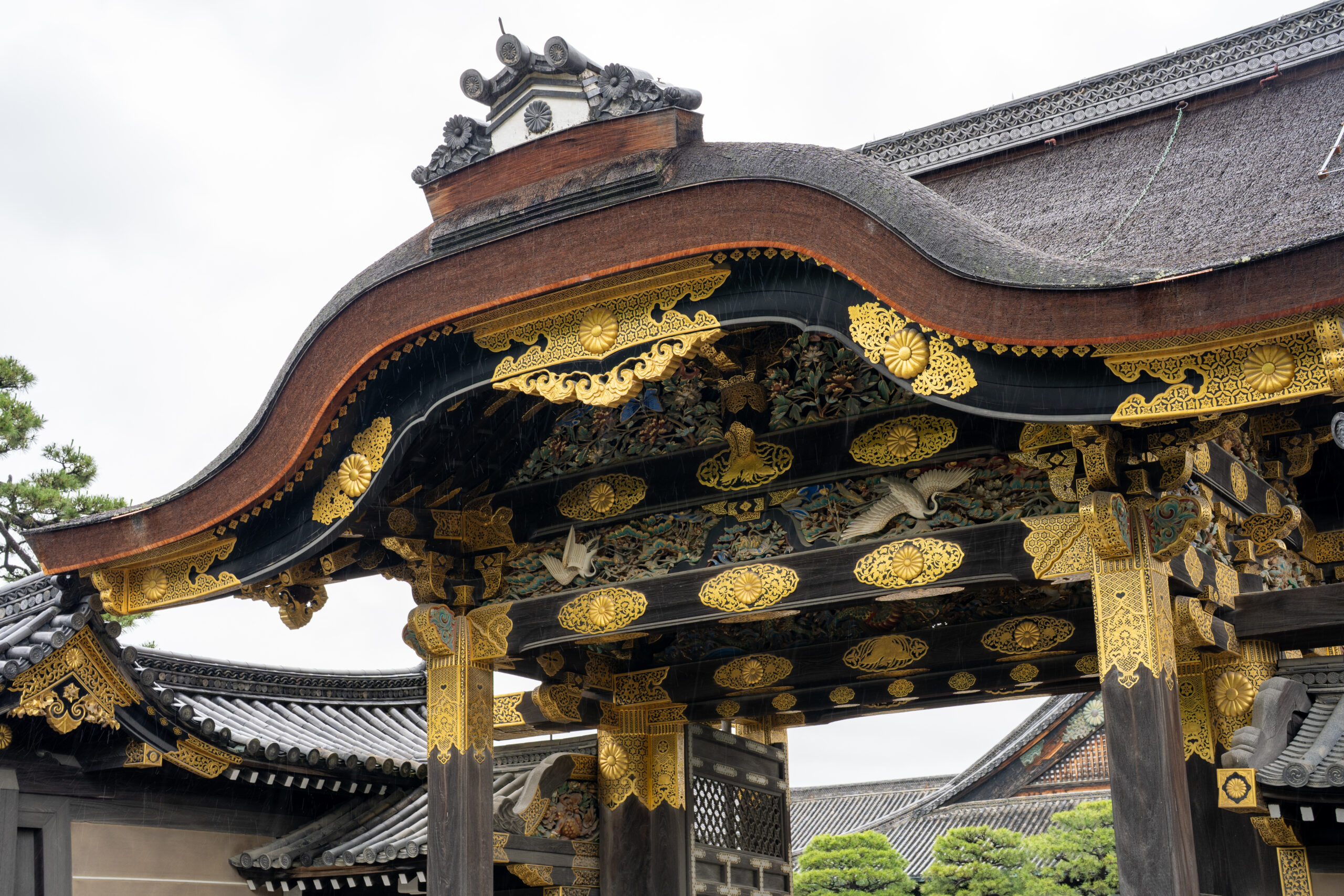
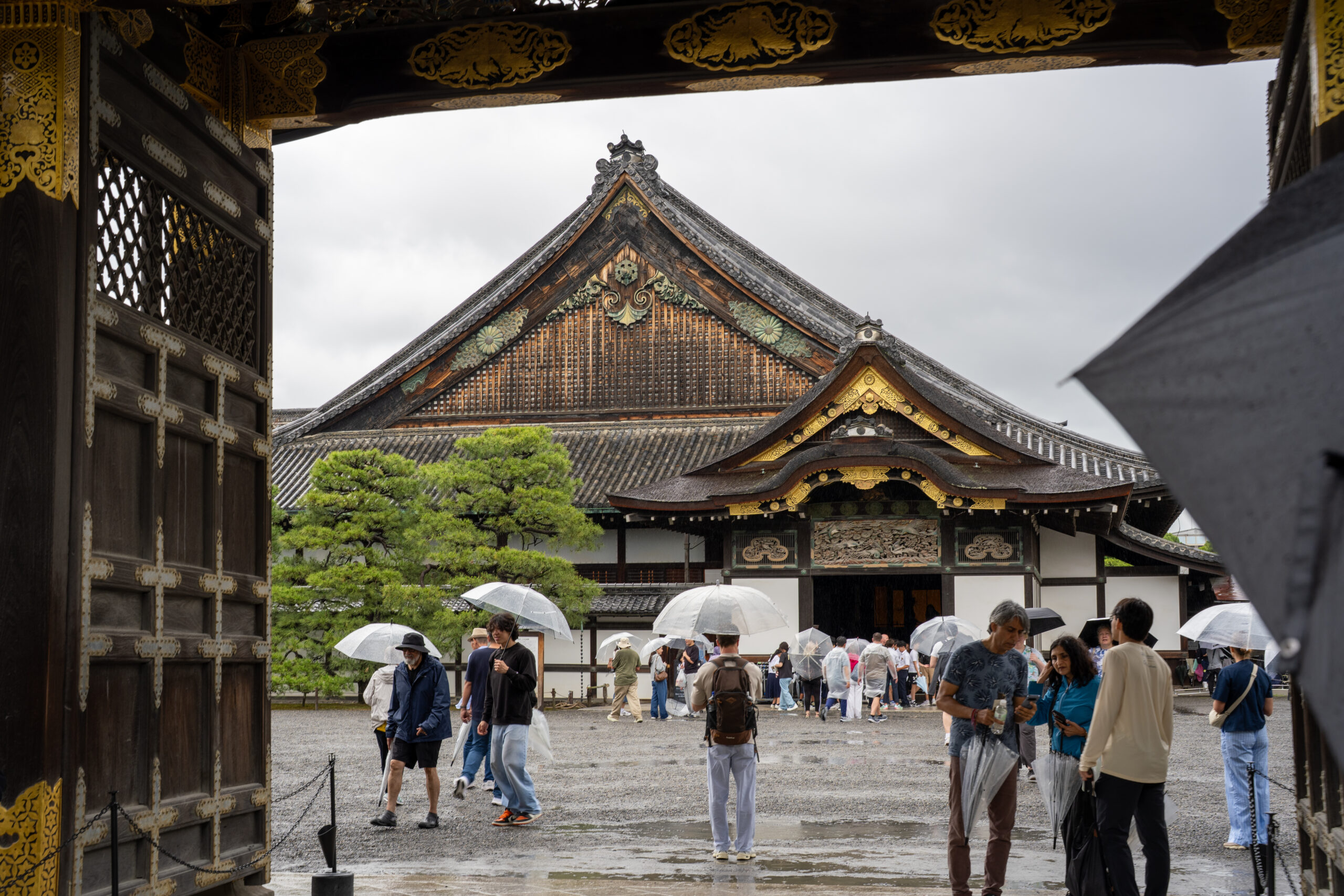
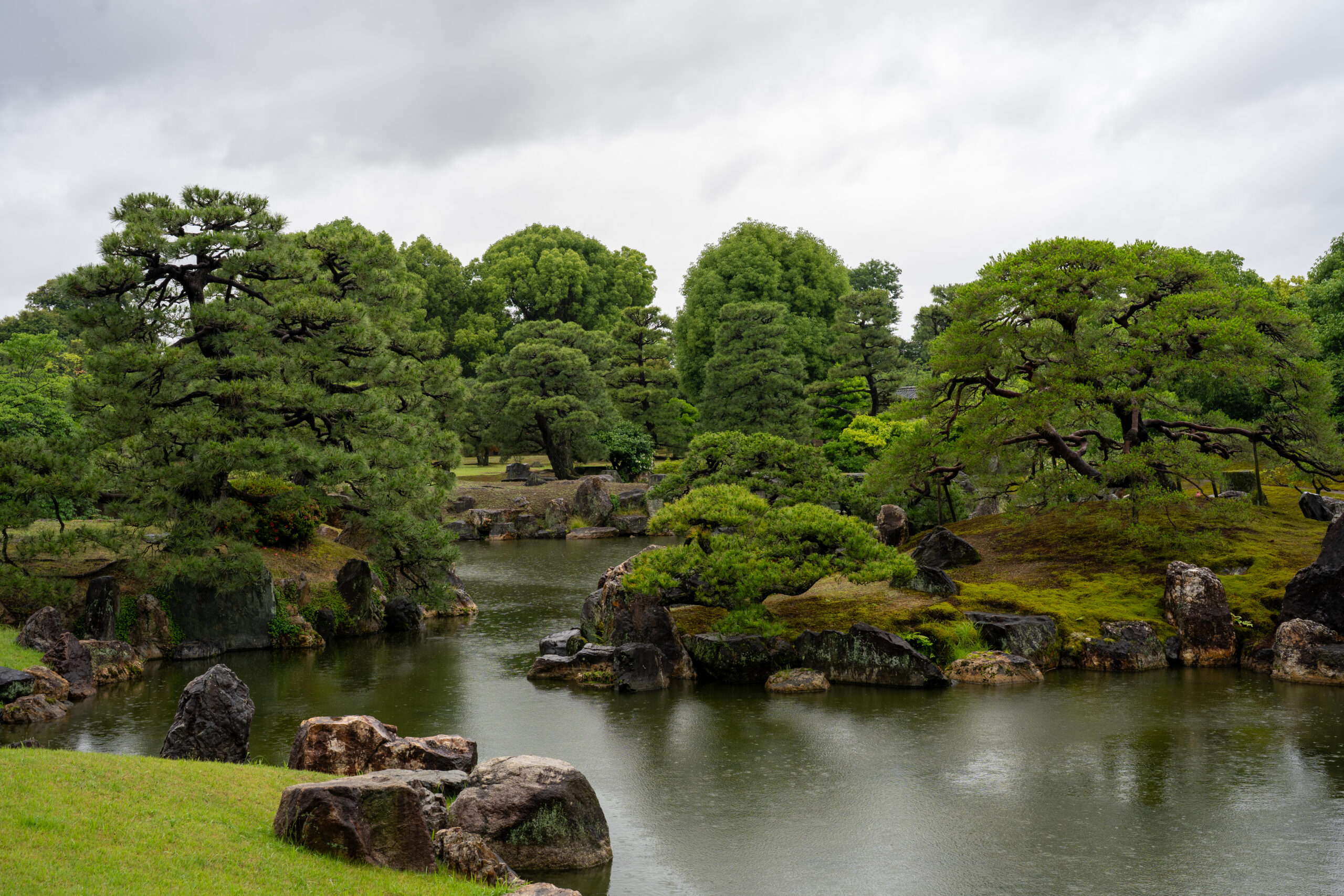
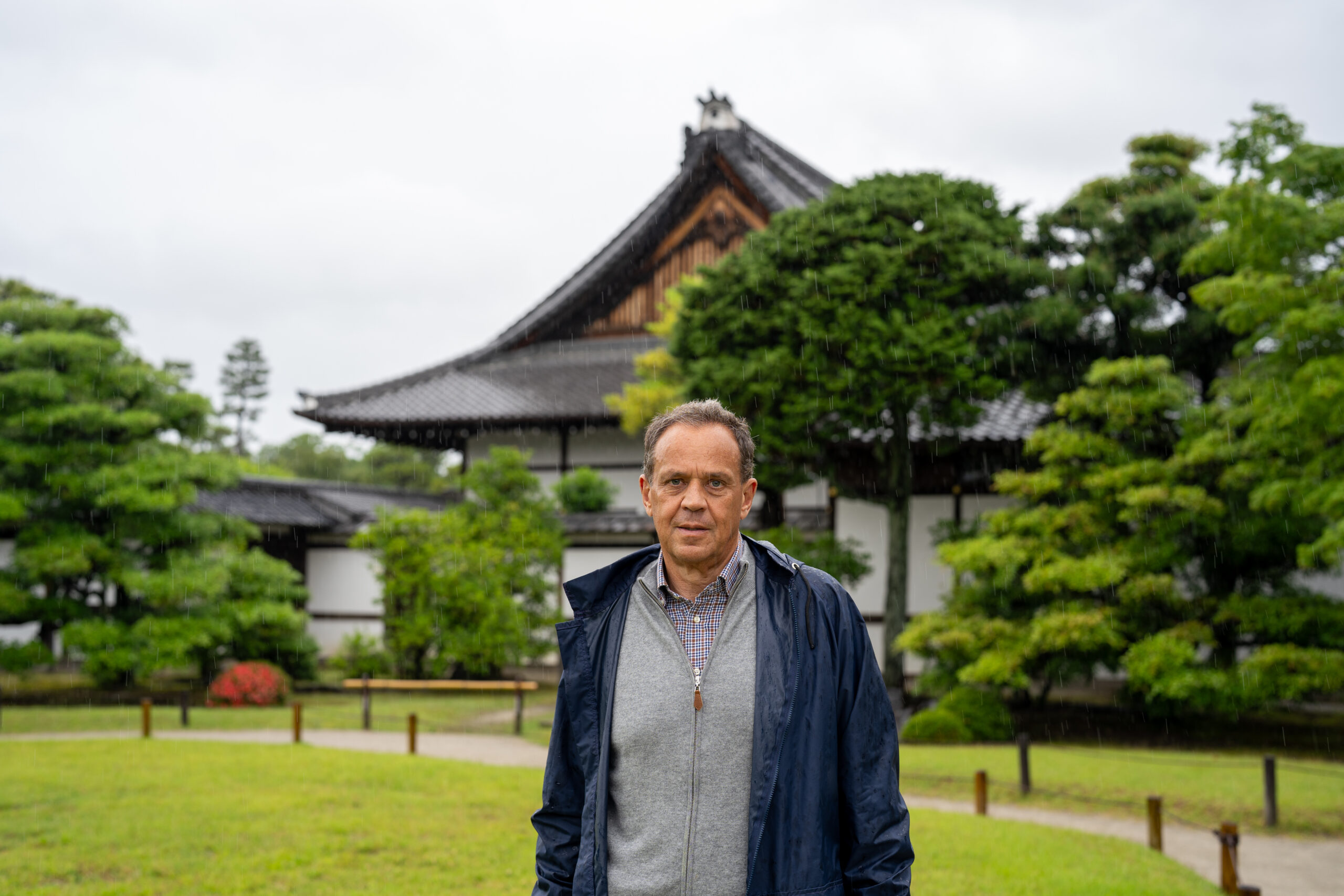
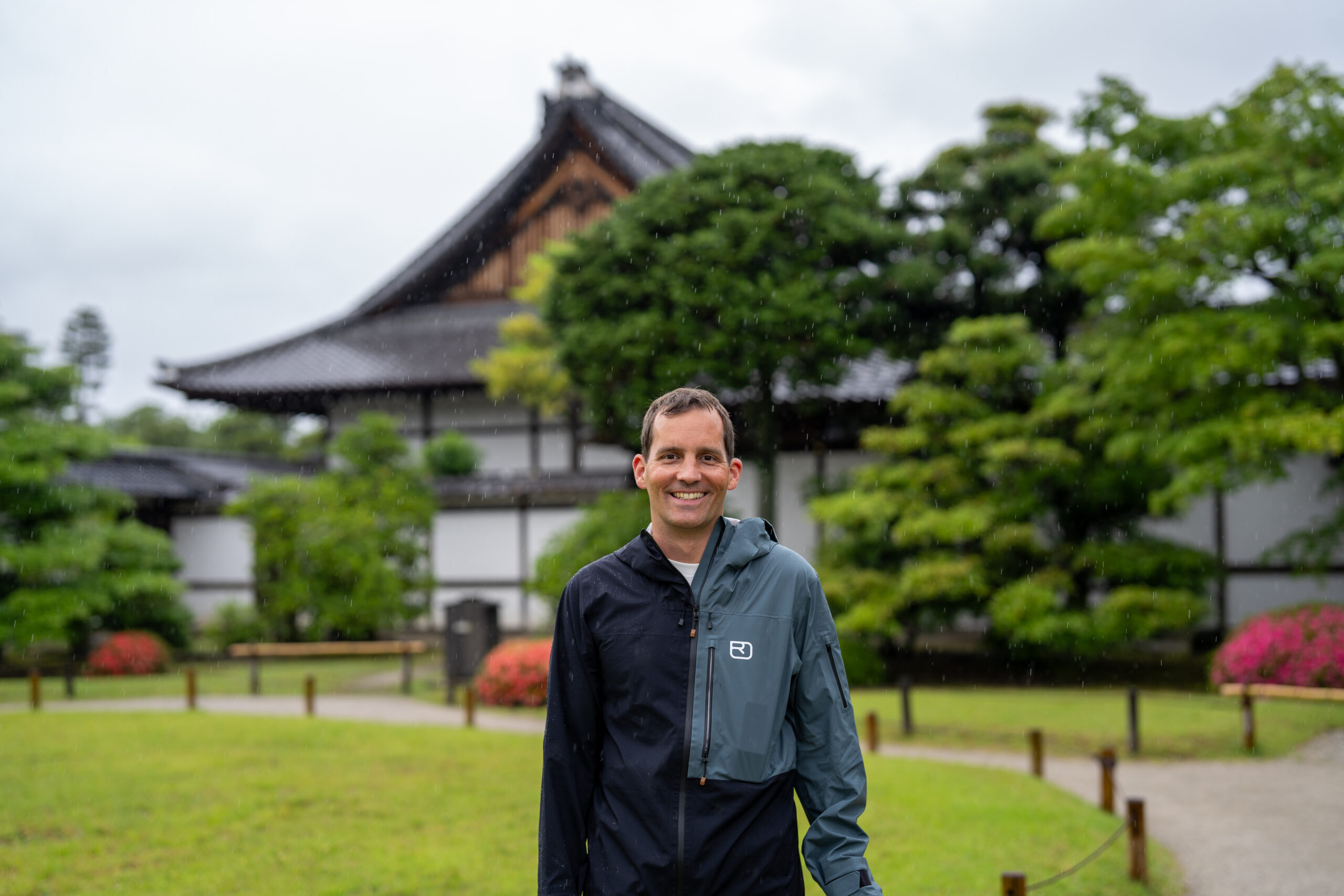
We checked into the hotel, dropped the bags, and stopped at a restaurant for a quick meal before heading out to Nijo Castle, the old shogunal residence with the gardens and the famous floors built to creak whenever anyone walks on them. After that, between the weather and a long day of travel, we decided to do nothing at all for the rest of the afternoon, and an excellent shabu-shabu dinner was about as far as the evening got.
Day Eighteen: Kyoto
The next morning we checked out, since the plan was to spend the night somewhere different, and we set off to see more of the city in the meantime.
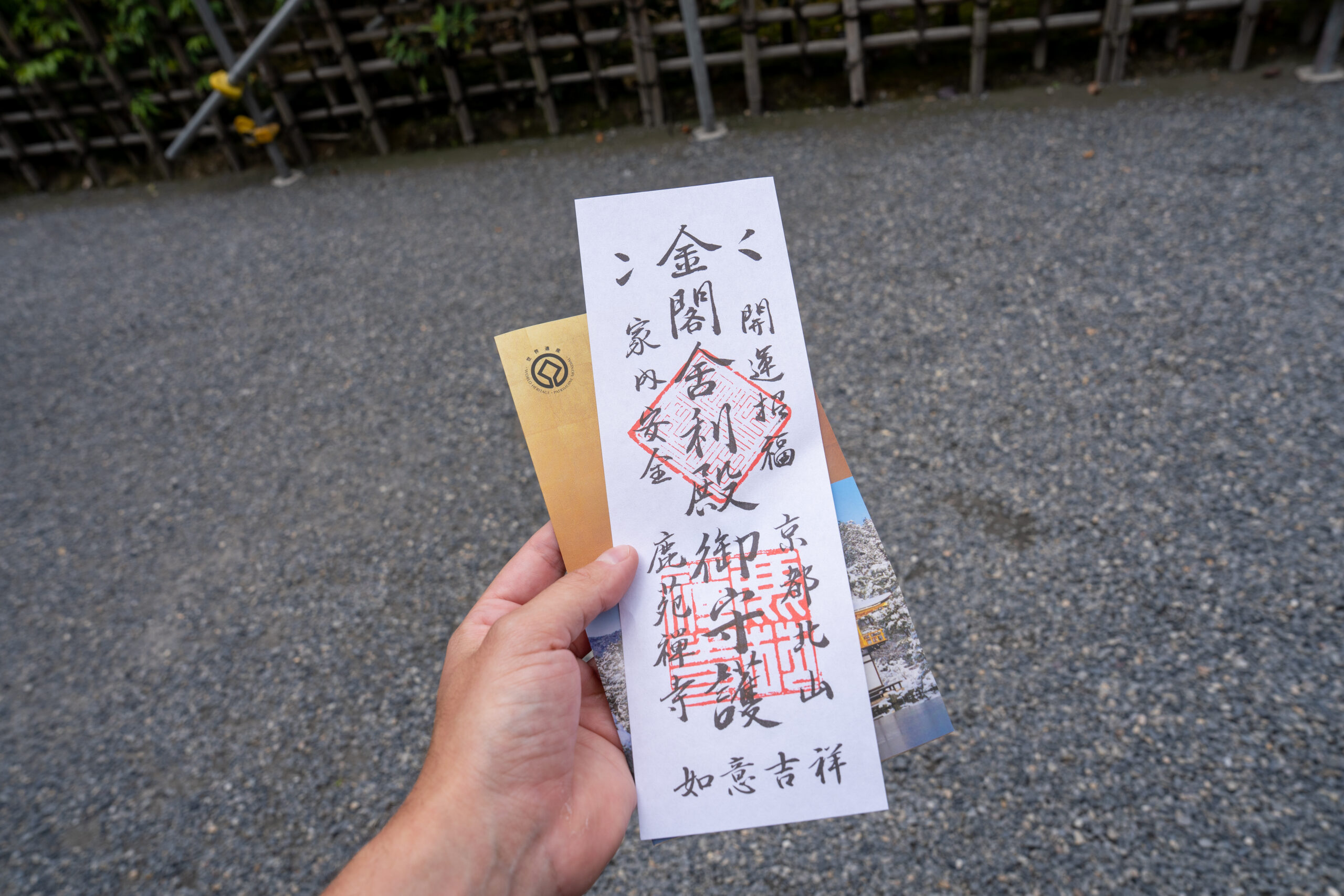
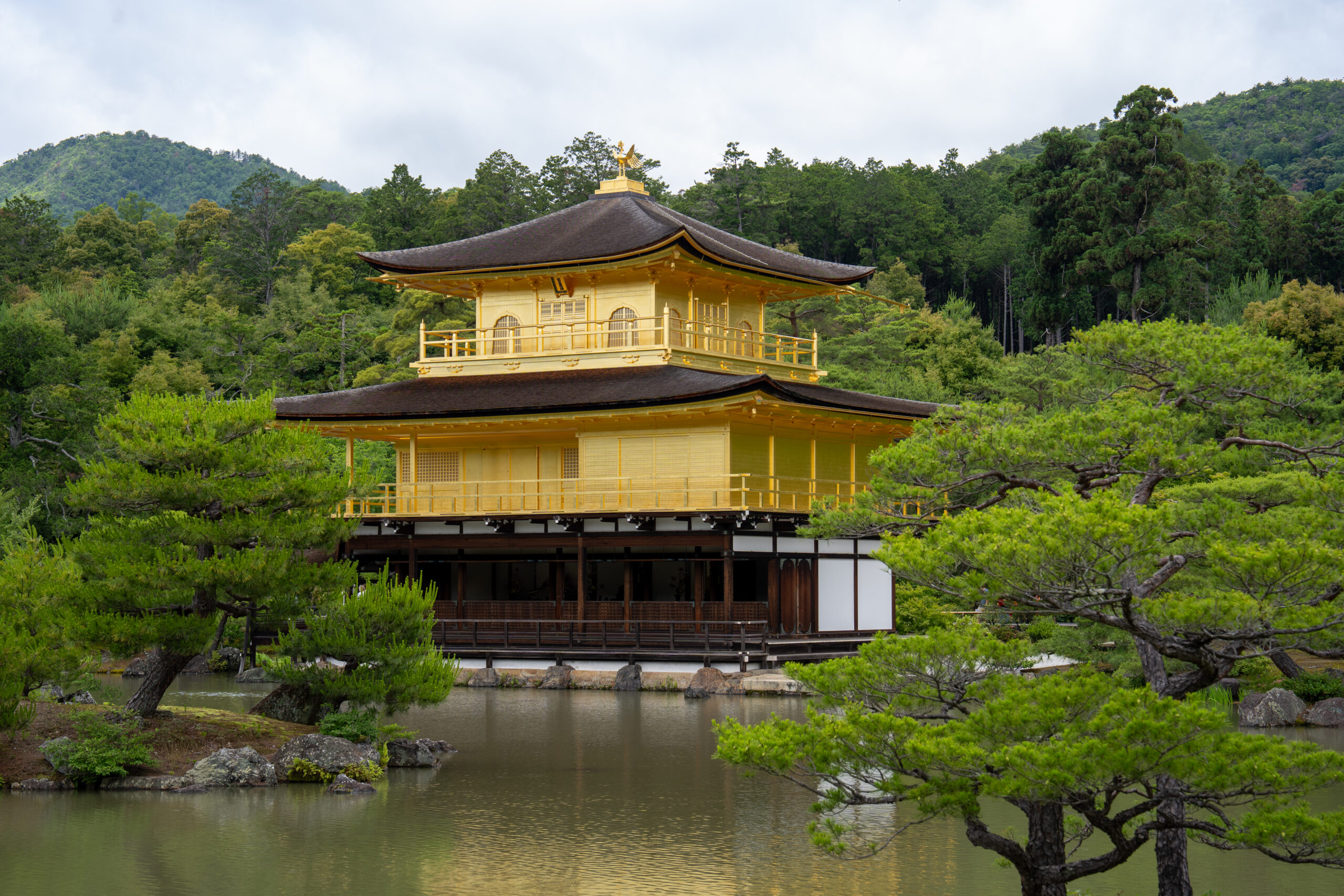
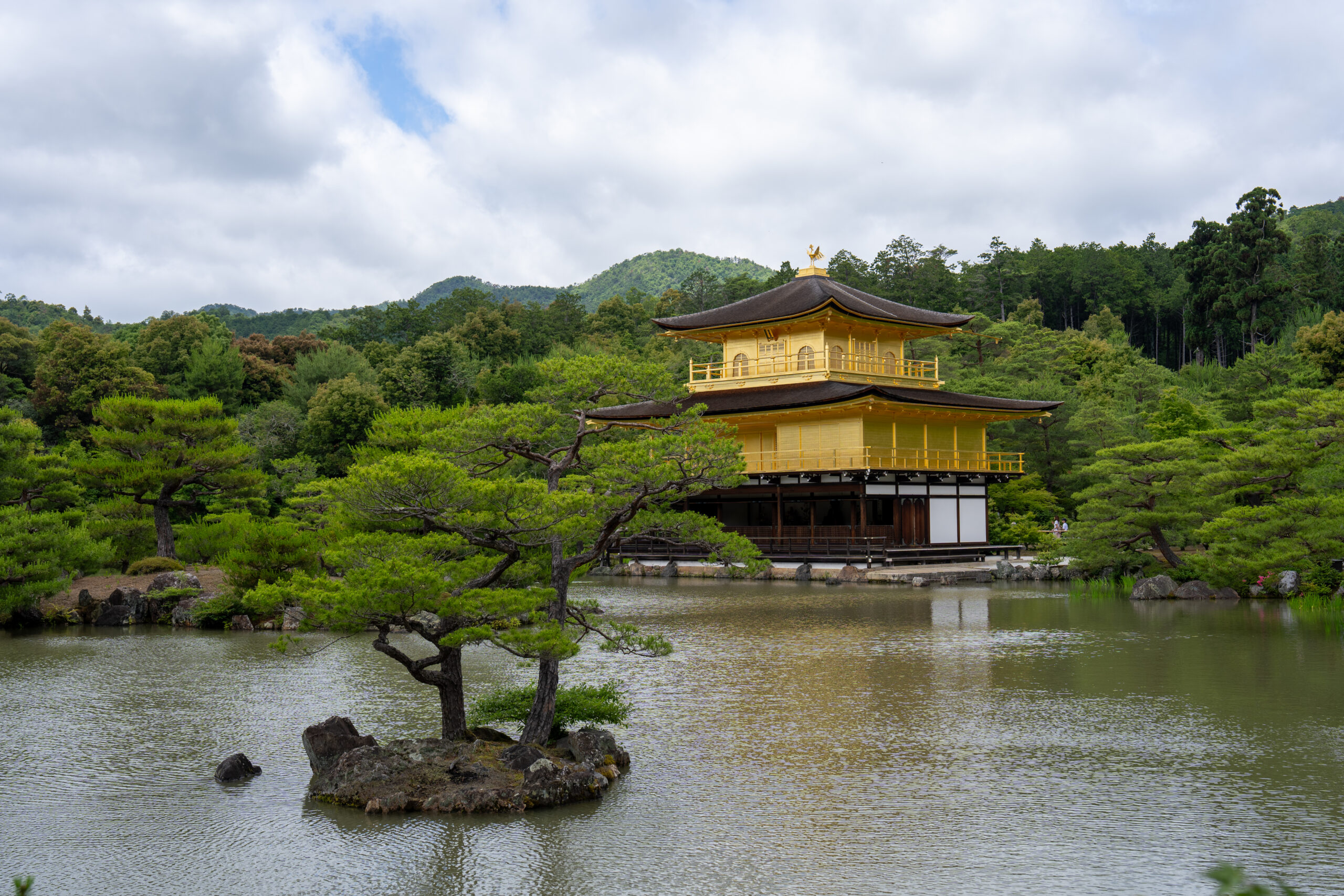
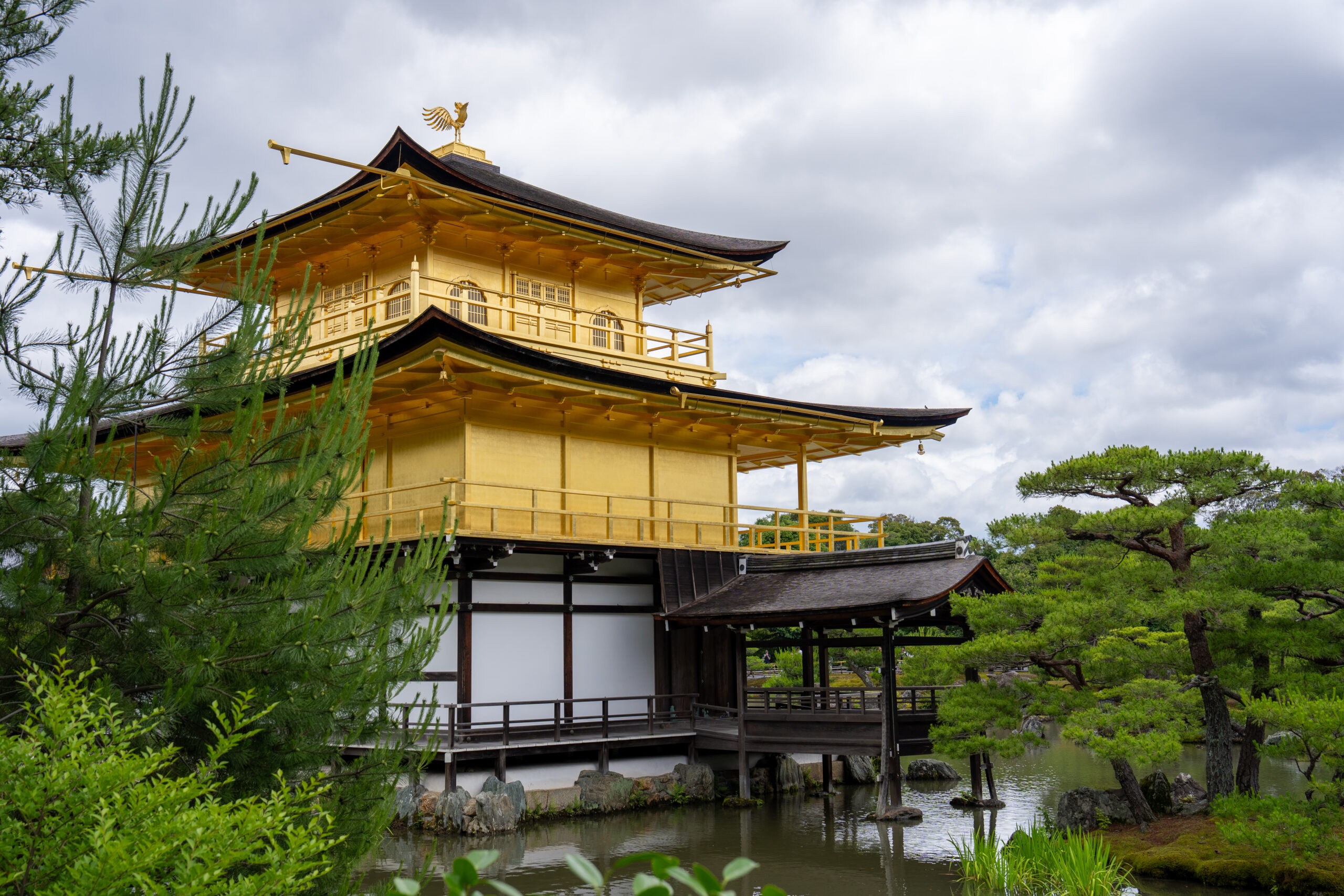
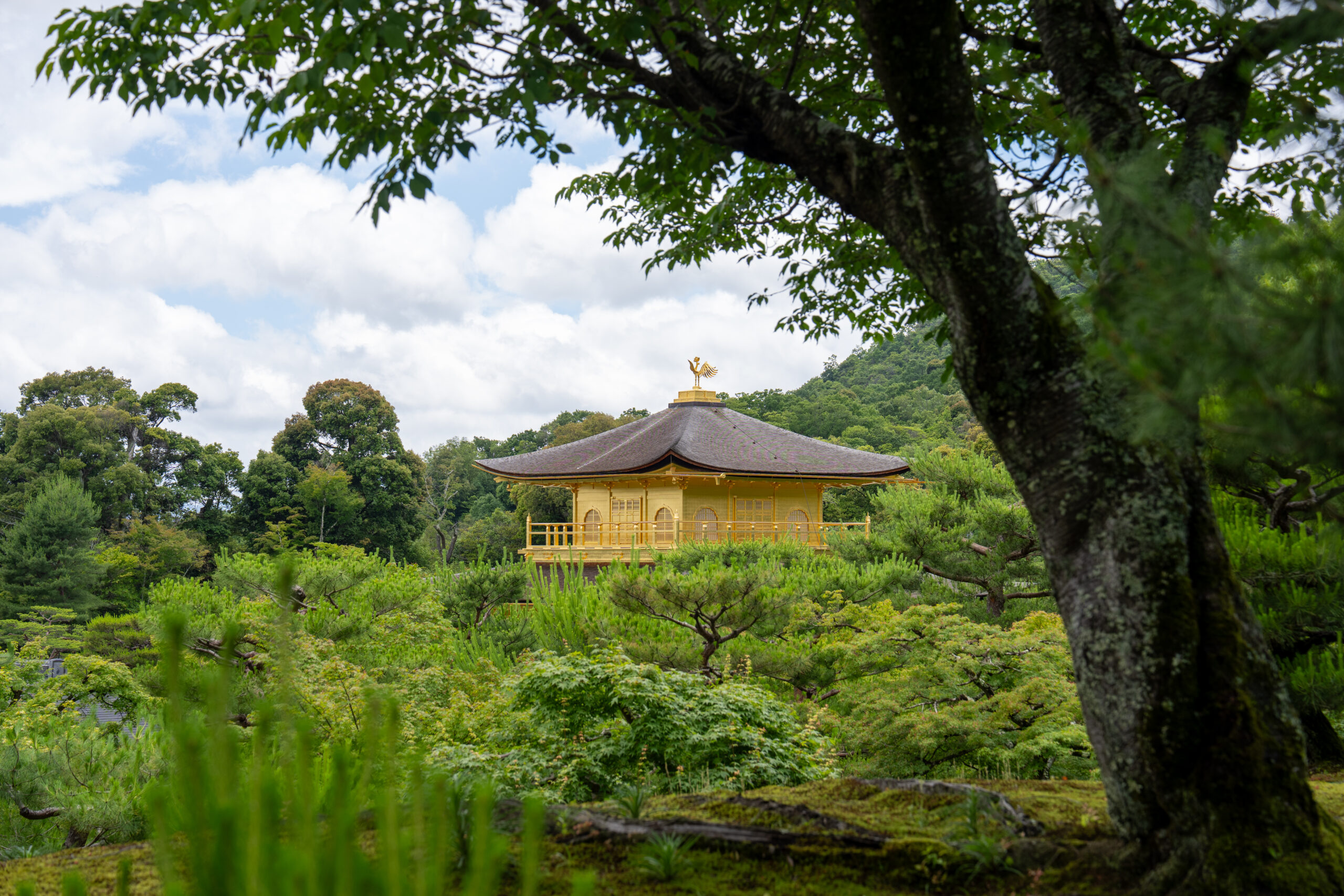
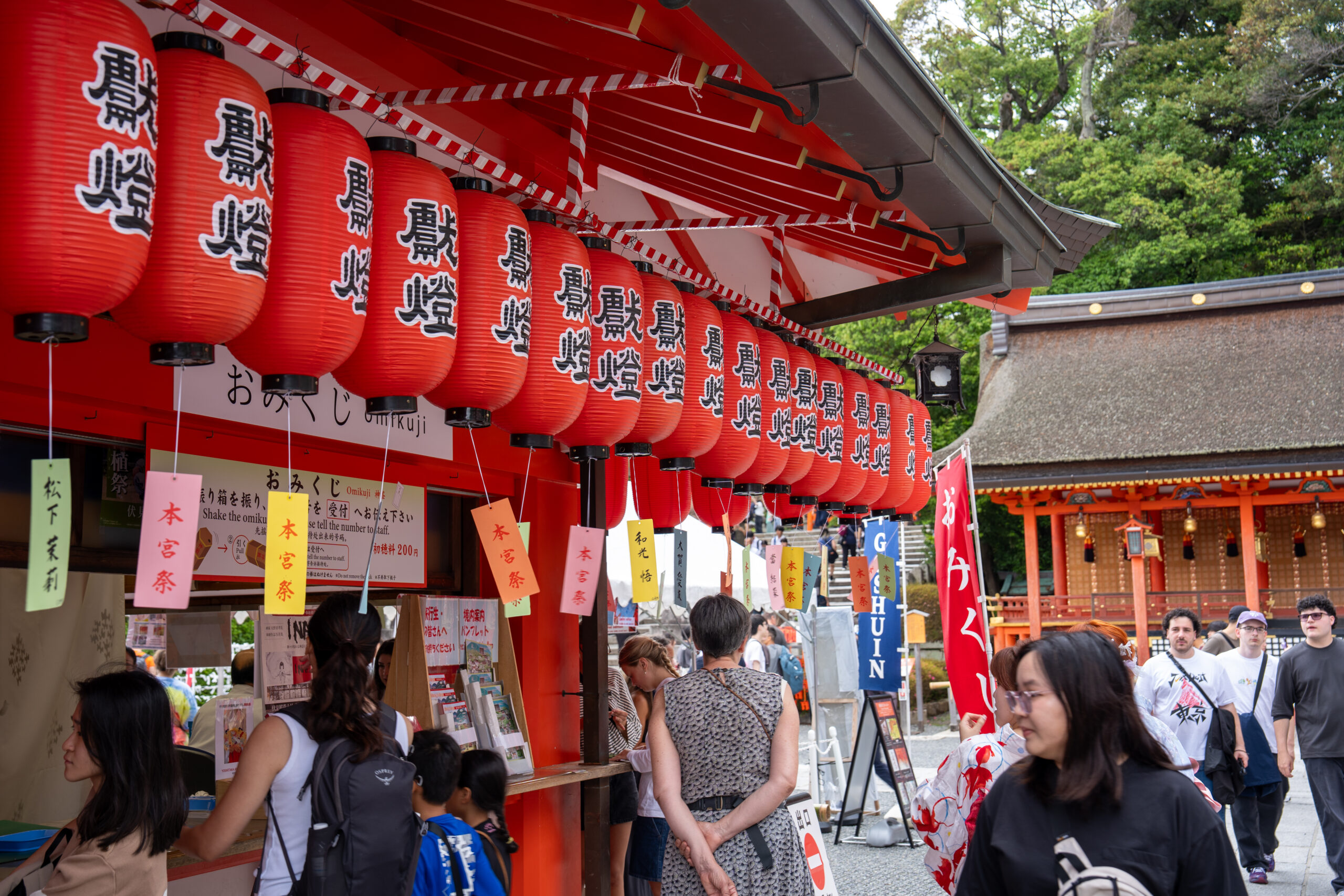
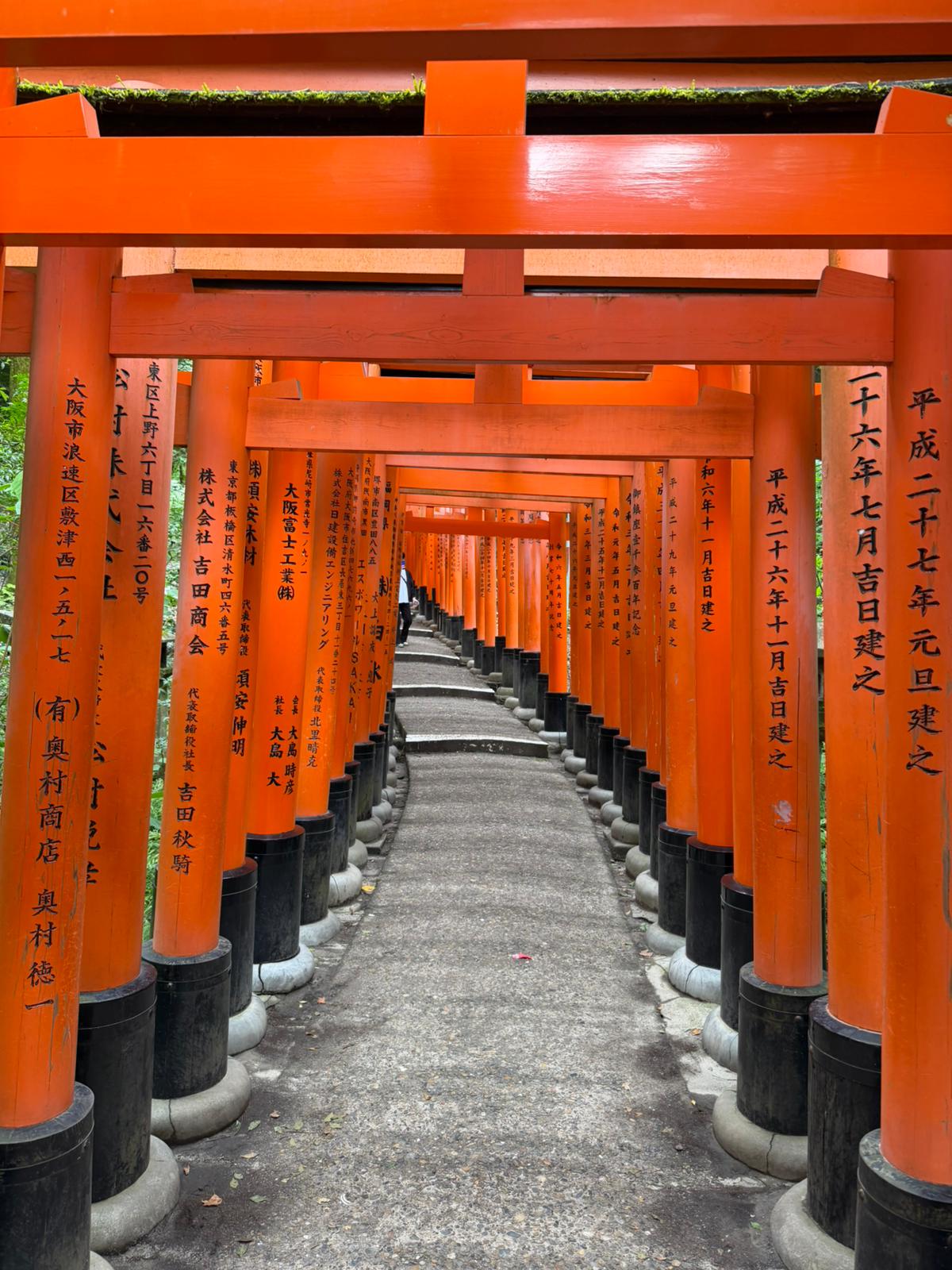
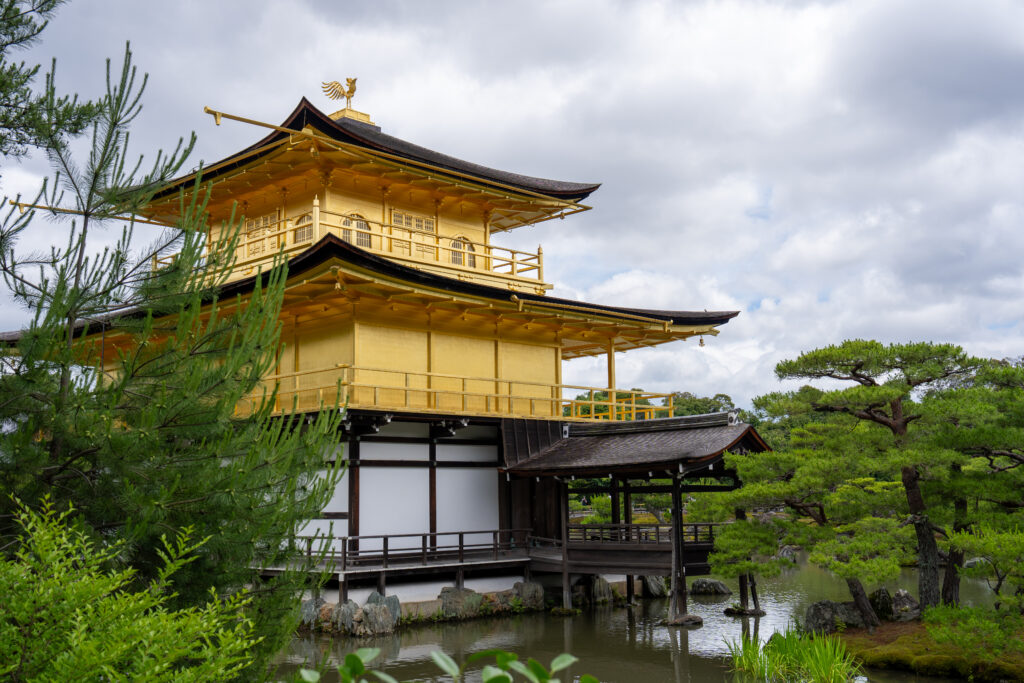
Two of the travelers started the day at the Arashiyama bamboo grove, after which we carried on to the Golden Temple, Kinkaku-ji, which is exactly as gold as advertised and roughly twice as crowded. From there we went looking for the red gates.
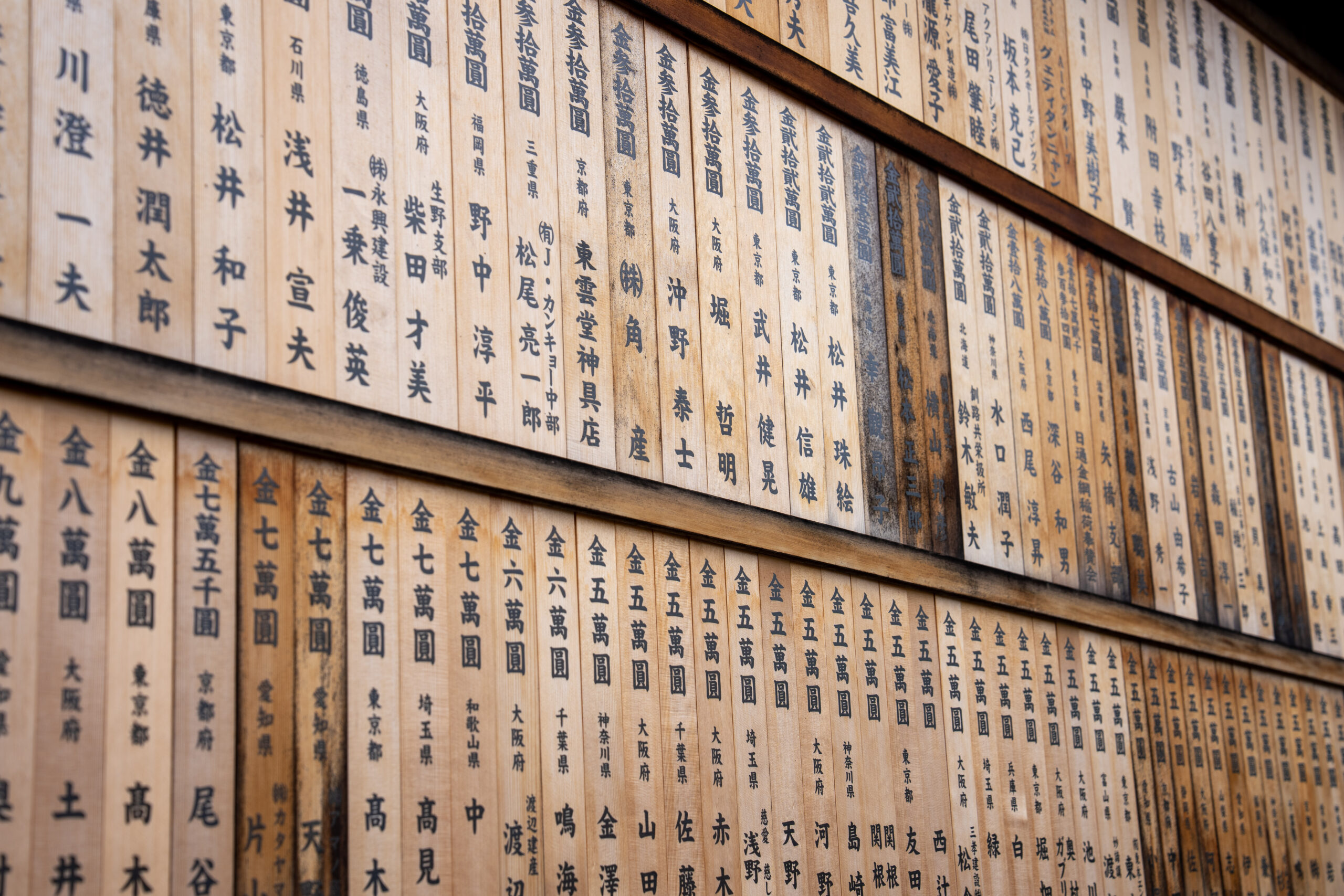
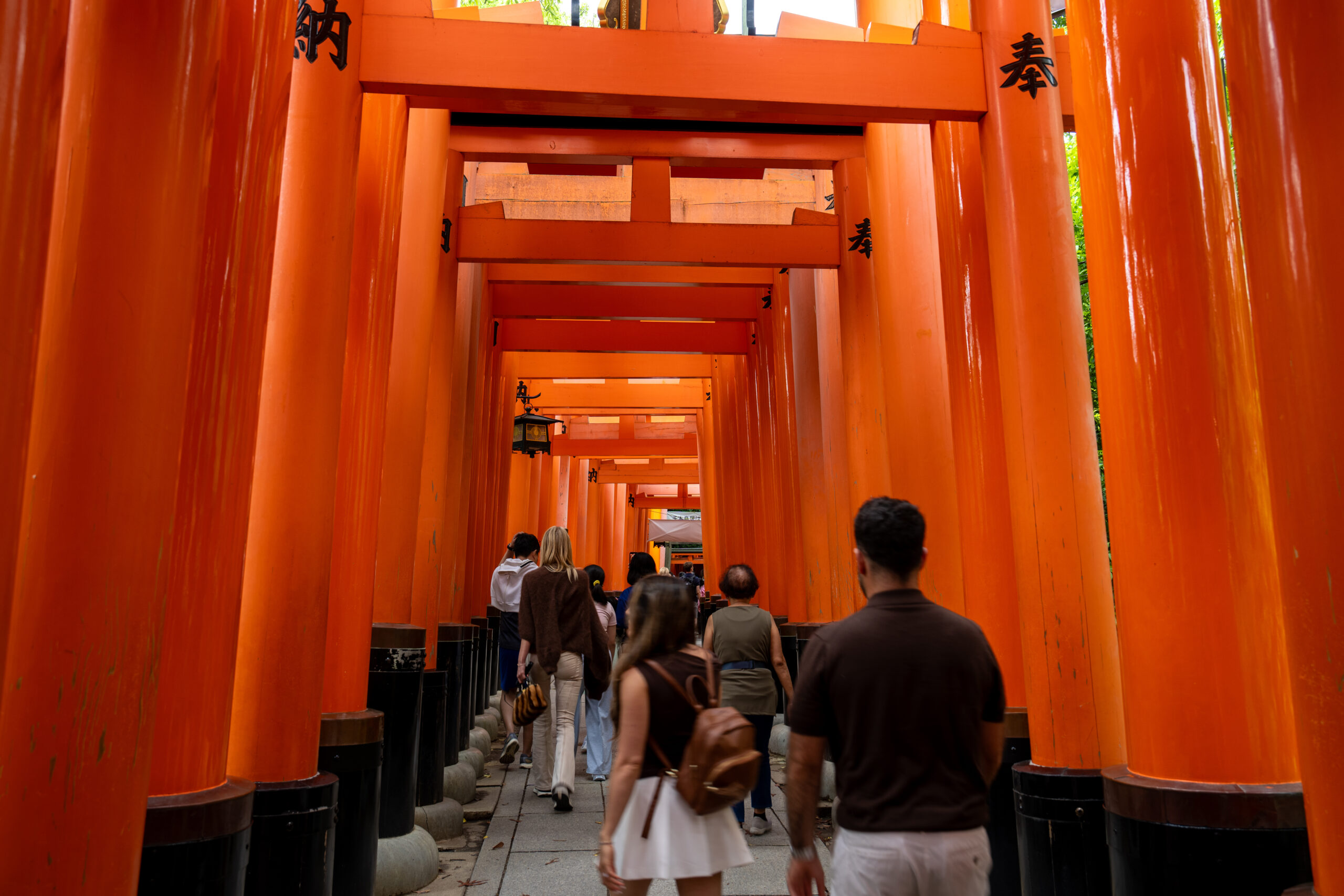
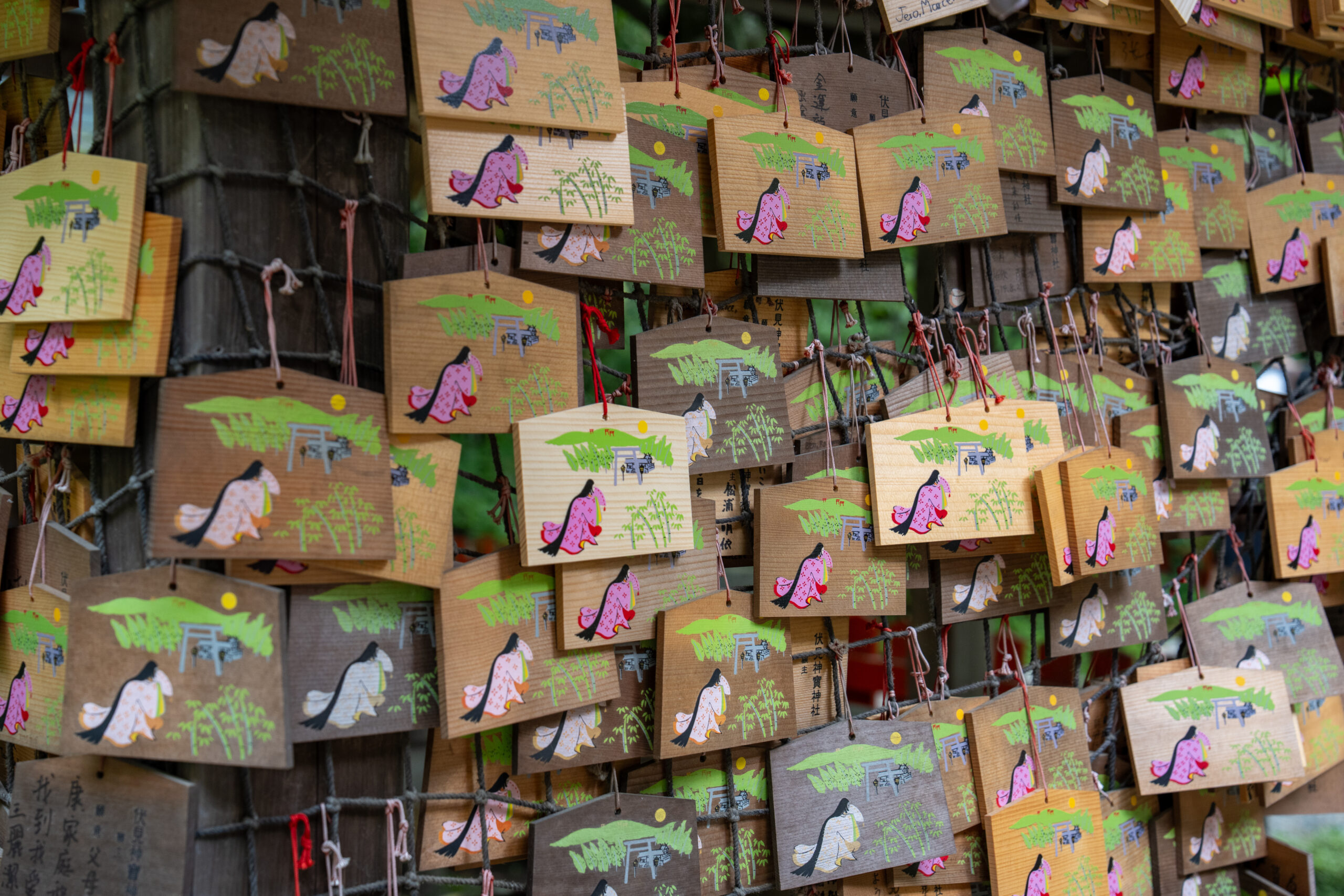
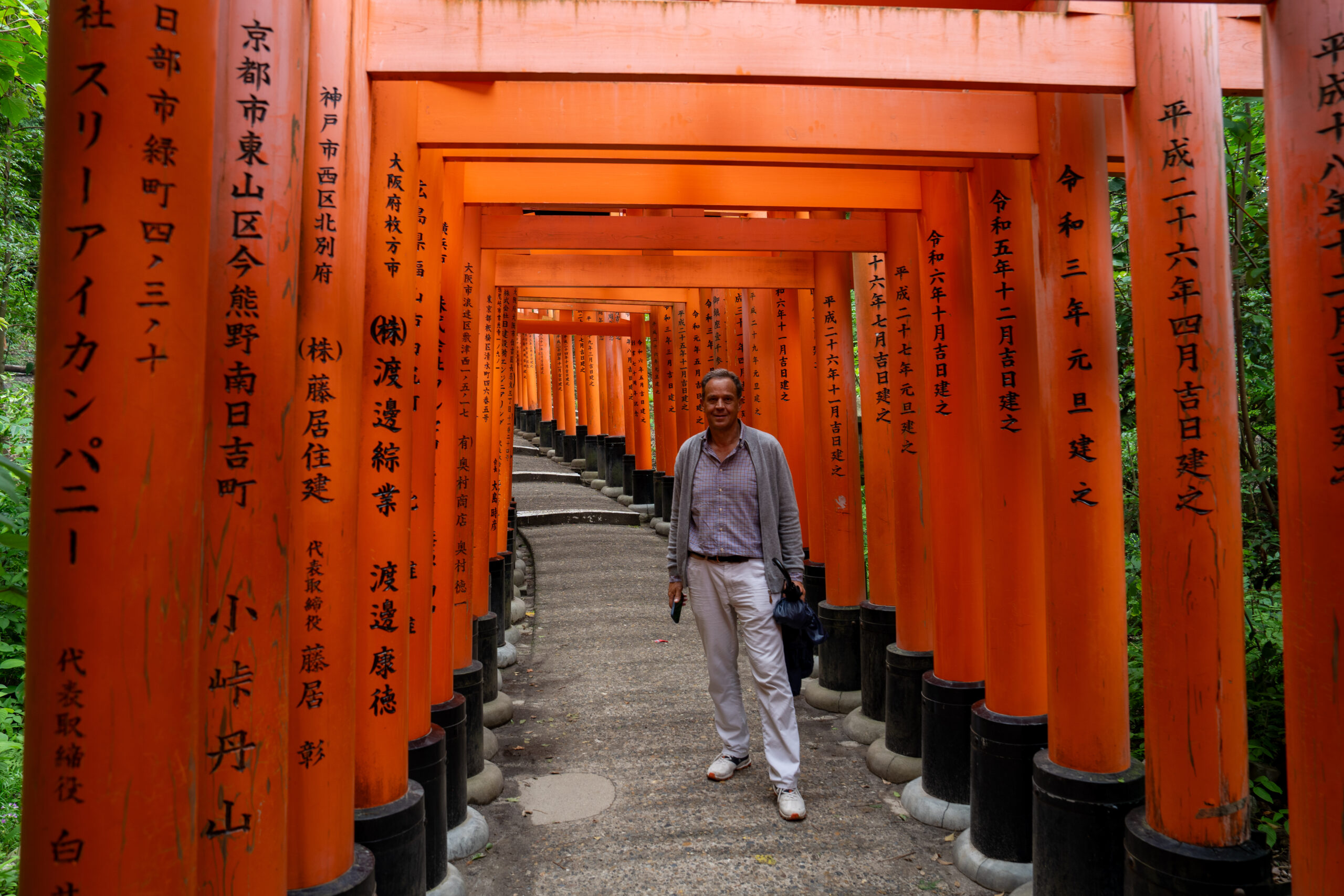
The red gates turned out to be Fushimi Inari Taisha, a shrine founded in 711 and dedicated to Inari, the deity of rice, sake, and prosperity. The thousands of vermilion torii that line the paths are donated by businesses and individuals hoping for some of that prosperity to rub off on them, and there are close to ten thousand of them winding up the mountain.
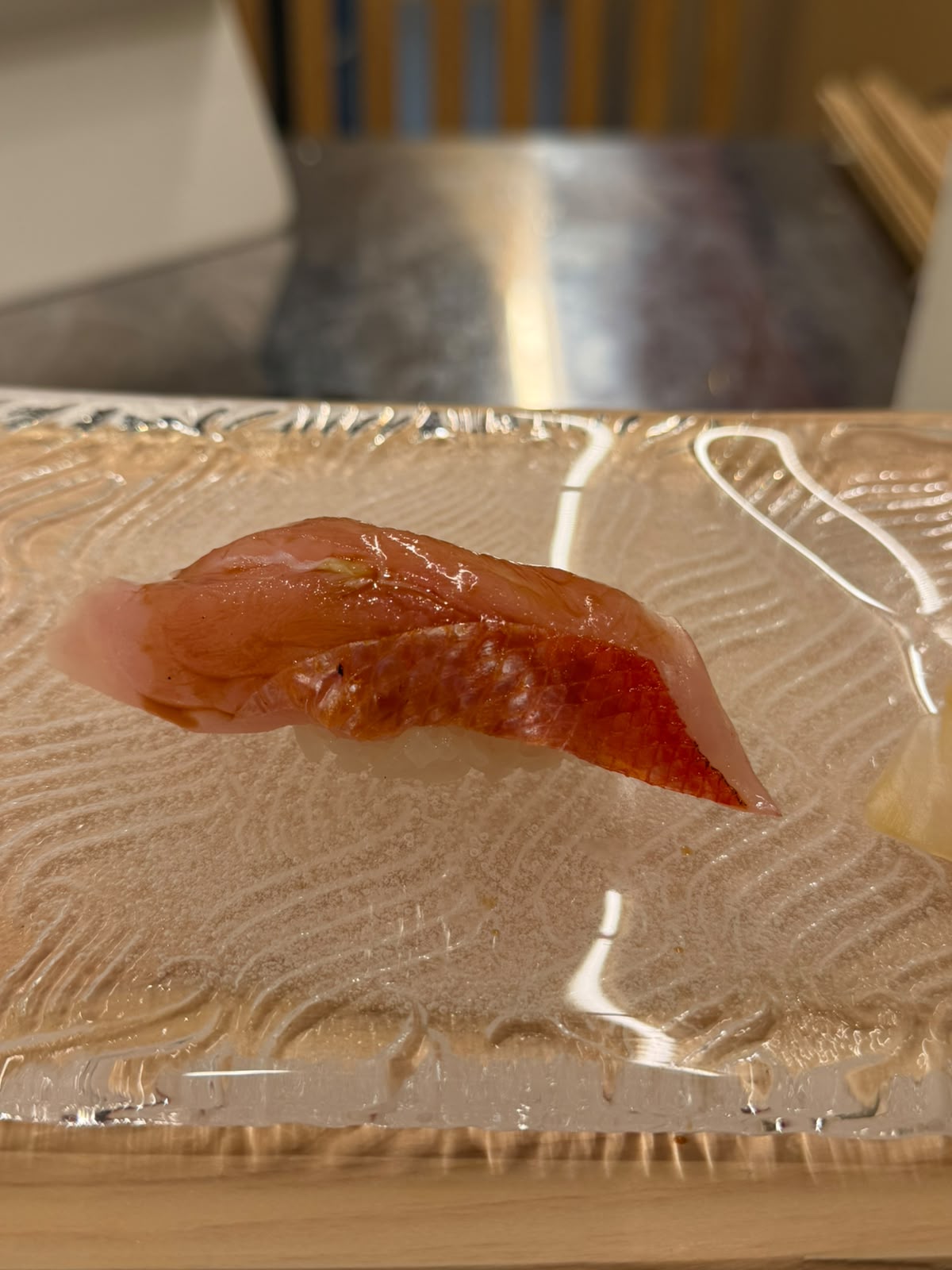
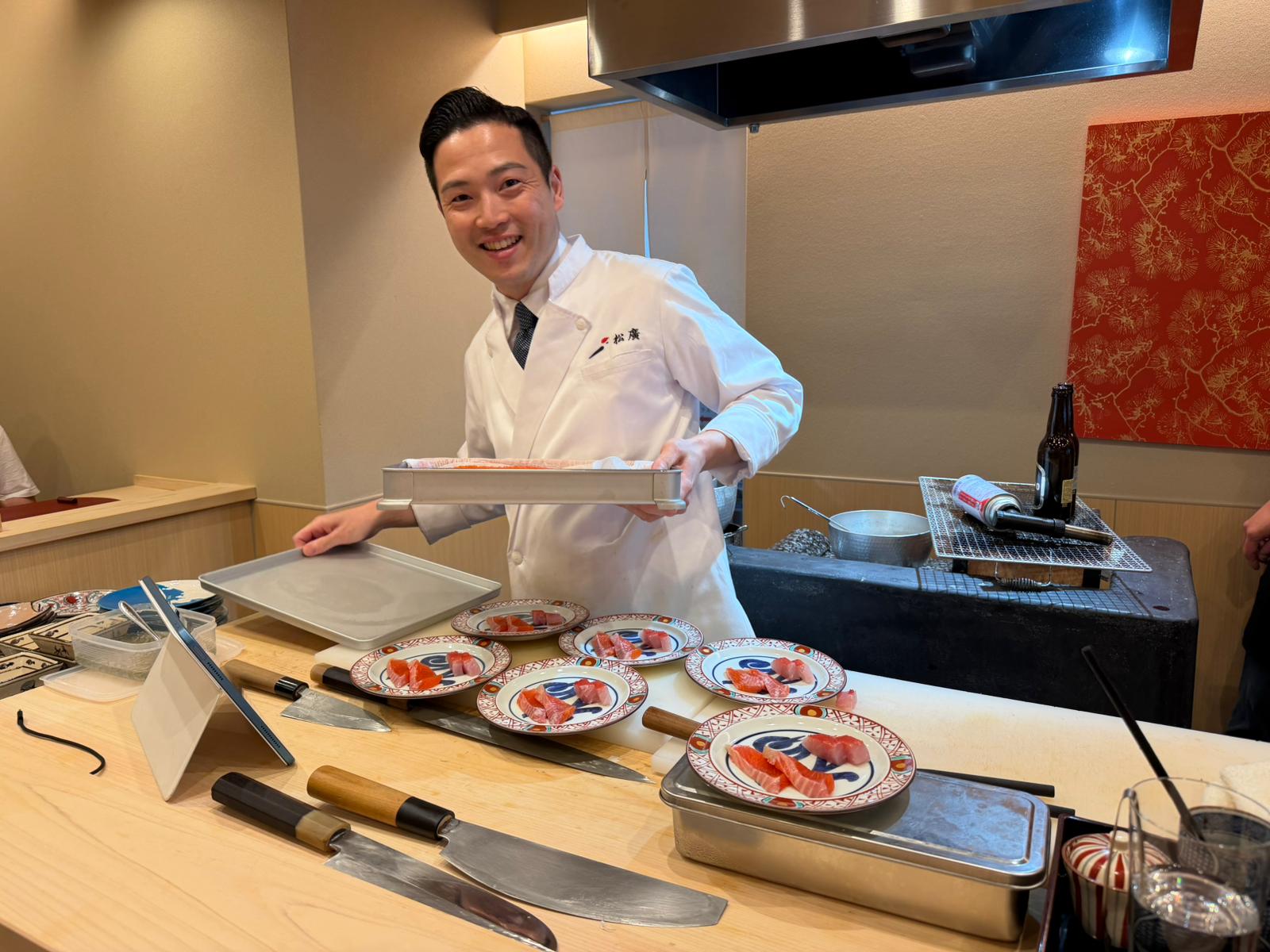
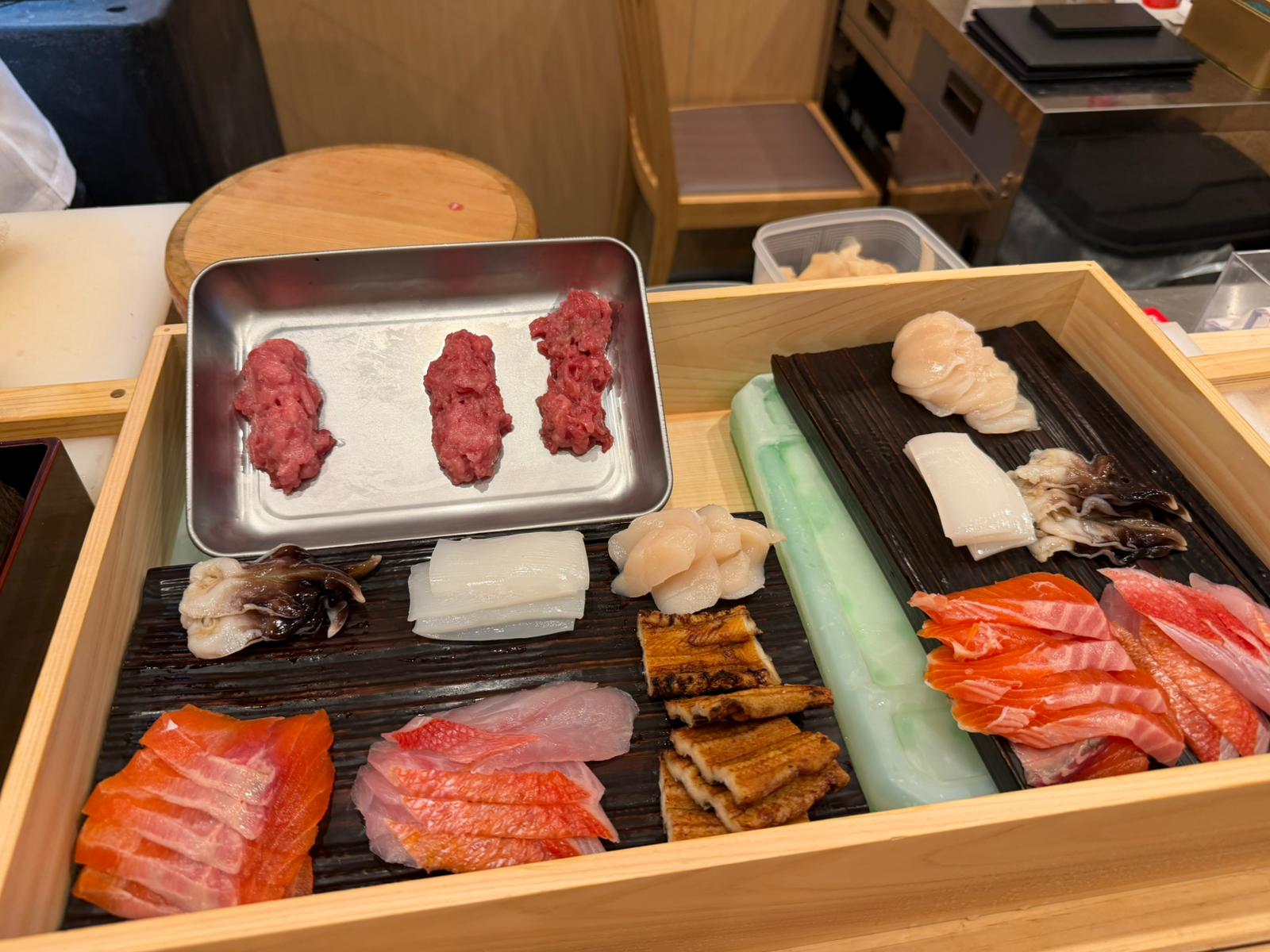
Lunch was meant to be a simple sushi stop, but it turned out to be omakase, which is sushi that decides for you how long you are staying. The meal stretched on for a good while, though the food was good enough that nobody complained too loudly. However, certain travelers did miss their afternoon nap.
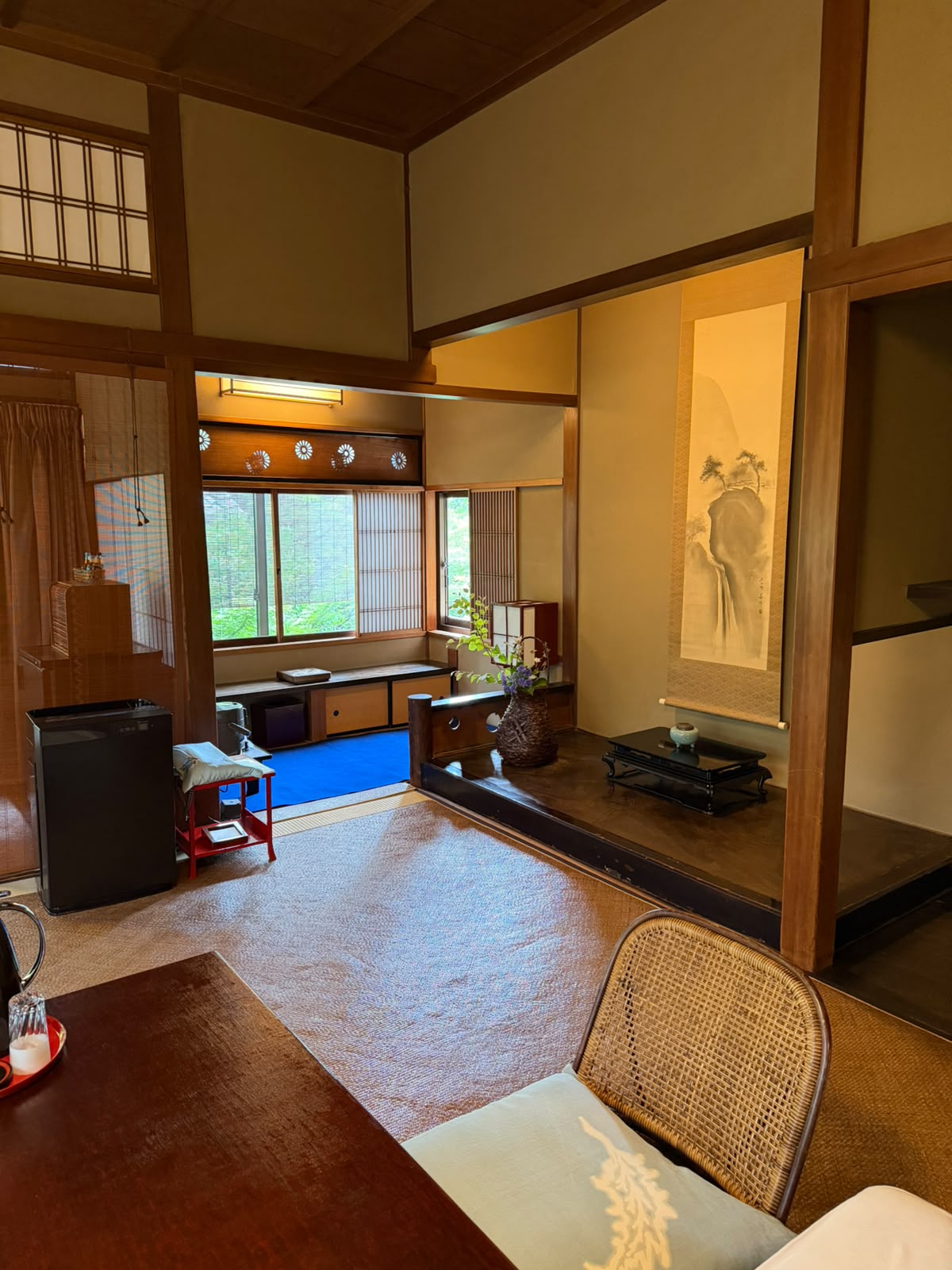
Afterwards we drove to the ryokan and checked in. It was Hiiragiya, an inn that has been in business since 1818, and it was, as promised, very nice.
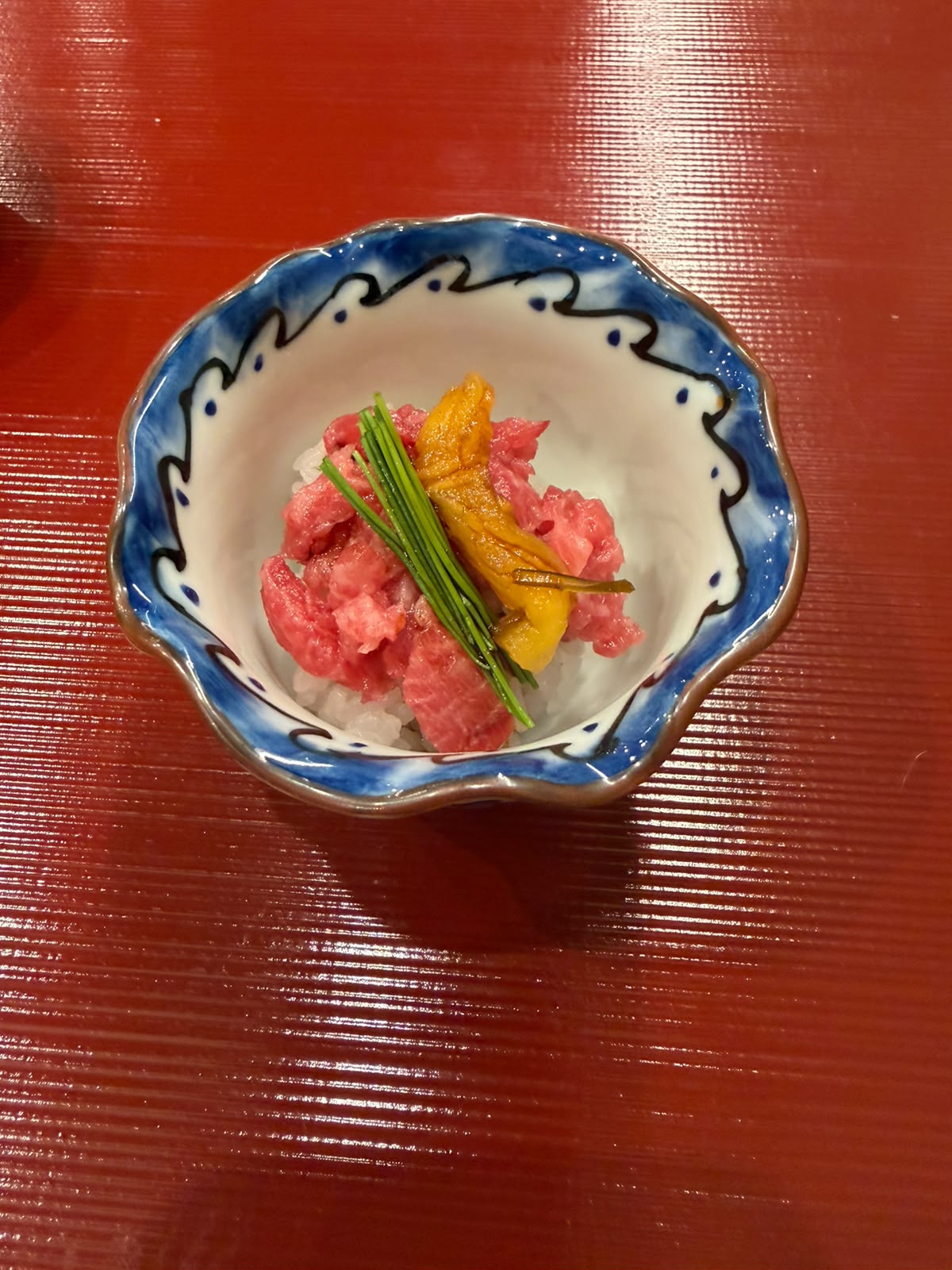
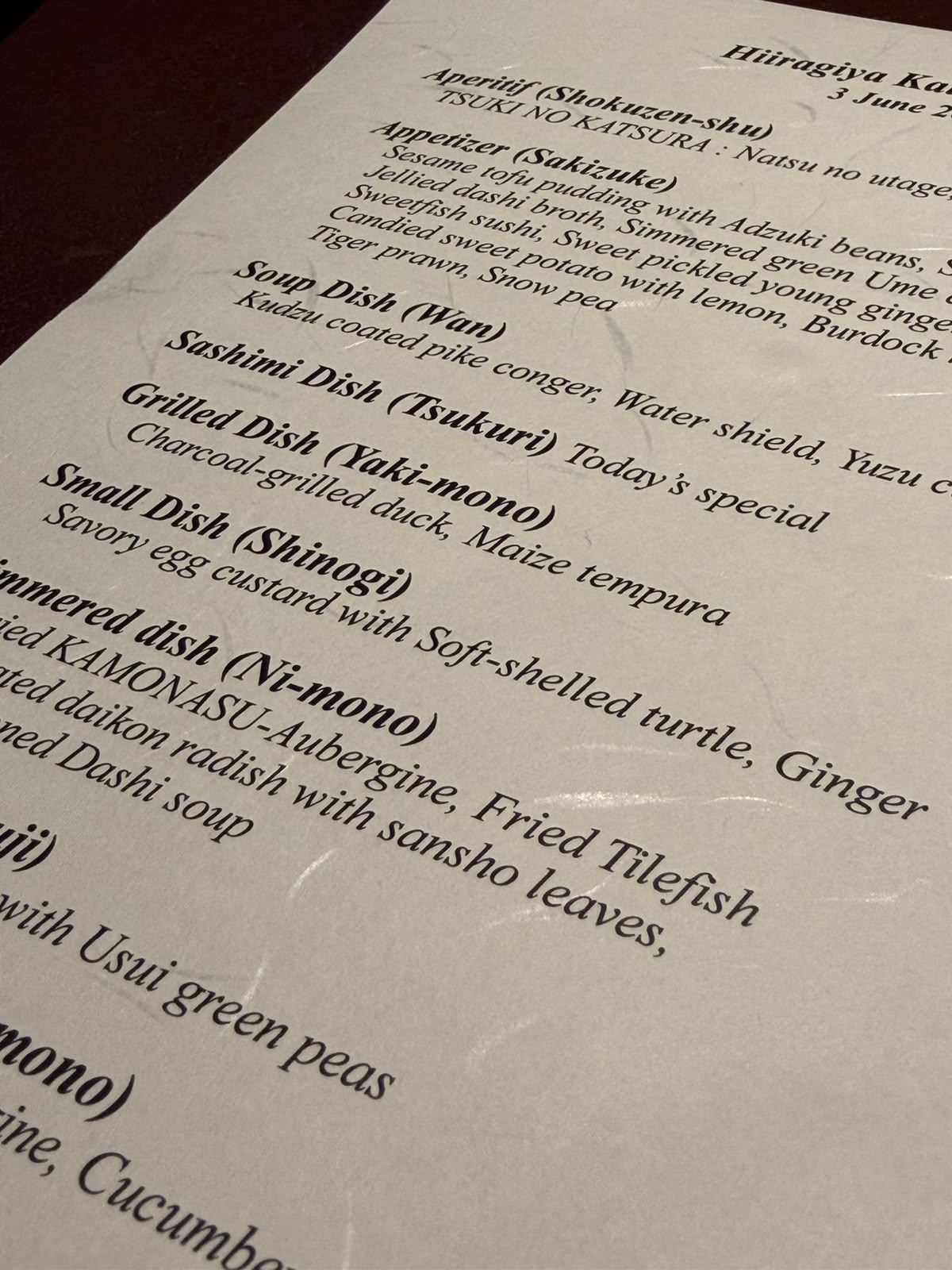
Dinner was kaiseki, long and remarkably punctual. The meal was scheduled for seven, and at 6:59 there was a knock at the door to confirm that we would not keep them waiting, which we duly did not.
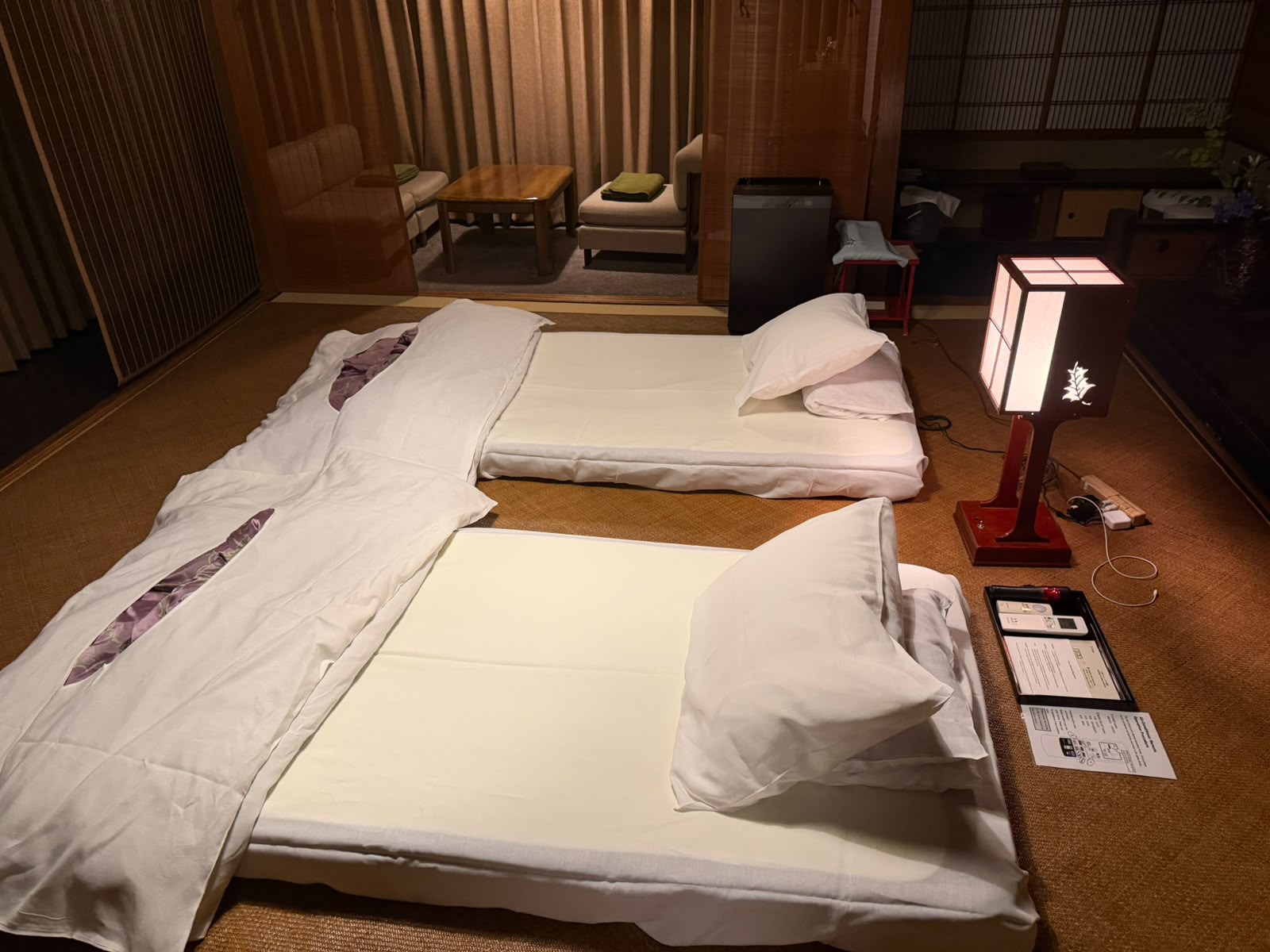
By the end of it everyone was tired, and we slept on futons laid out on the floor. We had modest expectations of a night spent on the ground, but the futon turned out to be a very comfortable sleep, more like a firm mattress than anything else. Following our night at the ryokan, we checked out early the next morning, with the typhoon still circling overhead, and to continue on to Sapporo. That was our time in Kyoto.
Kyōto is a city, seat of Kyōto fu (urban prefecture), in west-central Honshu island, Japan. It is located some 30 miles (50 km) northeast of the industrial city of Ōsaka and about the same distance from Nara, another ancient centre of Japanese culture. Gently sloping downward from north to south, the city averages 180 feet (55 metres) above sea level. Kyōto fu is at the centre of Kinki chihō (region). As the capital of Japan from 794 to 1868, Kyoto is sometimes called the thousand-year capital. Encyclopedia Britannica Wikipedia
Before Kyoto became the imperial capital, immigrants from mainland Asia contributed to the development of the area. During the 8th century, when powerful Buddhist clergy became involved in the affairs of the imperial government, Emperor Kanmu chose to relocate the capital in order to distance it from the clerical establishment in Nara. The new city, Heian-kyō (“tranquility and peace capital”), modeled after the Chinese Tang dynasty capital Chang’an, became the seat of Japan’s imperial court in 794, beginning the Heian period of Japanese history. Although military rulers established their governments either in Kyoto (Muromachi shogunate) or in other cities such as Kamakura (Kamakura shogunate) and Edo (Tokugawa shogunate), Kyoto remained Japan’s capital until the transfer of the imperial court to Tokyo in 1869 at the time of the Imperial Restoration. There was some consideration by the United States of targeting Kyoto with an atomic bomb at the end of World War II. In the end, at the insistence of Henry L. Stimson, Secretary of War in the Roosevelt and Truman administrations, the city was removed from the list of targets and replaced by Nagasaki. The city was largely spared from conventional bombing as well, although small-scale air raids did result in casualties. Wikipedia
As a result, Kyoto is one of the few Japanese cities that still have an abundance of prewar buildings, such as the traditional townhouses known as machiya. Kyoto became a city designated by government ordinance on September 1, 1956. In 1994, 17 historic monuments in Kyoto were inscribed on the list as UNESCO World Heritage Sites. In 1997, Kyoto hosted the conference that resulted in the protocol on greenhouse gas emissions (United Nations Framework Convention on Climate Change). Kyoto is located in a valley, part of the Yamashiro (or Kyoto) Basin, in the eastern part of the mountainous region known as the Tamba highlands. The Yamashiro Basin is surrounded on three sides by mountains known as Higashiyama, Kitayama and Nishiyama. Kyoto is considered the cultural center of Japan with 1,600 Buddhist temples, four hundred Shinto shrines, palaces, gardens and architectural treasures. The city has many small factories run by artisans who produce traditional Japanese crafts, with Kyoto’s kimono weavers being particularly renowned. Wikipedia New World Encyclopedia
Japan is an island country in East Asia, located in the Pacific Ocean off the eastern coast of the Asian continent. It lies east of China, the Korean Peninsula, and Russia, and consists of an archipelago of more than 6,000 islands. The four main islands—Honshu, Hokkaido, Kyushu, and Shikoku—account for most of the country’s land area and population, forming a long chain that stretches from north to south. The official language of Japan is Japanese, which is spoken by the vast majority of the population. The capital of Japan is Tokyo, one of the largest metropolitan areas in the world. Formerly known as Edo, the city became the imperial capital in 1868, replacing Kyōto, and today it is home to major government institutions, businesses, and many of Japan’s leading cultural and educational organizations. Encyclopedia BritannicaEncyclopedia Britannica
In 1603, after decades of civil warfare, the Tokugawa shogunate (a military-led, dynastic government) ushered in a long period of relative political stability and isolation from foreign influence. For more than two centuries, this policy enabled Japan to enjoy a flowering of its indigenous culture. Japan opened its ports after signing the Treaty of Kanagawa with the US in 1854 and began to intensively modernize and industrialize. During the late 19th and early 20th centuries, Japan became a regional power that was able to defeat the forces of both China and Russia. It occupied Korea, Formosa (Taiwan), and southern Sakhalin Island. In 1931-32, Japan occupied Manchuria, and in 1937, it launched a full-scale invasion of China. Japan attacked US forces at Pearl Harbor, Hawaii, in 1941, triggering America’s entry into World War II, and Japan soon occupied much of East and Southeast Asia. After its defeat in World War II, the country recovered to become an economic power and a US ally. OpenFactBook
The prime minister leads the government and is supported by the Diet, Japan’s legislature, which consists of the House of Representatives, the lower house, and the House of Councillors, the upper house. The main religious traditions in Japan are Shintō and Buddhism, both of which play important roles in cultural and spiritual life. Shintō is rooted in indigenous beliefs and emphasizes rituals connected to nature and ancestors, while Buddhism was introduced from the Asian mainland. Japan is one of the world’s fastest aging countries and has the highest proportion of elderly citizens of any country, comprising one-third of its total population; this is the result of a post–World War II baby boom, which was followed by an increase in life expectancy and a decrease in birth rates. Japan has a total fertility rate of 1.2, which is below the replacement rate of 2.1, and is among the world’s lowest. Japan also has one of the oldest populations globally, with a high proportion of elderly citizens, a trend that is reshaping the country’s workforce and social structure. Encyclopedia Britannica + 2
Reference: Wikipedia.org under https://en.wikipedia.org/wiki/Japan