Day Fifteen: Okinawa to Hiroshima
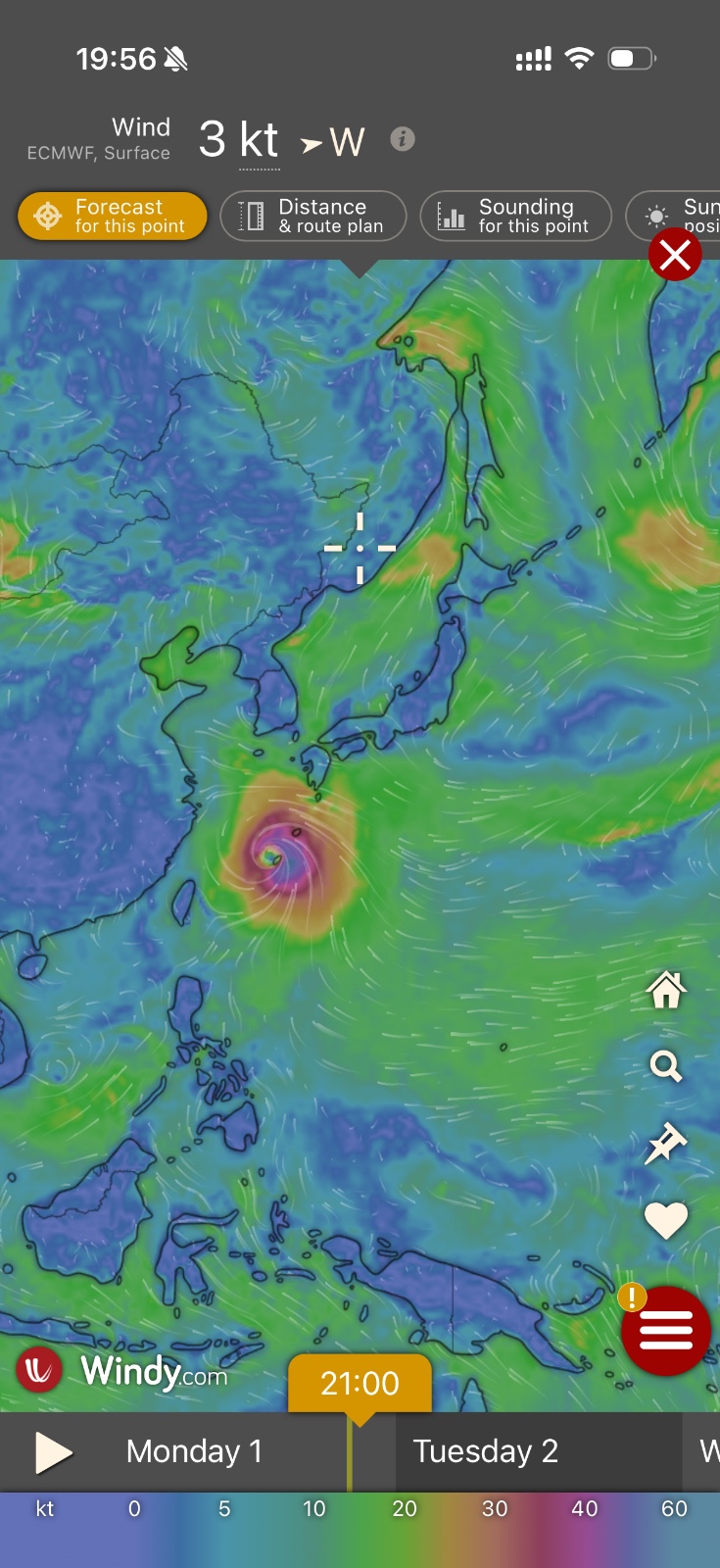
We flew into Hiroshima from Okinawa, and somewhere on the approach the captain hatched a new plan. He’d worked out a way to somewhat circumvent the typhoon that was chasing us. This typhoon, due to come ashore on exactly the day we were meant to leave Hiroshima, could pose some issues when it came to flying. So the scheme, devised mid-air, was elegant. Leave the plane in Hiroshima, drive from Hiroshima to Kyoto by car, and pick things up from there.
It was a good plan. It was, however, a plan that ran straight into a fundamental truth about this country. The Japanese are wonderfully, immovably inflexible, which left us with the firm notion that the plan stays the plan in Japan. Improvising your way around a schedule is simply not a category of thing that exists here. So much for outsmarting the weather.
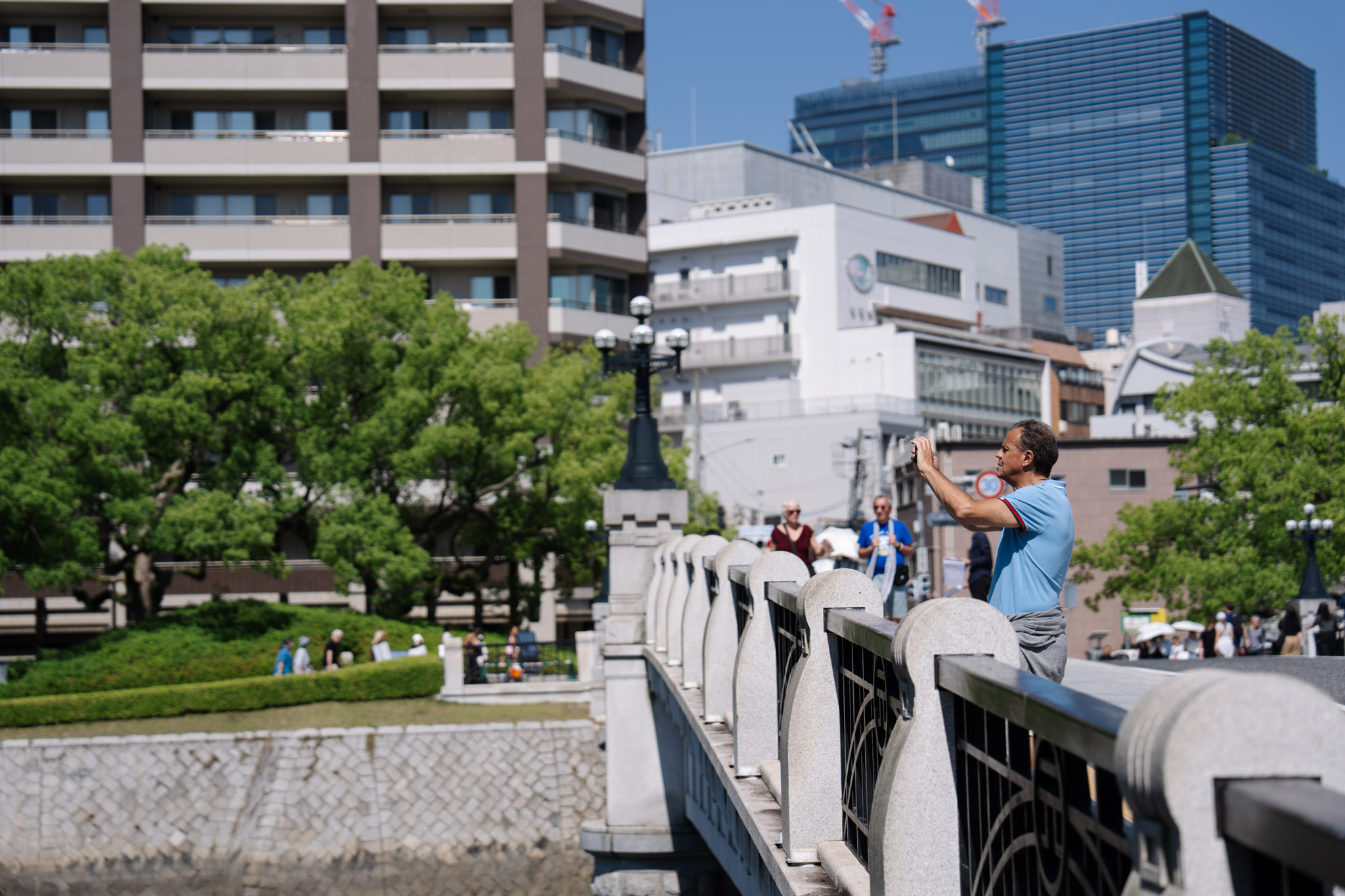
Having accepted that we would be sticking to the original plan, we made our way into Hiroshima. After checking in we had a quick sushi lunch right there at the hotel before heading out, which turned out to be the right call. From the hotel we walked over to the atomic bomb museum, and it was busier than we expected, a real crowd of visitors from everywhere.
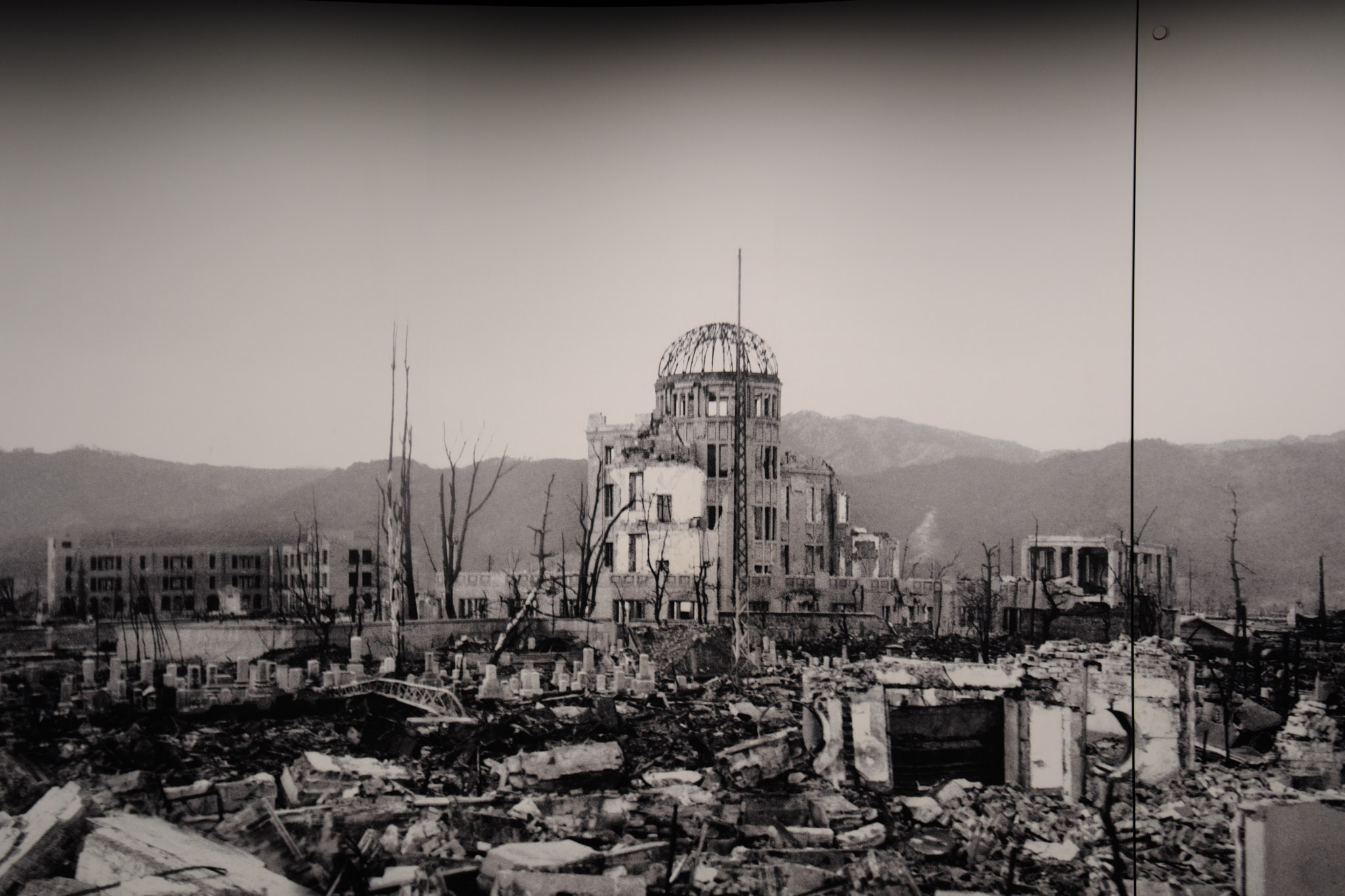
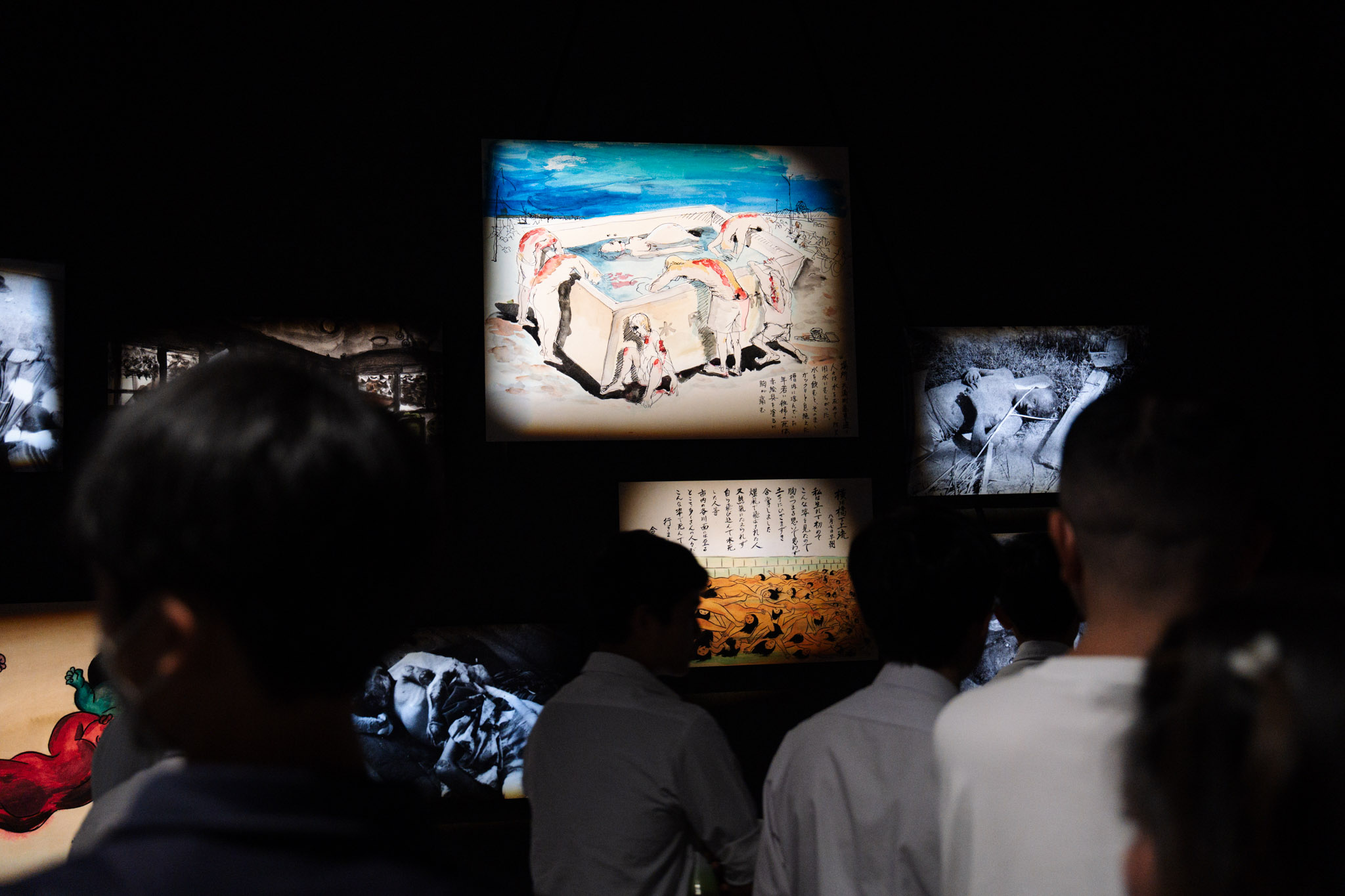
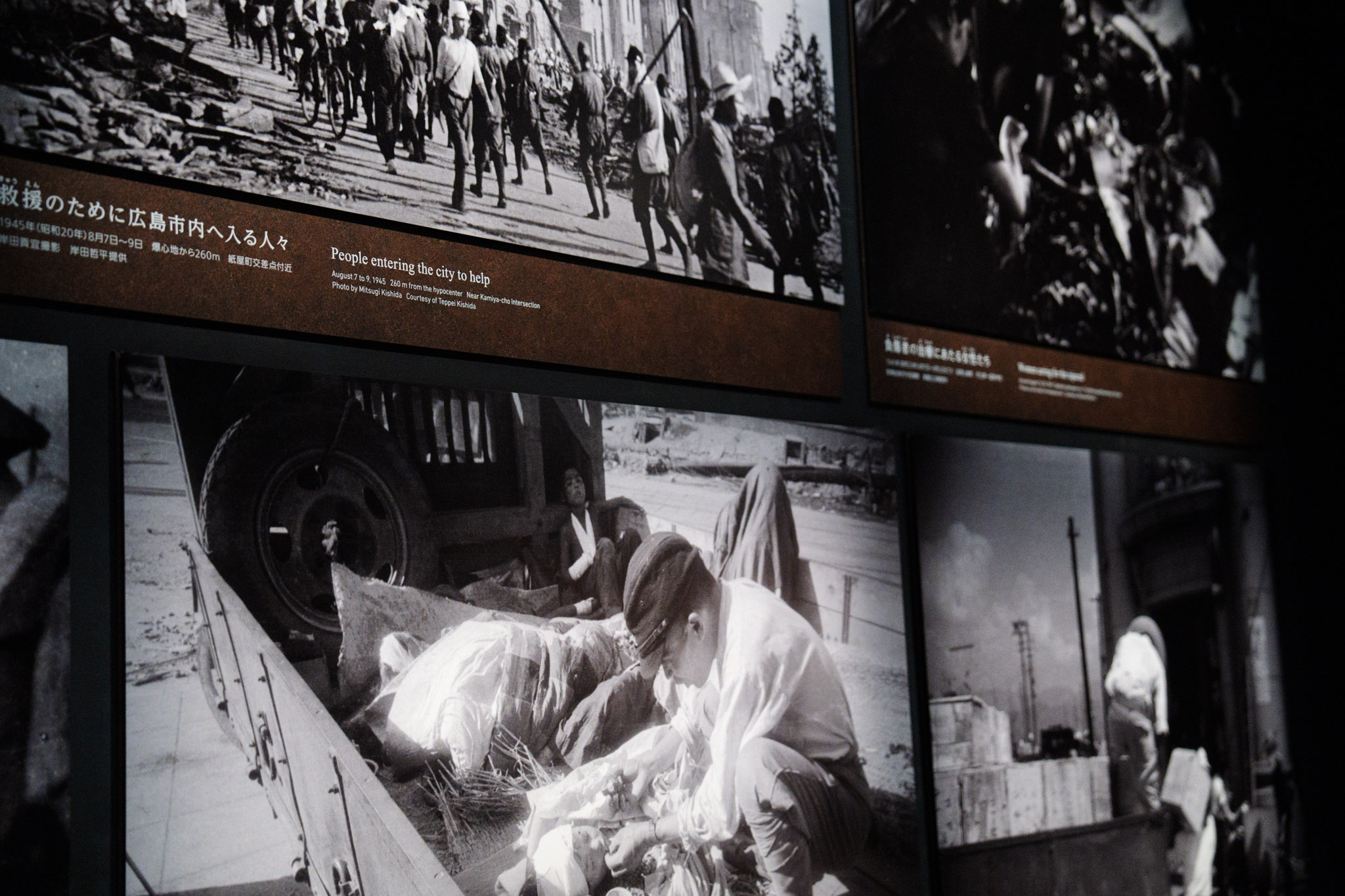
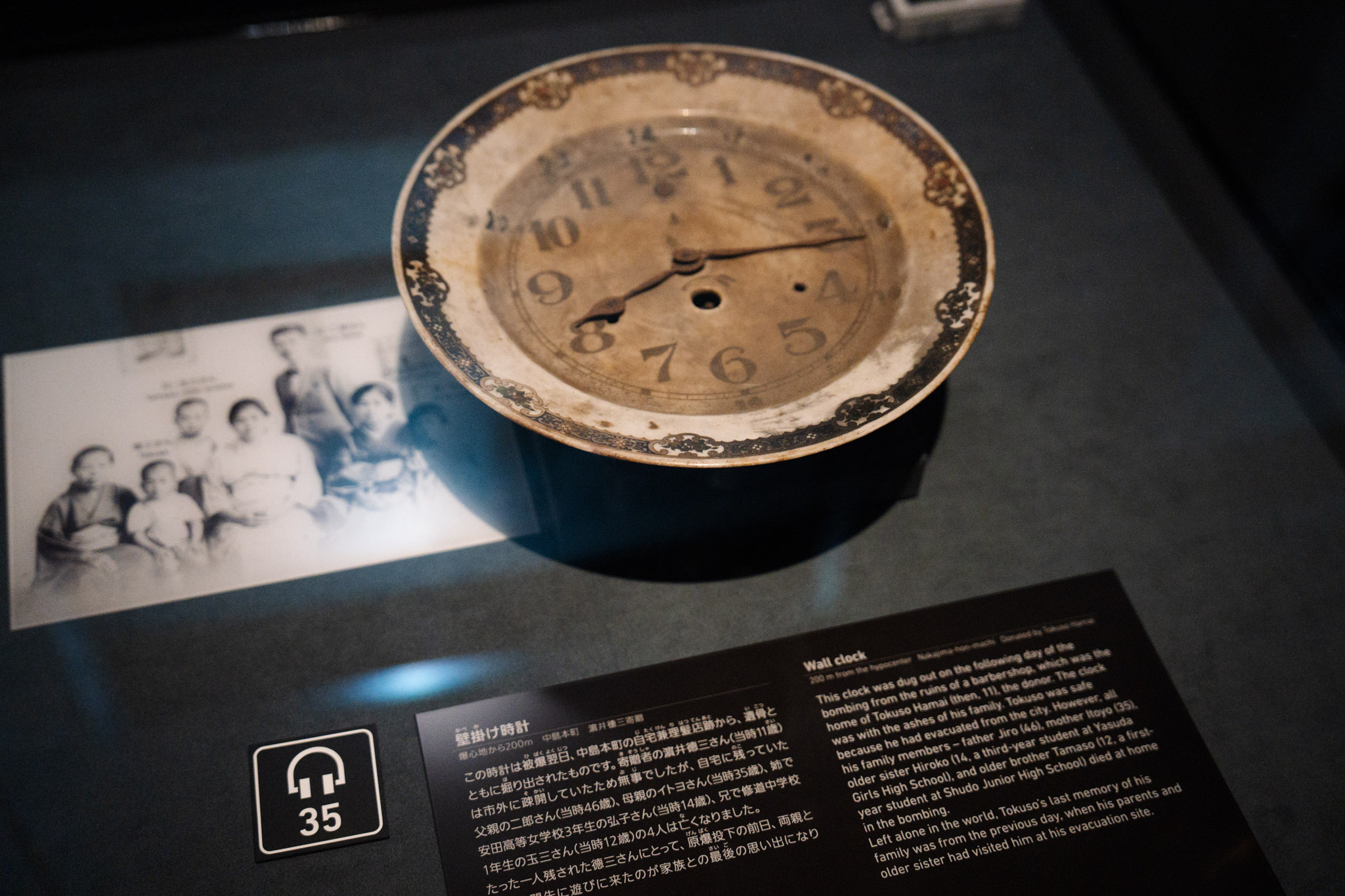
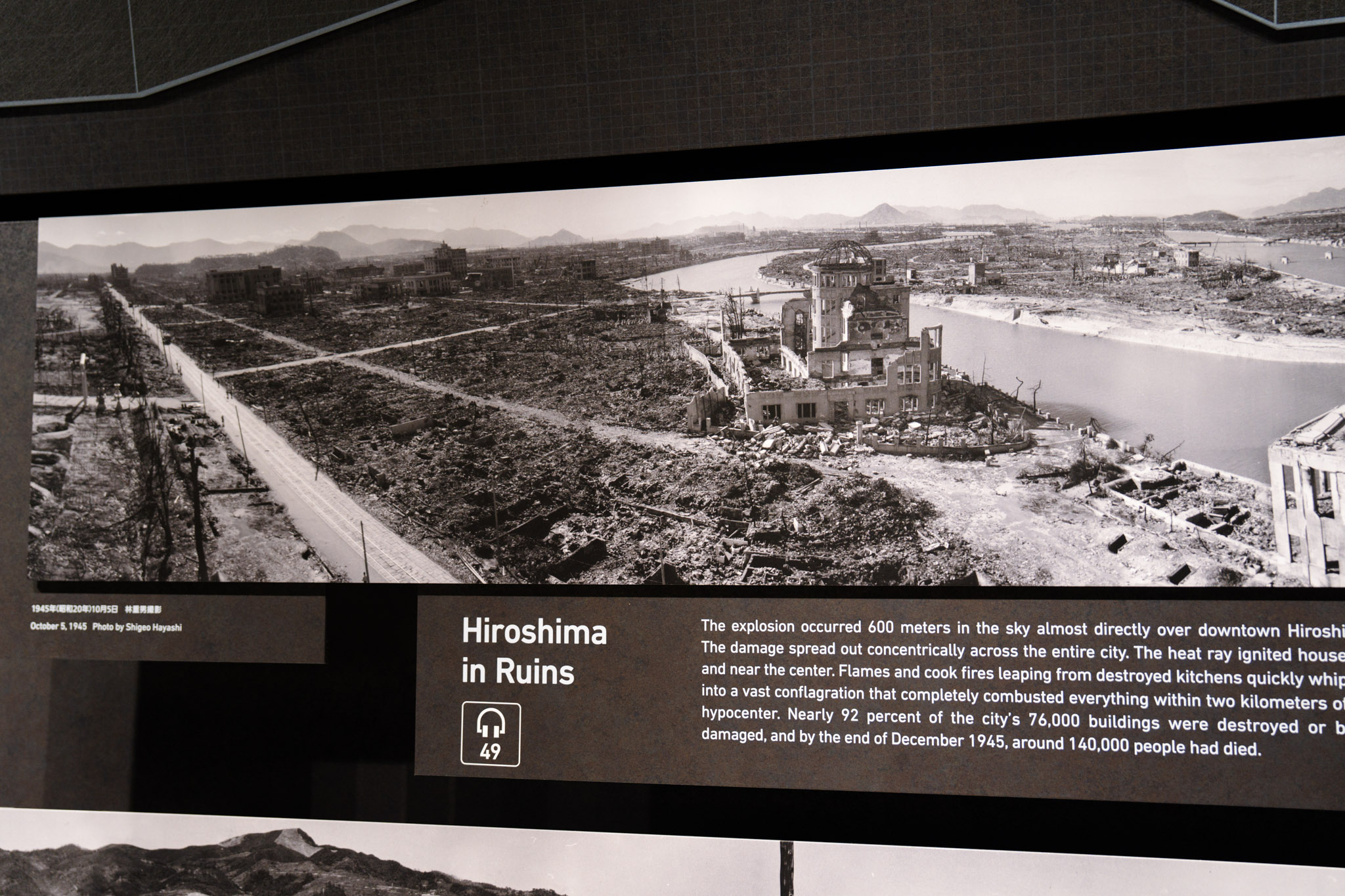
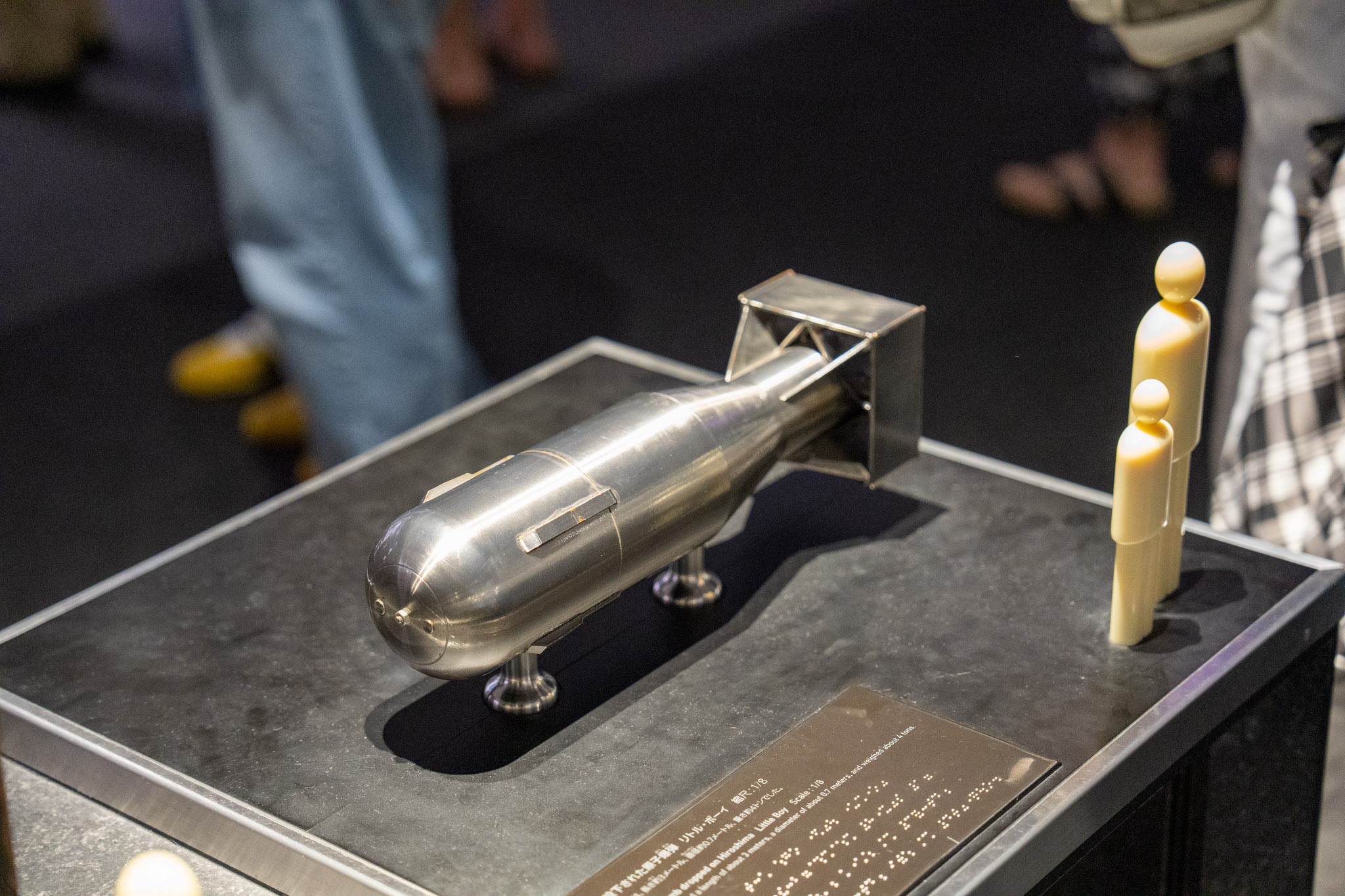
The museum itself stays measured and factual about the events. It lays out the before and the after, the city as it was and the city as it became in a single morning, alongside the personal things that survived when their owners did not. There is no editorialising and there doesn’t need to be. Ultimately you move through it, you look at the things, and you don’t say very much.
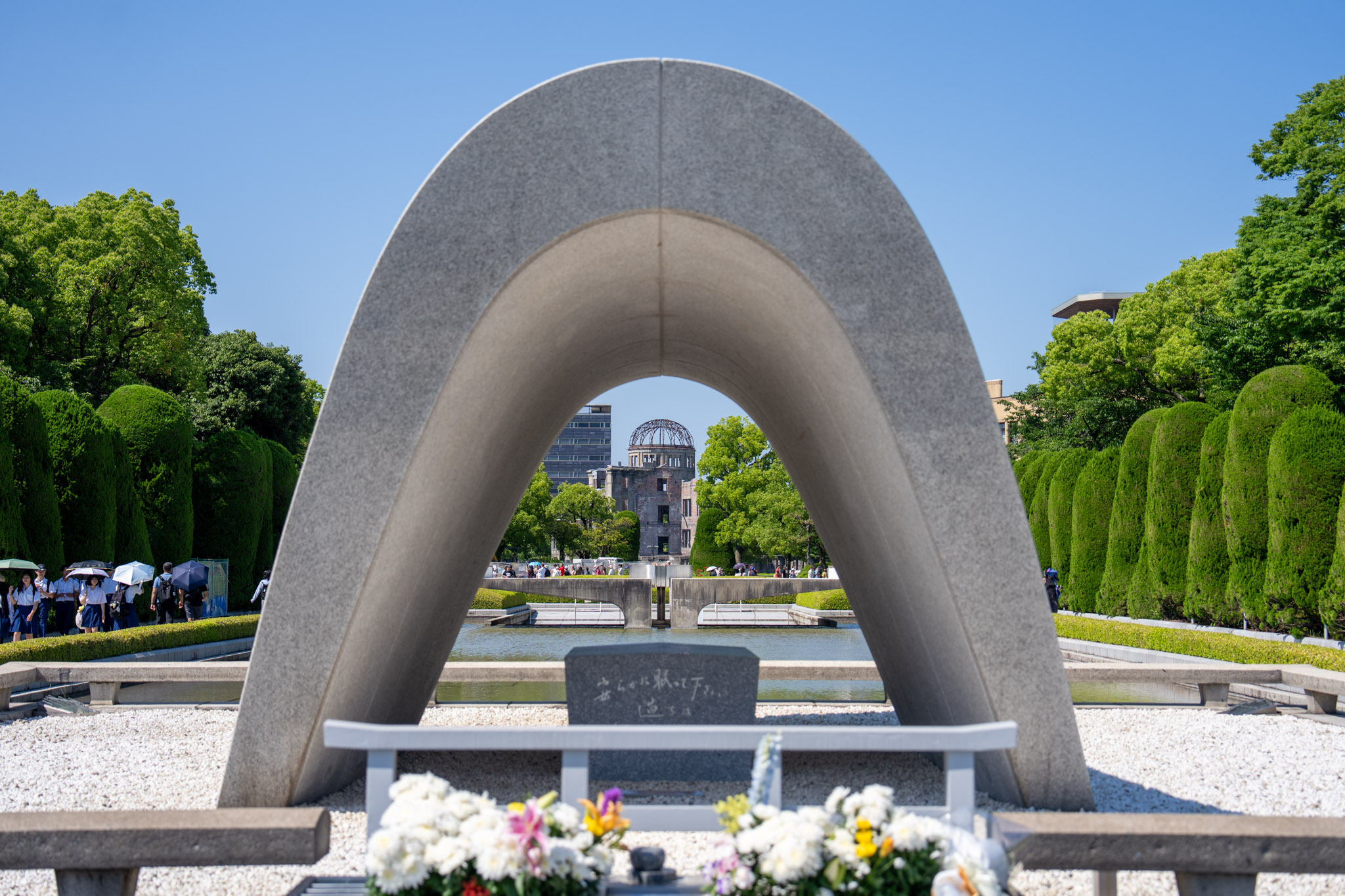
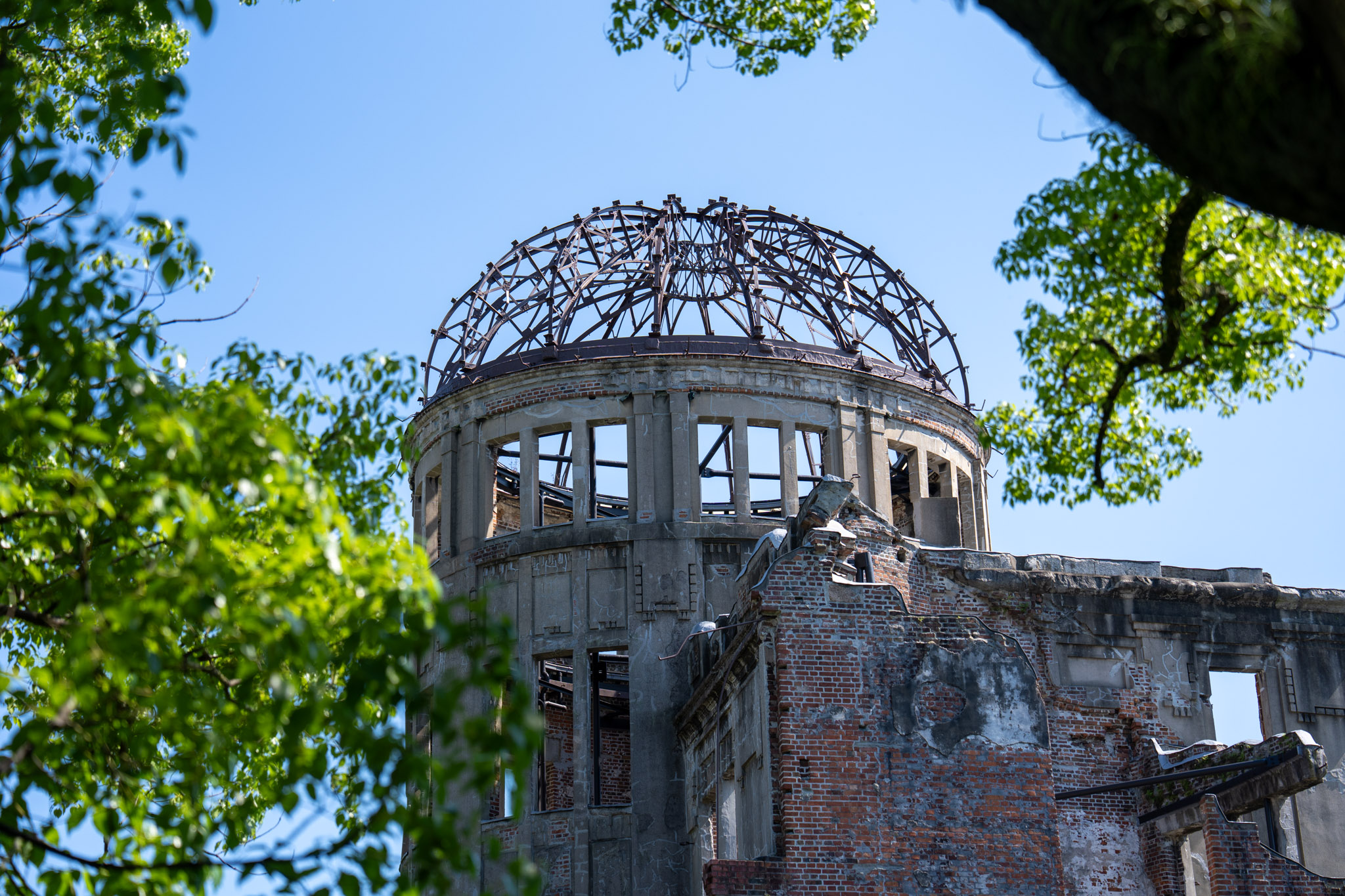
Then we walked over to the Dome, the skeletal building left standing near the hypocenter, preserved exactly as it was. It was originally the Hiroshima Prefectural Industrial Promotion Hall, an exhibition building from 1915. The bomb detonated almost directly above it, so the blast came straight down through the centre rather than sideways, and the frame and the dome held while everything around it was flattened. It has been left in that state ever since.
Following the sightseeing we went back to the hotel and rested a bit, before wrapping the day up with a very good teppanyaki.
Day Sixteen: Hiroshima & Miyajima
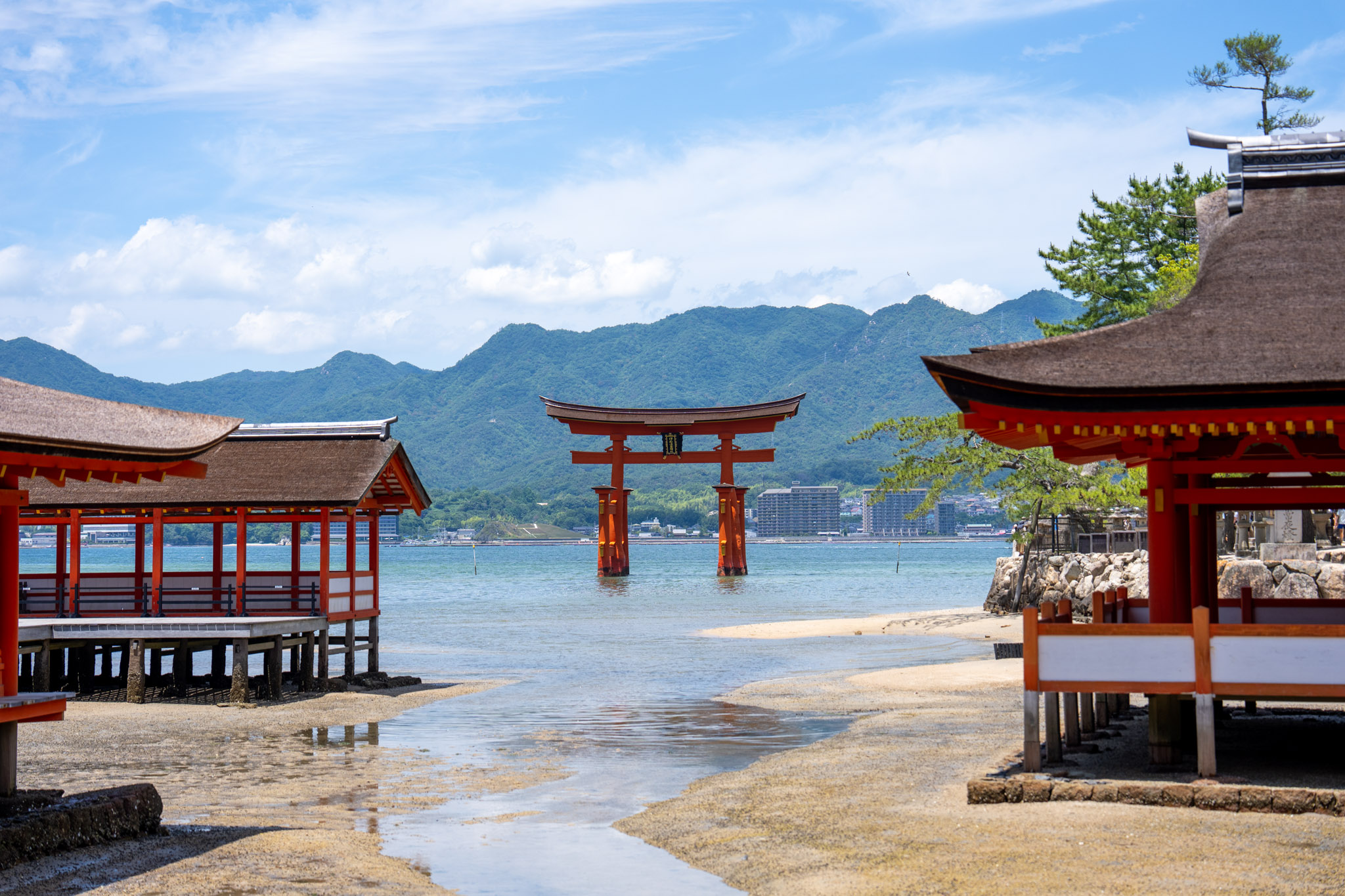
The next morning we went to what Claude & ChatGPT both rank as the second most notable site in the area: Miyajima Island, officially Itsukushima, the island with the famous torii gate standing out in the water.
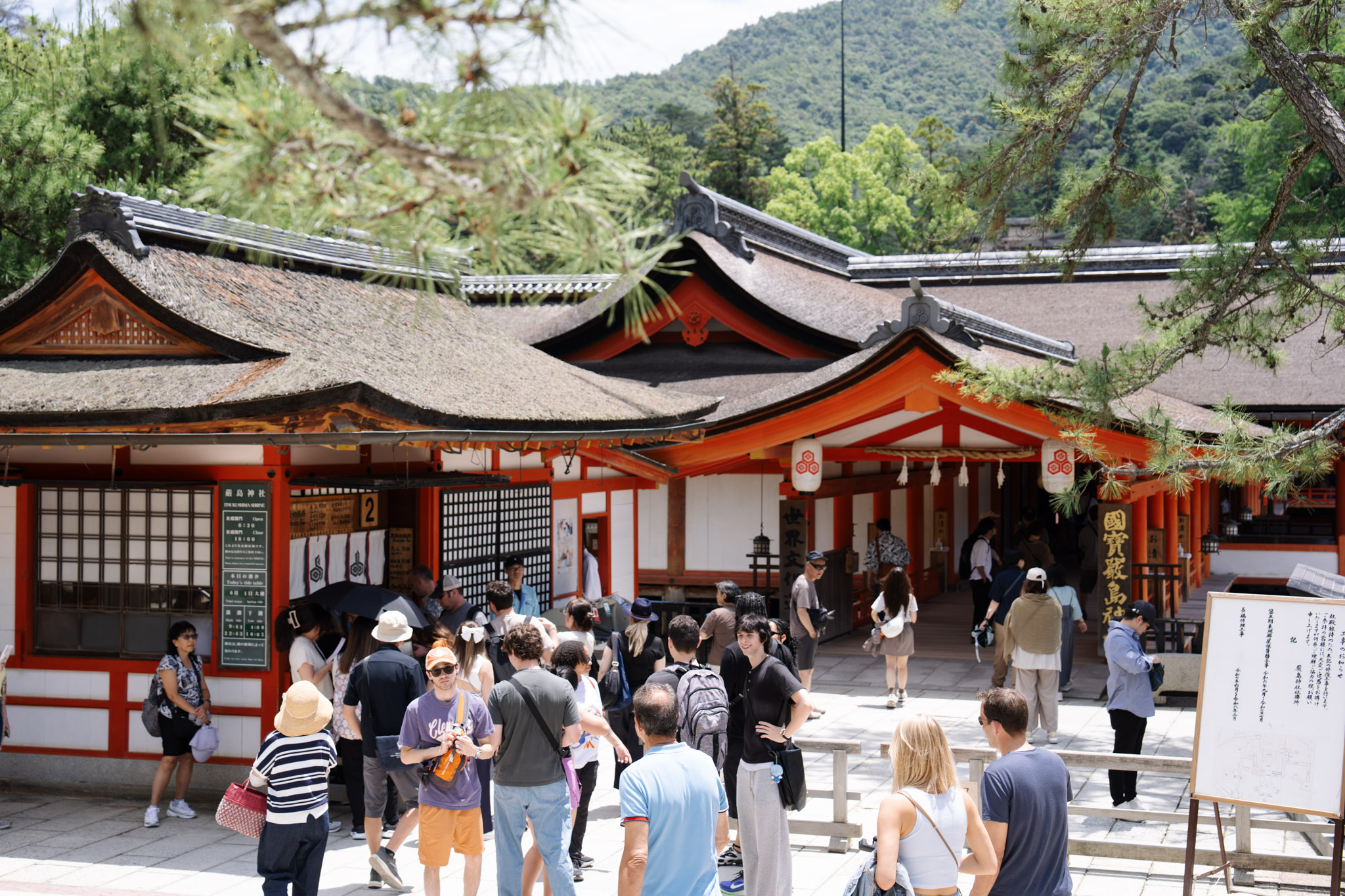
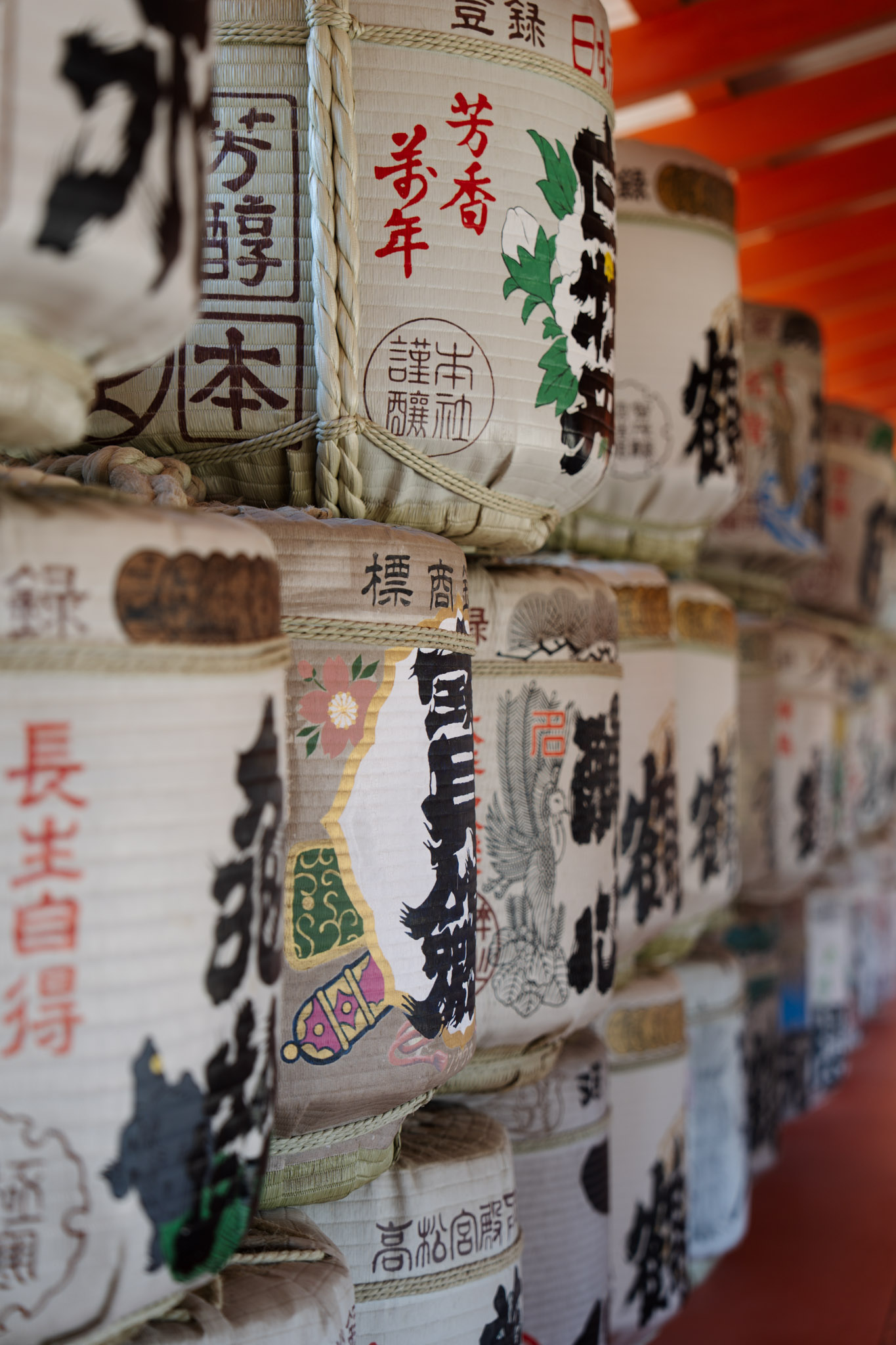
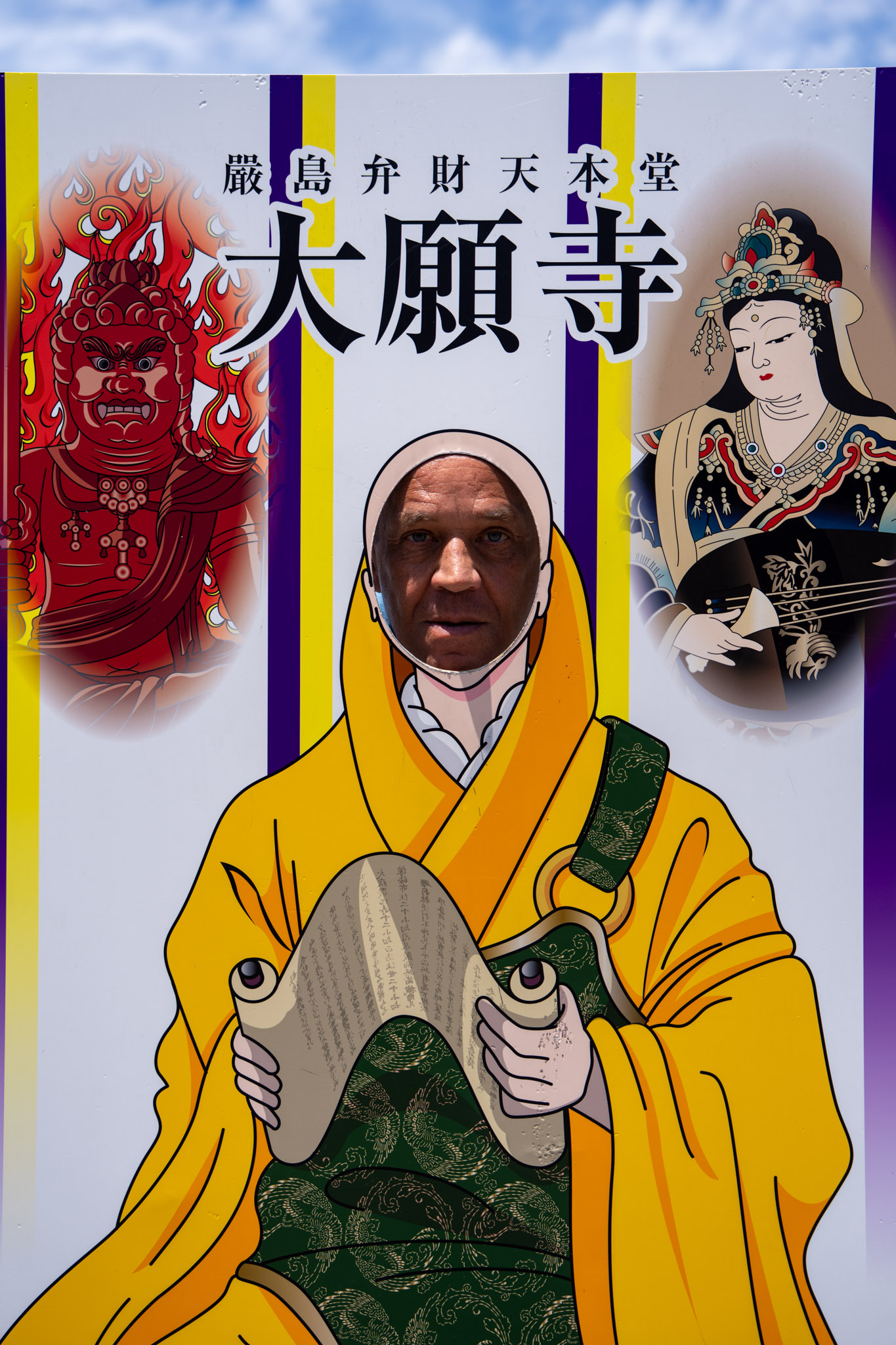
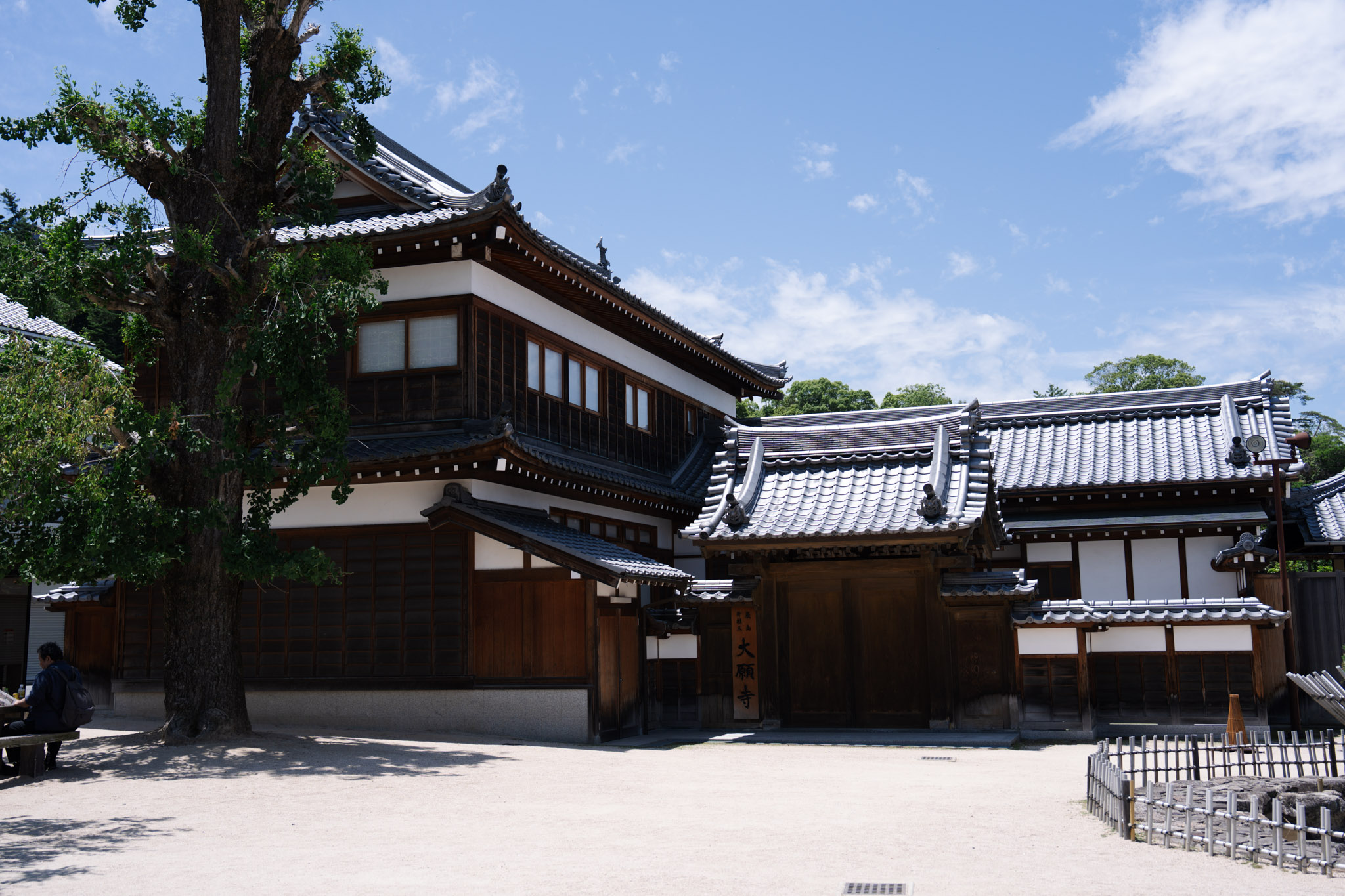
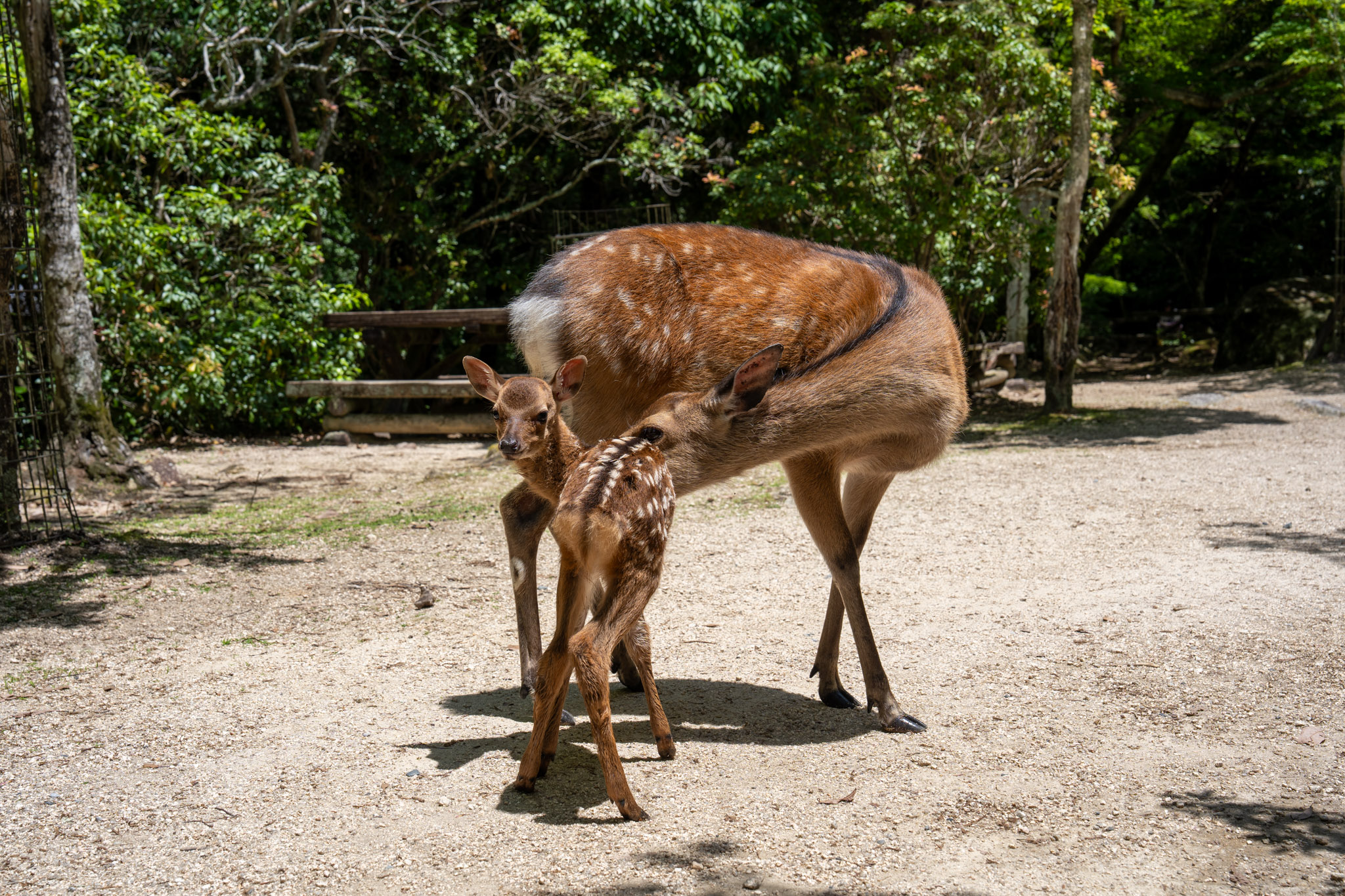
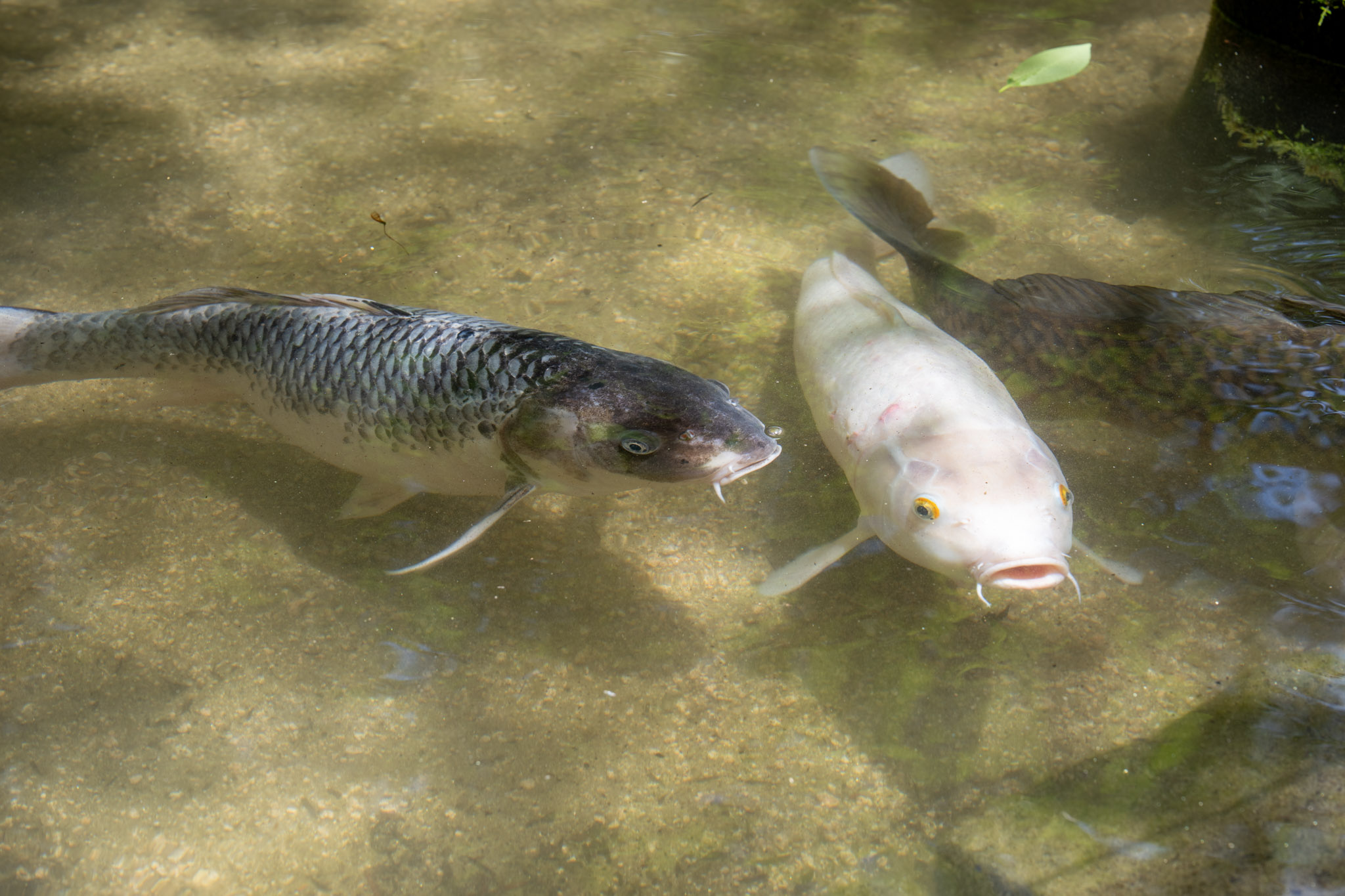
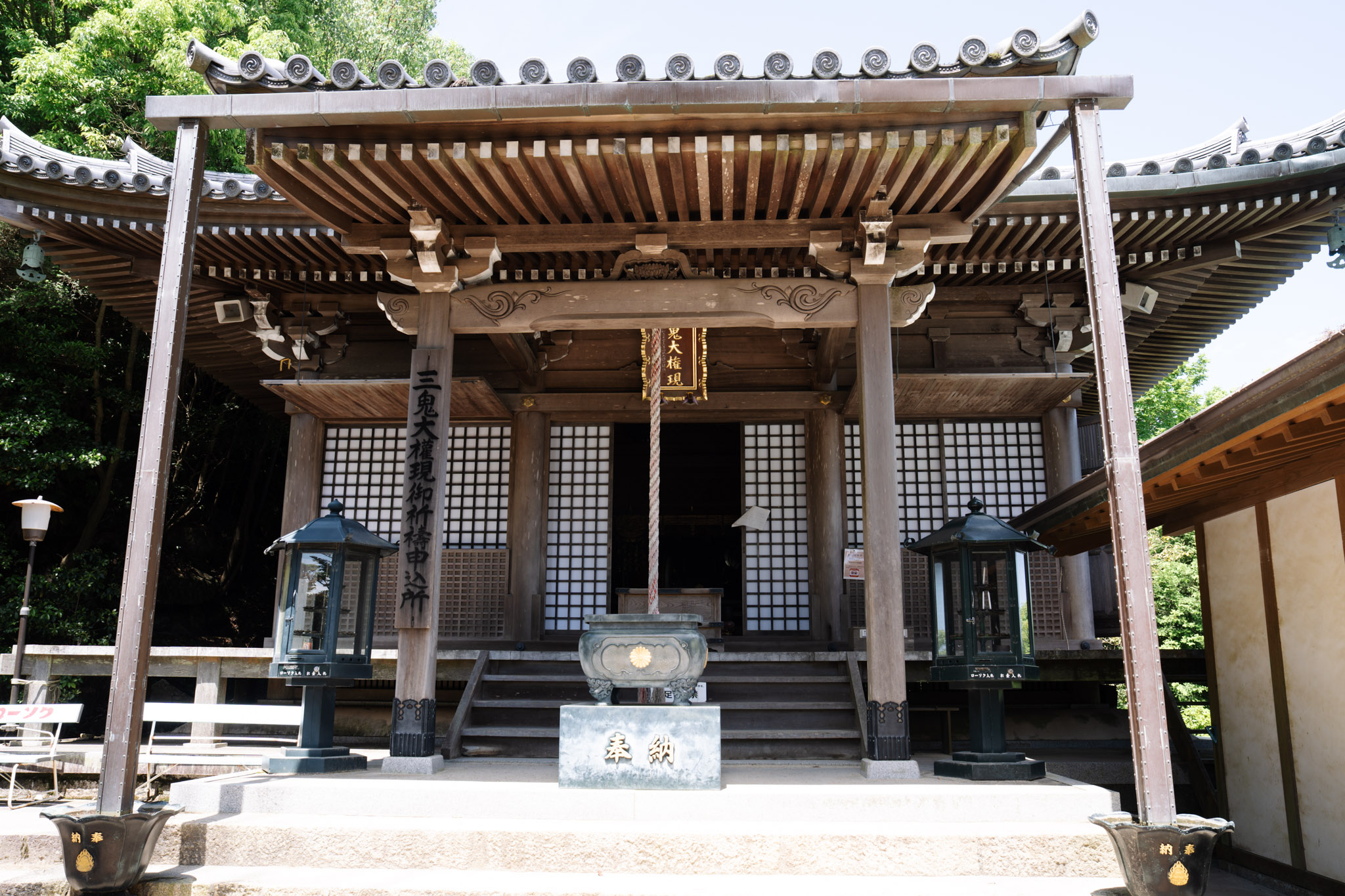
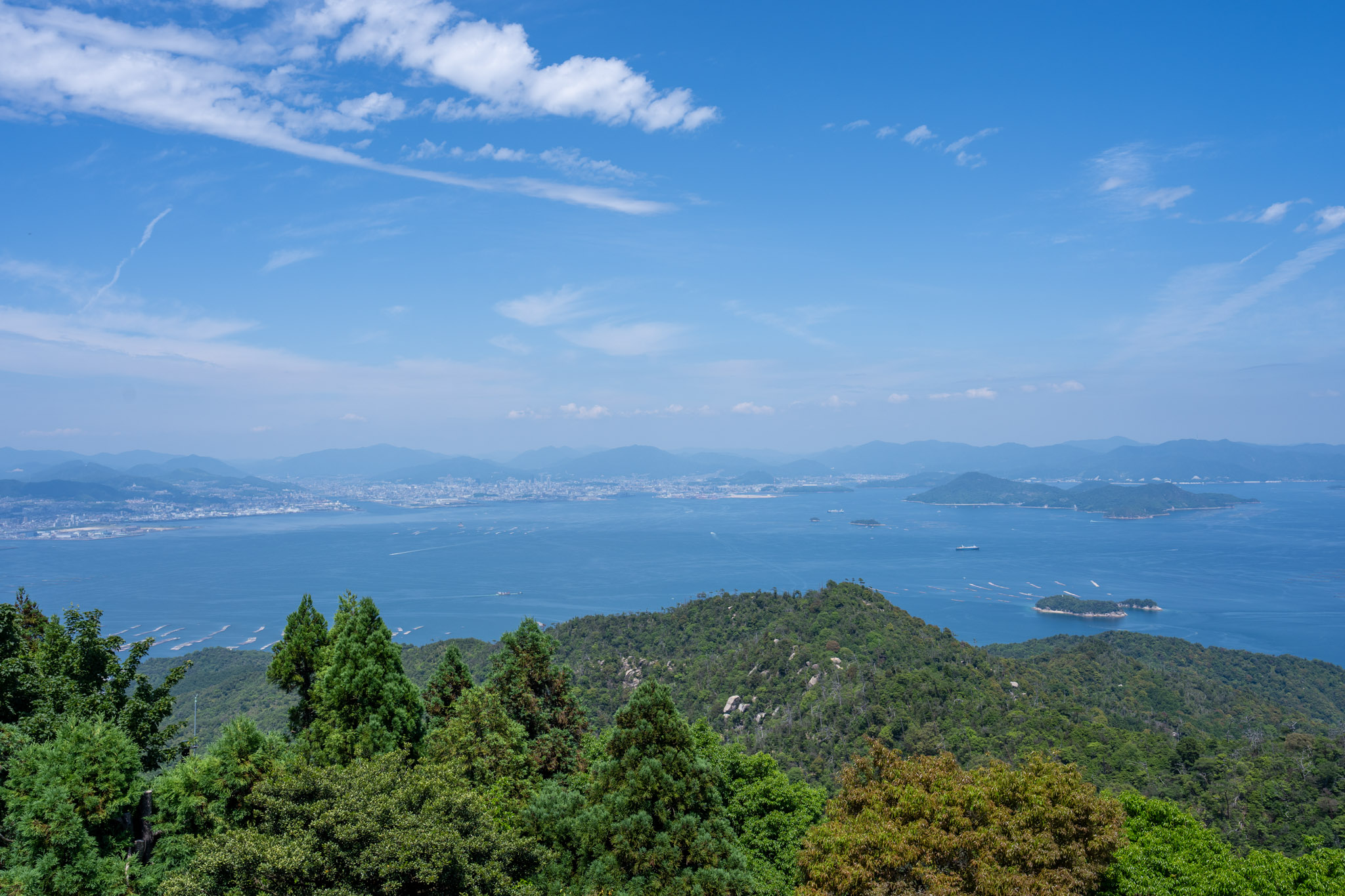
We started at the shrine and had a proper look around. Itsukushima Shrine is built out over the tidal zone on stilts, so depending on the water it either floats or stands in the mud, and the great red torii sits out beyond it. From there we took the cable car, the Miyajima Ropeway, up Mount Misen, then hiked the rest of the way to the summit. The whole way up there were groups of American tourists, clustered at every viewpoint and turn in the trail. Coming down, we decided against the easy option and hiked the whole mountain down on foot.
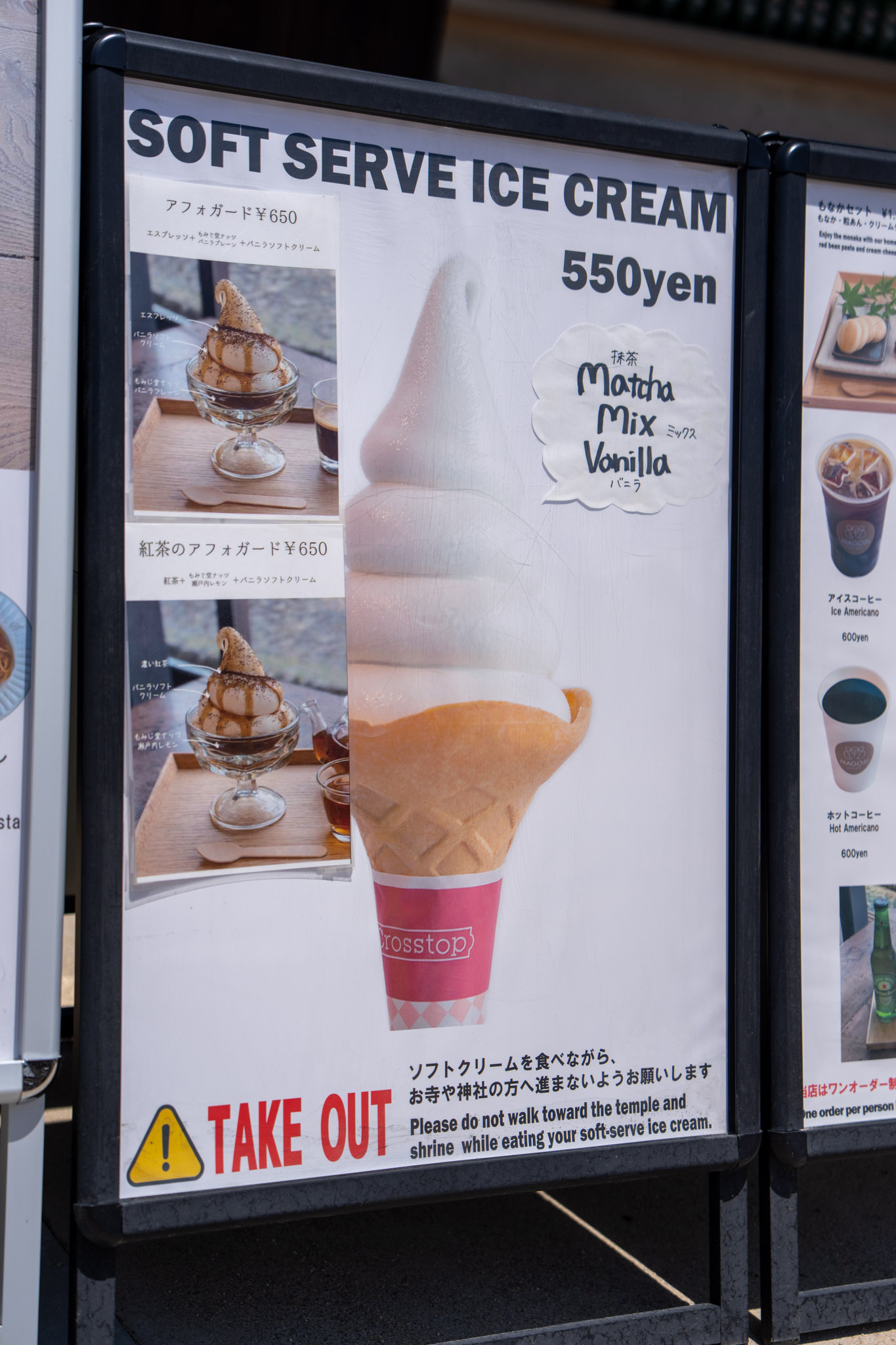
By then we’d earned lunch, which was quick, and the captain finally got his soft serve ice cream. After which we headed back to the hotel and wrapped things up with dinner there, everyone pleasantly worn out.
Hiroshima is a city and capital of Hiroshima Prefecture that lies at the head of Hiroshima Bay, an embayment of the Inland Sea. It is located in southwestern Honshu, the largest island in Japan. It was founded as a castle town in the 16th century and lies at the head of Hiroshima Bay, an embayment of the Inland Sea. On August 6, 1945, Hiroshima became the first city in the world to be struck by an atomic bomb. Hiroshima Prefecture has a population of 2,811,410 (1 June 2019) and has a geographic area of 8,479 km². Hiroshima is the capital and largest city of Hiroshima Prefecture, and the largest city in the Chūgoku region. Encyclopedia BritannicaWikipedia
Hiroshima was established on the delta coastline of the Seto Inland Sea in 1589 by powerful warlord Mōri Terumoto. Hiroshima Castle was quickly built, and in 1593 Mōri moved in. The name Hiroshima means wide island in Japanese. Terumoto was on the losing side at the Battle of Sekigahara. The winner of the battle, Tokugawa Ieyasu, deprived Mōri Terumoto of most of his fiefs, including Hiroshima. After the Han was abolished in 1871, the city became the capital of Hiroshima Prefecture. Hiroshima became a major urban center during the imperial period, as the Japanese economy shifted from primarily rural to urban industries. Ujina Harbor was constructed through the efforts of Hiroshima Governor Sadaaki Senda in the 1880s, allowing Hiroshima to become an important port city. The San’yō Railway was extended to Hiroshima in 1894, and a rail line from the main station to the harbor was constructed for military transportation during the First Sino-Japanese War. WikipediaWikipedia
Hiroshima was the first military target of a nuclear weapon in history. This occurred on August 6, 1945, in the Pacific theatre of World War II, at 8:15 a.m., when the United States Army Air Forces dropped the atomic bomb “Little Boy” on the city. Most of Hiroshima was destroyed, and by the end of the year between 90,000 and 166,000 had died as a result of the blast and its effects. The Hiroshima Peace Memorial (a UNESCO World Heritage Site) serves as a memorial of the bombing. In 1949, a design was selected for the Hiroshima Peace Memorial Park. Hiroshima Prefectural Industrial Promotion Hall, the closest surviving building to the location of the bomb’s detonation, was designated the Genbaku Dome or “Atomic Dome”, a part of the Hiroshima Peace Memorial Park. The Hiroshima Peace Memorial Museum was opened in 1955 in the Peace Park. Hiroshima was proclaimed a City of Peace by the Japanese parliament in 1949, at the initiative of its mayor, Shinzo Hamai. As a result, the city of Hiroshima received more international attention as a desirable location for holding international conferences on peace. WikipediaWikipedia
Reference: Wikipedia.org under https://en.wikipedia.org/wiki/Hiroshima
Japan is an island country in East Asia, located in the Pacific Ocean off the eastern coast of the Asian continent. It lies east of China, the Korean Peninsula, and Russia, and consists of an archipelago of more than 6,000 islands. The four main islands—Honshu, Hokkaido, Kyushu, and Shikoku—account for most of the country’s land area and population, forming a long chain that stretches from north to south. The official language of Japan is Japanese, which is spoken by the vast majority of the population. The capital of Japan is Tokyo, one of the largest metropolitan areas in the world. Formerly known as Edo, the city became the imperial capital in 1868, replacing Kyōto, and today it is home to major government institutions, businesses, and many of Japan’s leading cultural and educational organizations. Encyclopedia BritannicaEncyclopedia Britannica
In 1603, after decades of civil warfare, the Tokugawa shogunate (a military-led, dynastic government) ushered in a long period of relative political stability and isolation from foreign influence. For more than two centuries, this policy enabled Japan to enjoy a flowering of its indigenous culture. Japan opened its ports after signing the Treaty of Kanagawa with the US in 1854 and began to intensively modernize and industrialize. During the late 19th and early 20th centuries, Japan became a regional power that was able to defeat the forces of both China and Russia. It occupied Korea, Formosa (Taiwan), and southern Sakhalin Island. In 1931-32, Japan occupied Manchuria, and in 1937, it launched a full-scale invasion of China. Japan attacked US forces at Pearl Harbor, Hawaii, in 1941, triggering America’s entry into World War II, and Japan soon occupied much of East and Southeast Asia. After its defeat in World War II, the country recovered to become an economic power and a US ally. OpenFactBook
The prime minister leads the government and is supported by the Diet, Japan’s legislature, which consists of the House of Representatives, the lower house, and the House of Councillors, the upper house. The main religious traditions in Japan are Shintō and Buddhism, both of which play important roles in cultural and spiritual life. Shintō is rooted in indigenous beliefs and emphasizes rituals connected to nature and ancestors, while Buddhism was introduced from the Asian mainland. Japan is one of the world’s fastest aging countries and has the highest proportion of elderly citizens of any country, comprising one-third of its total population; this is the result of a post–World War II baby boom, which was followed by an increase in life expectancy and a decrease in birth rates. Japan has a total fertility rate of 1.2, which is below the replacement rate of 2.1, and is among the world’s lowest. Japan also has one of the oldest populations globally, with a high proportion of elderly citizens, a trend that is reshaping the country’s workforce and social structure. Encyclopedia Britannica + 2
Reference: Wikipedia.org under https://en.wikipedia.org/wiki/Japan