
Day Thirteen: Sanya to Okinawa
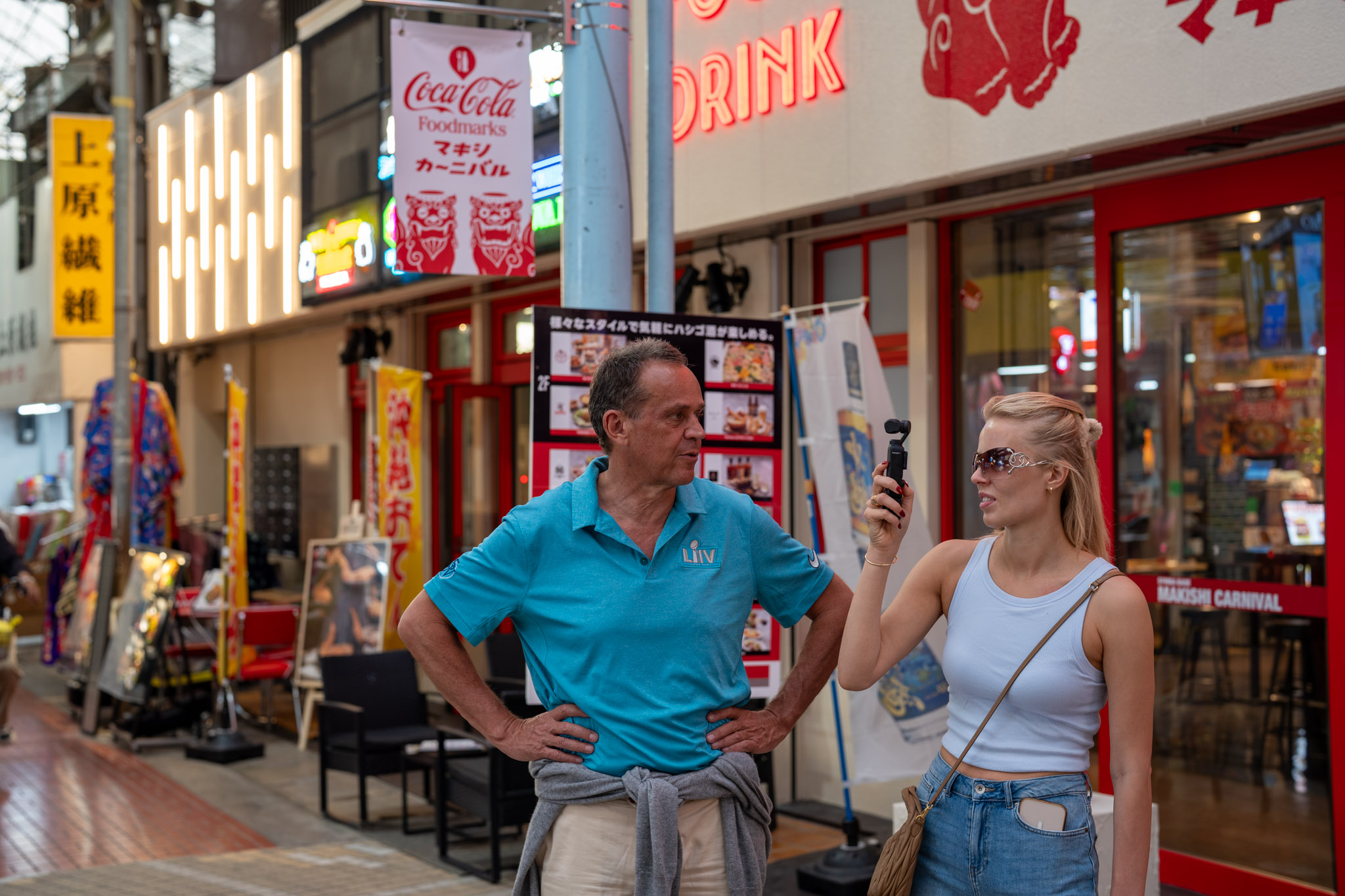
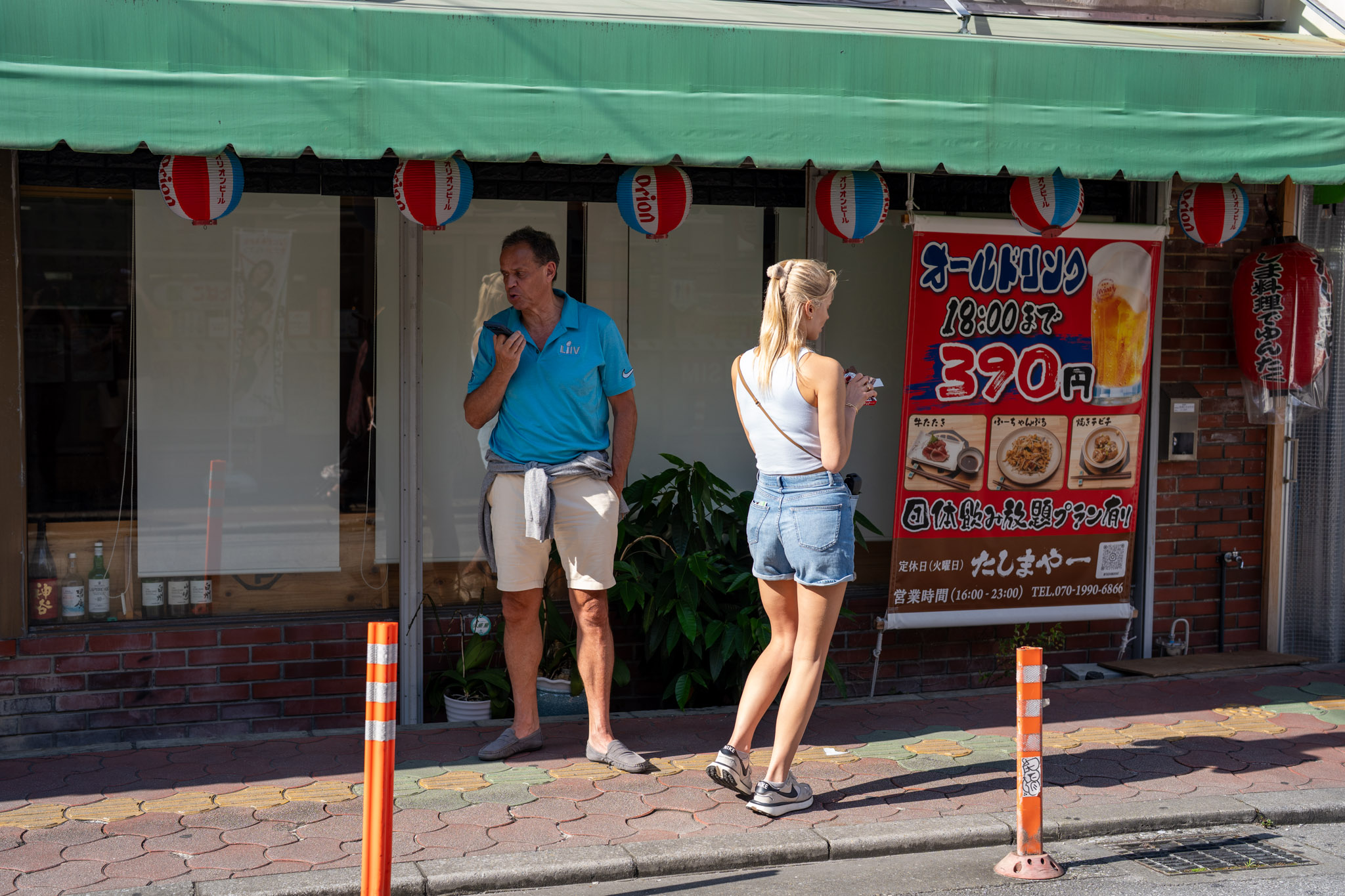
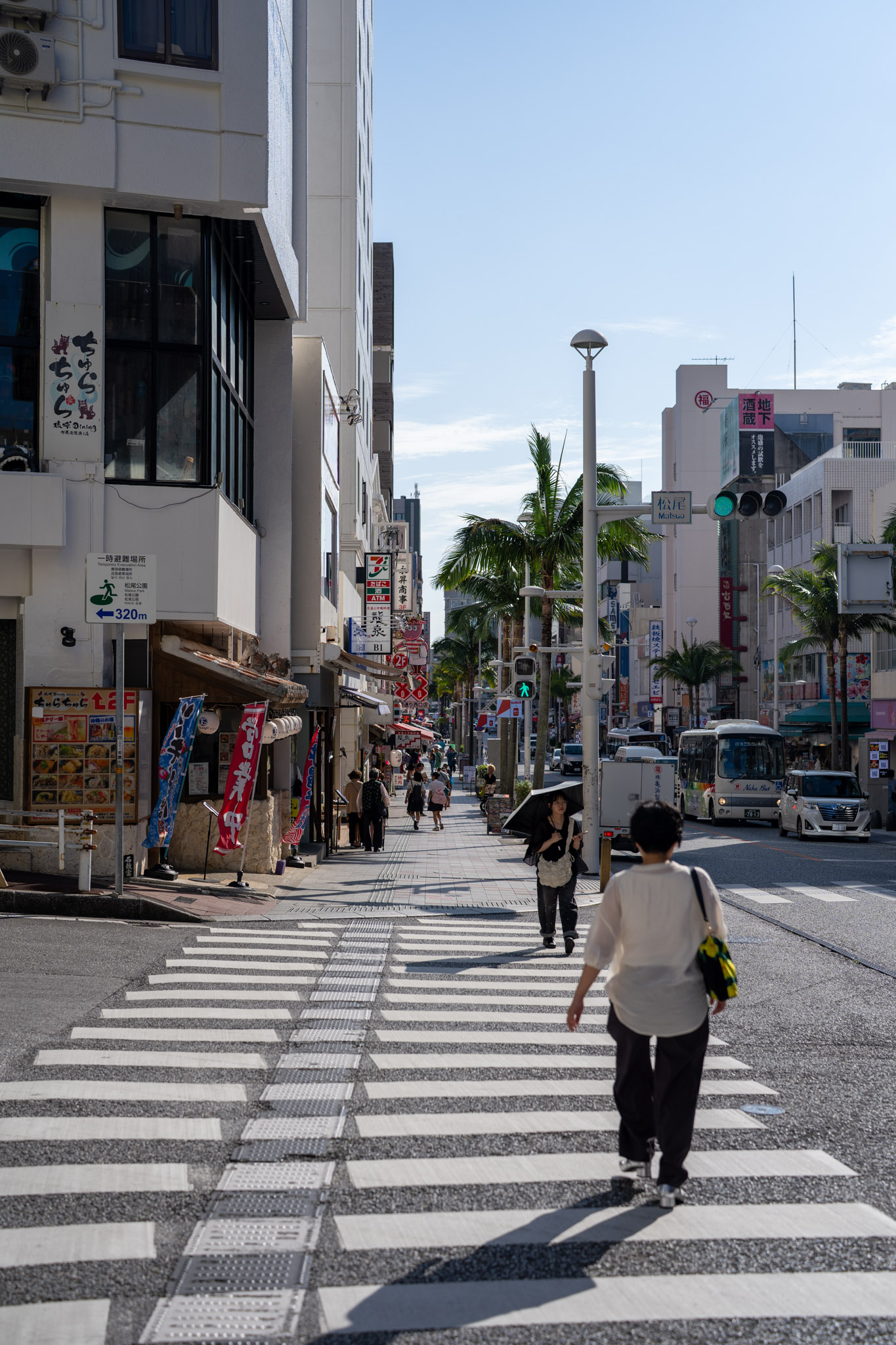
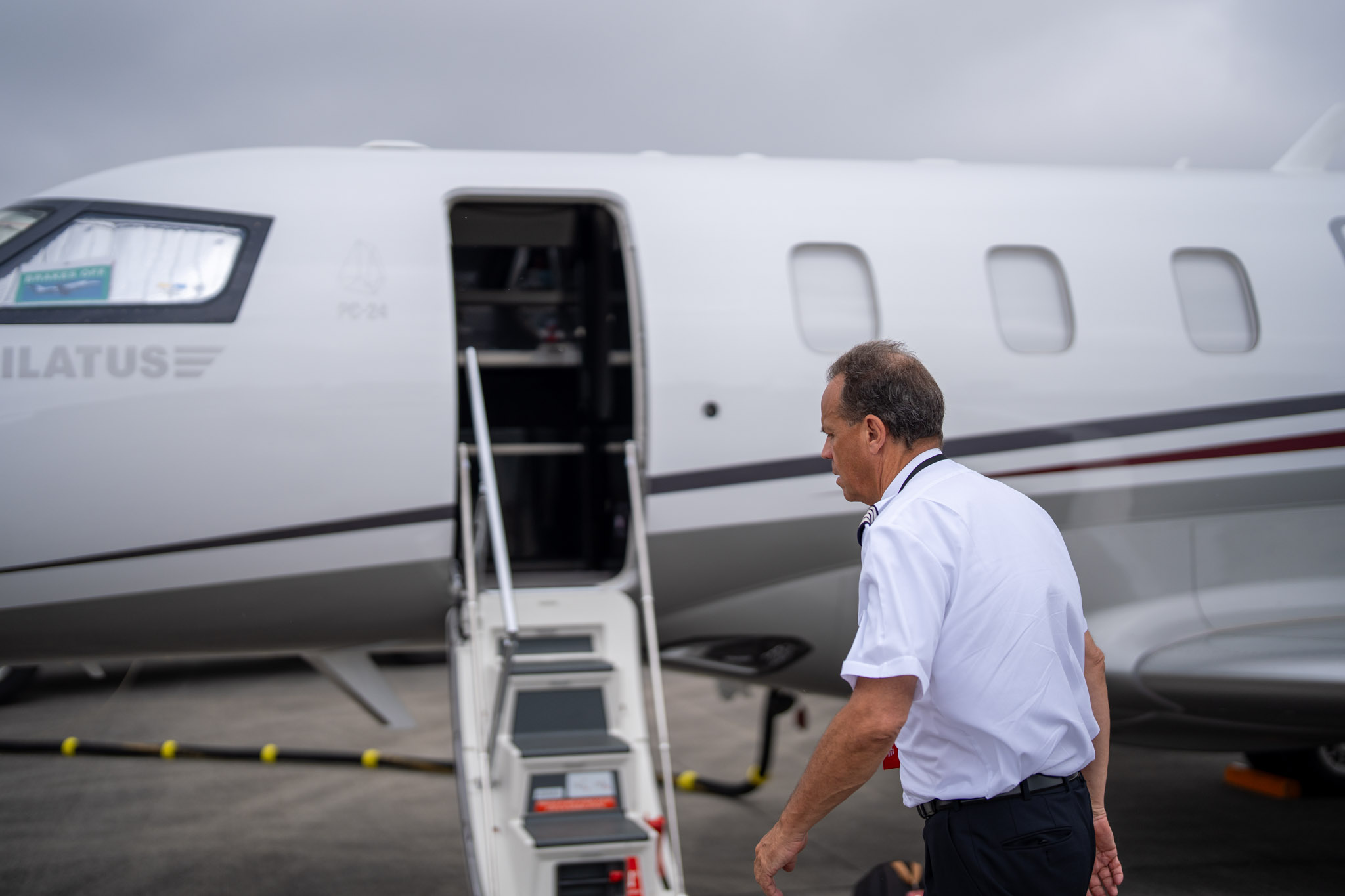
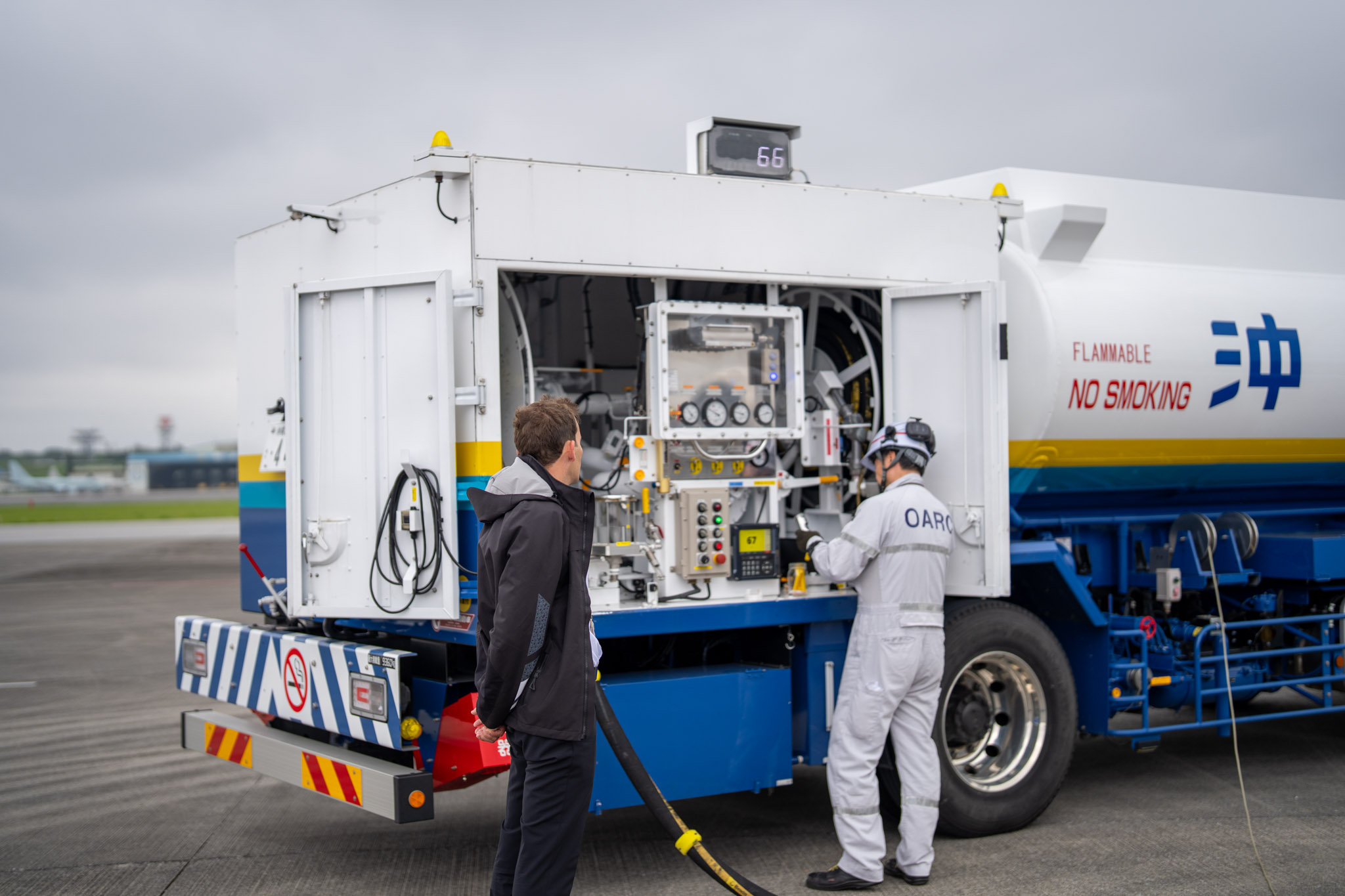
We flew over from Sanya to Okinawa. After landing, we had a lengthier customs procedure than in the other countries, because we were switching from an international flight to a domestic one. Once we were through, we headed straight into the city and walked down to the main shopping street, Kokusai-dori, where the first thing we did was go for lunch at a little izakaya. It was a good way to start the trip.
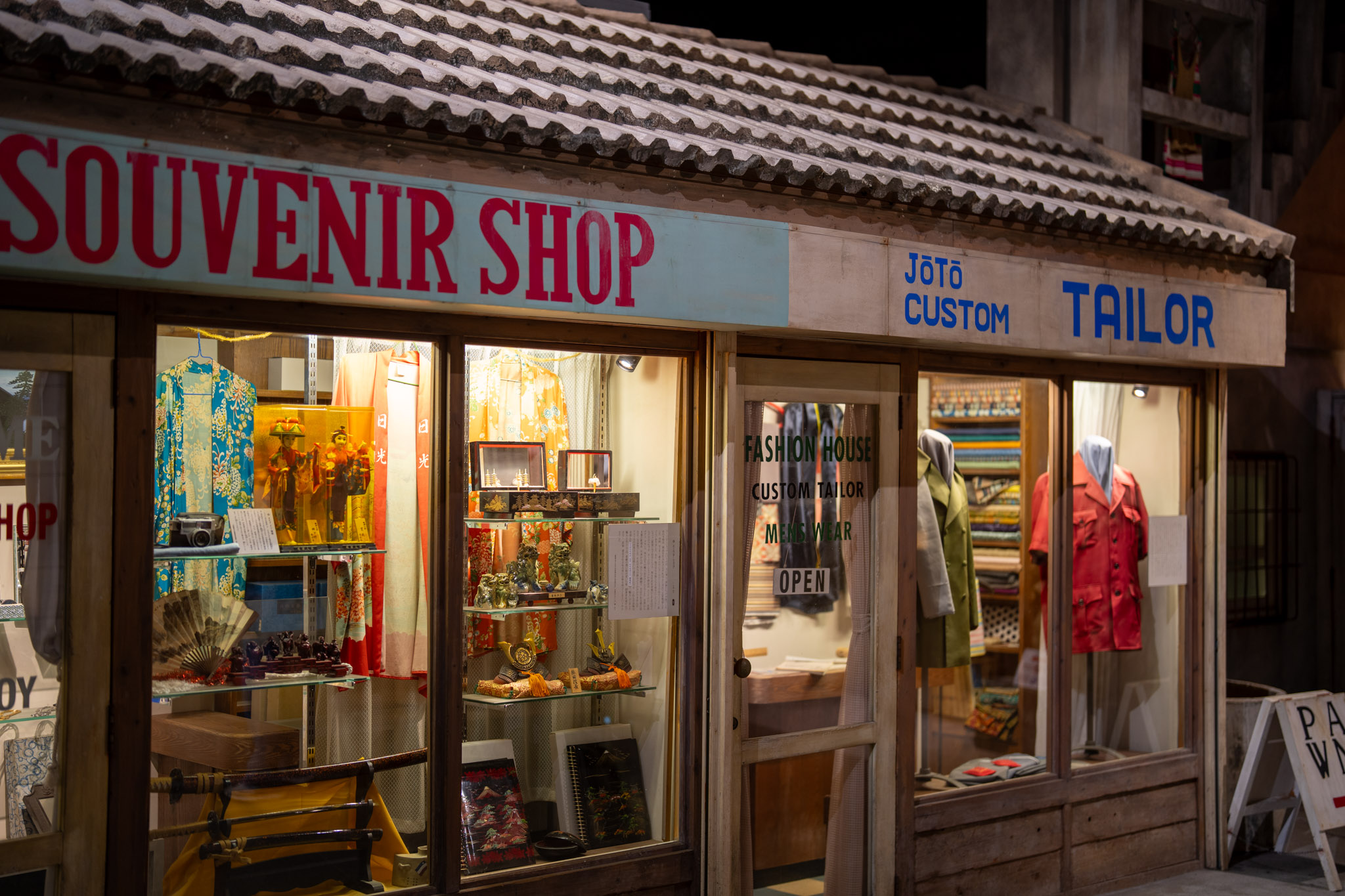
Kokusai-dori is lined with souvenir shops and awamori stalls and shisa lions everywhere you look, so we spent a while just wandering through it.
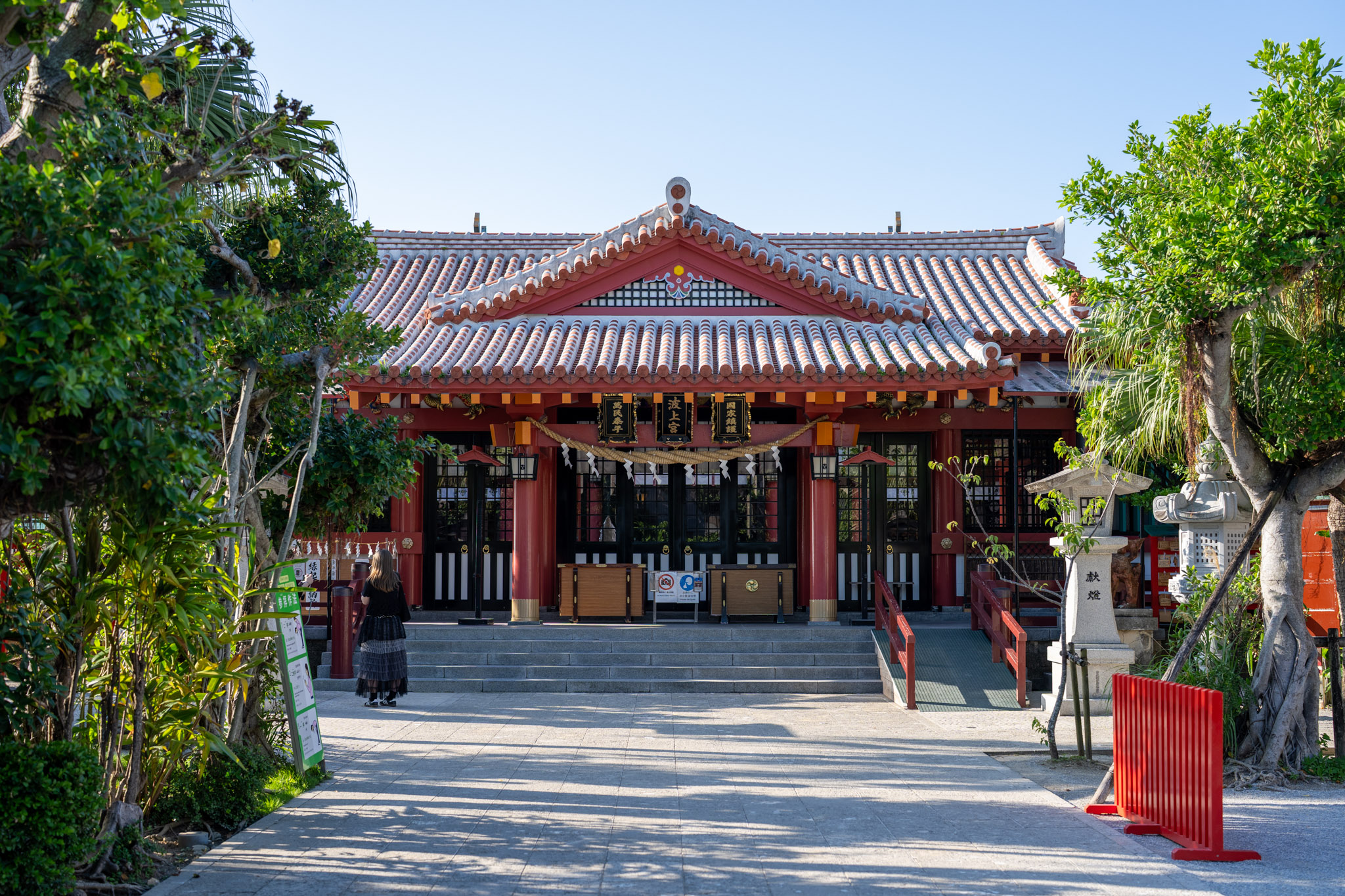
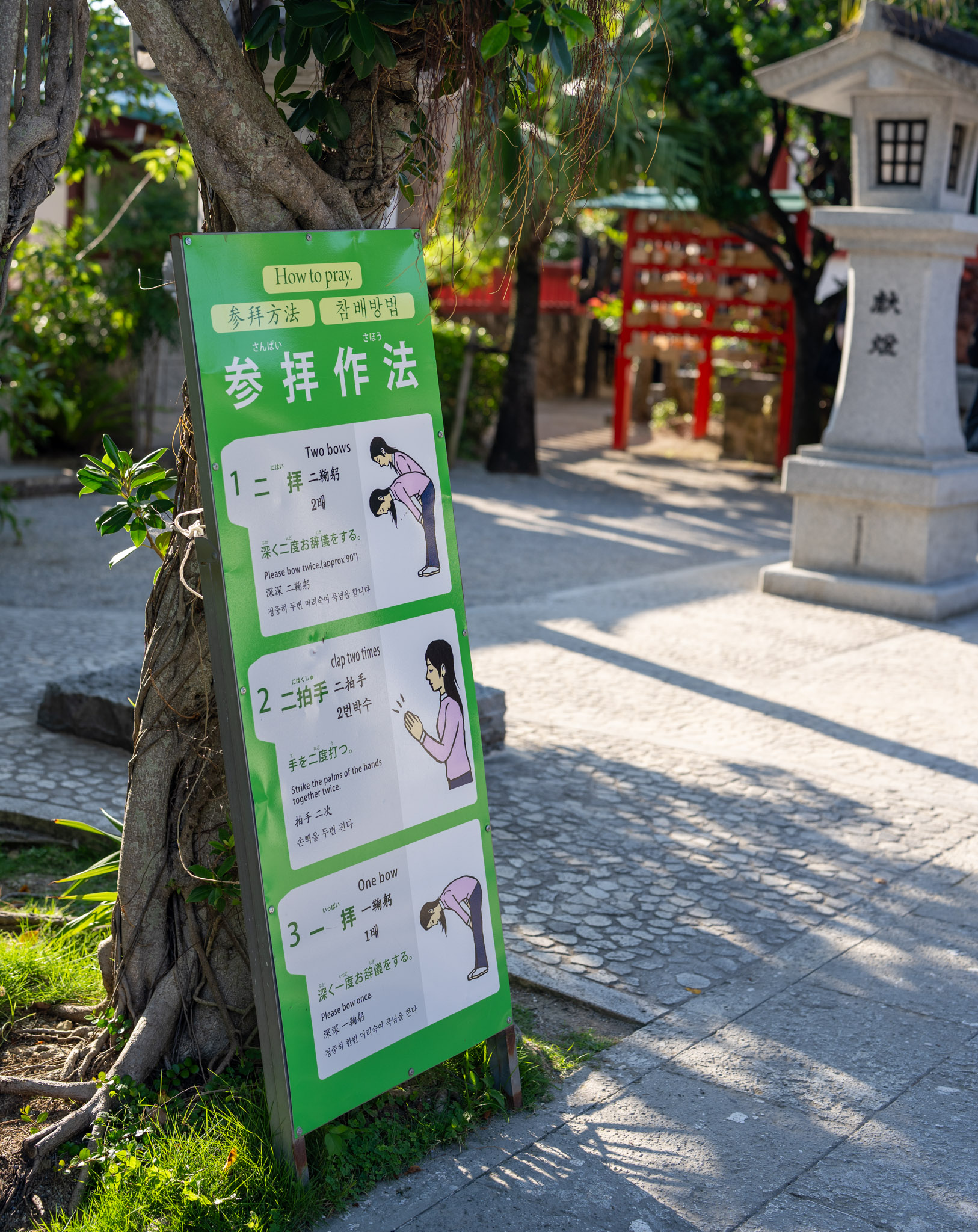
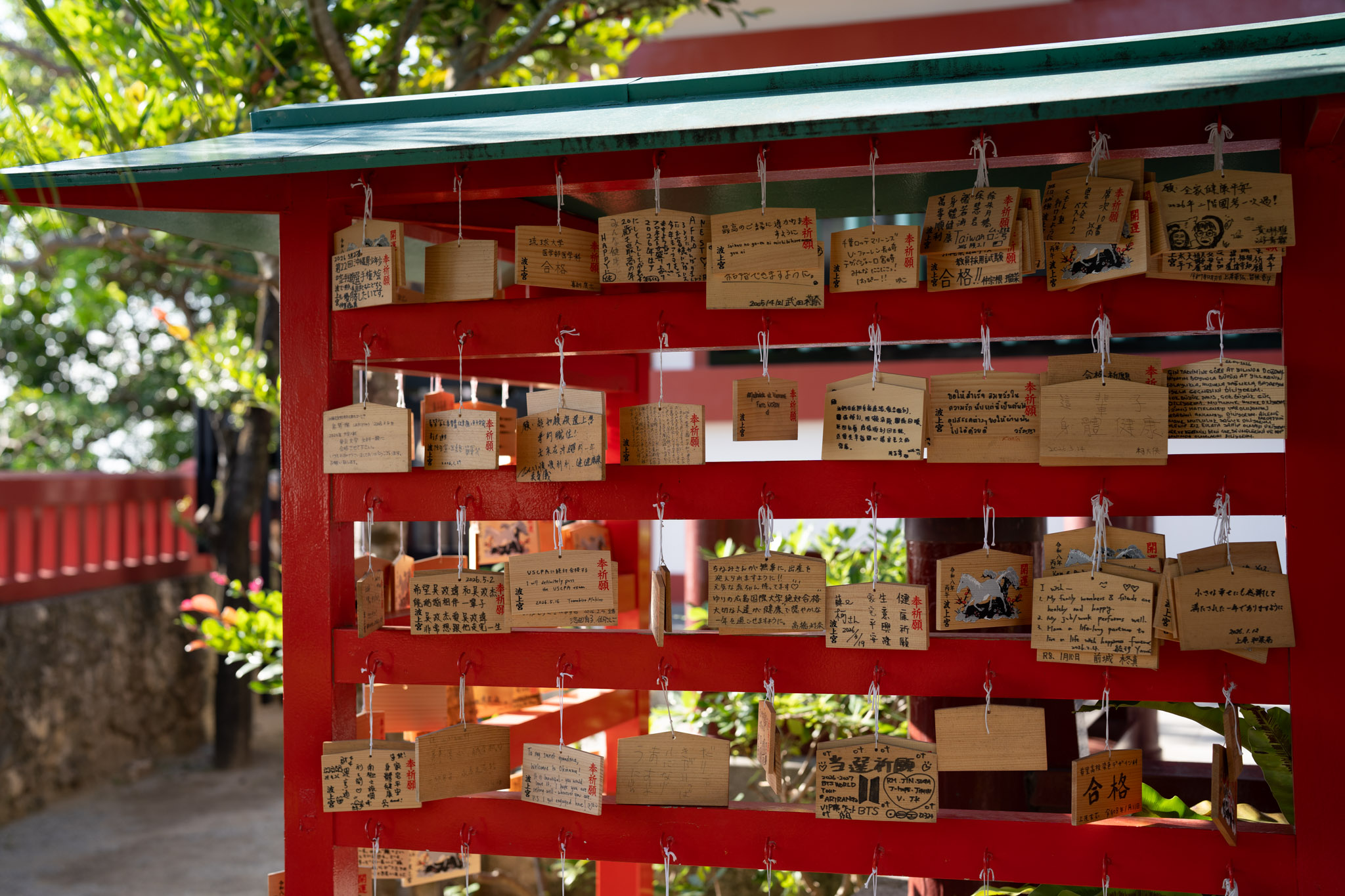
From there we made our way over to Naminoue Shrine, which sits on a cliff right above the sea. It’s the most important shrine on the island, and gave us a little taste of all the shrines we’ll probably see during our seven days in Japan. We finished the day at a teppanyaki restaurant eating wagyu, which was genuinely excellent.
Day Fourteen: Okinawa
The next day we gave over entirely to the war.
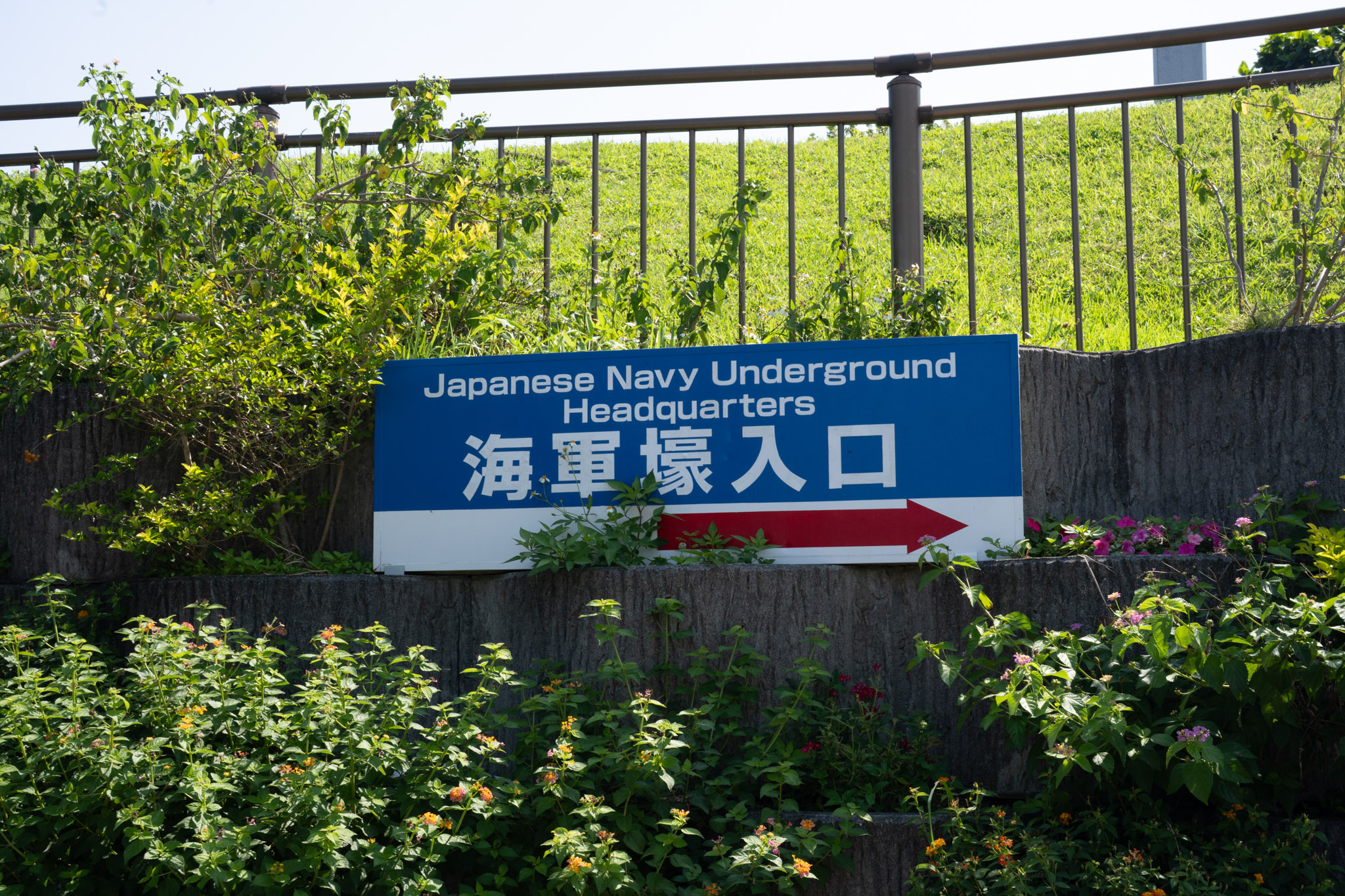
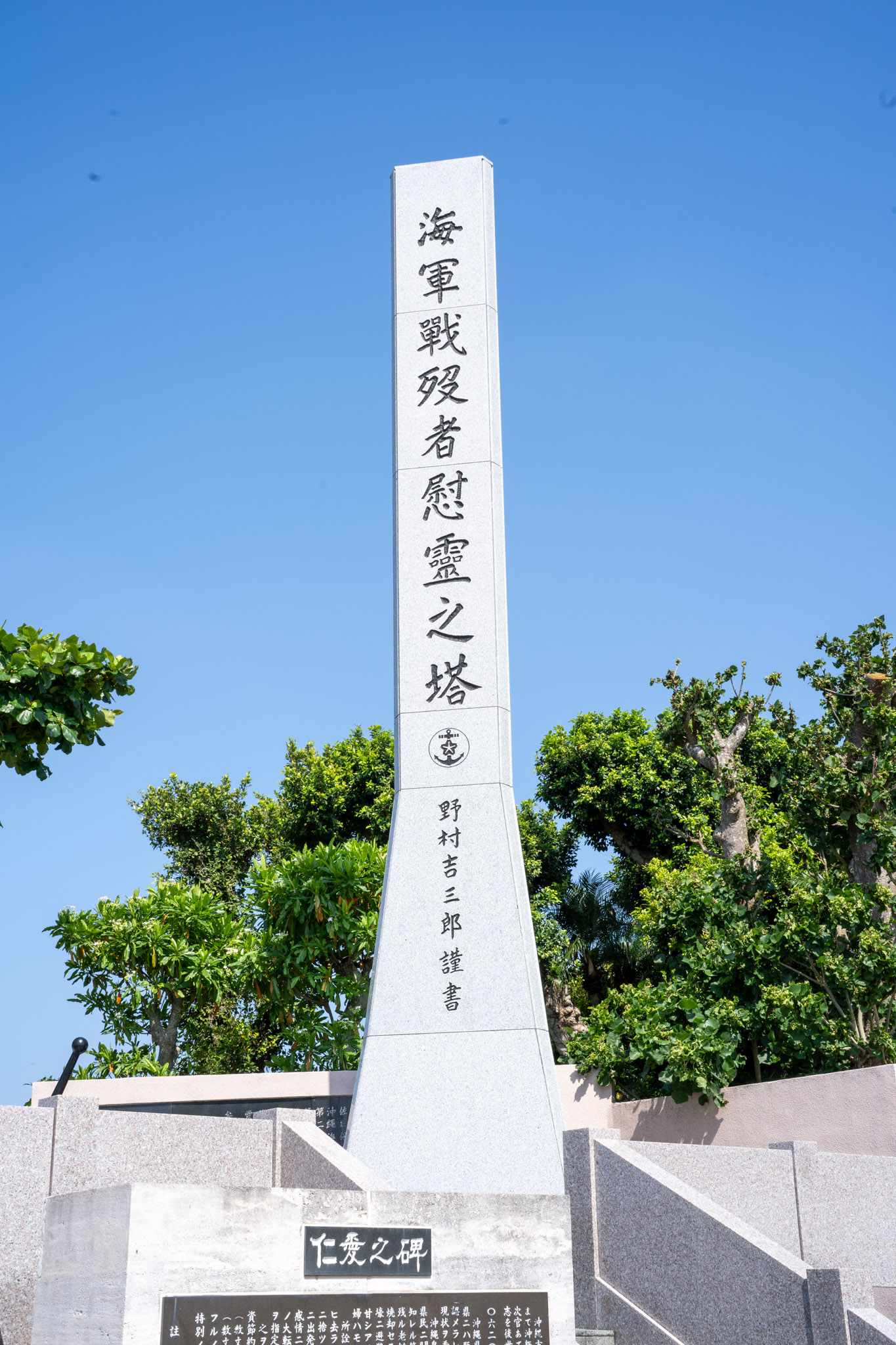
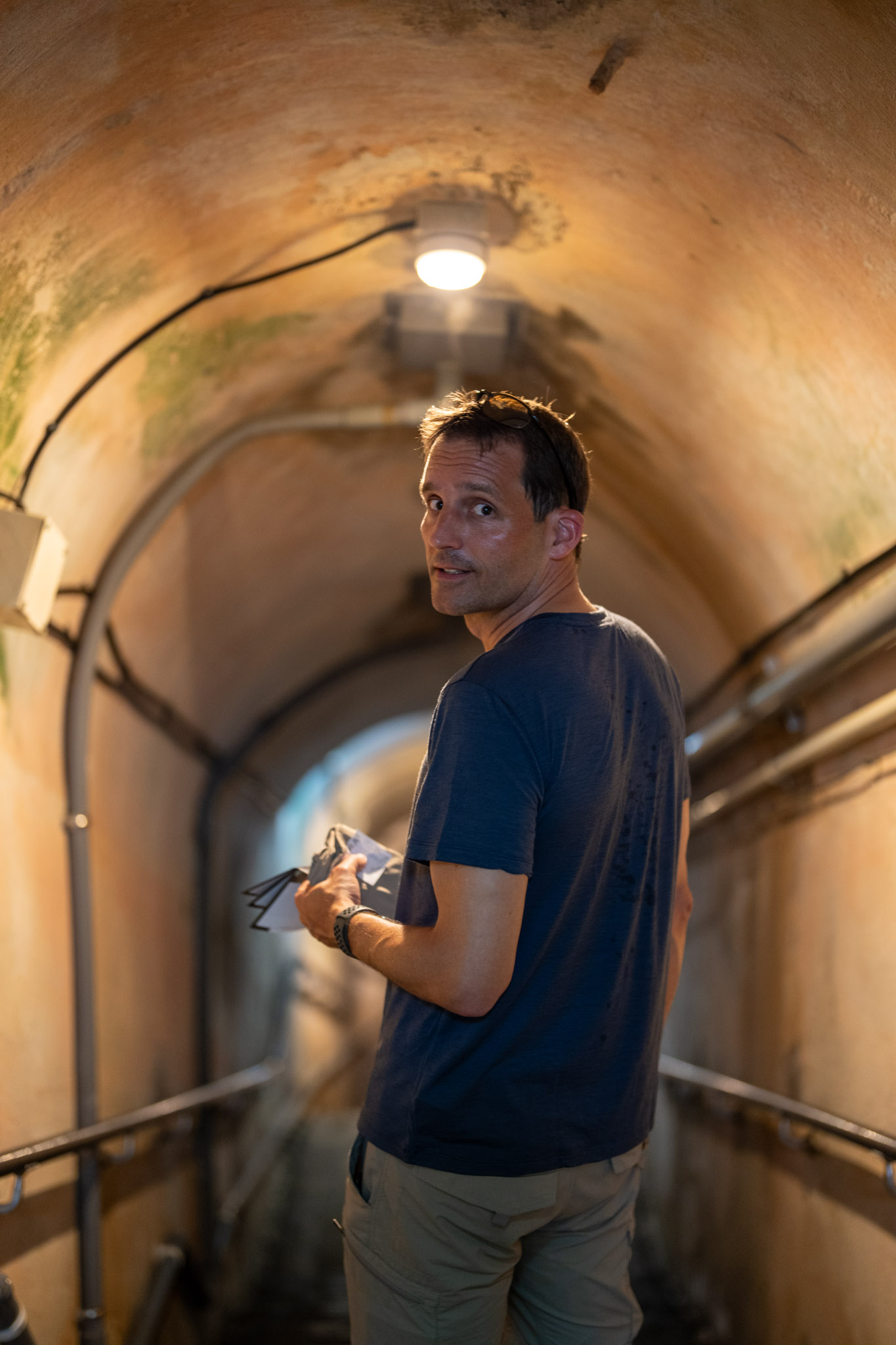
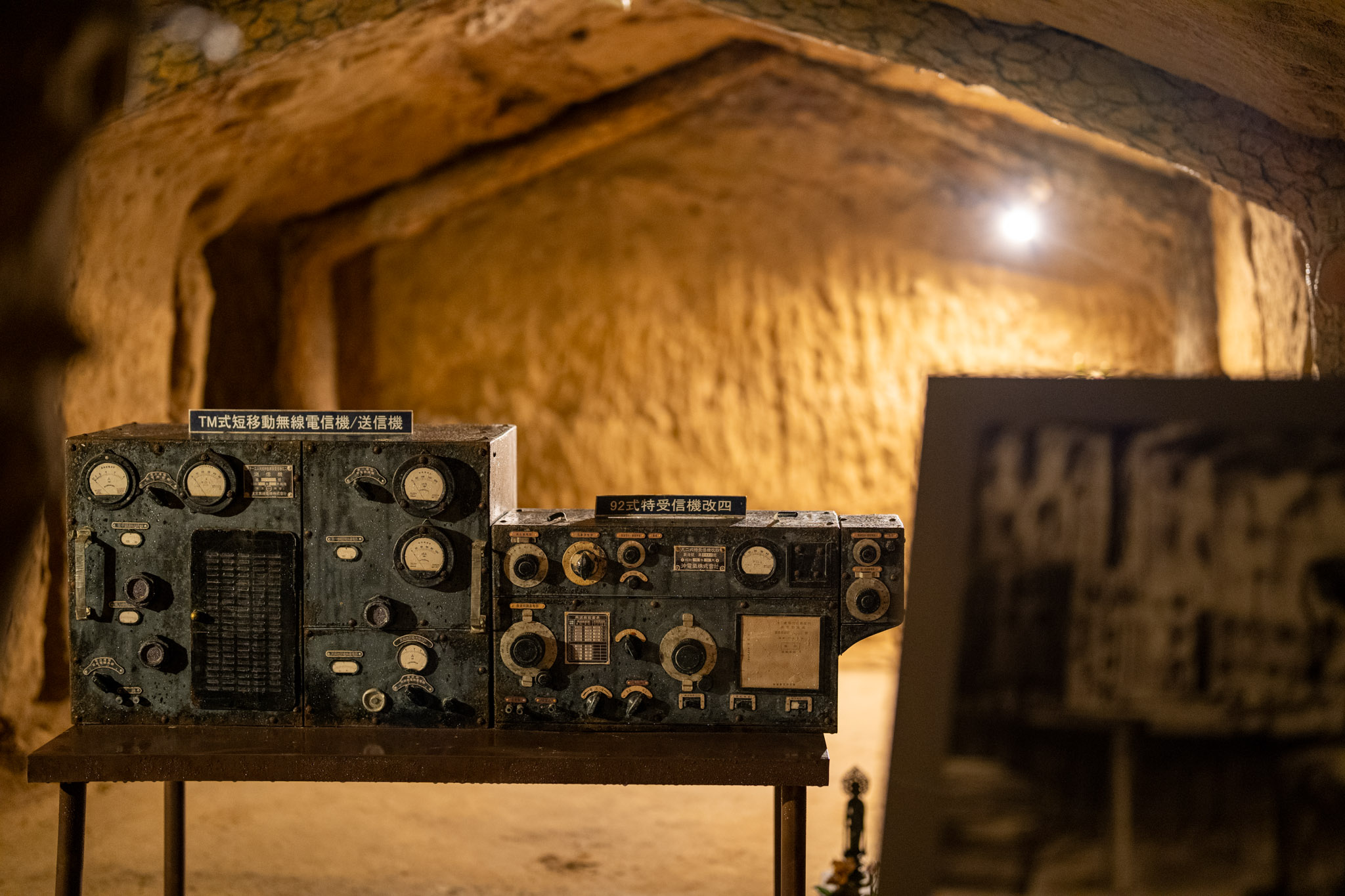
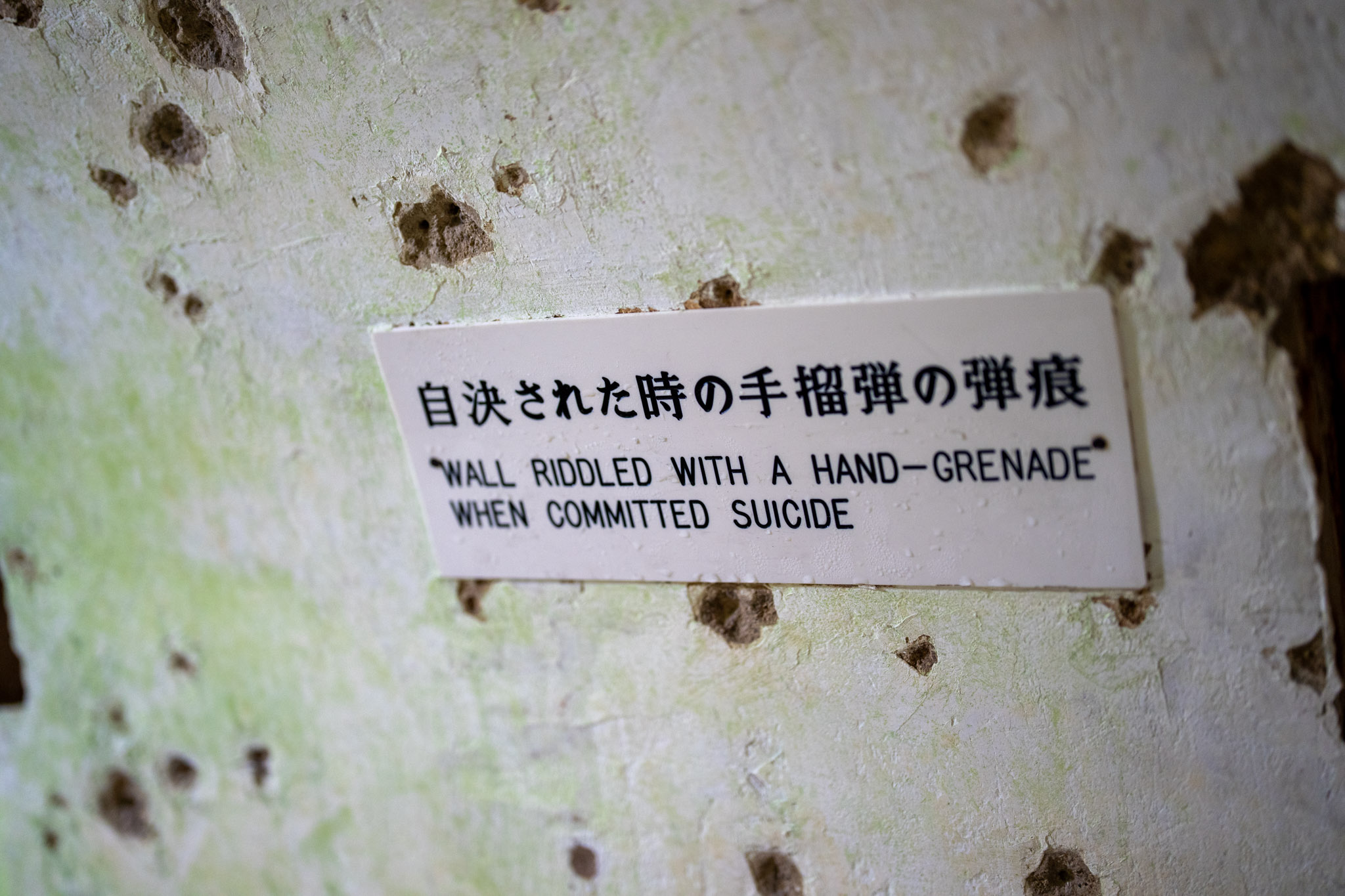
We started out at the old Japanese Navy Underground Headquarters, which is a network of tunnels that the navy dug by hand into the hillside, and it’s where they made their last stand in 1945. You walk down into it through narrow concrete passages. In the tunnels, you can still see the marks the grenades left on the walls in the rooms where the officers took their own lives at the end rather than surrender.
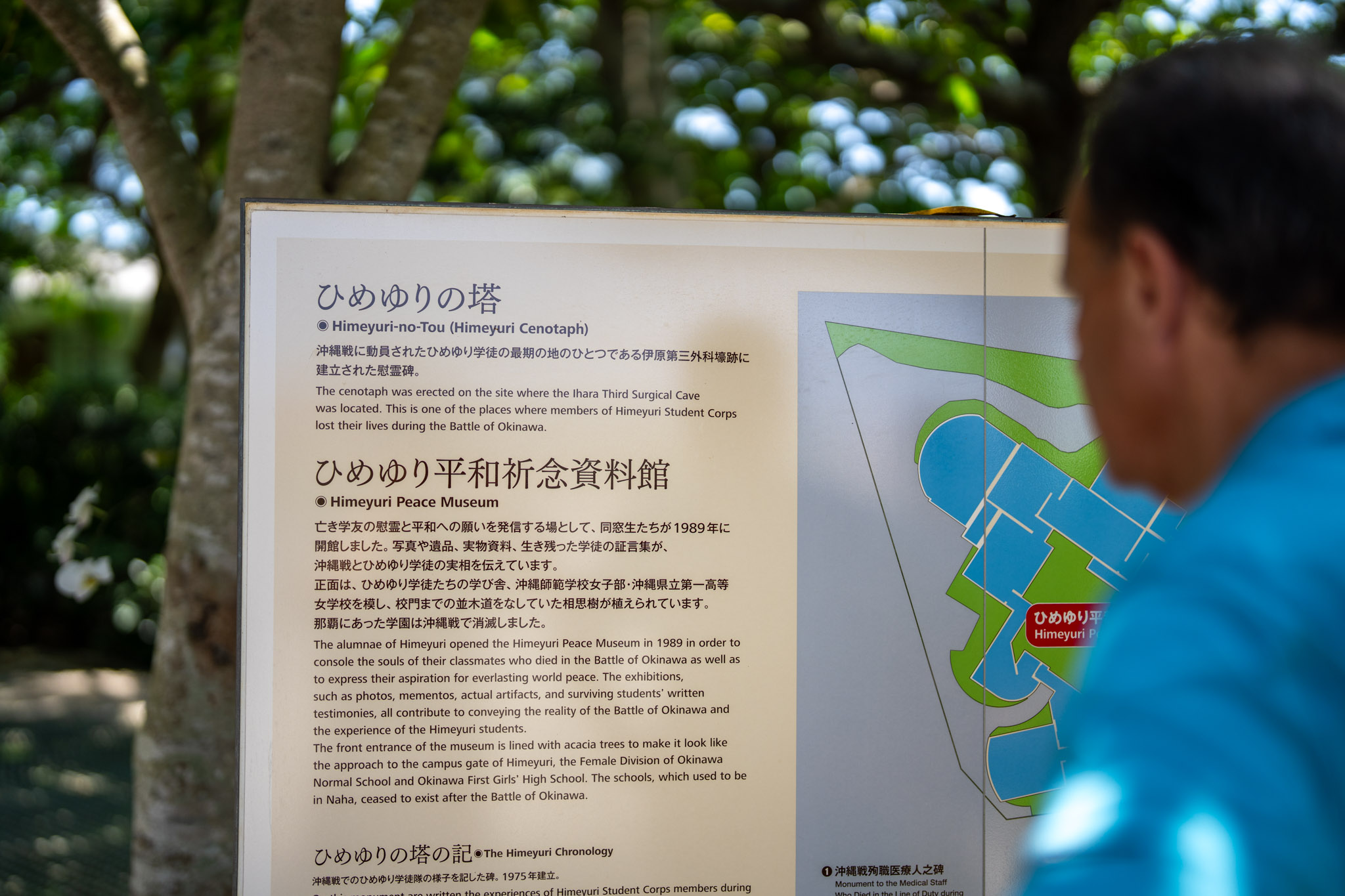
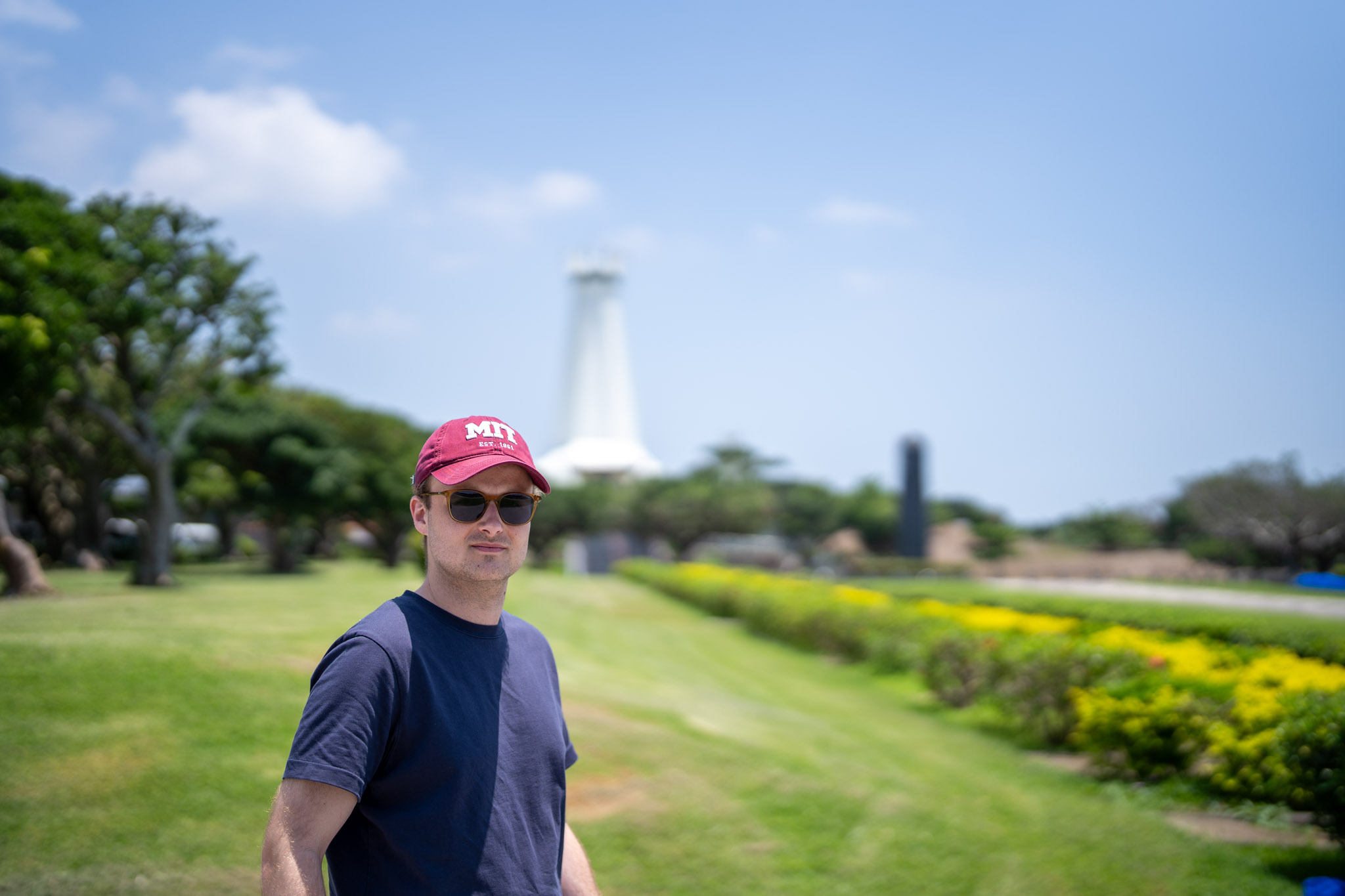
From there we went to the Himeyuri site. This is the memorial to a group of schoolgirls, students and their teachers from two local girls’ schools, who were pulled in as a nursing unit during the battle and sent to work in the field hospitals set up inside the caves. Most of them didn’t survive, a lot of them in the final days once the order came to disband and they were left to fend for themselves out in the open. The museum is built around their own testimonies and photographs, and it tells the whole thing very plainly without dressing any of it up.
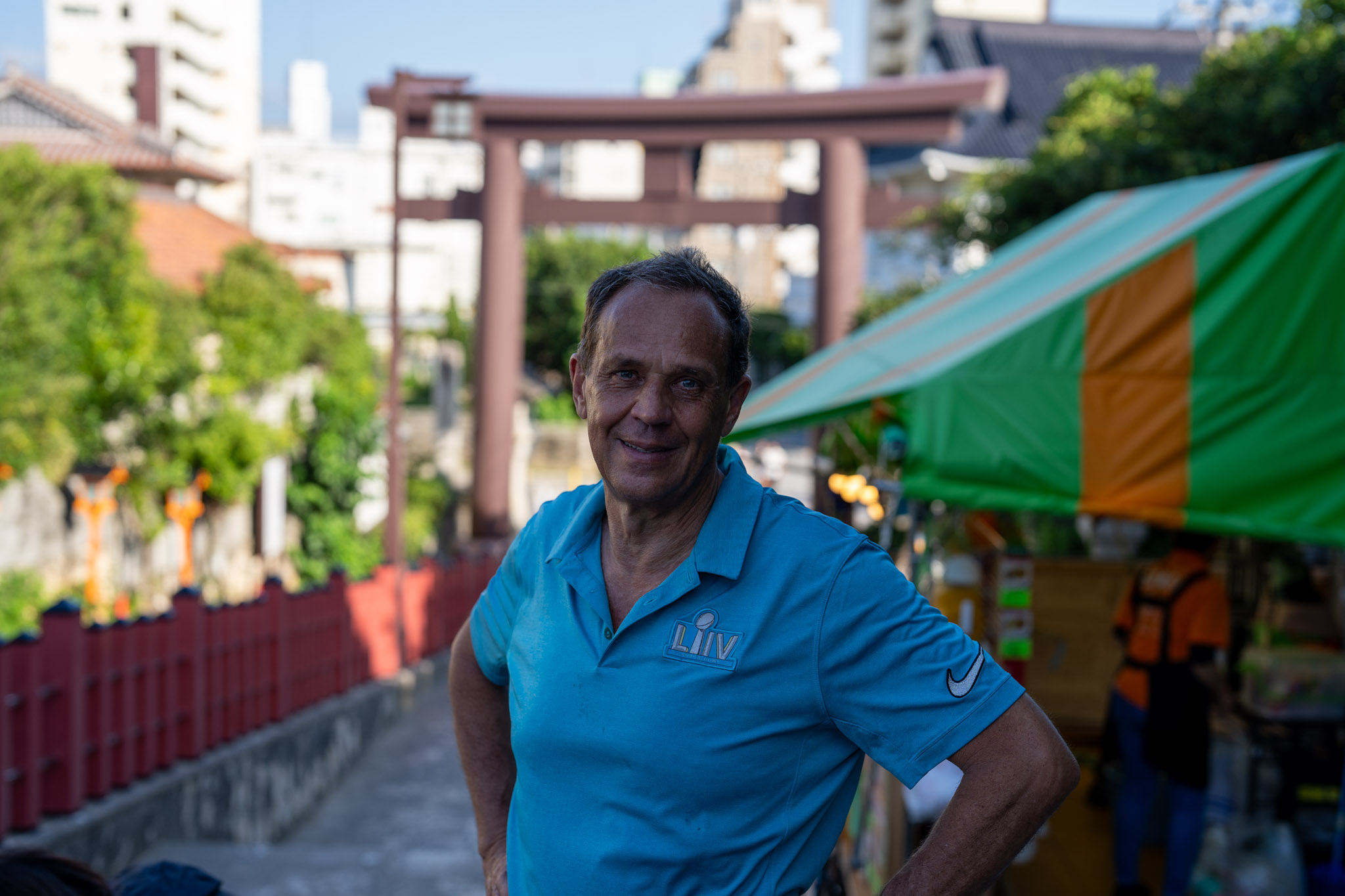
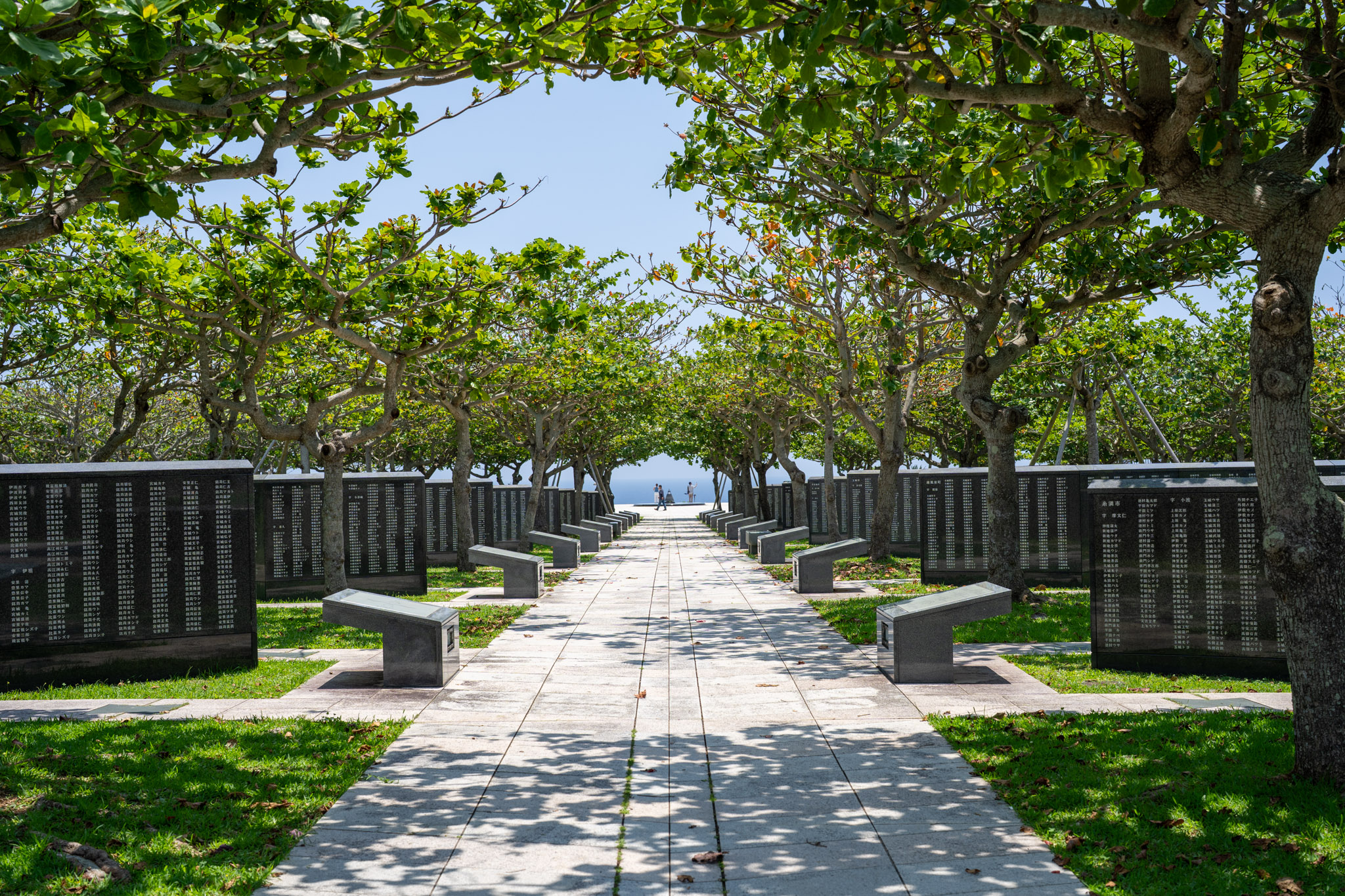
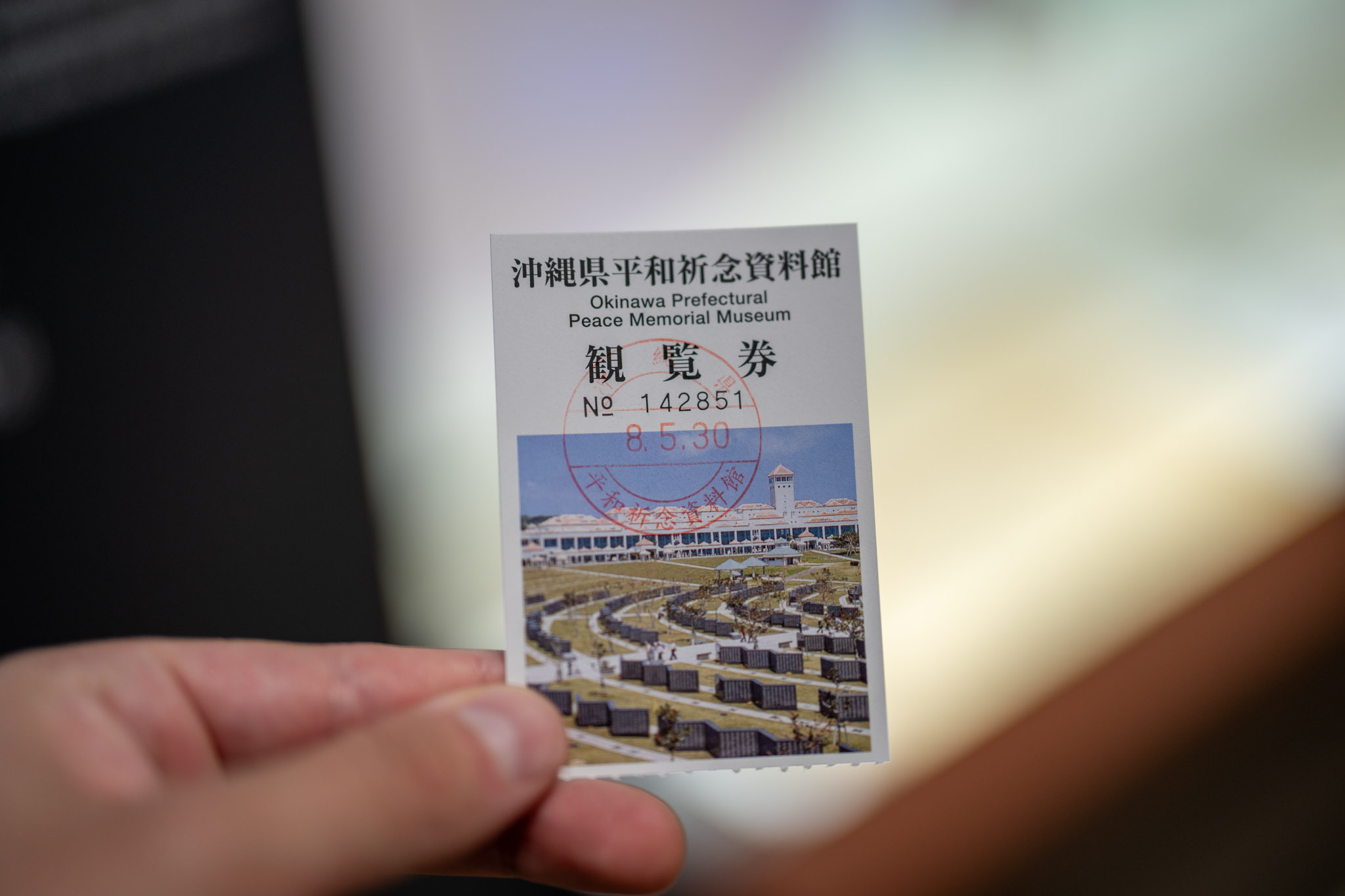
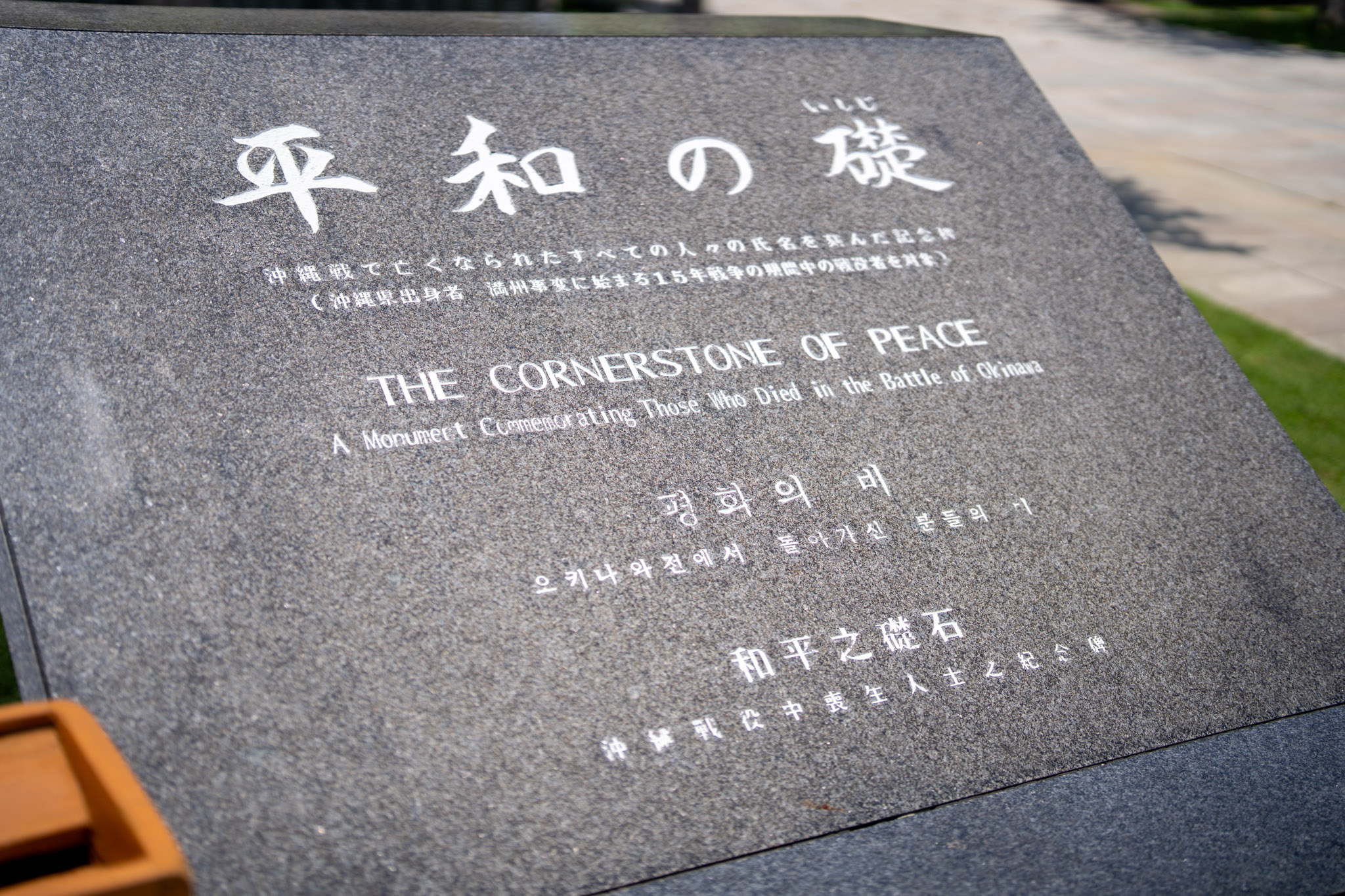
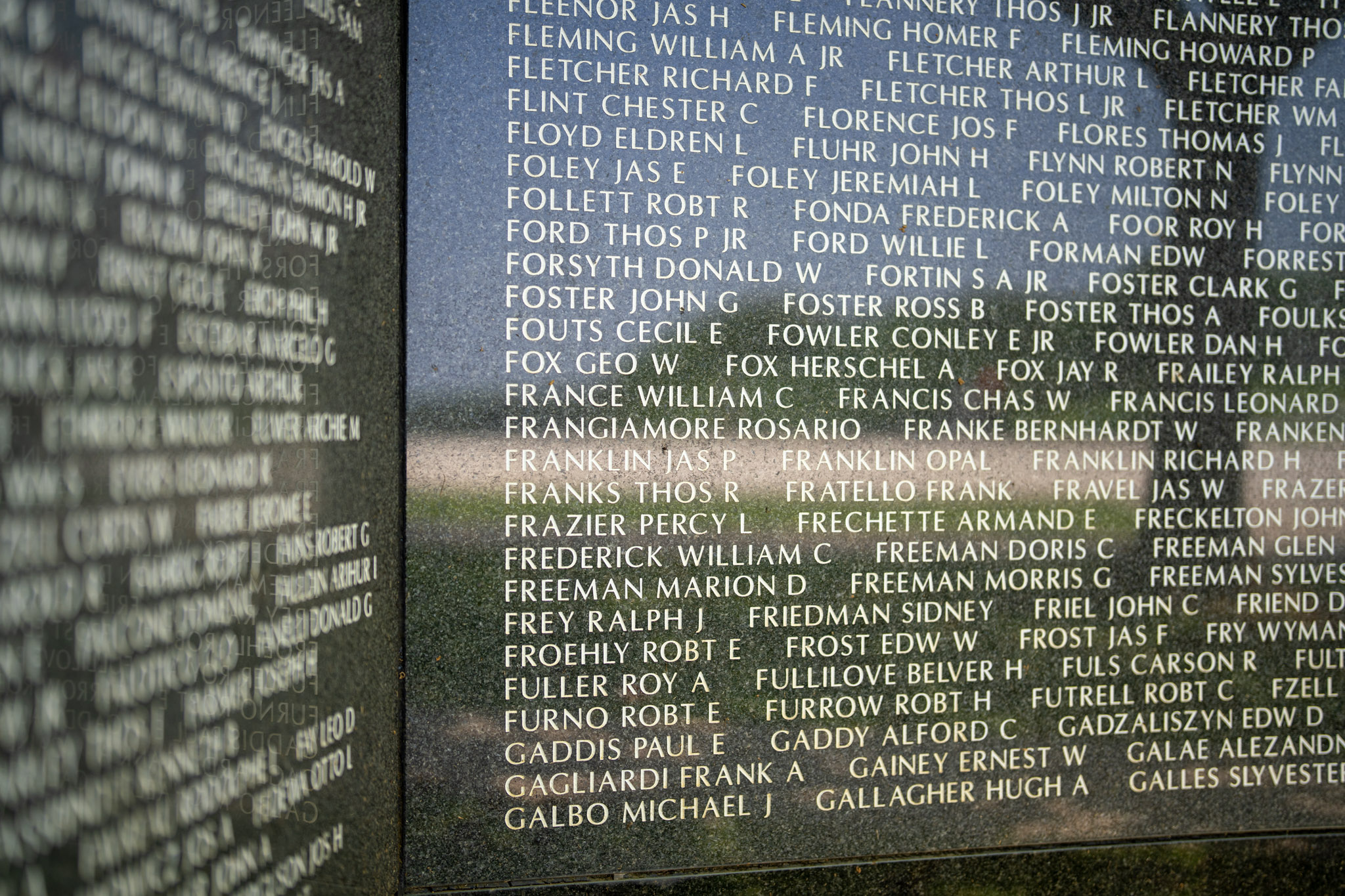
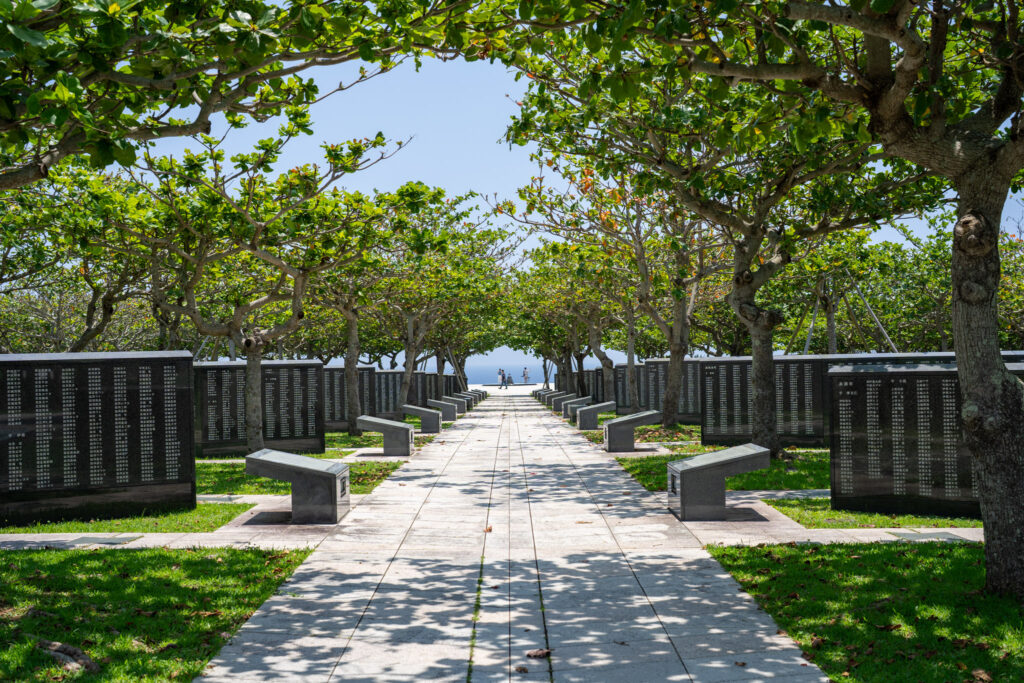
Afterwards we drove to the Peace Memorial Park, up on Mabuni Hill, which is where the Battle of Okinawa finally came to an end. The centerpiece is the Cornerstone of Peace, a series of long black stone walls carved with the names of everyone who died in the battle. What makes it different from most war memorials is that it lists everyone, on every side, soldiers and civilians, Japanese and American and Korean, regardless of nationality. There are well over two hundred thousand names. As we were walking along it, we saw that even a Mr. Frey fell.
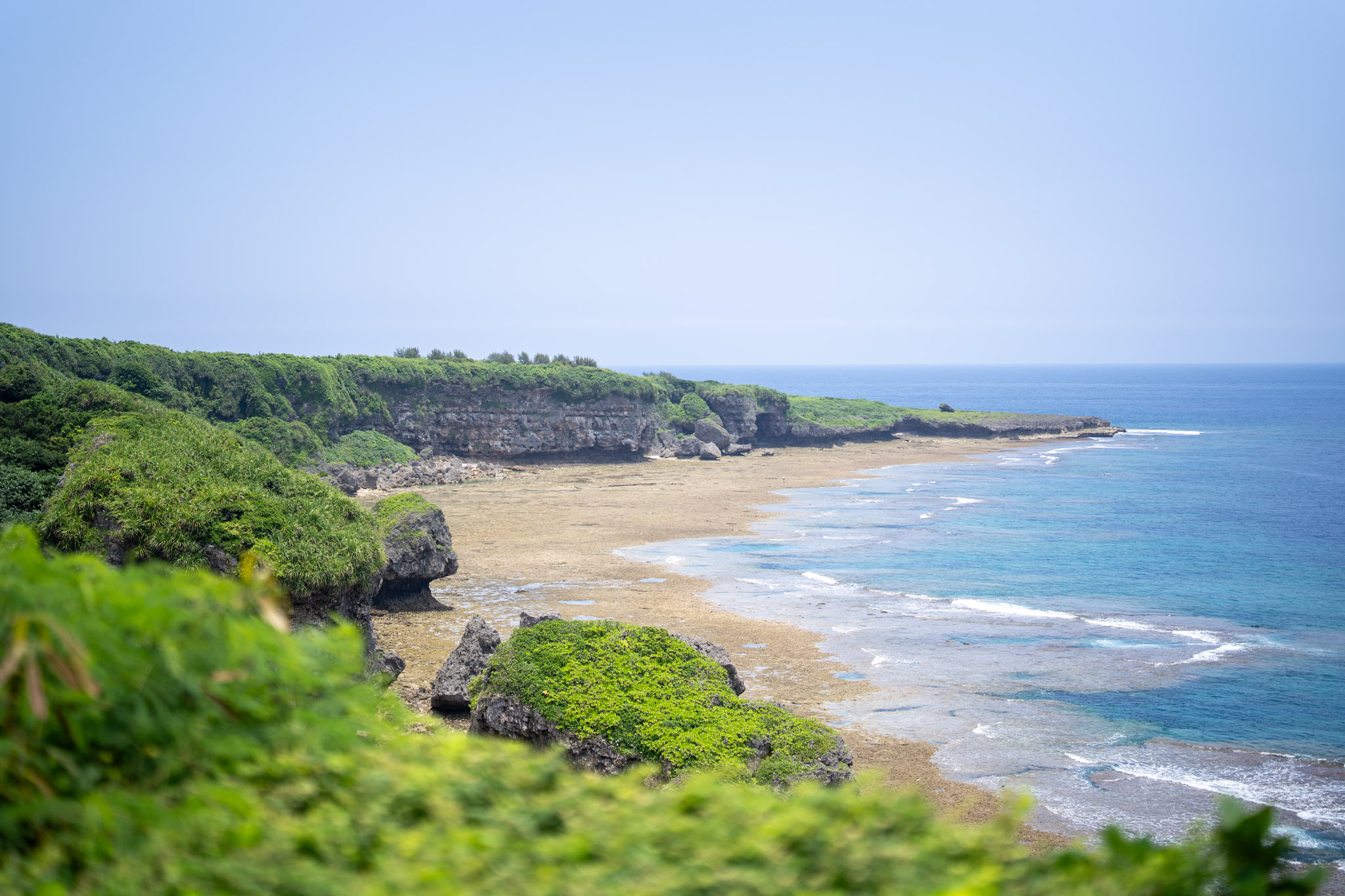
From there we drove out to Cape Kyan on the very southern tip of the island, where the cliffs drop straight down into the sea. It’s a beautiful spot, though it has its own dark history from the end of the battle, as this was one of the last corners the fighting reached, and with nowhere left to retreat many soldiers and civilians died here, some of them jumping from the cliffs into the sea.
We stopped at Ichiran, the ramen chain, for a quick lunch once we were back in Naha. If you’ve never been, it’s the place where everyone gets their own little booth and you barely interact with anyone at all. The funny thing is that it means everyone can sit on their phone the entire time without feeling bad about it, since that’s more or less the whole point of the design. The ramen was great as well.
This was where we said goodbye to Fabio, who left. After a short afternoon break, we wrapped up the night at a small yakitori place in the city.
All in all, two really good days in Okinawa, one for wandering and one that gave the history buffs among us a lot of reading.
Naha is the capital city of Okinawa Prefecture, the southernmost prefecture of Japan. As of 1 June 2019, the city has an estimated population of 317,405 and a population density of 7,939 people per km². The total area is 39.98 km². Naha is located on the East China Sea coast of the southern part of Okinawa Island, the largest of Okinawa Prefecture. The modern city was officially founded on May 20, 1921. Before that, Naha had been for centuries one of the most important and populous sites in Okinawa. Naha is the political, economic and educational center of Okinawa Prefecture. In the medieval and early modern periods, it was the commercial center of the Ryukyu Kingdom. Wikipedia
Though today Naha has grown to incorporate the former royal capital city of Shuri, center of Chinese learning Kumemura, and other towns and villages, in the period of the Ryūkyū Kingdom, it was a smaller city, prominent as a major port, but not as a political center. Medieval Naha was on a tiny island called Ukishima, connected to the mainland of Okinawa Island by a narrow causeway called Chōkōtei which led on to Shuri. Okinawa, or the Ryukyu Kingdom as it was then known, was an independent kingdom until 1609, when it came under the rule of Satsuma, a province in southern Japan. Commodore Matthew Perry docked in Naha Port in 1852 before his historic arrival in Edo (now Tokyo) the following year, when Japan opened up to the world after centuries of isolation. Naha became the capital in 1879, and it later absorbed the old capital, Shuri. In October 1944, Naha was bombed in the 10-10 air raids, destroying 90% of the city. In 1945, Okinawa became the site of the largest ground battle on Japanese soil during the Pacific War. Wikipedia + 2
The restored and rebuilt Shuri Castle, the former royal palace of the Ryūkyū Kingdom, is one of the finest gusuku (Okinawan castle) and among the most important historical sites in Naha. The palace, and a series of tunnels underneath it, were used as a major command post by the Imperial Japanese military during World War II, and the castle was subsequently almost destroyed in 1945. Today Shuri Castle has been reconstructed, including the famous Shureimon, its main gate, and is registered, along with a number of other gusuku and other Okinawan historical and sacred sites, as a UNESCO World Heritage Site. Because of its deepwater port, Naha is the commercial centre of the Ryukyu Islands chain. Traditional handicraft industries produce porcelain, lacquerware, dyed cloth, and the potent awamori liquor. The city is also the seat of the University of the Ryukyus. There are numerous shrines throughout the city. The most visible part of the local beliefs is the shisa, the Okinawan “lion dogs” that are considered protectors of the island and are found everywhere – walls, roofs, windows, street corners and parks. Wikipedia + 2
Reference: Wikipedia.org under https://en.wikipedia.org/wiki/Naha
Japan is an island country in East Asia, located in the Pacific Ocean off the eastern coast of the Asian continent. It lies east of China, the Korean Peninsula, and Russia, and consists of an archipelago of more than 6,000 islands. The four main islands—Honshu, Hokkaido, Kyushu, and Shikoku—account for most of the country’s land area and population, forming a long chain that stretches from north to south. The official language of Japan is Japanese, which is spoken by the vast majority of the population. The capital of Japan is Tokyo, one of the largest metropolitan areas in the world. Formerly known as Edo, the city became the imperial capital in 1868, replacing Kyōto, and today it is home to major government institutions, businesses, and many of Japan’s leading cultural and educational organizations. Encyclopedia BritannicaEncyclopedia Britannica
In 1603, after decades of civil warfare, the Tokugawa shogunate (a military-led, dynastic government) ushered in a long period of relative political stability and isolation from foreign influence. For more than two centuries, this policy enabled Japan to enjoy a flowering of its indigenous culture. Japan opened its ports after signing the Treaty of Kanagawa with the US in 1854 and began to intensively modernize and industrialize. During the late 19th and early 20th centuries, Japan became a regional power that was able to defeat the forces of both China and Russia. It occupied Korea, Formosa (Taiwan), and southern Sakhalin Island. In 1931-32, Japan occupied Manchuria, and in 1937, it launched a full-scale invasion of China. Japan attacked US forces at Pearl Harbor, Hawaii, in 1941, triggering America’s entry into World War II, and Japan soon occupied much of East and Southeast Asia. After its defeat in World War II, the country recovered to become an economic power and a US ally. OpenFactBook
The prime minister leads the government and is supported by the Diet, Japan’s legislature, which consists of the House of Representatives, the lower house, and the House of Councillors, the upper house. The main religious traditions in Japan are Shintō and Buddhism, both of which play important roles in cultural and spiritual life. Shintō is rooted in indigenous beliefs and emphasizes rituals connected to nature and ancestors, while Buddhism was introduced from the Asian mainland. Japan is one of the world’s fastest aging countries and has the highest proportion of elderly citizens of any country, comprising one-third of its total population; this is the result of a post–World War II baby boom, which was followed by an increase in life expectancy and a decrease in birth rates. Japan has a total fertility rate of 1.2, which is below the replacement rate of 2.1, and is among the world’s lowest. Japan also has one of the oldest populations globally, with a high proportion of elderly citizens, a trend that is reshaping the country’s workforce and social structure. Encyclopedia Britannica + 2
Reference: Wikipedia.org under https://en.wikipedia.org/wiki/Japan