
Day One: Mollis to Samarkand (via Altenrhein and Ankara)
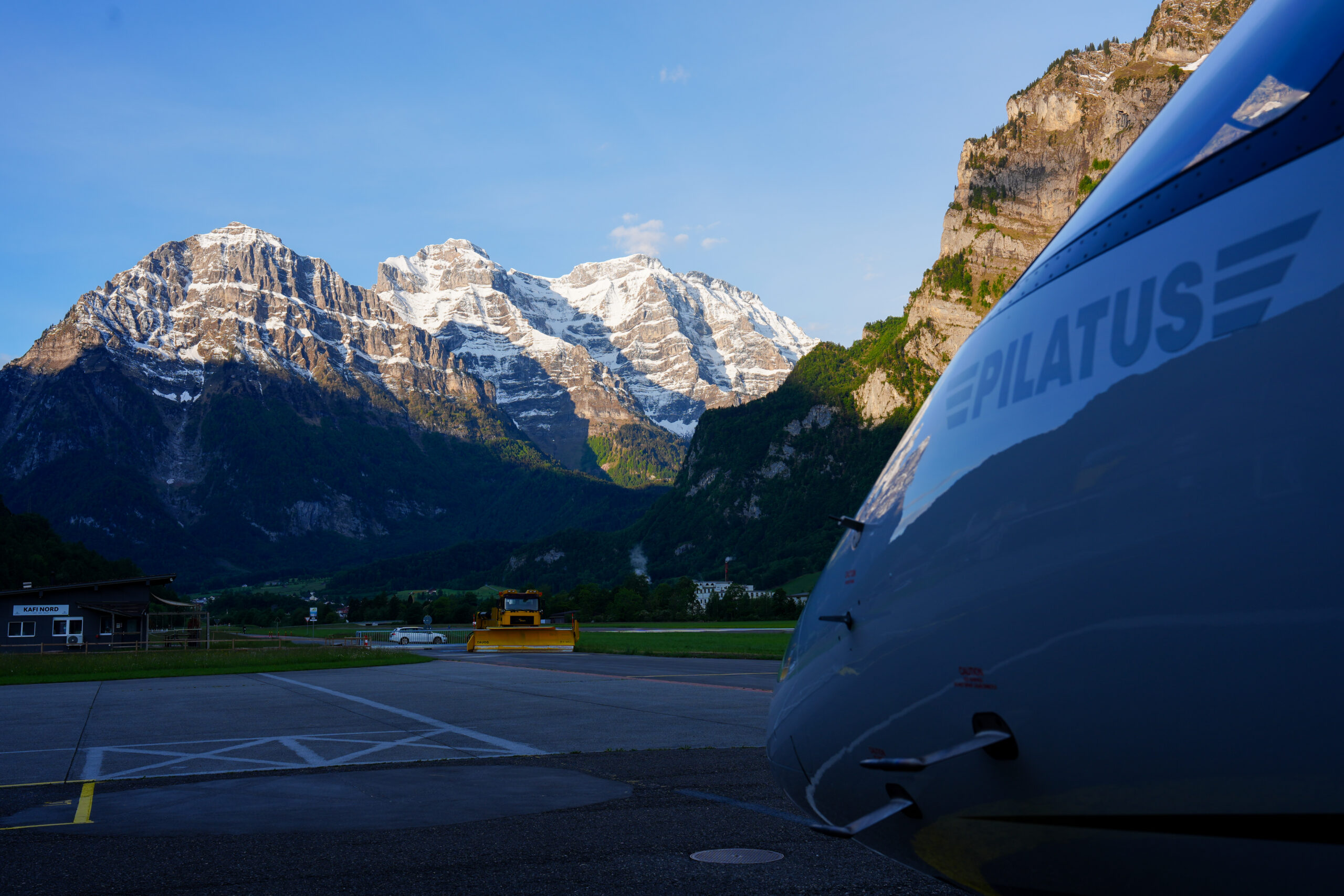
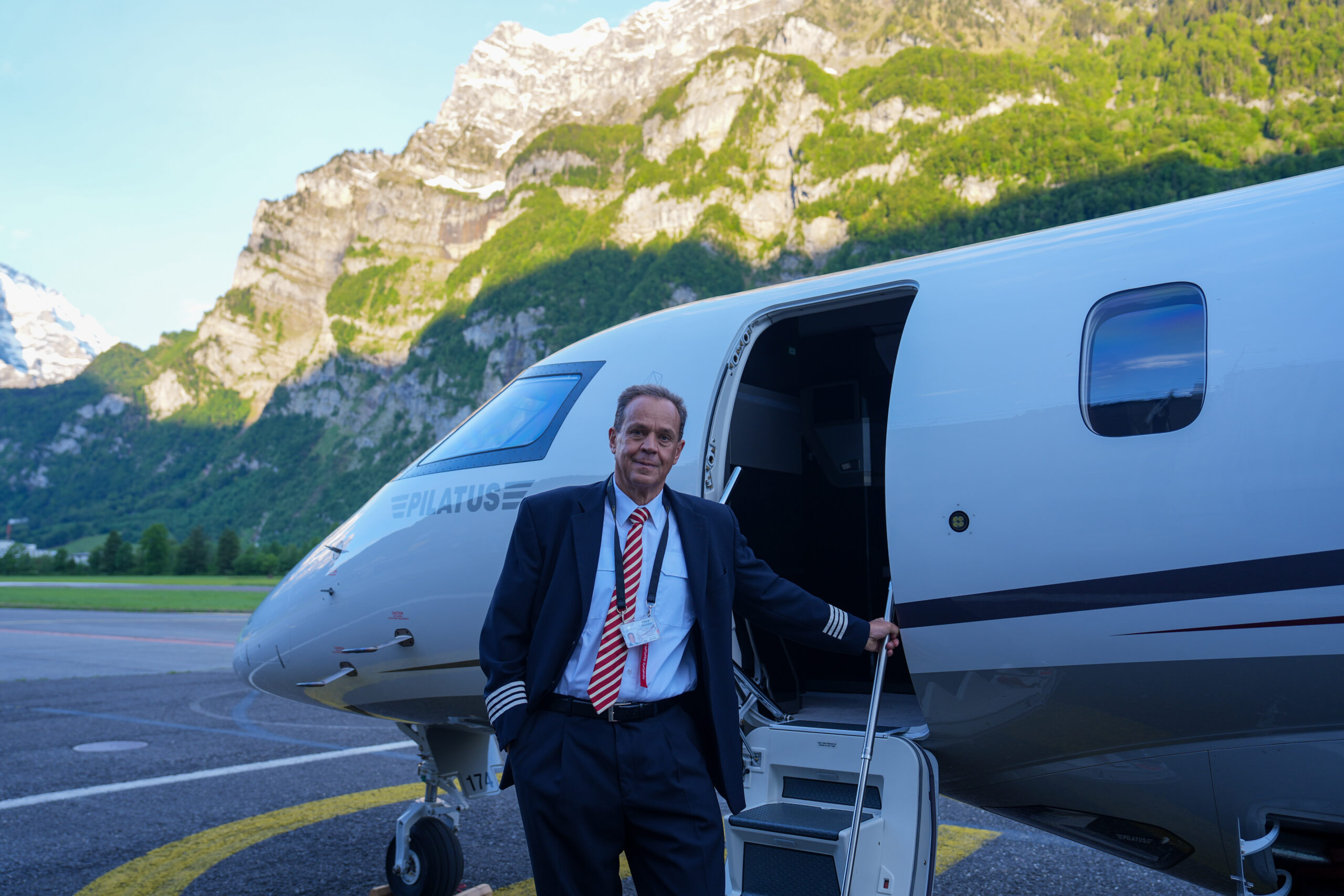
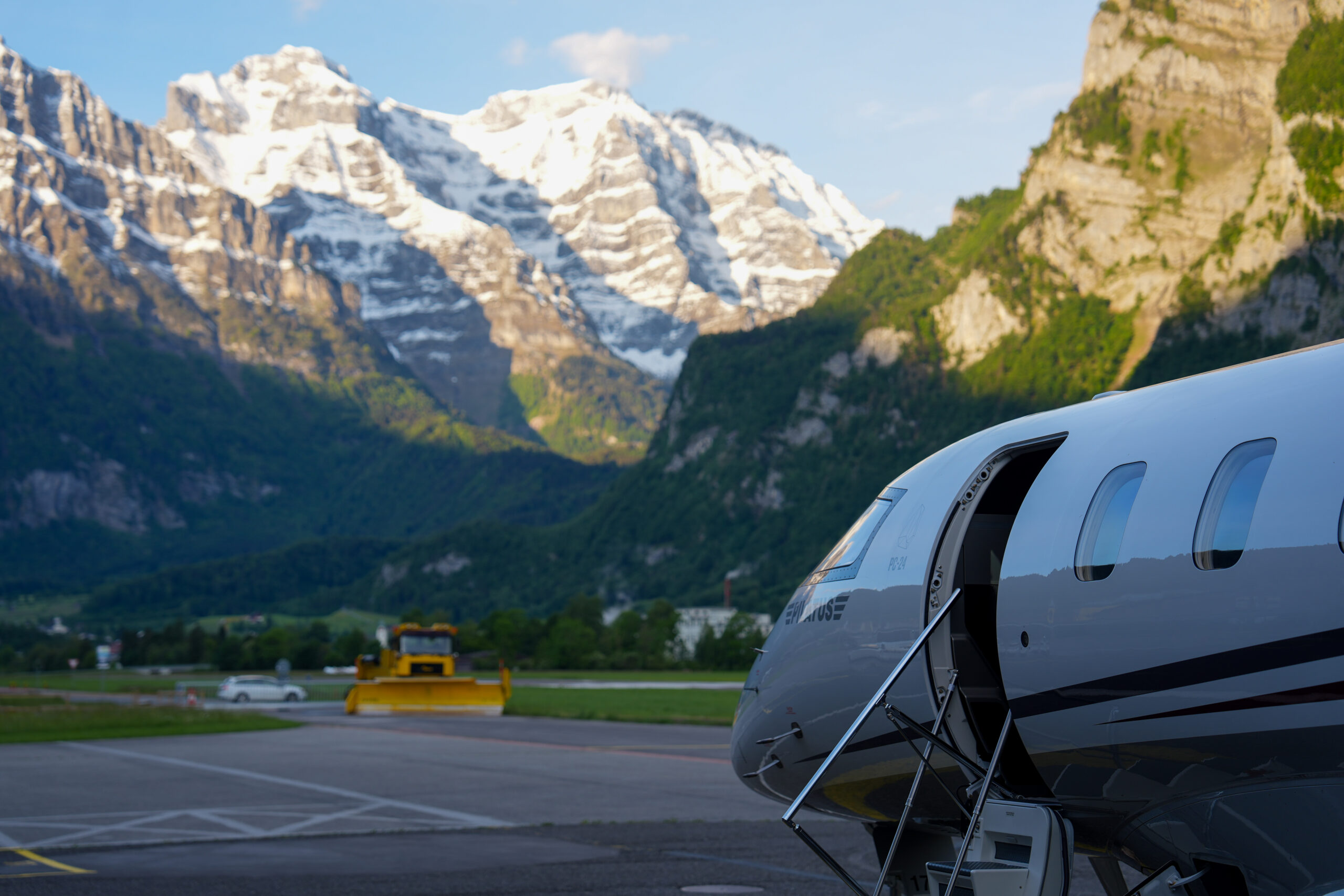
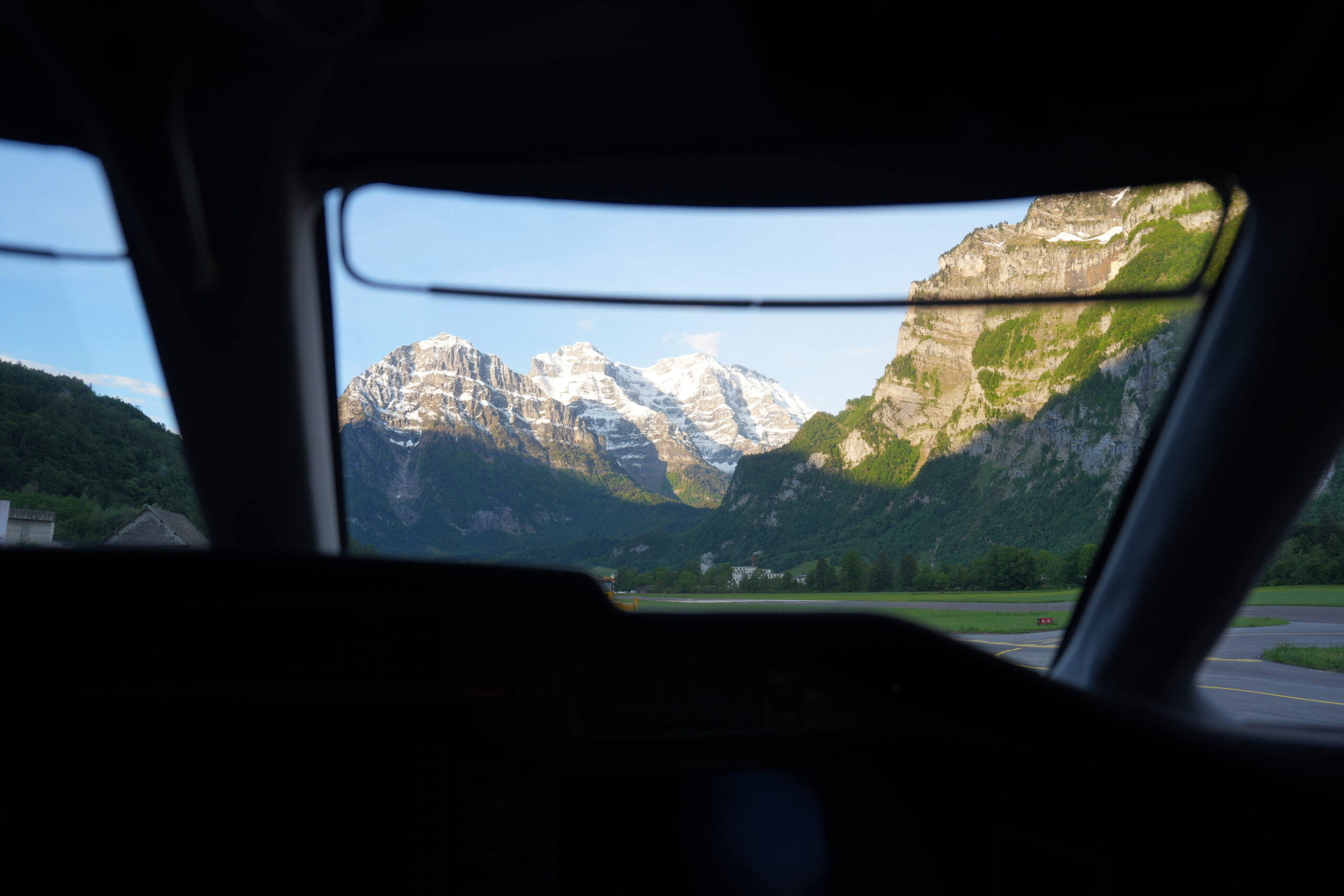
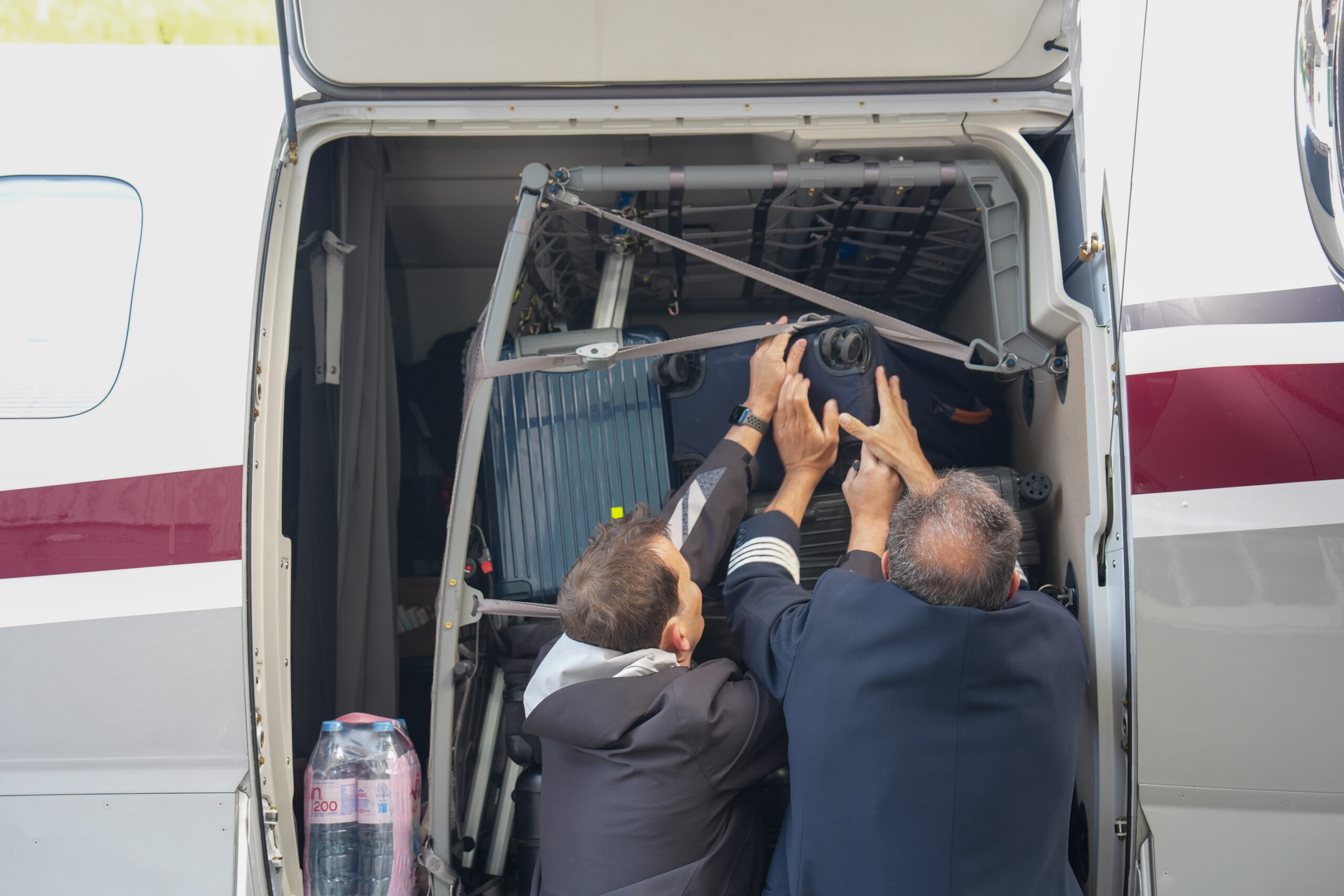
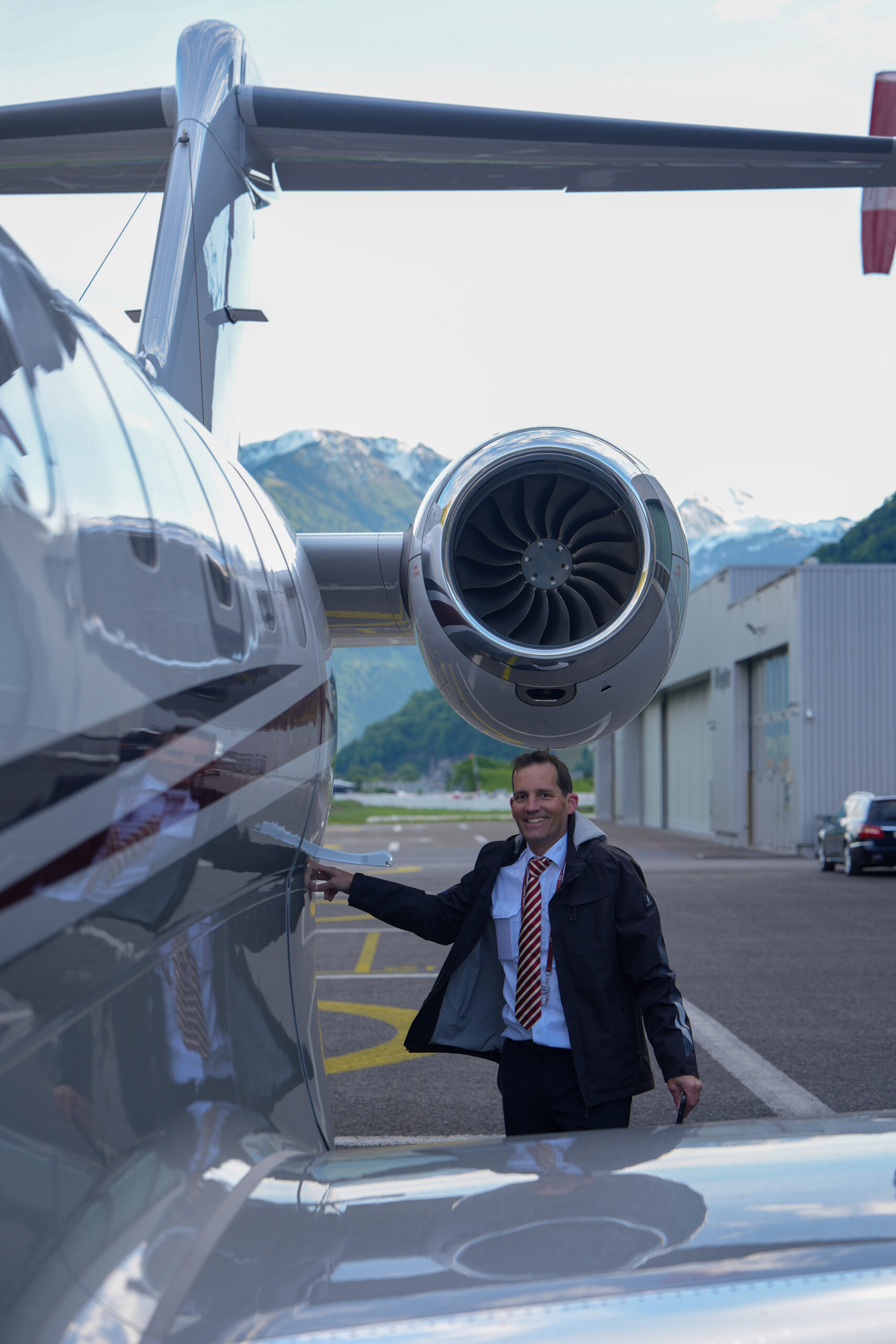
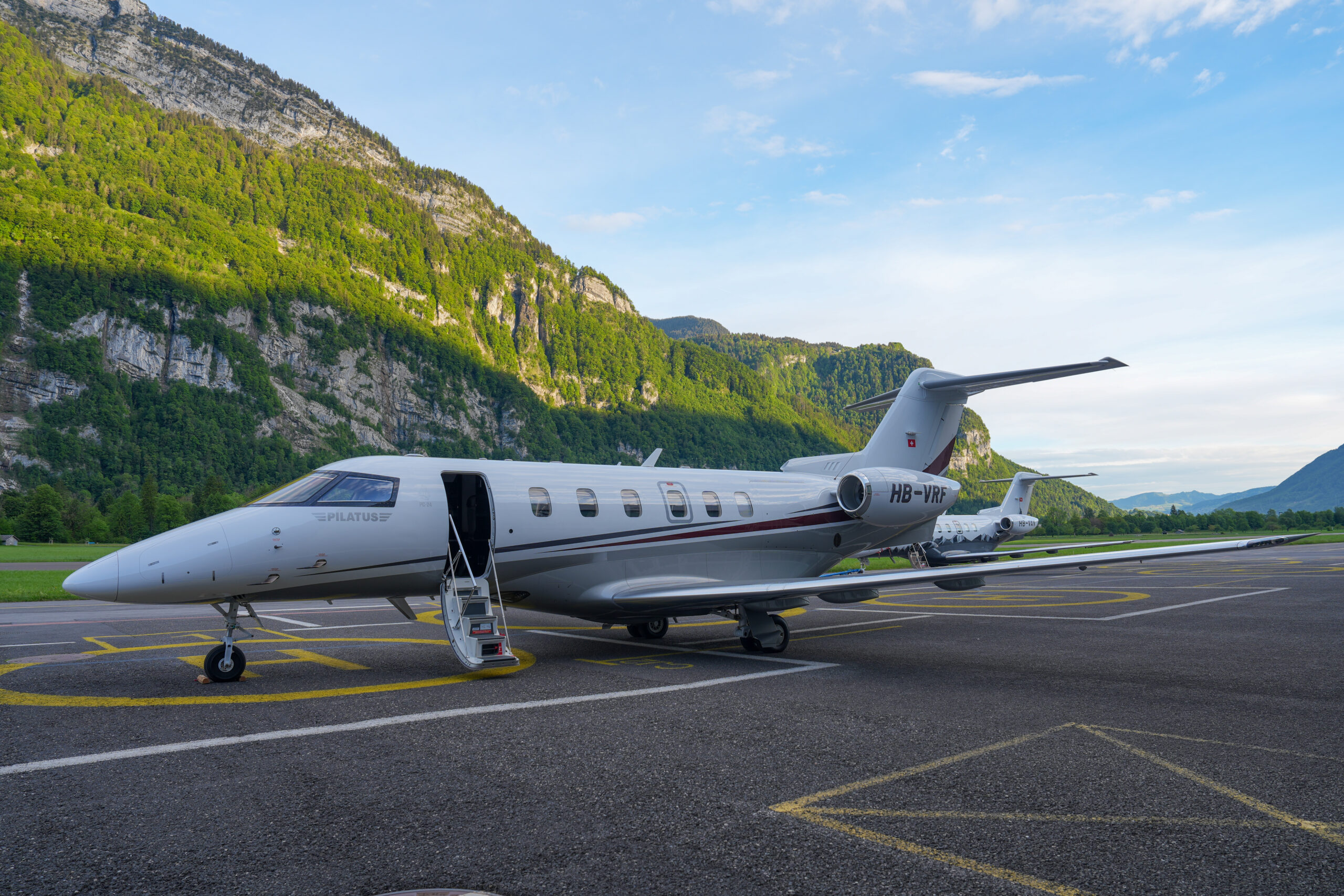
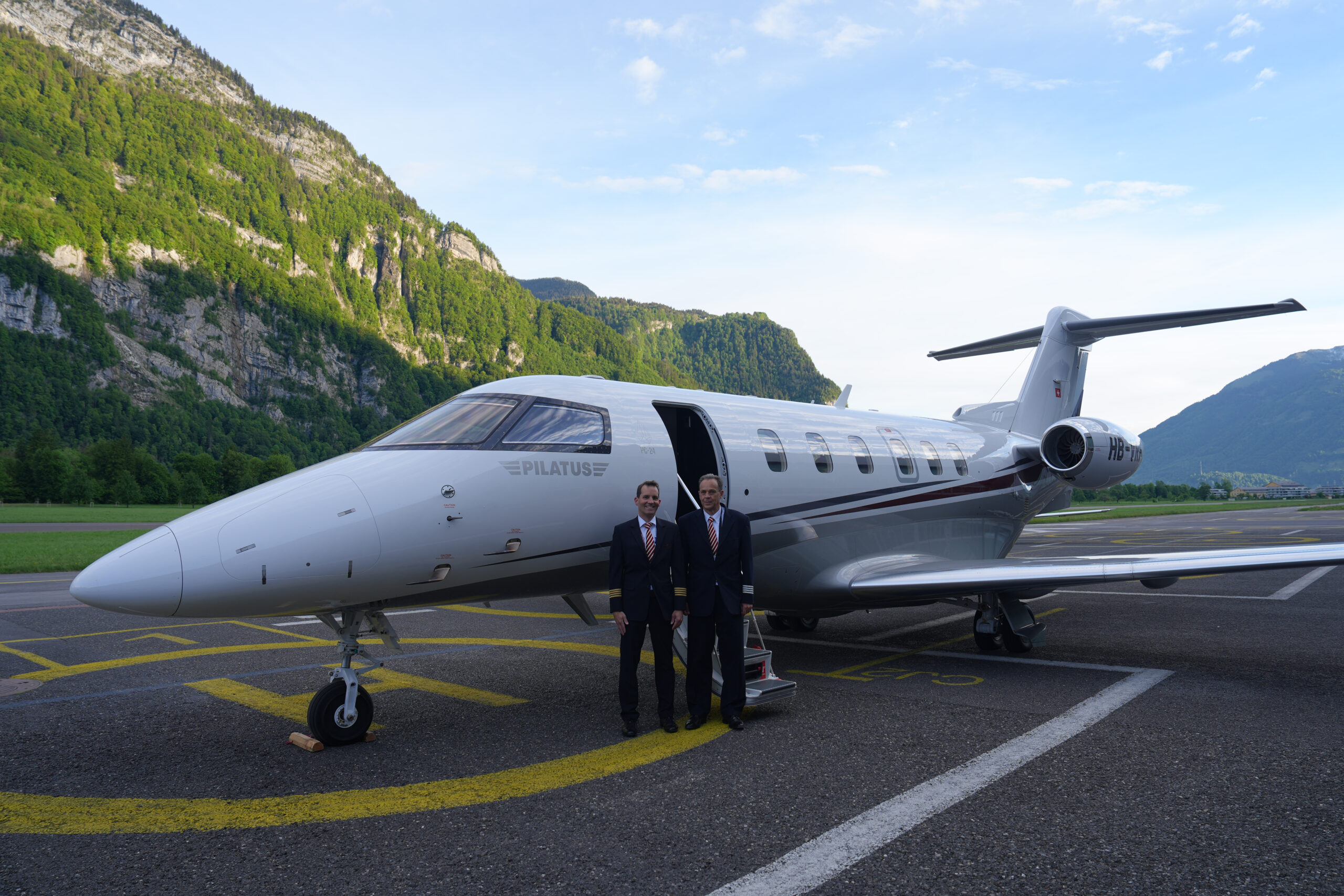
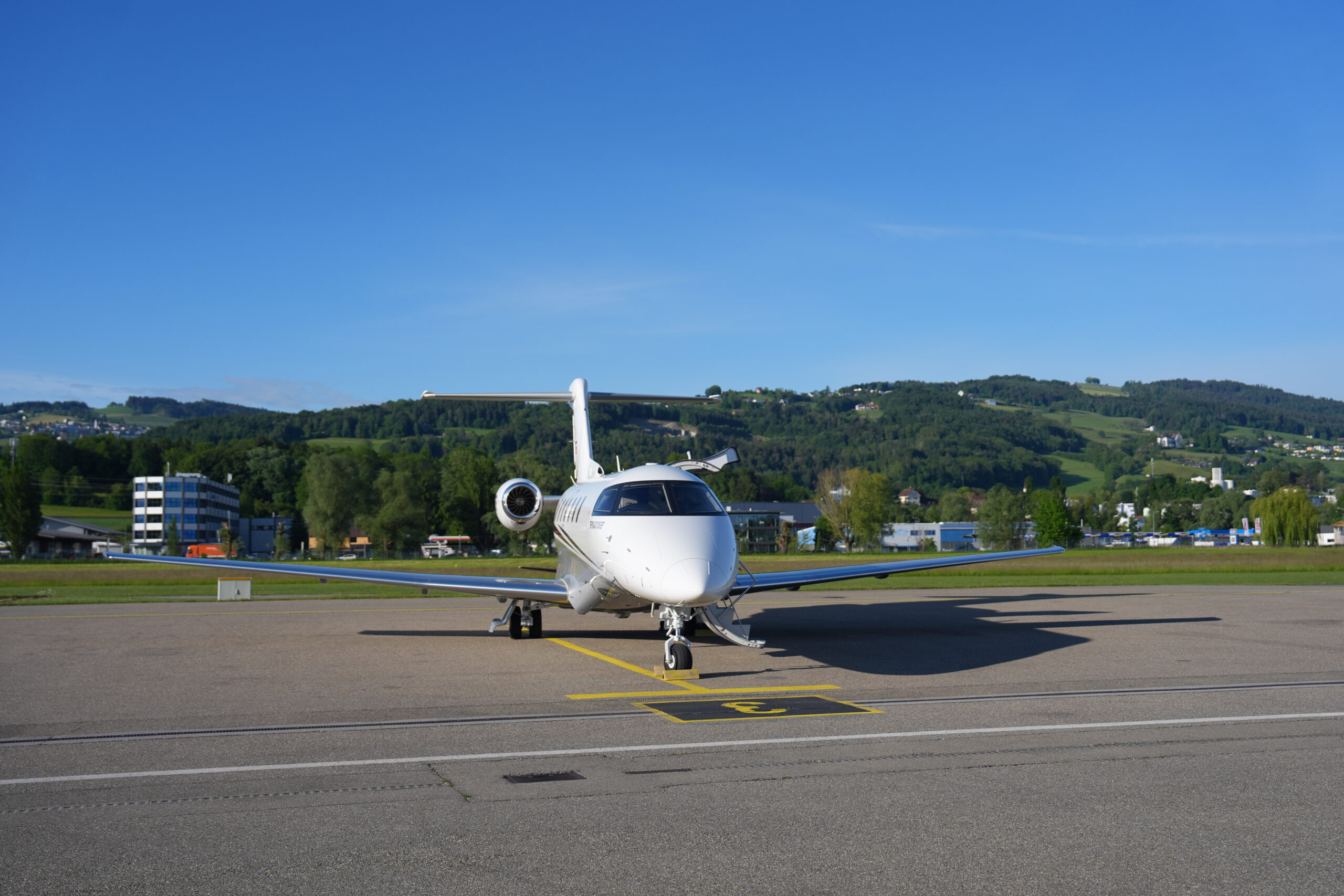
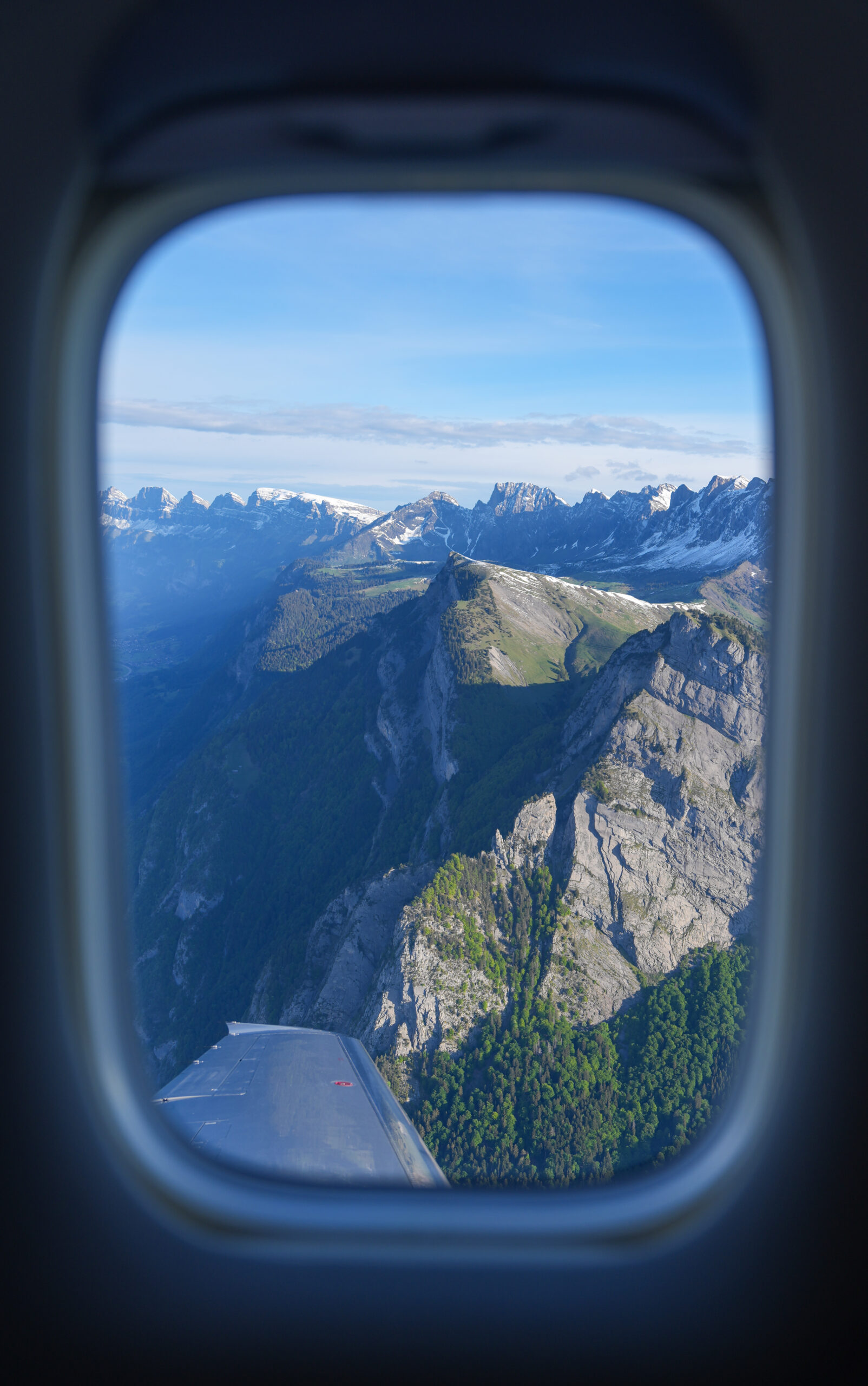
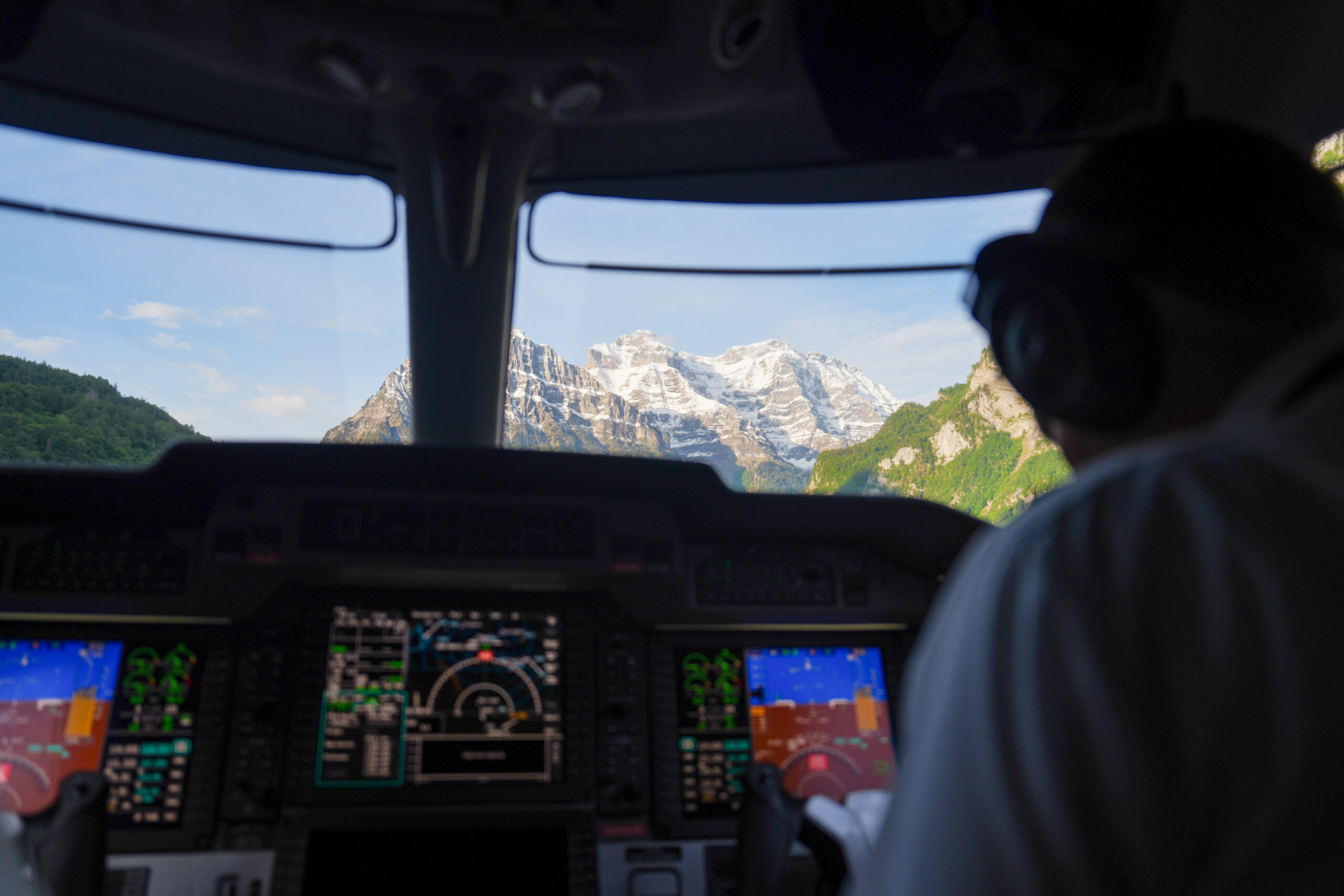
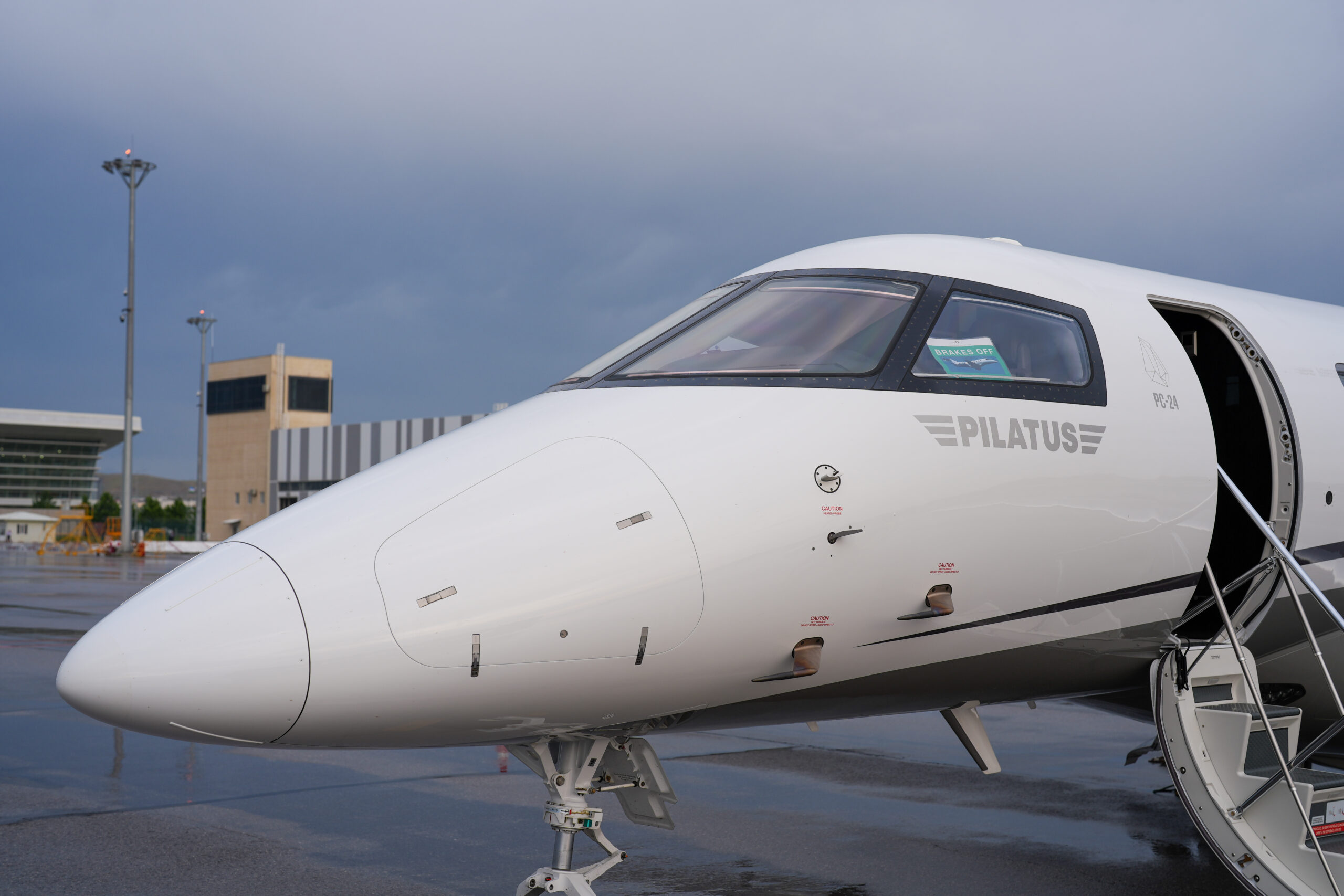
We left off at 7:15 on Monday morning. Our first leg was from Mollis to Altenrhein. A short flight of 18 minutes brought us to Altenrhein, which is at the frontier of one of Switzerland’s foremost industries… bureaucracy. Seems that Swiss customs have decided that Mollis as an airport is not suitable anymore for non-Schengen travel. We obliged. We filed the paperwork, and after a short customs break, we left off to Ankara. Our flight there was smooth, taking nearly 3 hours. After a short fuel stop, we attempted to restart the engines and were instead greeted by an Electrical Failure. Something no one wants to read on a cockpit display. The culprit turned out to be our newest piece of onboard kit, the Starlink terminal, which decided to draw more power than anyone had budgeted for.
A word on the Starlink. We had bought 20 GB of data, the plan being a disciplined regime of messages and emails only. The plan lasted roughly 30 minutes, which is how long it took for someone’s phone to decide it needed a software update, consuming 75% of our data package. Ordinarily a minor annoyance. Except Elon Musk has noticed that aircraft are using Starlink, and has accordingly raised the price for anything moving faster than 100 mph. Our remaining 5 GB was therefore less “data” and more “a modest line of credit.”
A kickstart from the Ankara ground crew got us moving again, and we pressed on. The third leg was Ankara to Samarkand, which took 4 hours. On departure from Ankara we were treated to a spot of GPS spoofing, courtesy of Turkey. This meant flying on the IRS (Internal Reference System), which degrades the longer you fly. GPS normally corrects it continuously, but with the spoofing that correction was not available. Following our flight over Turkey and two hours over Turkmenistan, we arrived in Samarkand.
The plan was to refuel. The plan, unfortunately, did not survive contact with reality. The fuel truck arrived half full, and in a logistical knot, the fueler itself needed to be fuelled before it could fuel us. Eventually fuelled, we ended the day with a short dinner at the Oasis Garden restaurant.
Day Two: Samarkand
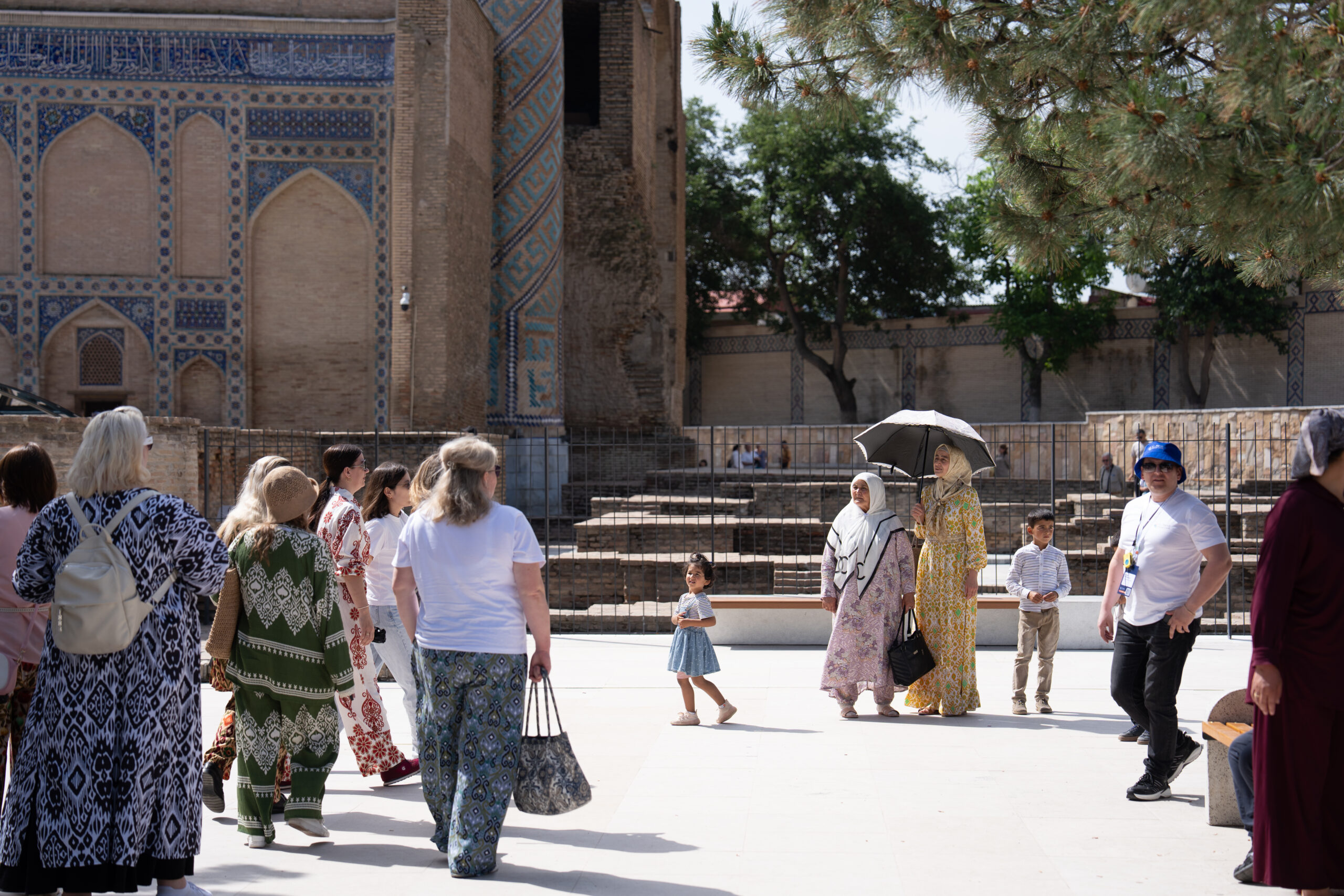
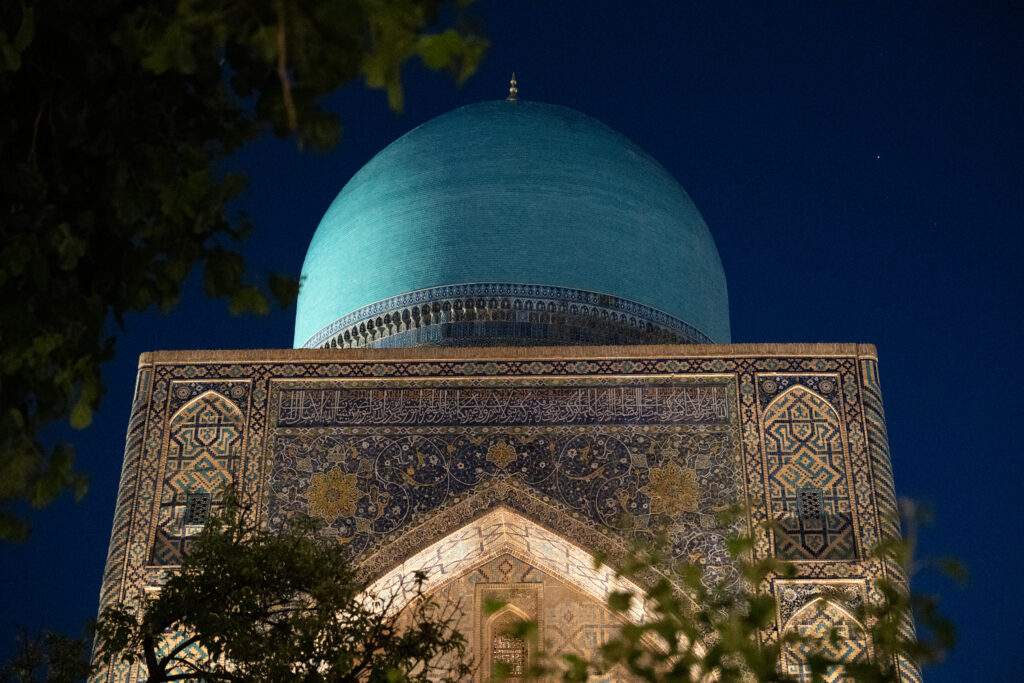
Morning brought our first proper look at the city, and Samarkand does not do things by halves. We began at the Gur-i Amir, the Amir Temur Mausoleum, the resting place of Timur himself. It is crowned by a ribbed turquoise dome that seems almost too vivid to be six centuries old, and the interior is no less impressive, with heavily gilded walls.
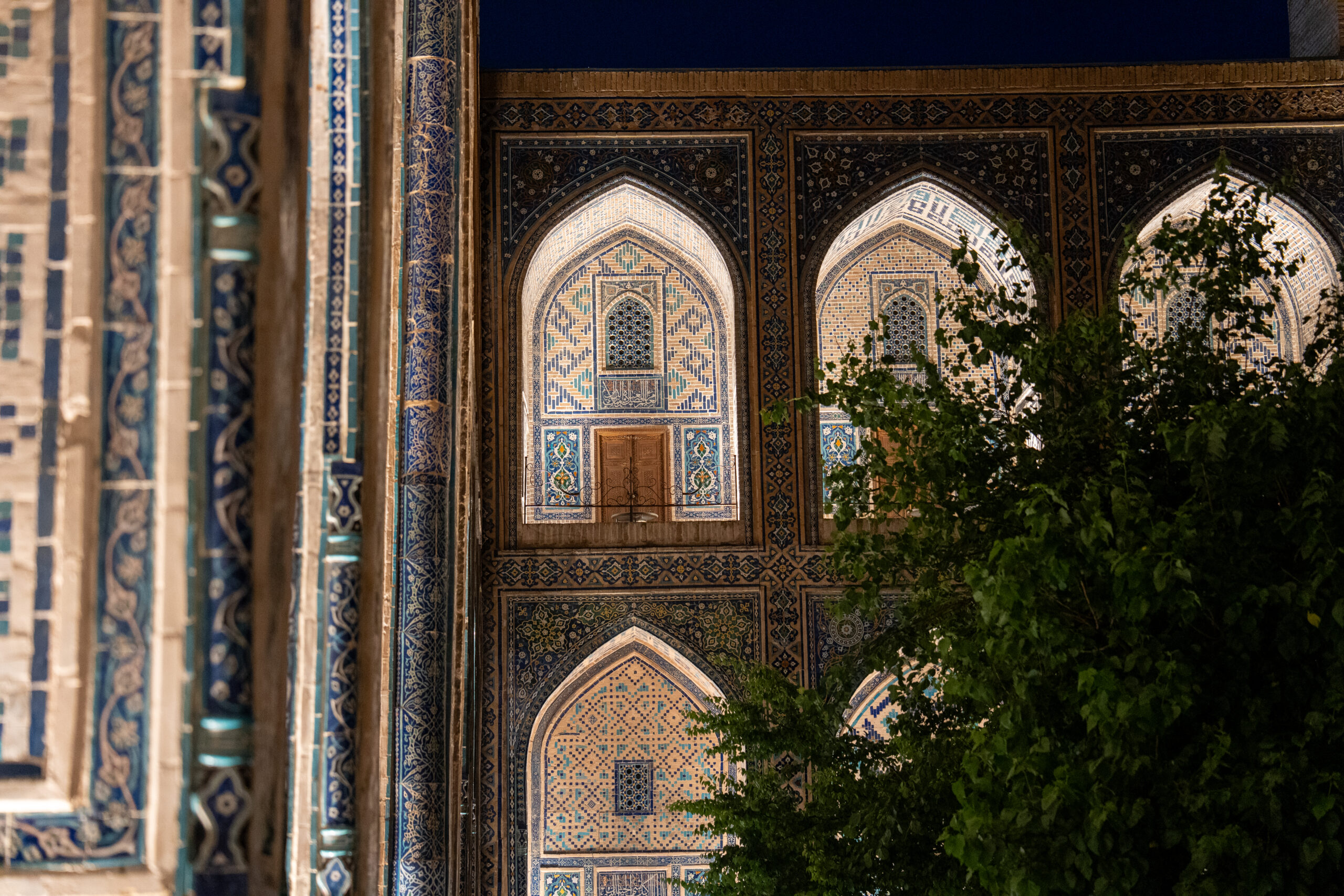
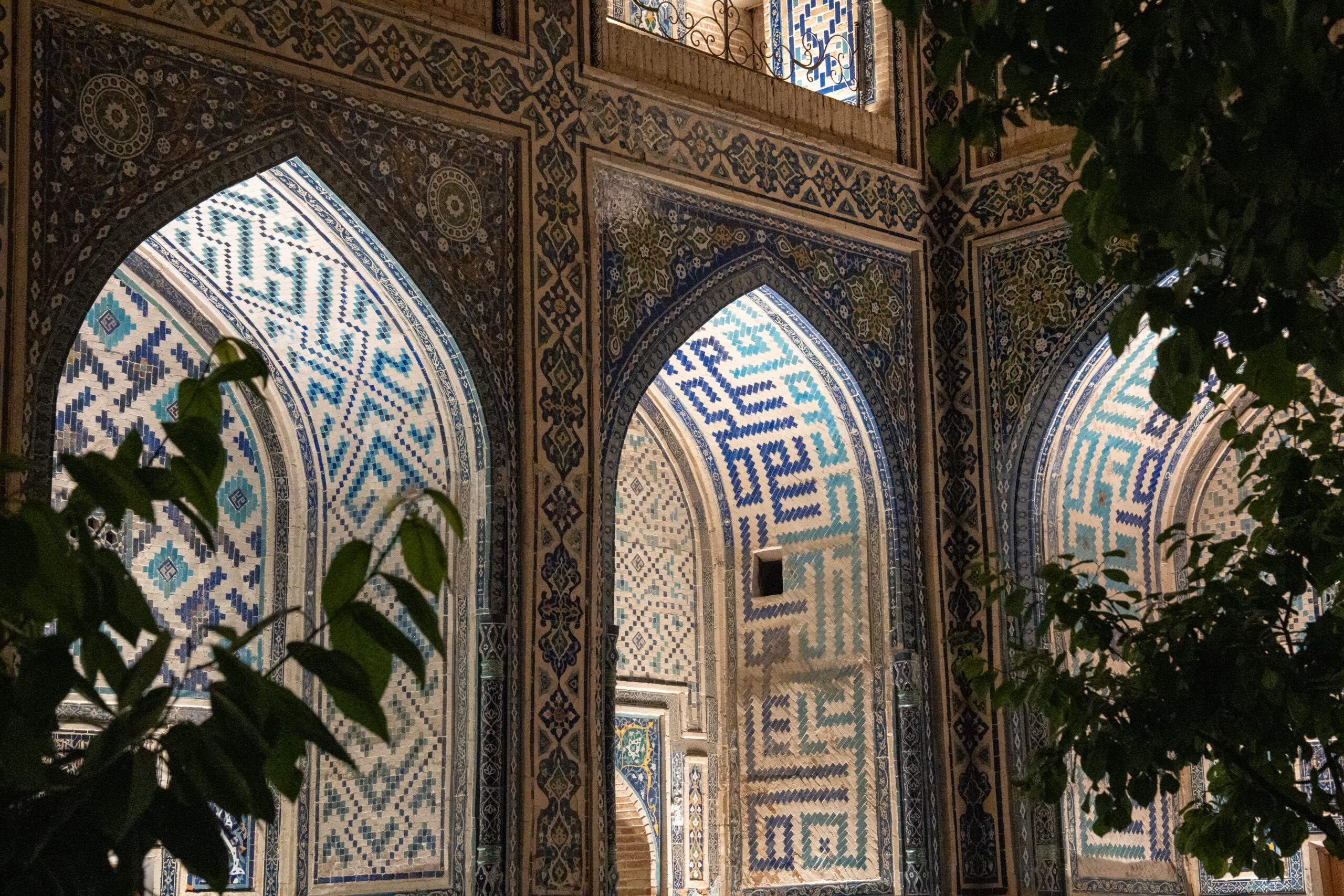
From there we went to the Registan, the obvious centrepiece of the city. Three madrasas facing one another across a vast public square, their façades an explosion of blue tilework, geometric patterns, and gold. Photographs genuinely do not prepare you for the scale of it; you stand in the middle and feel slightly smaller than when you arrived. Each madrasa has its own character. One is fronted by a pair of tigers, which is unusual given Islamic conventions on depicting living things. Next was the Bibi-Khanym Mosque, once one of the largest mosques in the Islamic world and named after Timur’s wife. It is partly restored today, but the scale is still impressive. The main portal alone is enormous.
We finished at the Shah-i-Zinda, a narrow avenue of tombs covered almost entirely in detailed tilework. It was quieter than the other sites and one of the highlights of the day. In the evening we returned to the Registan for the light show. Projections of colour and pattern were cast across the façades, set to a soundtrack covering the history of the city. Touristy, yes, but worth it, and a good way to end the day.
Samarkand is a city in southeastern Uzbekistan and among the oldest continuously inhabited cities in Central Asia. It is the capital of the Samarkand Region and the third-largest city in Uzbekistan, with 551,700 inhabitants (2021). Historically, Samarkand has long been one of the principal urban centers of Iranian (Persian-Tajik) civilization in Central Asia and played a major role in the cultural and commercial networks of the Silk Road. Several theories propose that it was founded between the 8th and 7th centuries BC. The city was named Marakanda when captured by Alexander the Great in 329 BC; according to some sources, the present name comes from the eastern Iranian language Sogdian samar “stone, rock” and kand “fort, town.” Wikipedia
The city was later ruled by Central Asian Turks (6th century CE), the Arabs (8th century), the Samanids of Iran (9th–10th century), and various Turkic peoples (11th–13th century) before it was annexed by the Khwārezm-Shāh dynasty (early 13th century) and destroyed by the Mongol conqueror Genghis Khan in 1220. Samarkand revolted against its Mongol rulers in 1365, and became the capital of the empire of Timur, during which time it made its most significant development and became the most important economic and cultural center in Central Asia. In Islamic literature, Samarkand has taken on a semi-mythological status and is often cited as truly representing Islamic philosophy and society. Among the great Timurid-era structures are the mosque of Bībī-Khānom (1399–1404), Timur’s tomb itself, the Gūr-e Amīr mausoleum (built about 1405), and Rīgestān Square, fronted by three madrasahs that border the square on three sides. The principal features of these ancient buildings are their splendid portals, vast coloured domes, and remarkable exterior decorations in majolica, mosaic, marble, and gold. Encyclopedia Britannica + 2
Samarkand was the capital of Turkestan Provisional Government in 1922 and was the capital of the Uzbek SSR from 1925 to 1930, before being replaced by Tashkent. The city is located in the Zarefshan River valley, with road M39 connecting it to Tashkent, 270 km away. Samarkand has a cold semi-arid climate with hot, dry summers and relatively wet, variable winters. The historic city was designated a UNESCO World Heritage Site in 2001 under the title Samarkand – Crossroad of Cultures. Wikipedia
Reference: Wikipedia.org under https://en.wikipedia.org/wiki/Samarkand
Uzbekistan, officially the Republic of Uzbekistan, is a doubly landlocked country located in Central Asia. It is surrounded by five countries: Kazakhstan to the north, Kyrgyzstan to the northeast, Tajikistan to the southeast, Afghanistan to the south, and Turkmenistan to the southwest, making it one of only two doubly landlocked countries on Earth, the other being Liechtenstein. The country has a population of more than 38.2 million, making it the most populous country in Central Asia. Uzbek, spoken by the Uzbek people, is the official language and is spoken by the majority of its inhabitants, while Russian and Tajik are significant minority languages. Islam is the predominant religion, and most Uzbeks are Sunni Muslims. The capital and largest city is Tashkent. Wikipedia
The first recorded settlers in Uzbekistan were Eastern Iranian nomads, known as Scythians, who founded kingdoms in Khwarazm, Sogdiana, and Bactria in the 8th–6th centuries BC. The area was incorporated into the Achaemenid Empire and, after a period of Greco-Bactrian rule, was part of the Sasanian Empire until the Muslim conquest of Persia in the seventh century. The early Muslim conquests and the subsequent Samanid Empire resulted in the spread of Islam among the local people, and during this period cities began to grow rich from the Silk Road, becoming a center of the Islamic Golden Age. The Khwarazmian Empire was destroyed in the Mongol invasion in the 13th century. Timur in the 14th century established the Timurid Empire, with Samarkand as its capital and a center of science under the rule of Ulugh Beg, giving birth to the Timurid Renaissance. By the early 19th century the region was dominated by the khanates of Khiva, Bukhara, and Kokand, all of which eventually succumbed to Russian domination. The Uzbek SSR was created in 1924, and in June 1990 Uzbekistan became the first Central Asian republic to declare sovereignty, with full independence declared on August 31, 1991. WikipediaBritannica
Uzbekistan has an area of 448,978 square kilometres (173,351 sq mi), making it the 56th largest country in the world by area. It is a hot, dry, landlocked country, and due to its location within a series of endorheic basins, none of its rivers lead to the sea. Less than 10% of its territory is intensively cultivated irrigated land in river valleys and oases; the rest is the vast Kyzylkum Desert and mountains. The Aral Sea, which has been largely desiccated by cotton production established in the Soviet era, is considered one of the world’s worst environmental disasters. Uzbekistan is a secular state, with a semi-presidential constitutional government, and comprises 12 regions (vilayats), Tashkent City, and one autonomous republic, Karakalpakstan. The Uzbek economy is undergoing a gradual transition to a market economy, with significant reforms under Uzbekistan’s second president, Shavkat Mirziyoyev. Wikipedia
Reference: Wikipedia.org under https://en.wikipedia.org/wiki/Uzbekistan