
Day Six: Yangon to Hanoi
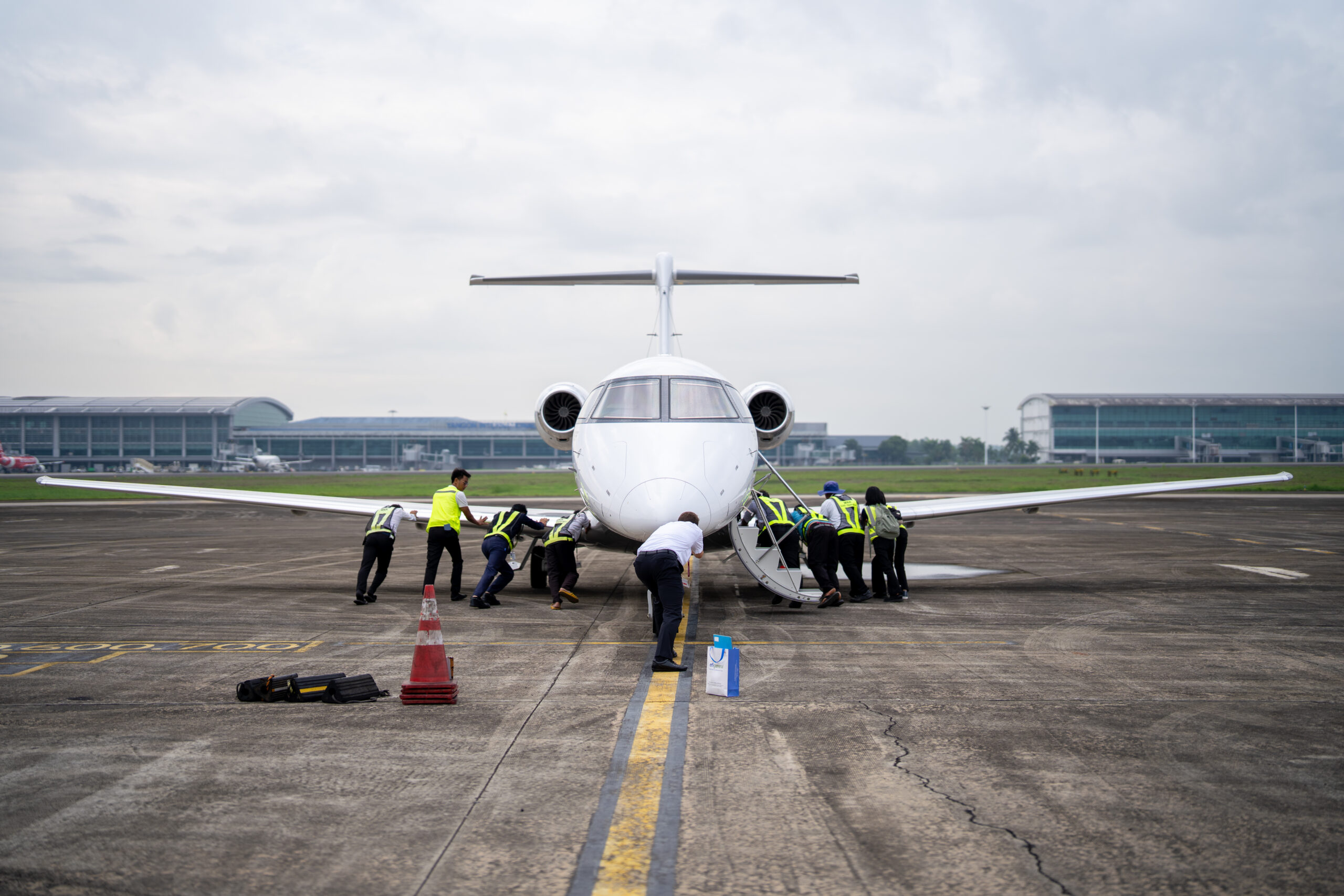
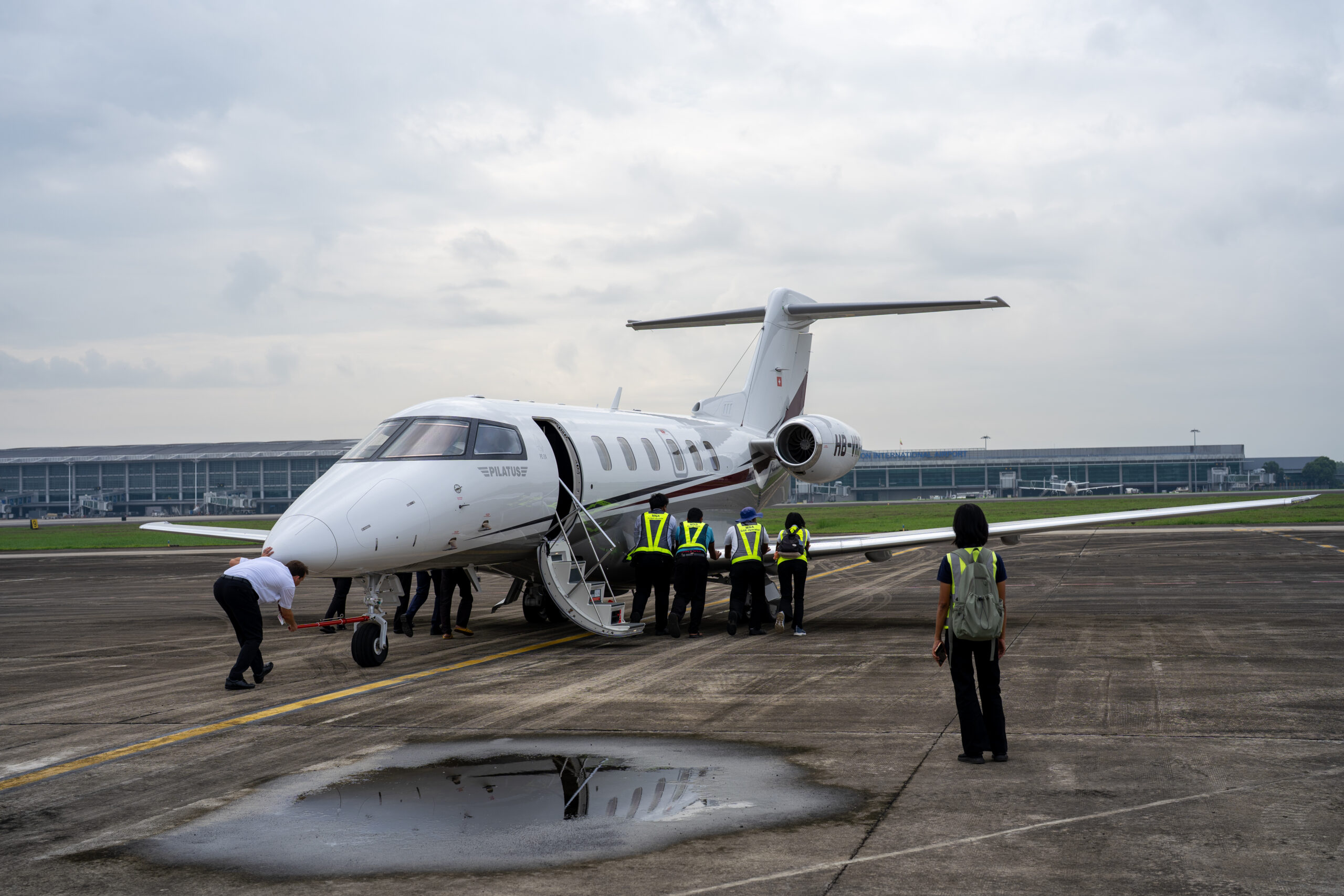
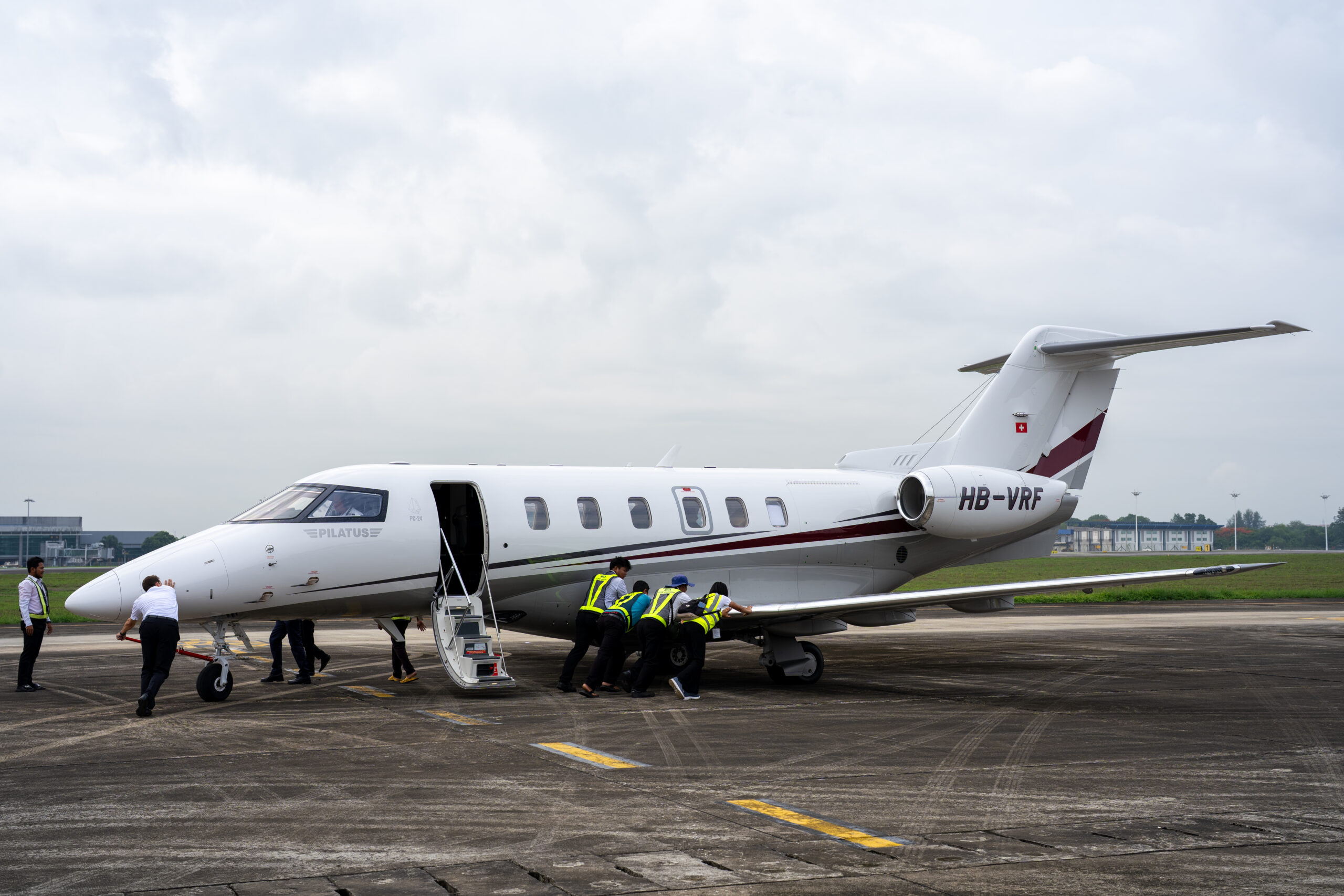
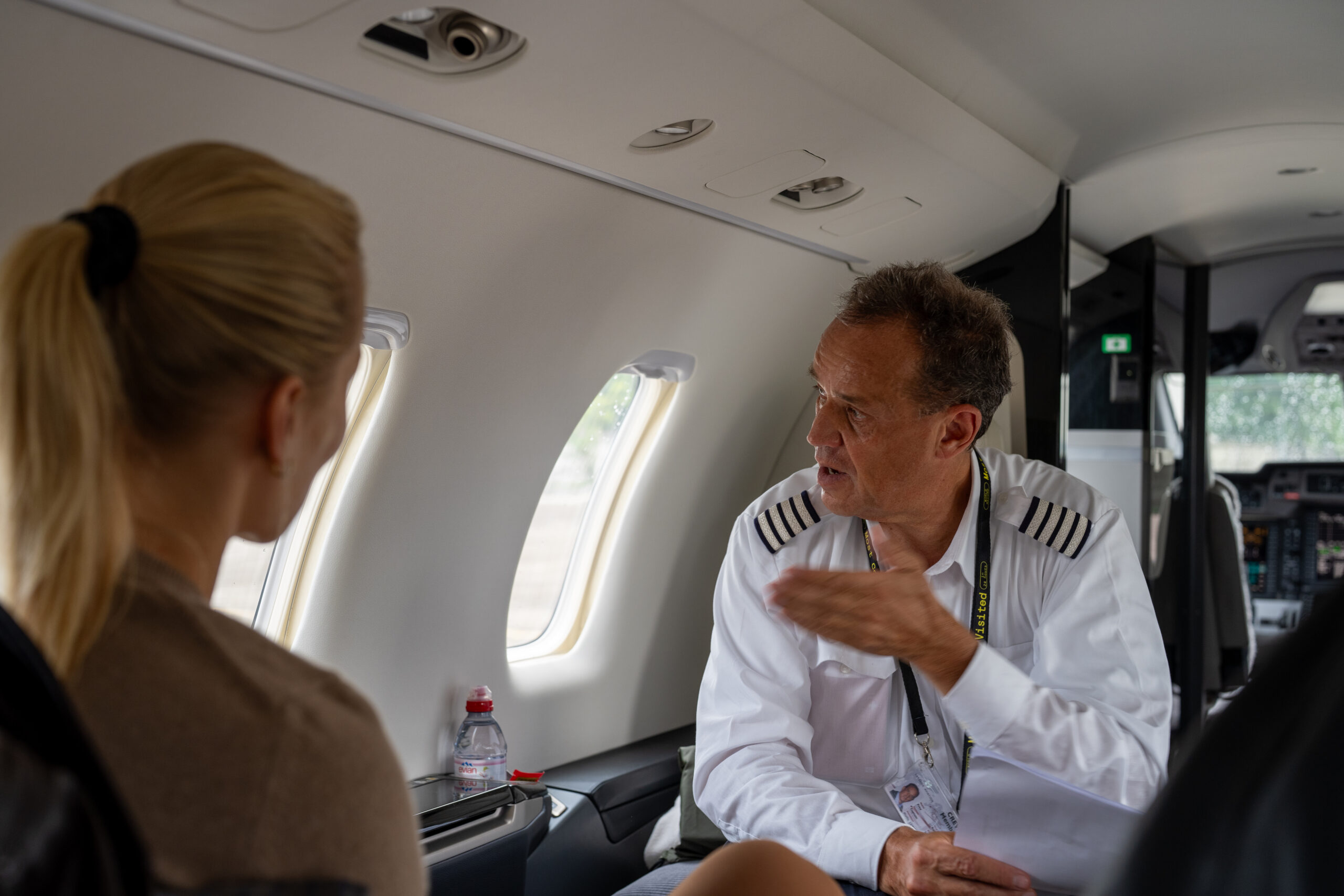
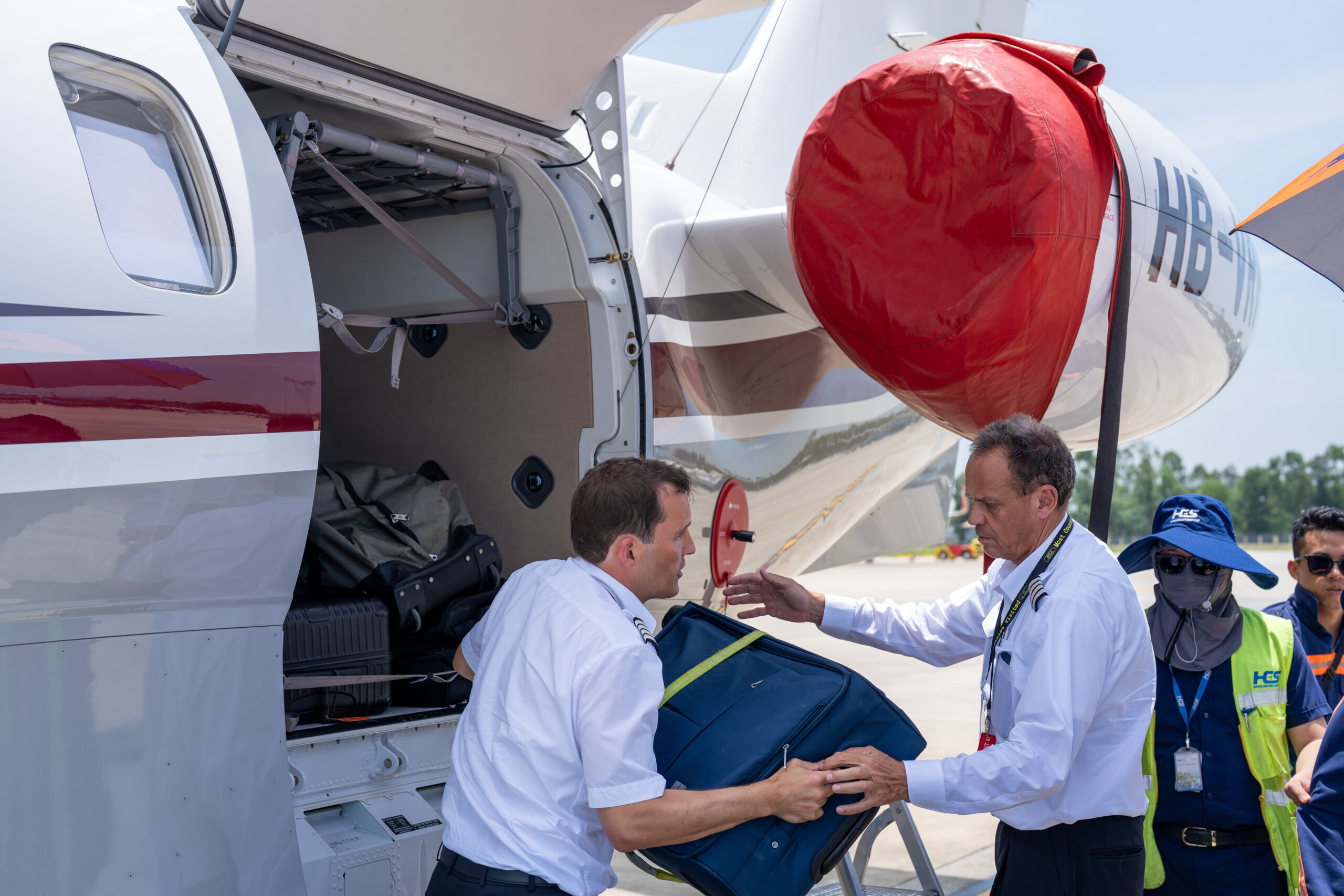
The departure from Myanmar began with the airports ground crew putting their shoulders into the side of the aircraft and pushing it into position. The flight to Vietnam then served up its own quiet crisis, this one courtesy of GPS spoofing. As we set off, the navigation system began to lose its mind trying to work out where we actually were, and proceeded to issue a steady stream of “pull up” warnings on the assumption that we were about to fly into a mountain. The fact that we were comfortably at 28,000 feet did not appear to enter into the calculation. The pilots, unimpressed, switched the GPS off entirely and reverted to conventional flight measures that aviation managed perfectly well with for decades before satellites, namely radio beacons and old-school navigation that you can fly towards. Once we exited Myanmar airspace the spoofing stopped, and the plane was guided expertly into Vietnam without further drama.
After a short late lunch at the hotel, the travellers gave themselves over to some much needed R&R. Time was spent on naps, city walks in the blistering heat, and spa treatments, depending on personal constitution. As planned, the evening also saw the departure of Jacqueline, who had joined the trip for one week. It also saw the arrival of Fabio, who would be traveling with us until Okinawa.
Day Seven: Hanoi
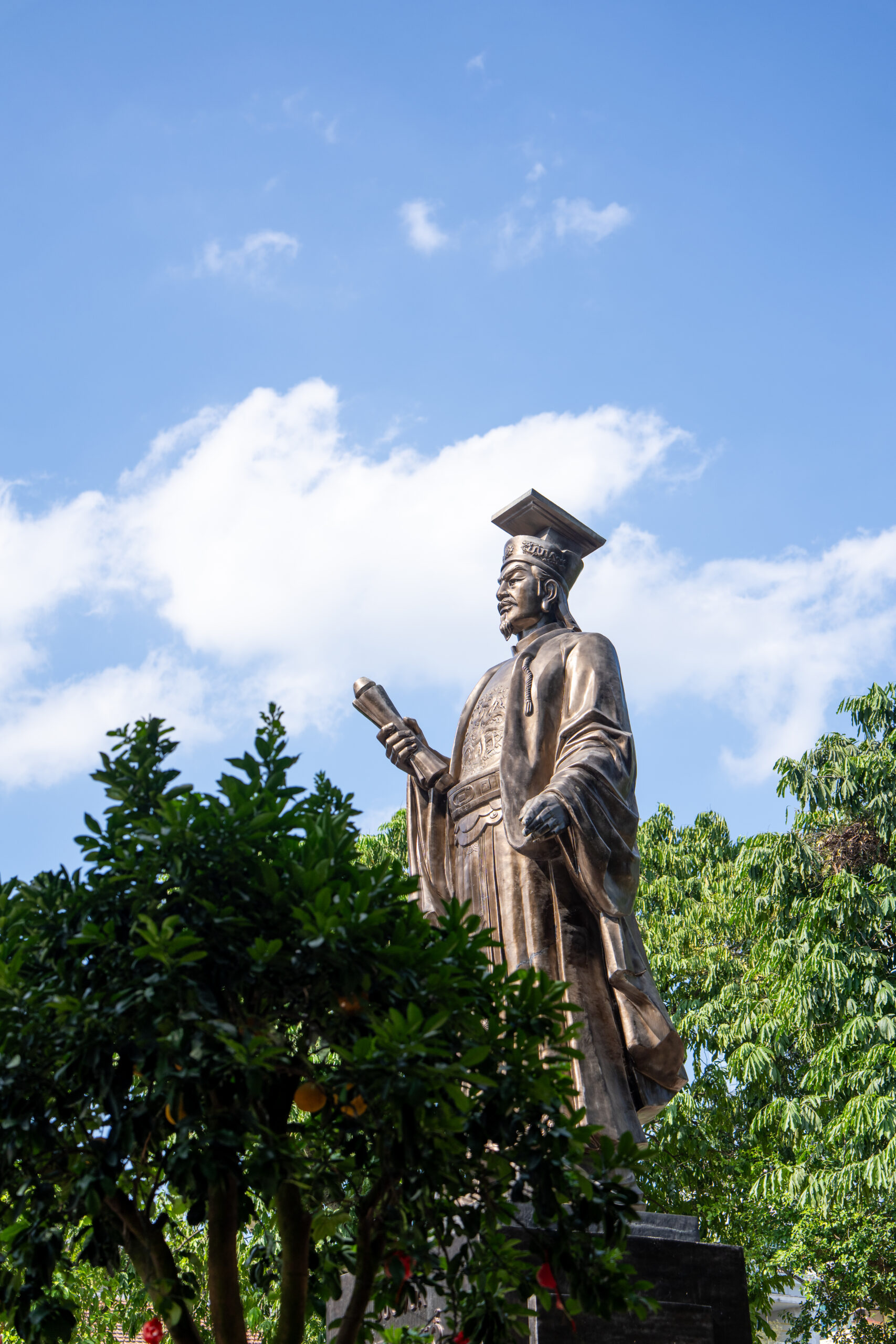
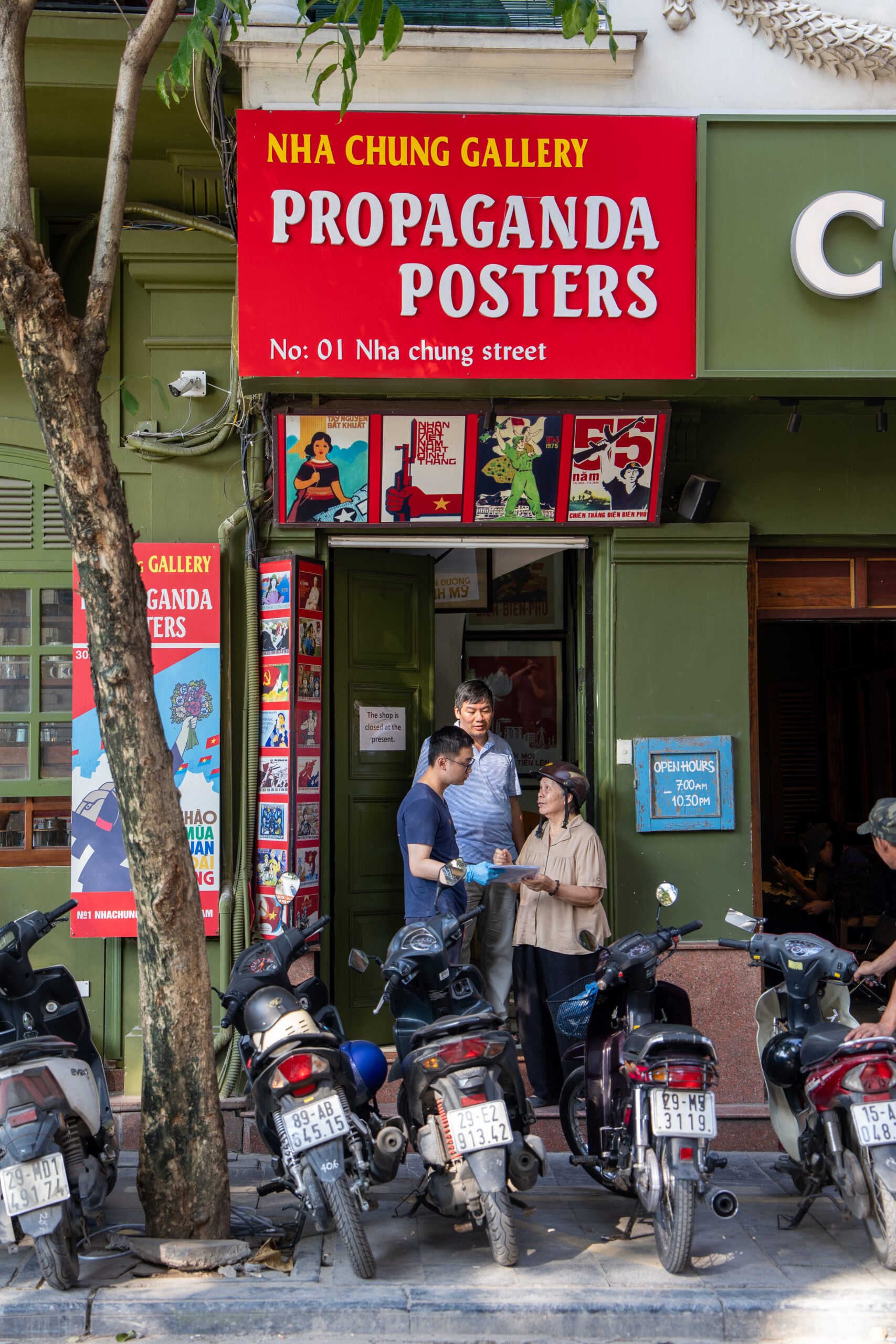
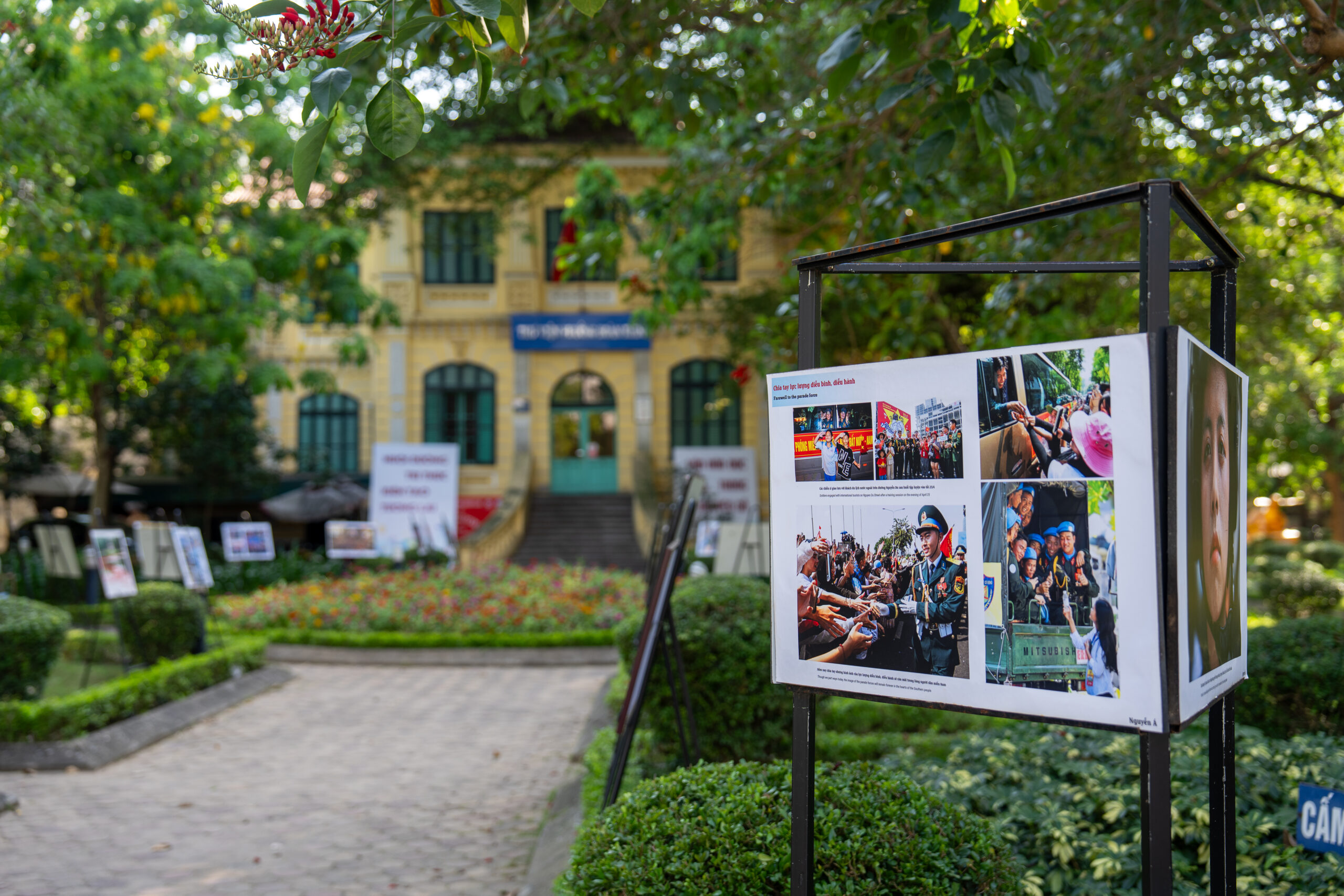
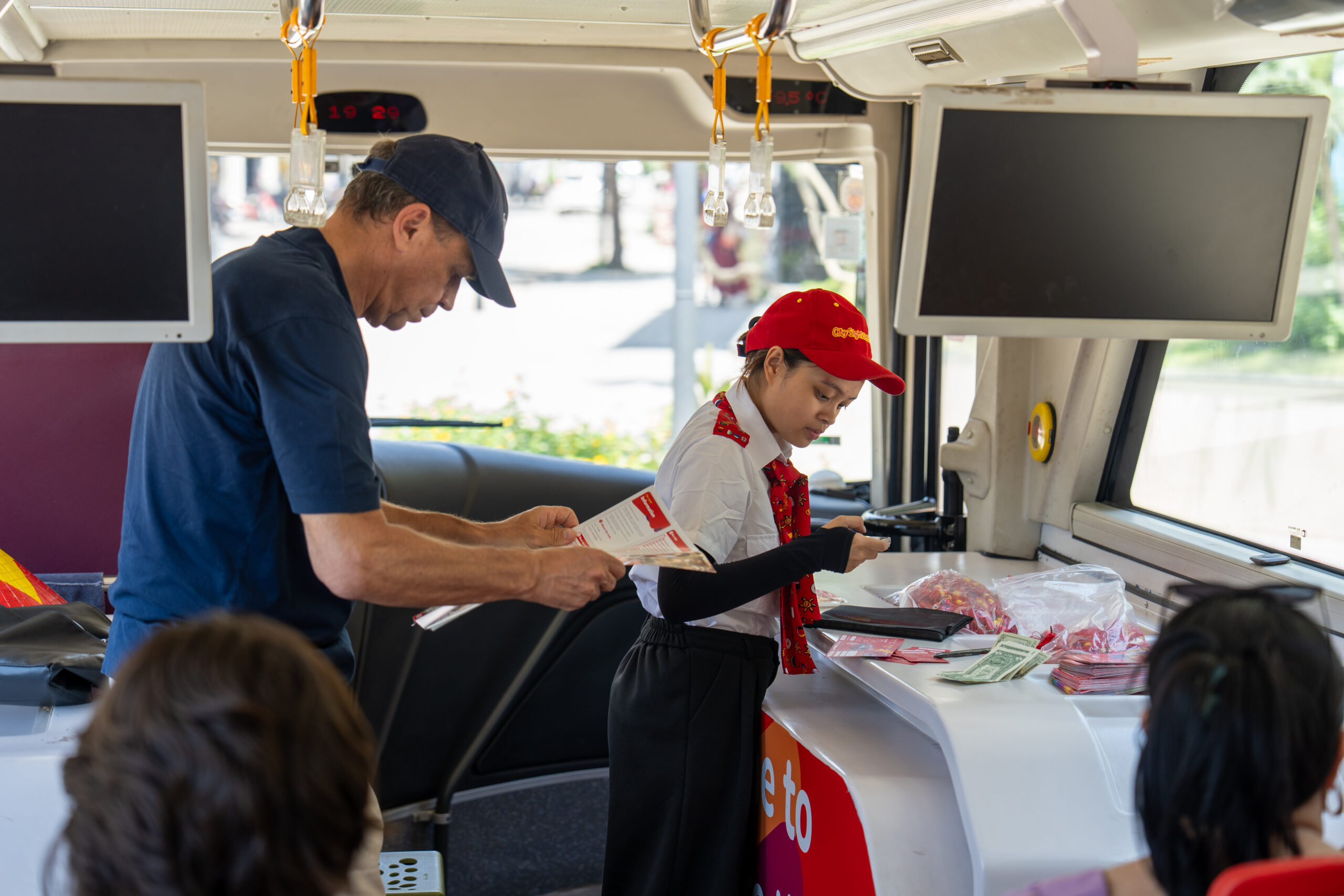
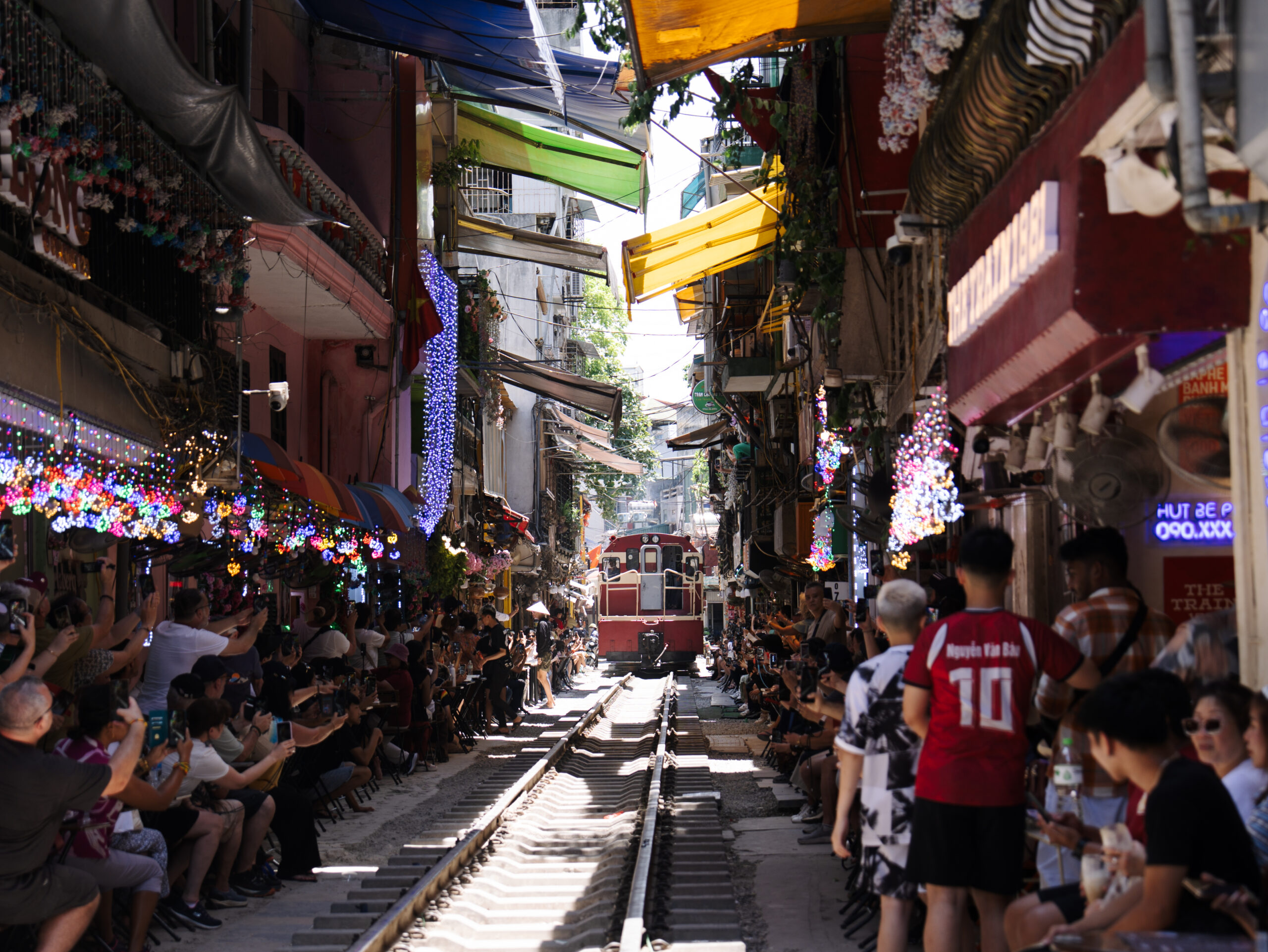
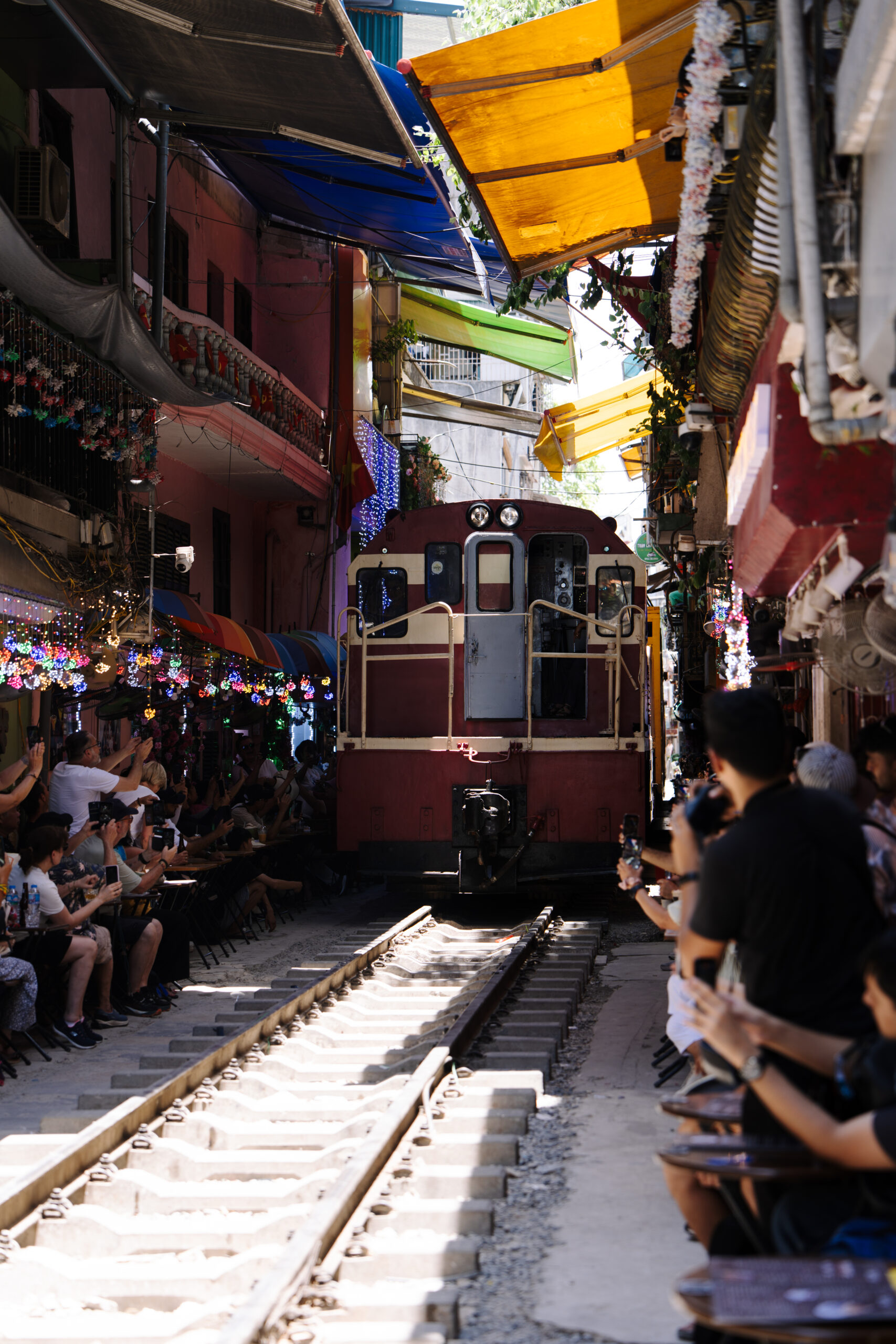
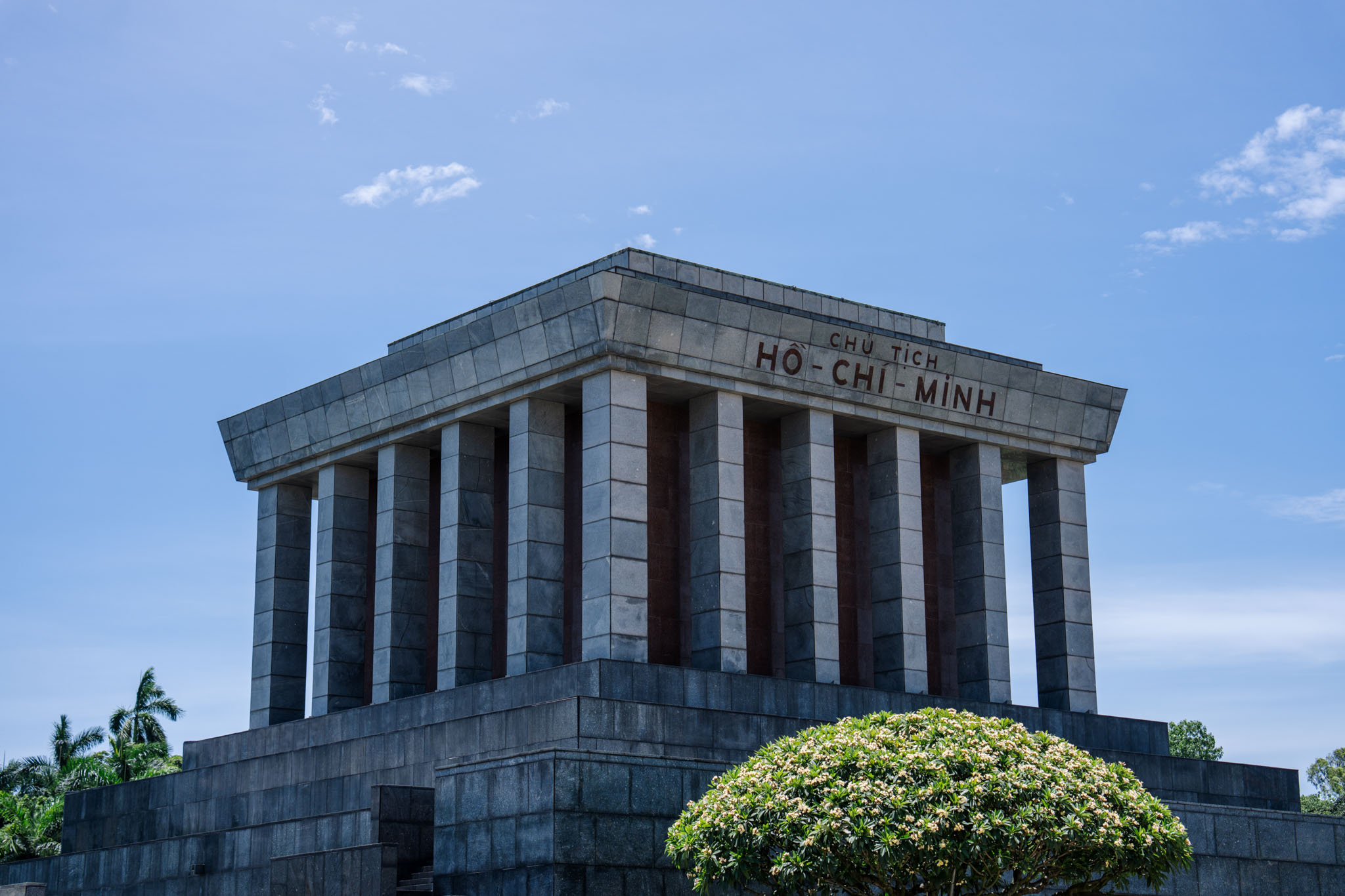
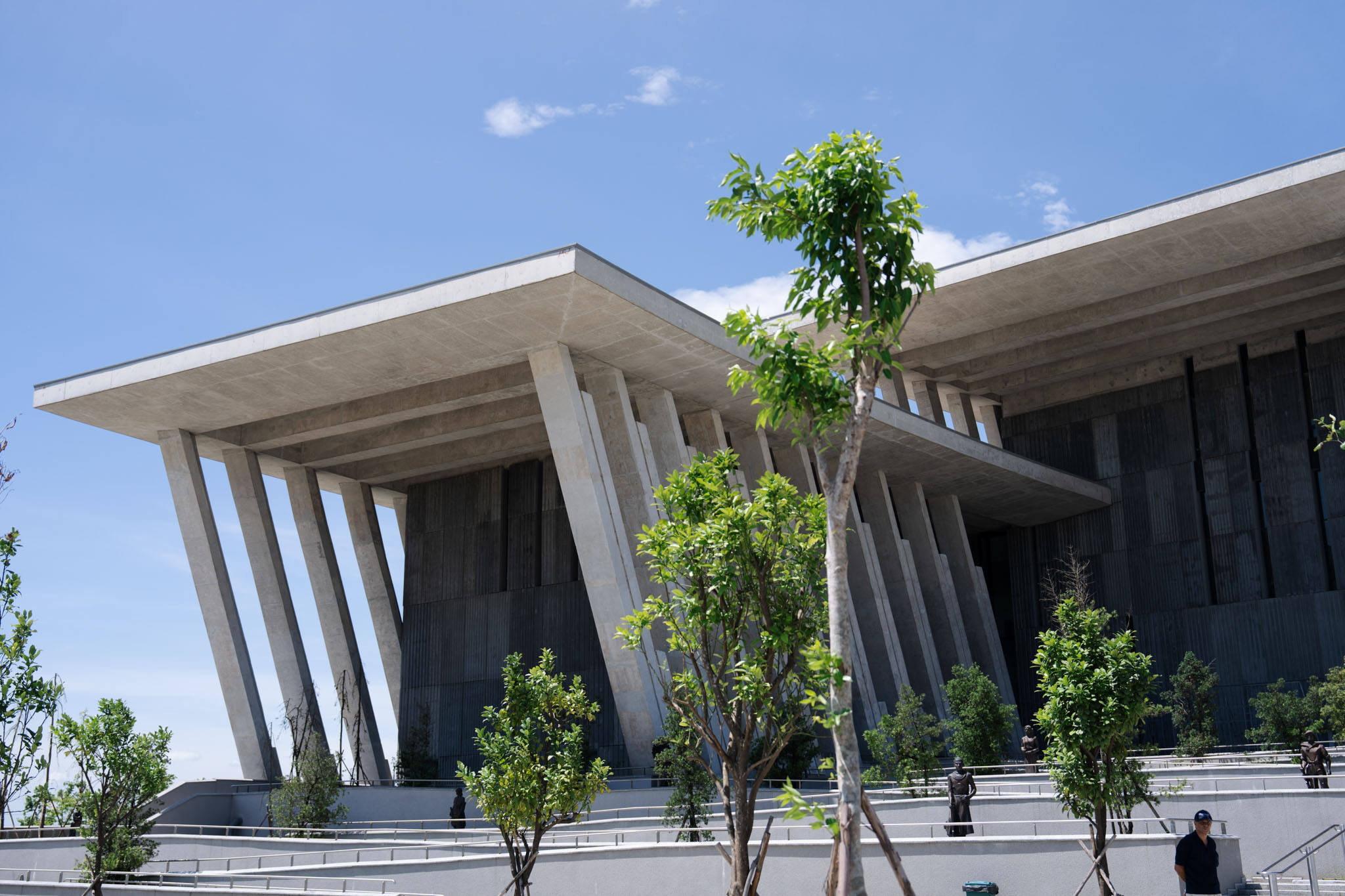
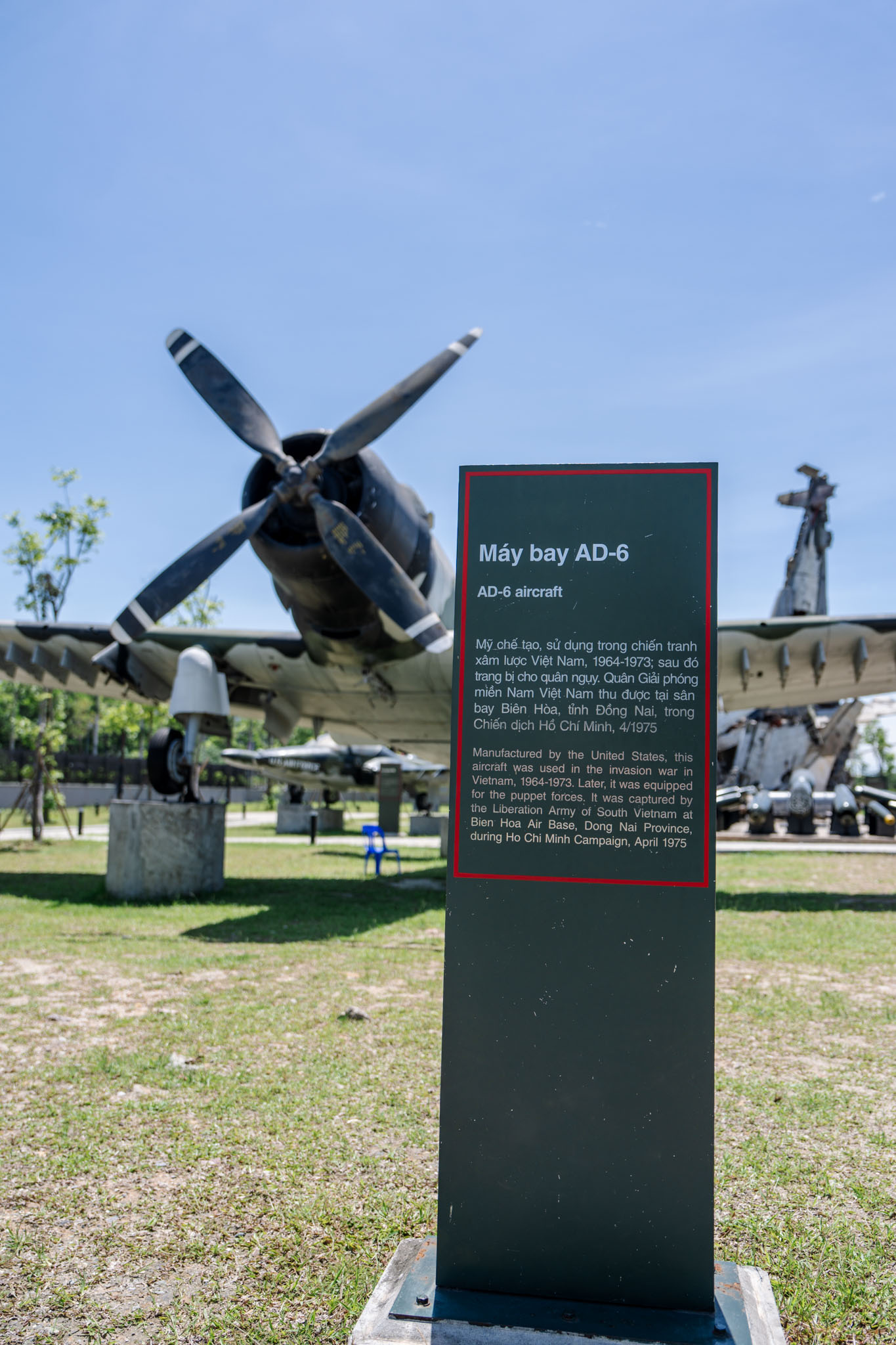
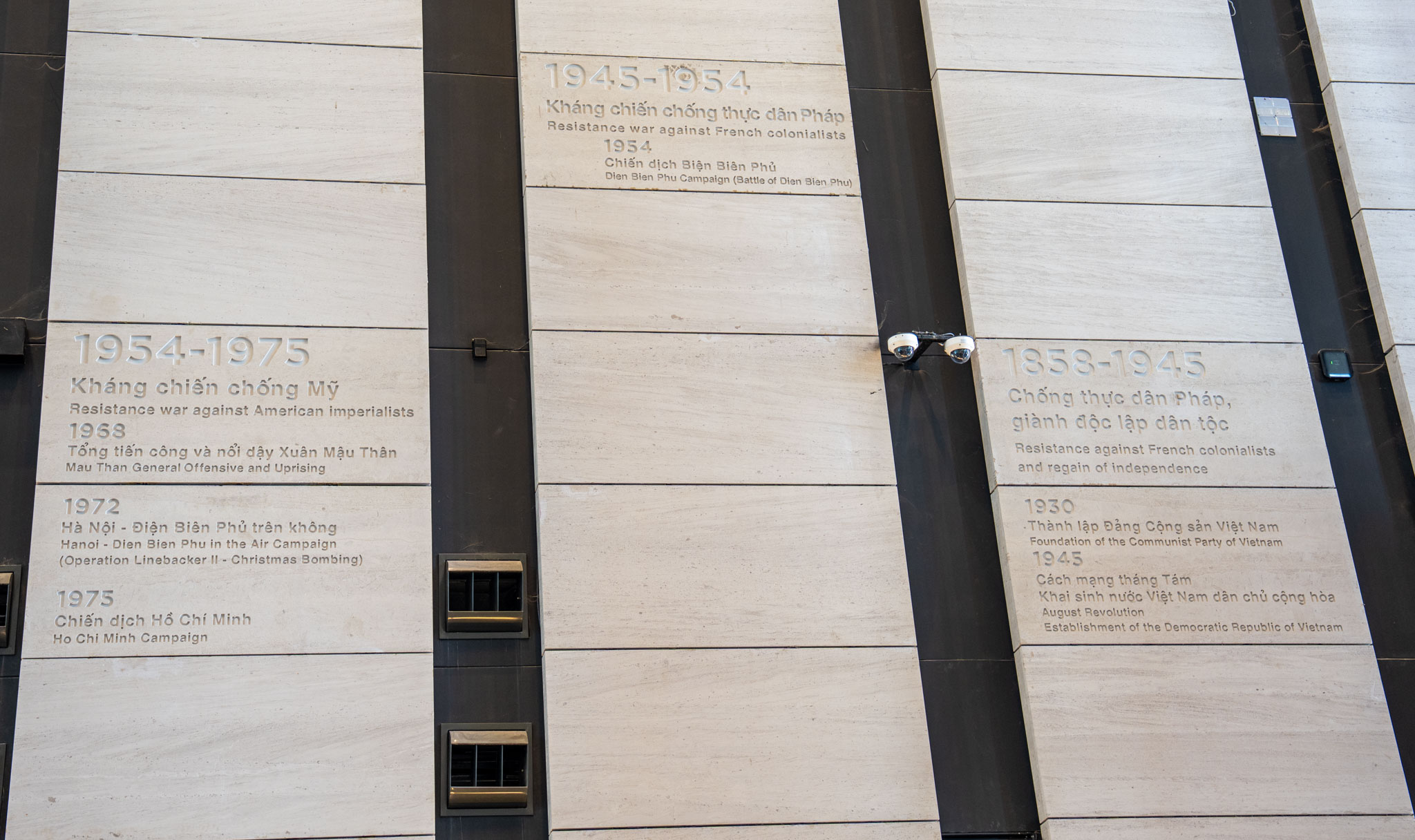
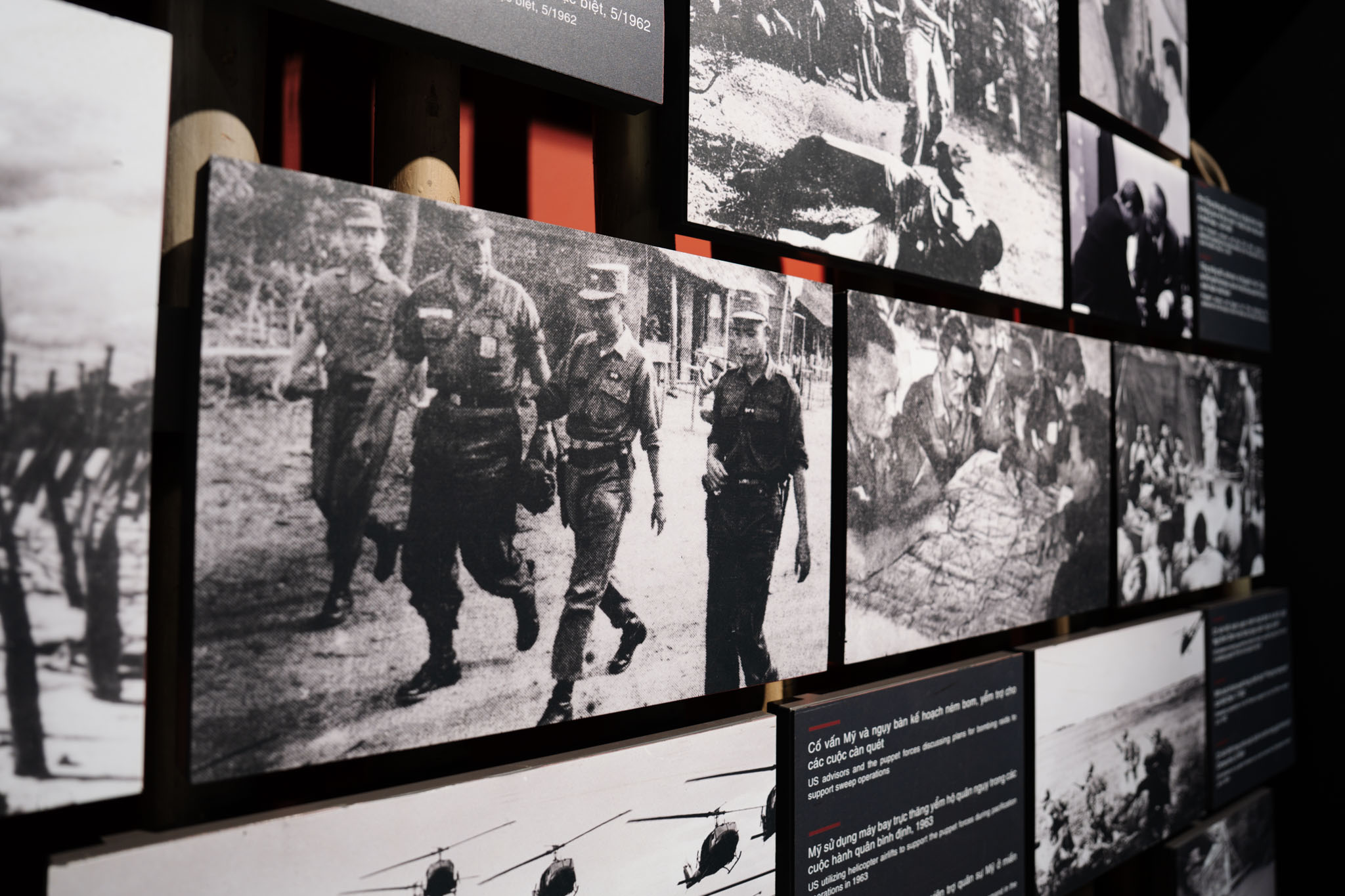
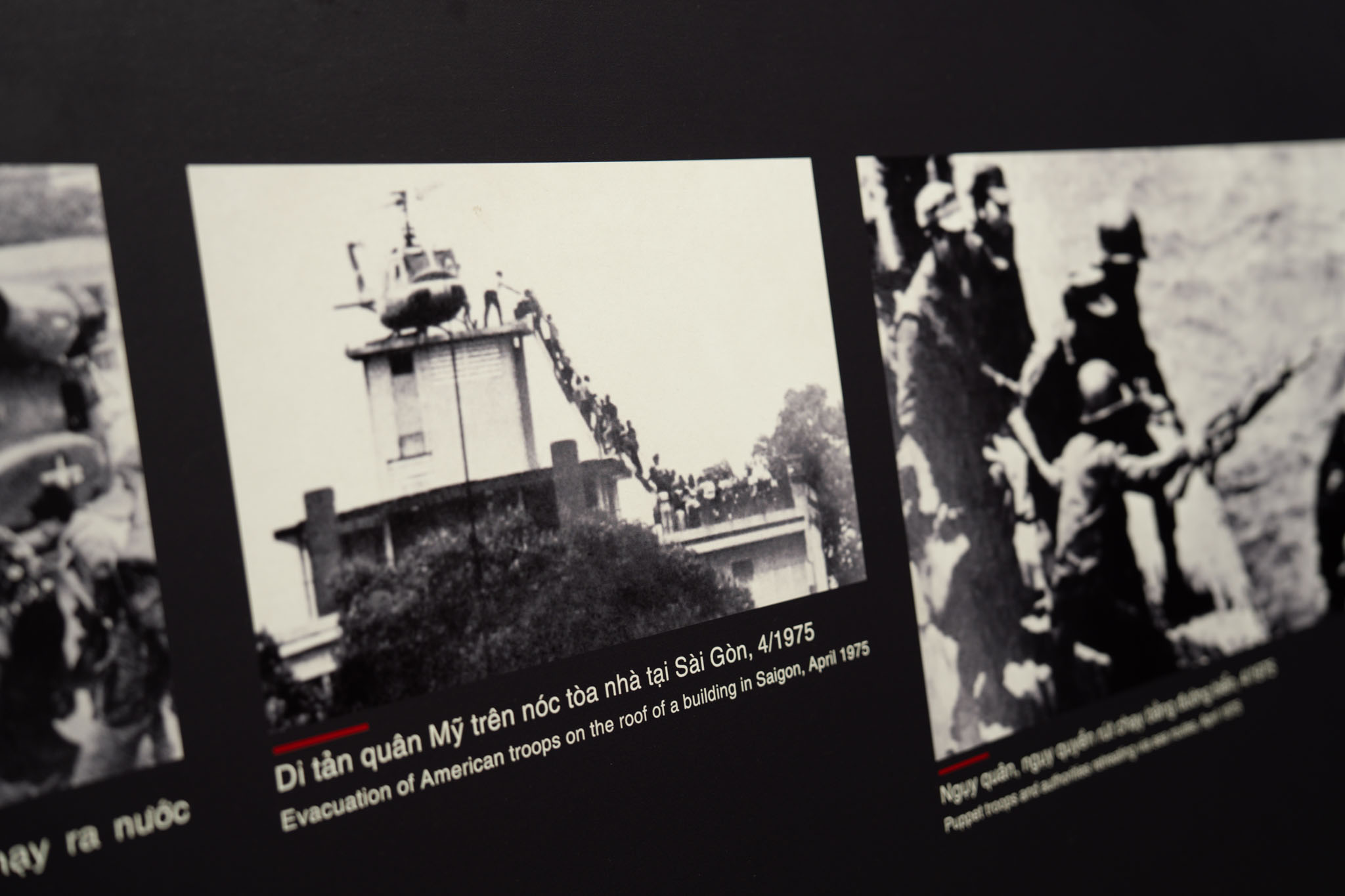
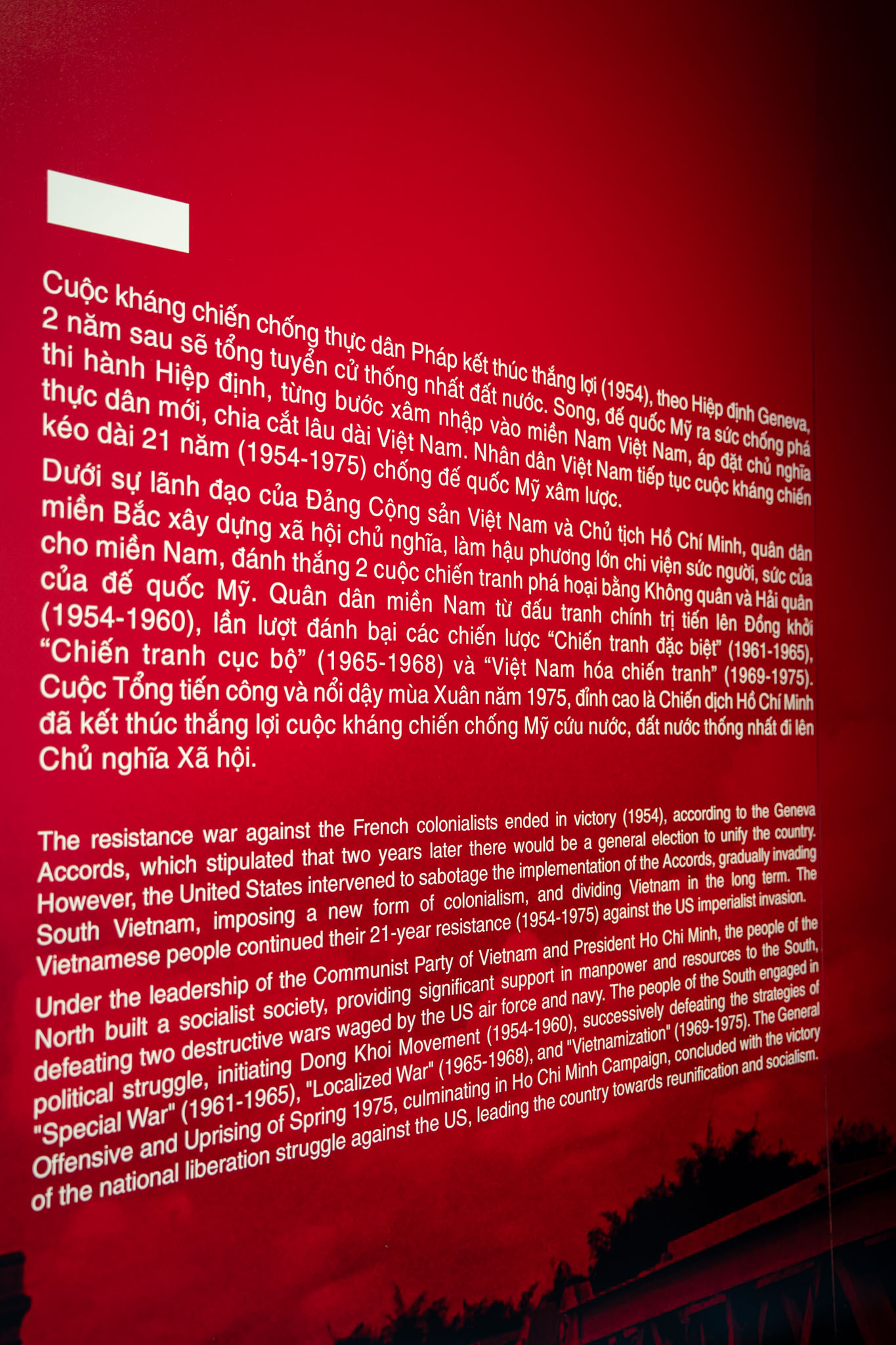
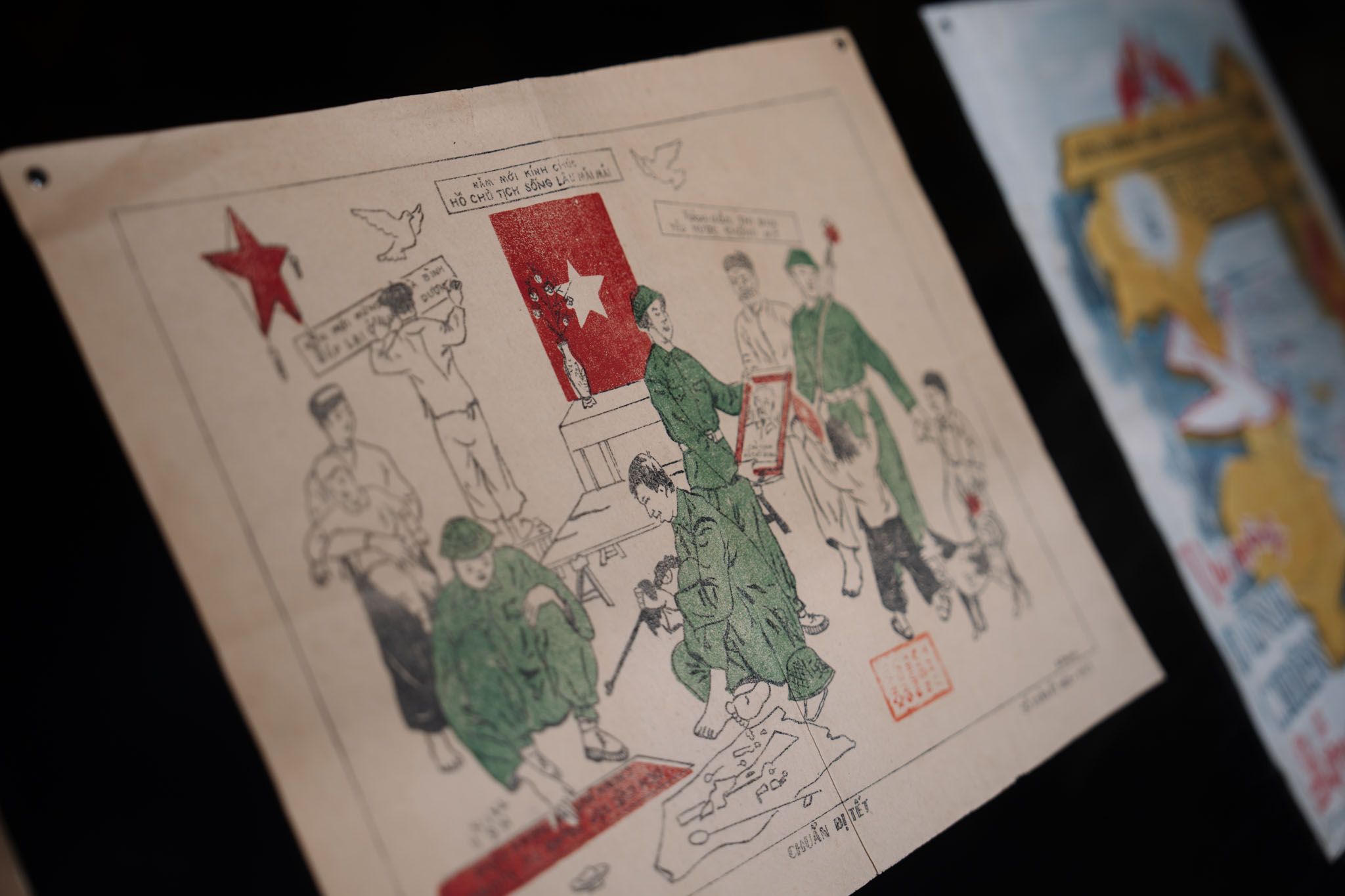
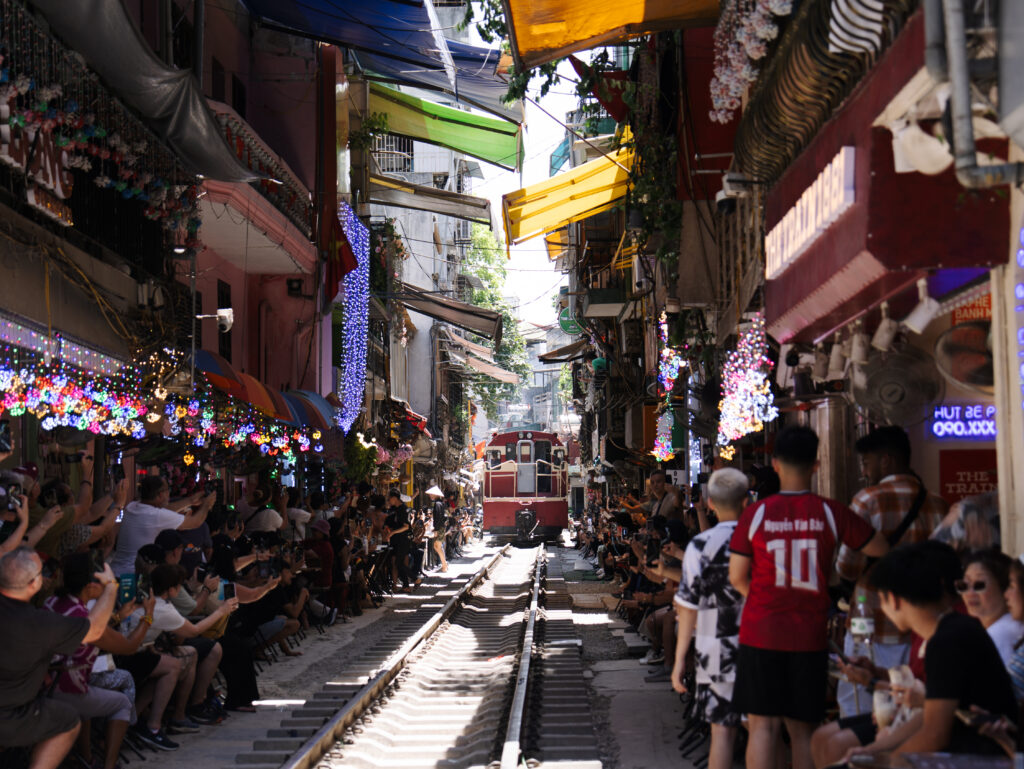
We set off at 10.30am the following morning for the city sightseeing, beginning with the hop-on-hop-off bus. Two travellers, having concluded that 40-degree Hanoi heat would not provide a sufficient challenge on its own, decided to approach the day hungover, having spent the previous night exploring the Hanoi nightlife. The decision was promptly regretted. The first stop was Train Street, the narrow residential alley where the train passes within inches of cafés and front doors several times a day. The track was laid by the French in 1902 and is still very much active, which is most of the appeal and all of the danger. From there to the Mausoleum, the Soviet-style granite monolith on Ba Dinh Square housing the embalmed body of Ho Chi Minh, who had explicitly requested in his will to be cremated and is therefore displayed permanently in a glass sarcophagus under dim lighting and military honour guard. The architecture takes its cues from Lenin’s Mausoleum in Moscow, in case the message was at any point unclear. Next came the War Museum, with its courtyard of downed American aircraft, captured equipment, and air-defence kit from the December 1972 bombing campaigns. We wrapped the day at the Water Puppet Show, an 11th-century art form developed by rice farmers in the Red River Delta who, when the paddies flooded, took to performing wooden puppet plays on the water itself. ChatGPT had assured us this was a highlight of Hanoi. It was, in fact, very childish. To anyone reading this whilst planning a trip to Hanoi: do not always trust ChatGPT. A quick dinner at the hotel rounded things off.
Day Eight: Ha Long Bay
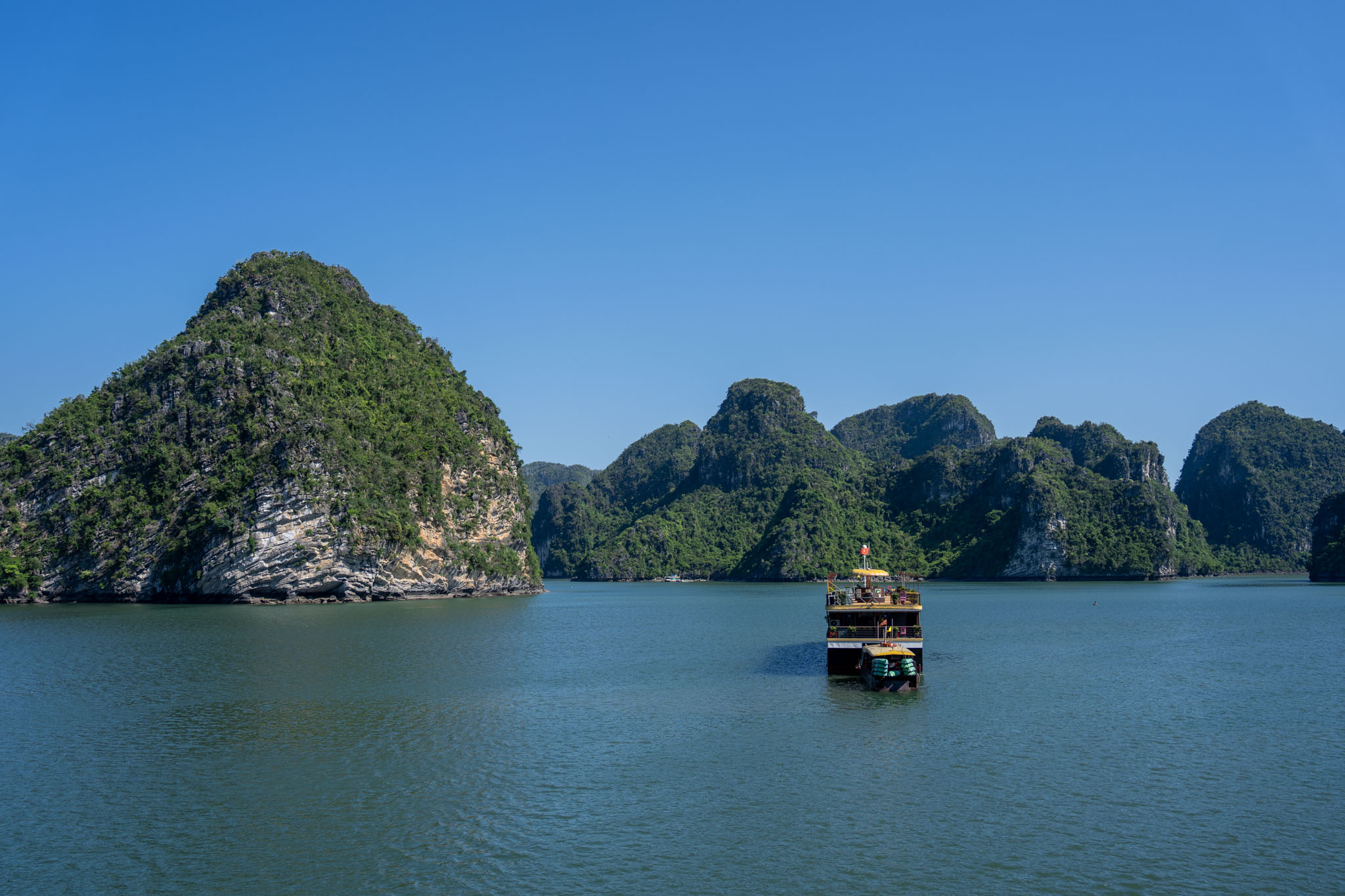
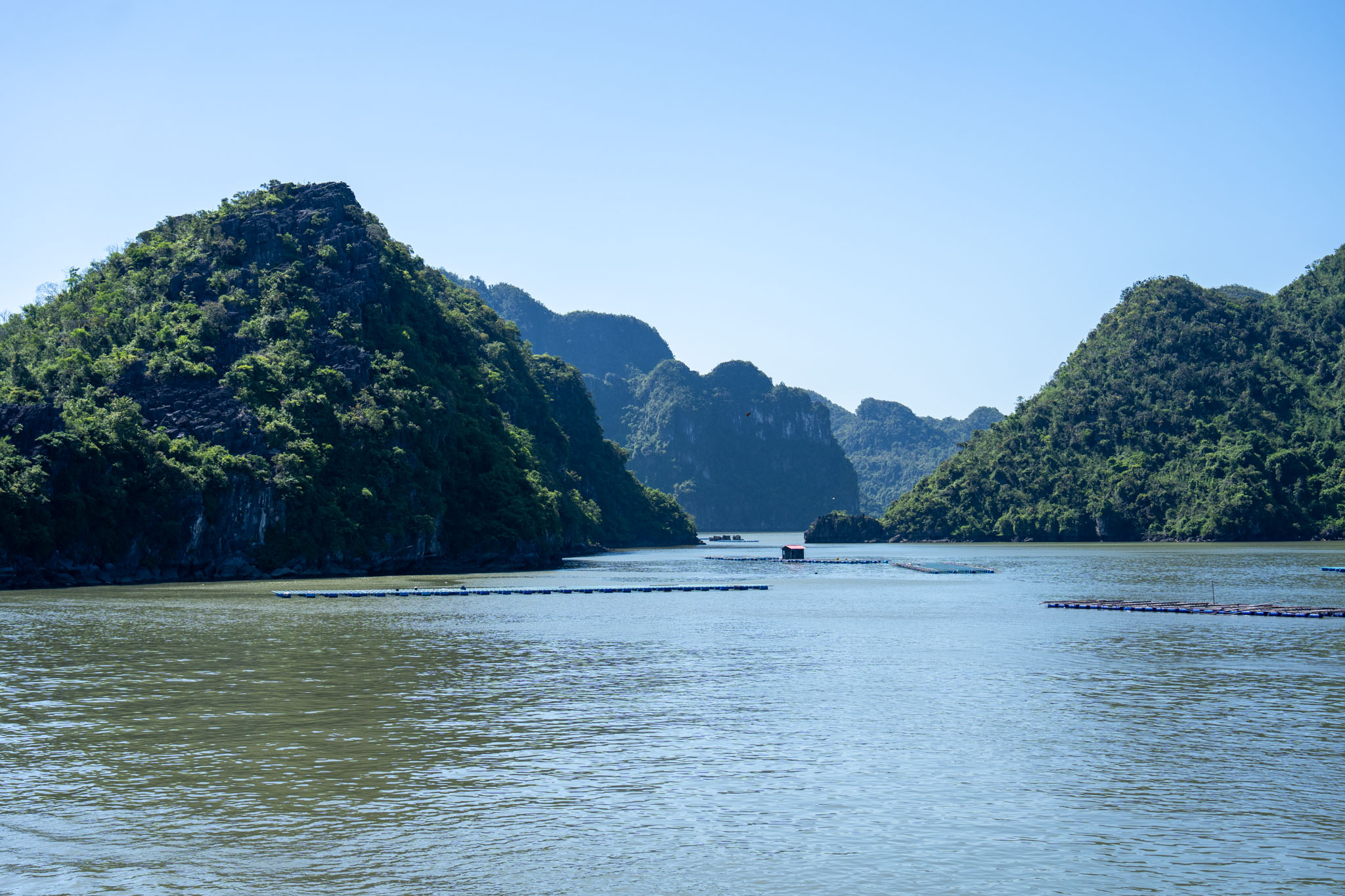
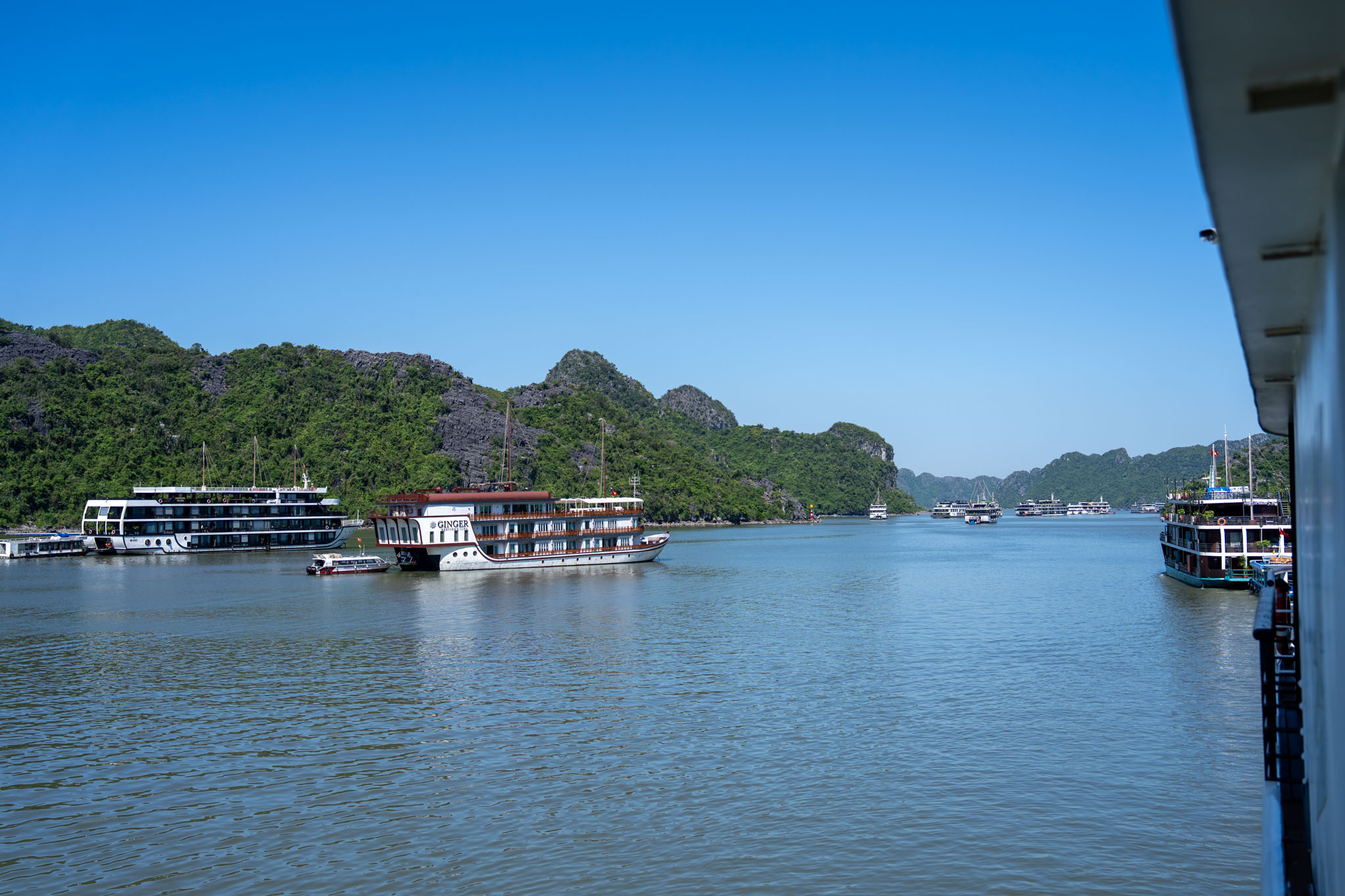
The driver collected us at 8.30am the next morning for the Ha Long Bay cruise. The afternoon was spent on the standard programme of kayaking, swimming and suntanning, until it became apparent that there was not, in fact, much else to do, at which point we settled, sensibly, on drinking beer. The cruise manager, Gin, took it upon himself to inform us, repeatedly, that we were missing out by not booking the two-day version of the tour. On closer inspection we discovered that the two-day tour is, in essence, the same trip done twice. Reassured that we would be missing precisely nothing, we went to bed and prepared for our departure to Sanya the next day.
Hanoi is the capital of Vietnam. The city is situated in northern Vietnam on the western bank of the Red River, about 85 miles (140 km) inland from the South China Sea. In addition to being the national capital, Hanoi is also a province-level municipality, administered by the central government. The city hosts more cultural sites than any other city in Vietnam, and has more than 1,000 years of history; that of several hundred years had been preserved. The Old Quarter, near Hoàn Kiếm Lake, maintains most of the original street layout and some of the architecture of older Hanoi. Encyclopedia BritannicaWikipedia
In 1010 Ly Thai To, the first ruler of the Ly dynasty (1009–1225) of Vietnam, chose the site of Hanoi—then called Thang Long (“Rising Dragon”)—for his capital. Thang Long remained the main capital of Vietnam until 1802, when the last Vietnamese dynasty, the Nguyen (1802–1945), transferred the capital south to Hue. The city occasionally was renamed for periods of time, and one of these names, Dong Kinh, given to it during the Later Le dynasty (1428–1787), became corrupted by Europeans to Tonquin. During the French colonial period (1883–1945) the name Tonkin was used to refer to the entire region. In 1831 the city was renamed Ha Noi (“Between Two Rivers”) by the Nguyen dynasty. Under French rule Hanoi again became an important administrative centre, and in 1902 it was made the capital of French Indochina. It became the capital of North Vietnam after the French defeat in 1954. During the Vietnam War many of its monuments and palaces were destroyed by U.S. bombing. As the capital of a united Vietnam since 1976, it has steadily been rebuilt and its industrial base has grown. The city observed its 1,000th anniversary in October 2010. Encyclopedia BritannicaBritannica
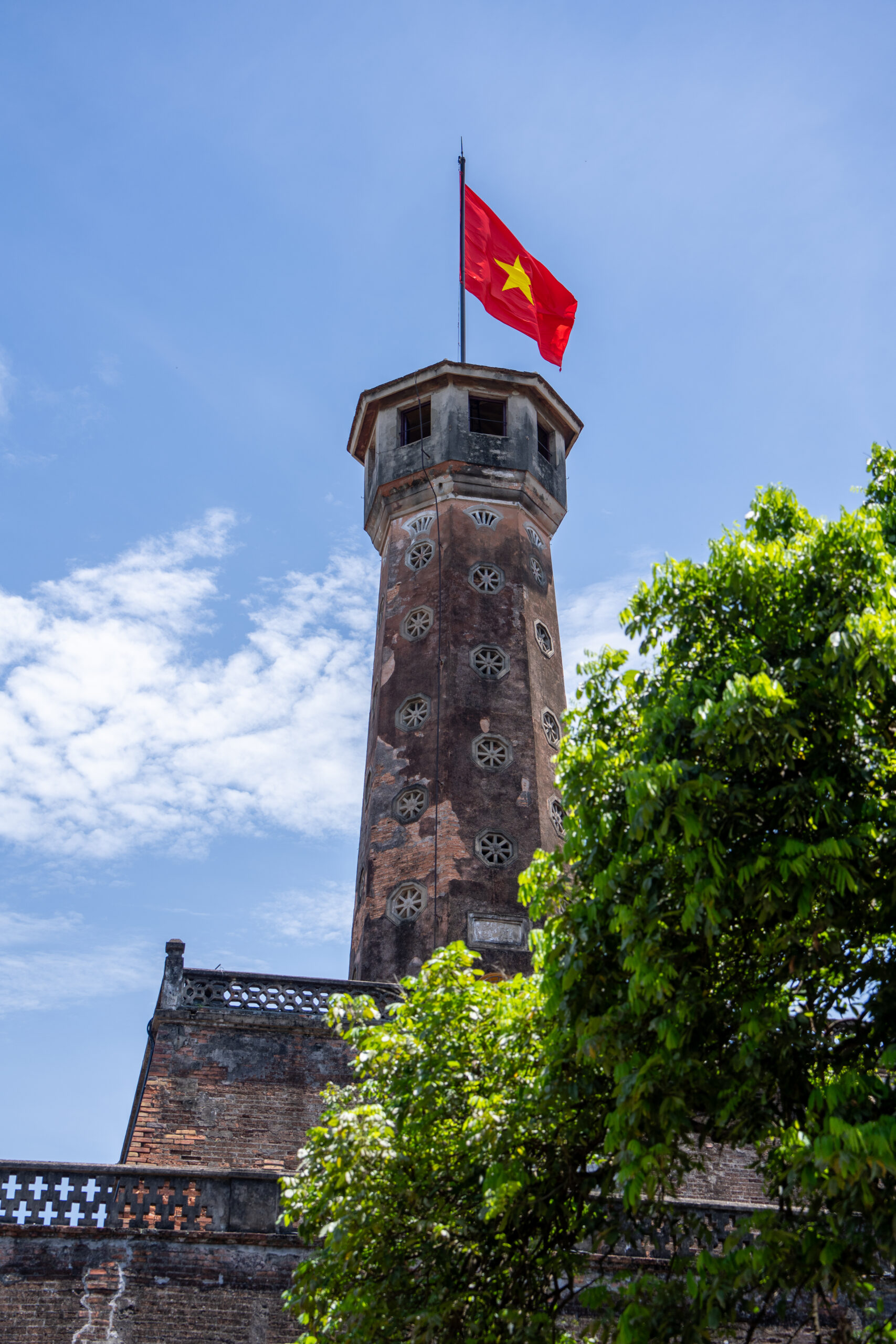
At the beginning of the 20th century Hanoi consisted of the “36 streets”, the citadel, and some of the newer French buildings south of Hoàn Kiếm lake, most of which later are part of Hoàn Kiếm district. Each street had merchants and households specializing in a particular trade, such as silk, jewelry or bamboo. The street names reflect these specializations, while some of them remain exclusively in their original commerce. Some prominent edifices from feudal time include the Temple of Literature (Văn Miếu), site of the oldest university in Vietnam which was started in 1010, the One Pillar Pagoda (Chùa Một Cột) which was built based on the dream of king Lý Thái Tông in 1049, and the Flag Tower of Hanoi. Hanoi is sometimes dubbed the “Paris of the East” for its French influences. South of Hoàn Kiếm’s “French Quarter” has French colonial landmarks, including the Hanoi Opera House, the Sofitel Legend Metropole Hanoi hotel, the National Museum of Vietnamese History, and the St. Joseph’s Cathedral. Since 2014, Hanoi has been voted in the world’s top ten destinations by TripAdvisor. Wikipedia + 2
Reference: Wikipedia.org under https://en.wikipedia.org/wiki/Hanoi
Vietnam, officially the Socialist Republic of Viet Nam, is a country at the eastern edge of Mainland Southeast Asia. With an area of about 331,000 square kilometres and a population of over 102 million, it is the world’s 16th-most populous country. One of two communist states in Southeast Asia, Vietnam is bordered by China to the north, and Laos and Cambodia to the west; it lies along the Gulf of Thailand to the southwest and the South China Sea to the east, where it has shared and disputed maritime borders with other countries. Its capital is Hanoi, while its largest city is Ho Chi Minh City. Wikipedia
Vietnam was inhabited by the Paleolithic age, with states established in the first millennium BC on the Red River Delta in modern-day northern Vietnam. The Han dynasty annexed northern and central Vietnam, which were subsequently under Chinese rule from 111 BC until the first dynasty emerged in 939. Successive Vietnamese dynasties ruled the country until French colonisation in the 19th century made Vietnam part of French Indochina. Following the defeat of the French at Dien Bien Phu in 1954, the country was partitioned into a communist North and an anti-communist South, leading to the Vietnam War, which ended with North Vietnamese victory in 1975. The country was officially reunified as the Socialist Republic of Vietnam in 1976. Since 1986, Vietnam’s urbanisation rates have surged rapidly after the Vietnamese government implemented the Đổi Mới economic programme, changing the system into a socialist one and liberalising property rights. As a result, Hanoi and Ho Chi Minh City increased their share of the total urban population substantially. WikipediaWikipedia
The northern region experiences a monsoonal and humid subtropical climate with four distinct seasons, with winters typically dry and summers ranging from hot to mild. In southern and central areas, the climate is tropical monsoon with only two seasons (rainy and dry). Temperatures vary less in the southern plains around Ho Chi Minh City and the Mekong Delta, ranging from between 21 and 35 °C over the year. In Hanoi and the surrounding areas of the Red River Delta, the temperatures are much lower between 15 and 33 °C. The most visited destinations in Vietnam are the largest city, Ho Chi Minh City, with over 5.8 million international arrivals, followed by Hanoi with 4.6 million and Hạ Long, including Hạ Long Bay with 4.4 million arrivals. All three are ranked in the top 100 most-visited cities in the world. Vietnam is home to eight UNESCO World Heritage Sites. Vietnam’s primary cross-country rail service is the Reunification Express running nearly 1,726 kilometres from Ho Chi Minh City to Hanoi. WikipediaWikipedia
Reference: Wikipedia.org under https://en.wikipedia.org/wiki/Vietnam